
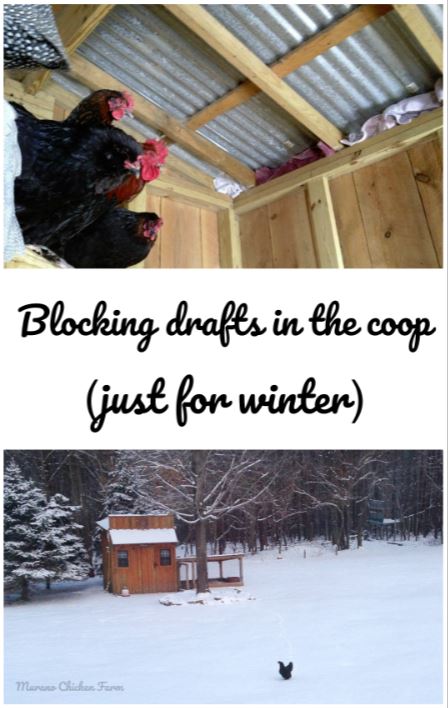
If you keep chickens, you know how important their coop is. But have you ever stopped to think about how much ventilation your chicken coop really needs?
Too little airflow, and your chickens could face health problems from dampness and ammonia build-up. Too much, and they might get chilled or stressed. Getting the right balance is key to keeping your flock happy and healthy. You’ll discover exactly how much ventilation your chicken coop needs and simple ways to achieve it.
Keep reading to protect your chickens and boost their well-being every day.
Why Ventilation Matters
Ventilation is a key factor in maintaining a healthy chicken coop. It controls airflow, keeps the air fresh, and helps manage temperature. Proper ventilation protects chickens from many health risks and keeps their environment comfortable. Without enough ventilation, the coop can become harmful to your birds.
Health Benefits For Chickens
Good ventilation provides clean air for chickens to breathe. It lowers the chance of respiratory problems. Fresh air helps prevent diseases caused by poor air quality. Chickens stay more active and strong with proper airflow. A well-ventilated coop supports overall chicken health.
Preventing Moisture Buildup
Chickens produce moisture from breathing and droppings. This moisture can build up inside the coop. Too much moisture causes dampness and mold growth. Ventilation removes excess moisture and keeps the coop dry. A dry coop reduces the risk of infections and keeps bedding fresh.
Reducing Ammonia Levels
Ammonia comes from chicken waste and is harmful in high amounts. It irritates chicken eyes and lungs. Proper ventilation helps lower ammonia levels by moving stale air out. Cleaner air improves chicken comfort and prevents breathing issues. Keeping ammonia low is essential for a safe coop environment.
Signs Of Poor Ventilation
Poor ventilation in a chicken coop affects bird health and comfort. It causes several visible and noticeable problems. Spotting these signs early helps prevent serious issues.
Excessive Odors
Strong smells inside the coop show poor air flow. Ammonia from chicken waste builds up quickly. This odor irritates birds and people nearby. Fresh air removes these smells and keeps the coop clean.
Condensation And Dampness
Water droplets on walls or ceiling mean bad ventilation. Moisture comes from chicken breath and droppings. Dampness creates a cold, unhealthy space. It encourages mold and bacteria growth. Proper airflow keeps the coop dry and safe.
Respiratory Issues In Birds
Birds coughing or sneezing often suffer from poor air quality. Dust and ammonia irritate their lungs. This weakens their immune system and lowers egg production. Good ventilation reduces these health problems.
Ventilation Requirements By Coop Size
Ventilation needs change depending on the size of your chicken coop. Small, medium, and large coops each require different amounts of airflow to keep your chickens healthy and comfortable. Understanding these differences helps you avoid problems like moisture buildup, heat stress, and respiratory issues.
Small Coops
Small coops usually house fewer than 5 chickens. They need at least one square foot of ventilation per bird to keep fresh air circulating. A simple vent or window that can open and close is often enough.
Keep in mind that too much ventilation in a small coop can cause drafts, especially in colder months. You want to balance airflow with protection from the elements. Have you checked if your small coop’s vents can be adjusted seasonally?
Medium Coops
Medium coops typically hold between 6 to 15 chickens. These require more ventilation to handle the increased moisture and ammonia from droppings. Aim for about one to two square feet of vent space per 10 square feet of floor area.
Adding vents near the roof helps hot air escape, while lower vents bring in fresh air. You might also consider installing adjustable vents or small fans. How often do you inspect the air quality inside your medium coop?
Large Coops
Large coops accommodate 16 or more chickens and need a well-planned ventilation system. You should provide at least two square feet of vent space per 10 square feet of floor space. Multiple vents placed strategically around the coop promote good air flow.
Consider using ridge vents, soffit vents, or even powered fans for consistent ventilation. Large coops also benefit from cross ventilation to prevent stagnant air pockets. Are you monitoring humidity levels to ensure your large coop stays dry and fresh?
Credit: voltset.com
Types Of Ventilation Systems
Choosing the right ventilation system for your chicken coop can make a huge difference in your flock’s health and comfort. Different systems offer unique benefits depending on your climate, coop size, and budget. Understanding these options will help you create a safe and fresh environment for your chickens all year round.
Natural Ventilation
Natural ventilation relies on the movement of air through openings like windows, vents, and gaps in the coop’s structure. This system uses wind and temperature differences to keep air flowing without any electrical help.
I once had a coop with simple roof vents and screened windows. During summer, the air circulation kept the coop surprisingly cool. However, in winter, it required careful adjustments to prevent drafts while still allowing fresh air.
Natural ventilation works best if you position vents high and low to encourage airflow. You can use adjustable shutters to control how much air comes in depending on the weather. This system saves energy and keeps things simple, but it may not be enough in extreme climates.
Mechanical Ventilation
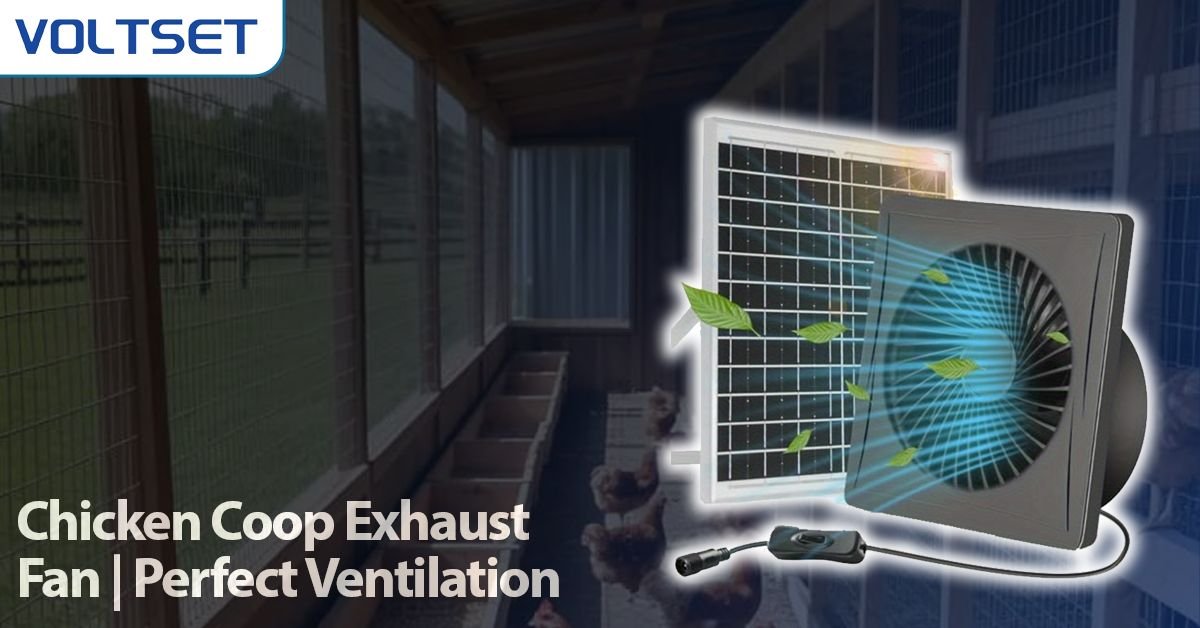
Mechanical ventilation uses fans or exhaust systems to actively move air in and out of the coop. This ensures consistent airflow regardless of outdoor conditions.
If you live in a very humid or tightly sealed coop, mechanical ventilation can prevent moisture buildup and odors. I installed a small exhaust fan in my winter coop and noticed a dramatic drop in ammonia smell and dampness.
These systems can be set on timers or thermostats to run only when needed, saving electricity. They require a power source and occasional maintenance but offer precise control over your coop’s air quality.
Combination Approaches
Some coop owners choose a mix of natural and mechanical ventilation to balance energy use and control. This approach lets you rely on natural airflow most of the time while using fans during extreme heat or cold.
For example, you might have roof vents and windows open during mild weather but switch on a fan during hot summer days or winter nights. This flexibility helps maintain comfort and health without a heavy energy cost.
Are you ready to tweak your coop’s ventilation to match the seasons? Combining methods might be the smartest way to keep your chickens happy year-round.
Optimal Vent Placement
Creating the perfect environment for your chickens involves more than just a cozy coop and fresh feed. Ventilation is a critical factor that often gets overlooked. Proper vent placement can ensure your flock stays healthy, comfortable, and productive. Let’s dive into the essentials of optimal vent placement in your chicken coop.
High Vs Low Vents
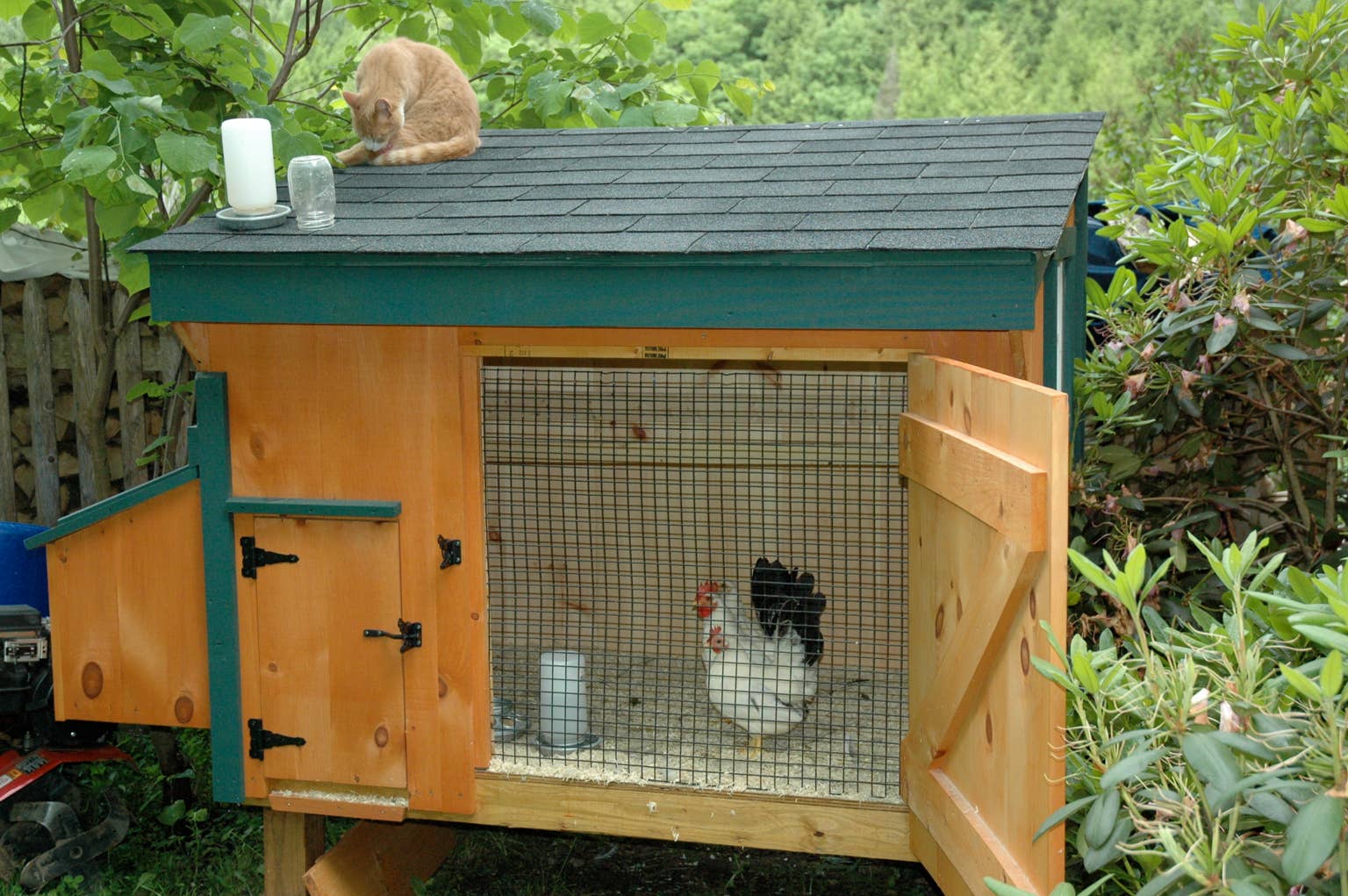
High vents and low vents play distinct roles in maintaining air quality inside the coop. High vents, located near the roof, allow hot air to escape, keeping the coop cool during warm months. Low vents help fresh air enter and circulate, especially important during colder months when you want to maintain warmth without compromising air quality.
Consider your local climate when deciding on the number of high and low vents. In warmer areas, you might need more high vents to facilitate heat escape. In colder regions, focus on low vents that can be easily adjusted to prevent too much heat loss.
Cross Ventilation Techniques
Cross ventilation is key to ensuring fresh air flows through every part of the coop. Position vents on opposite sides to create a natural airflow path. This method effectively removes moisture and ammonia build-up, which can harm your chickens’ health.
Think of your coop as a mini wind tunnel. Imagine standing in the middle of it and feeling a gentle breeze. That’s the goal with cross ventilation. It keeps the air fresh without the need for fans or other mechanical aids.
Avoiding Drafts On Birds
While ventilation is crucial, you must avoid direct drafts on your birds. Drafts can lead to respiratory issues and stress, particularly in colder weather. Ensure vents are positioned above roosting areas or angled to direct airflow away from where chickens rest.
Use baffles or shields to redirect air if necessary. Remember, your chickens should feel a gentle, indirect breeze, not a windstorm. This balance between airflow and draft prevention is critical for a healthy flock.
Have you ever felt the chill of a draft in your home? Your chickens feel it too. Protecting them from drafts while ensuring proper ventilation is a delicate dance. But with thoughtful vent placement, you can maintain a healthy environment that keeps your chickens clucking happily.
Credit: dengarden.com
Seasonal Ventilation Adjustments
Adjusting the ventilation in your chicken coop according to the season is key to keeping your flock healthy and comfortable. Too little airflow in winter can cause moisture buildup and respiratory issues. Too much ventilation in summer might make your chickens chilly or stressed. Finding the right balance lets you protect your birds year-round without extra hassle.
Winter Ventilation Tips
In cold months, you want to minimize drafts but still allow fresh air to prevent ammonia buildup. Close off large openings but keep small vents open near the roof. Warm air rises, so vents placed high help remove moisture without chilling your chickens.
- Use adjustable vent covers to control airflow as temperatures drop.
- Add straw or hay bedding to absorb moisture and provide insulation.
- Check regularly for condensation on walls or windows—this signals poor ventilation.
Have you noticed your chickens looking lethargic during winter? That might be a sign your coop needs better air circulation without exposing them to cold drafts.
Summer Cooling Strategies
Heat can stress chickens quickly, so increasing ventilation is crucial in summer. Open up more windows and vents to create cross-breezes inside the coop. Shade the coop to reduce direct sunlight heating the walls and roof.
- Install a fan if natural airflow isn’t enough to keep temperatures down.
- Use mesh screens to keep insects out while maximizing airflow.
- Consider adding a shallow water container inside to help cool the air through evaporation.
Think about how a hot, stuffy coop affects your flock’s egg production and health. Would your chickens benefit from a simple vent adjustment or a cooling device this summer?
Materials And Maintenance
Proper materials and regular maintenance are key to ensuring your chicken coop has the right ventilation without compromising safety or comfort. The choices you make on vent covers and upkeep routines directly affect airflow and the health of your flock. Let’s look at practical tips that have worked well in real coops and how you can prevent common issues.
Choosing Vent Covers
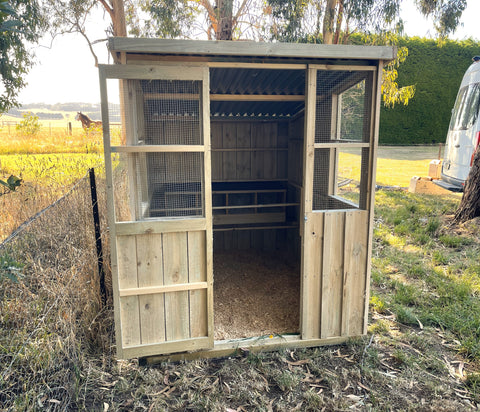
Vent covers need to allow fresh air in while keeping weather and predators out. Durable materials like hardware cloth with a 1/2 inch mesh size work best because they block pests but don’t restrict airflow.
Plastic or metal vent covers with adjustable openings can be handy. They let you control ventilation based on the season. I once installed sliding vent covers that made a huge difference during winter—my chickens stayed warm without suffocating air.
Consider covers that are easy to remove or open for cleaning and inspection. This saves you time and effort when maintaining your coop.
Cleaning And Upkeep
Regular cleaning keeps vents from clogging with dust, feathers, or cobwebs that reduce airflow. Check vents weekly, especially during dry seasons when dust builds up faster.
Use a soft brush or vacuum to clear debris gently. Avoid harsh chemicals that could harm your chickens or damage vent materials.
Inspect vent covers for rust, warping, or loose attachments. Small repairs prevent bigger problems like drafts or pest entry.
Preventing Pest Entry
Rodents and insects often enter through poorly maintained vents. Sealing gaps with weatherproof caulk or adding extra hardware cloth layers can block their access.
Keep vegetation trimmed around vents to reduce hiding spots for pests. I learned this after finding mice nests near an overgrown vent—clearing the area stopped the problem quickly.
Consider natural repellents like peppermint oil near vent openings to deter insects without chemicals.
Credit: talkinghens.com.au
Frequently Asked Questions
How Much Ventilation Does A Chicken Coop Need Daily?
A chicken coop needs continuous airflow to prevent moisture buildup and ammonia. Aim for about 1 square foot of ventilation per 10 square feet of coop space. Proper ventilation keeps chickens healthy and reduces respiratory issues.
Why Is Ventilation Important In A Chicken Coop?
Ventilation removes excess moisture, ammonia, and odors from the coop. It controls temperature and improves air quality. Good ventilation prevents respiratory diseases and keeps chickens comfortable year-round.
How To Improve Ventilation In A Small Chicken Coop?
Use adjustable vents or windows on opposite sides for cross ventilation. Add mesh-covered openings near the roof to release hot air. Avoid drafts directly on chickens to maintain warmth while ensuring fresh air flow.
Can Poor Ventilation Harm Chickens?
Yes, poor ventilation causes moisture buildup and ammonia accumulation. This leads to respiratory problems, heat stress, and weak immune systems. Proper airflow is critical for chicken health and egg production.
Conclusion
Good ventilation keeps chickens healthy and happy. Too little air causes moisture and bad smells. Too much wind can chill birds in winter. Aim for steady airflow without strong drafts. Use vents near the roof and walls. Check often to keep air fresh and dry.
Proper ventilation helps prevent diseases and keeps eggs clean. Remember, simple steps make a big difference. A well-ventilated coop supports your chickens every day.



