
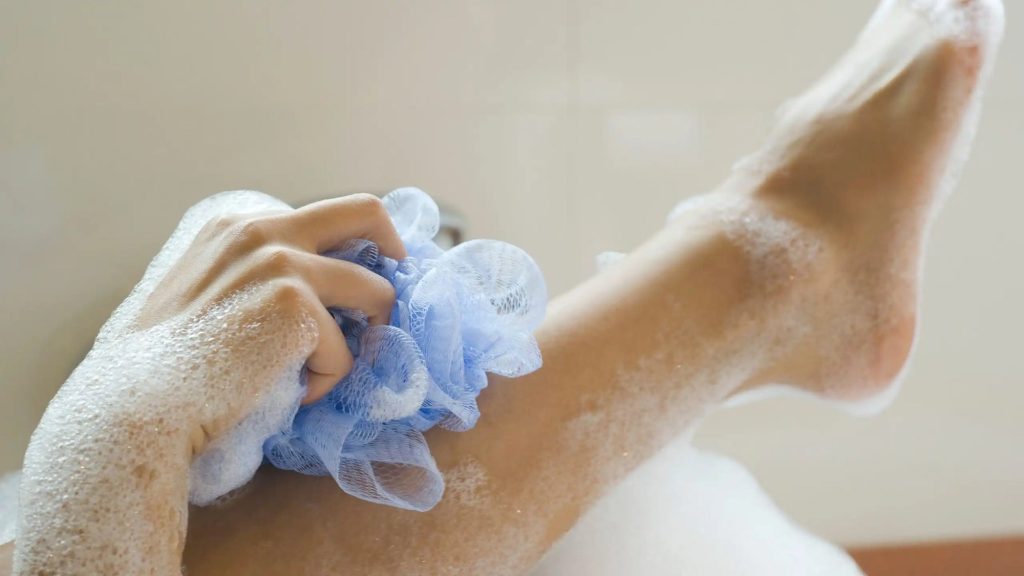
Have you ever stopped to think about how often you change your shower pouf? It might seem like a small detail, but your shower pouf can hide bacteria, mold, and dead skin if it’s used too long.
This can affect your skin’s health and the freshness of your shower routine. Knowing when to replace your pouf isn’t just about cleanliness—it’s about protecting your skin and feeling great every time you step out of the shower. Keep reading to find out the simple steps you can take to keep your shower pouf fresh and safe for your skin.
Credit: health.clevelandclinic.org
Why Change Your Shower Pouf
Changing your shower pouf regularly is more important than you might think. It’s not just about keeping your bathroom tidy; it directly affects your skin and overall hygiene. Let’s break down why you should make it a habit to replace your shower pouf often.
Bacteria And Mold Growth
Shower poufs stay damp for long periods, creating the perfect environment for bacteria and mold to thrive. These microorganisms can multiply quickly, especially in warm and moist conditions. Have you noticed a strange smell from your pouf? That’s a sign bacteria or mold may be growing.
Using a pouf loaded with bacteria can transfer germs to your skin, increasing the risk of infections. Cleaning it alone won’t always solve the problem since some bacteria hide deep in the fibers. Changing your pouf regularly helps keep these harmful microbes at bay.
Skin Health Impact
Your skin is sensitive and reacts to what you put on it. A dirty or old shower pouf can cause irritation, redness, or even breakouts. I once ignored changing my pouf for months and ended up with itchy patches and clogged pores.
When you use a fresh pouf, it exfoliates gently without damaging your skin. It removes dead skin cells and helps your cleanser work better. Don’t you want your skin to look and feel its best every day?
Material Degradation
Over time, shower poufs lose their shape and texture. The material starts to break down, becoming less effective at cleaning and exfoliating. Have you noticed your pouf becoming rough or falling apart? That’s a clear signal it’s time for a new one.
Worn-out poufs can also trap more dirt and bacteria than clean ones. Investing in a fresh pouf ensures you’re getting the best results from your shower routine. It’s a simple change that makes a big difference.

Credit: ca.style.yahoo.com
Recommended Replacement Frequency
Knowing how often to change your shower pouf helps keep your skin clean and healthy. Shower poufs collect dead skin, soap residue, and moisture. This environment can grow bacteria and mold over time. Changing your pouf regularly prevents skin irritation and infections.
General Guidelines
Replace your shower pouf every 3 to 4 weeks. This timeframe reduces the risk of bacteria buildup. Using a pouf longer than one month can cause skin problems. Some people may need to change it sooner, based on usage and care.
Factors Influencing Replacement
- Frequency of use: Daily users need to replace poufs more often.
- Moisture: A pouf that stays wet longer can grow mold faster.
- Material quality: Natural fibers may need more frequent replacement than synthetic ones.
- Storage: Keeping your pouf in a dry, well-ventilated area helps it last longer.
Signs It’s Time To Replace
- Visible mold or mildew spots on the pouf.
- An unpleasant or sour smell coming from it.
- The pouf feels slimy or sticky after rinsing.
- Fraying or tearing of the material.
- Loss of shape or softness, making it less effective.
Proper Care To Extend Life
Shower poufs should be replaced every three to four weeks to stay clean and fresh. Frequent changes help prevent bacteria buildup and skin irritation. Proper care keeps your shower pouf safe and lasts longer.
Proper care for your shower pouf not only helps maintain its cleanliness but also extends its life, saving you time and money. It’s surprising how a few simple habits can significantly improve the longevity of your pouf. Let’s dive into some practical tips that can make a real difference.Rinsing And Drying Techniques
Rinse your shower pouf thoroughly after each use. This helps remove soap and residue that can lead to mold or mildew. Shake out excess water and hang it in a well-ventilated area to dry. Avoid leaving it in a damp shower. Proper drying minimizes bacterial growth, keeping your pouf fresh and safe for longer.Cleaning Methods
Regular cleaning is crucial. Once a week, soak your pouf in a mixture of water and white vinegar for about 15 minutes. This natural disinfectant helps eliminate germs. Alternatively, you can toss it in the washing machine on a gentle cycle. Just remember to place it in a mesh laundry bag for protection.Storage Tips
Store your pouf where it can dry completely between uses. Hanging it in your shower might not be enough if the area stays damp. Consider using a small hook or hanger in a dry, airy spot. This ensures your pouf is ready for use and free from unwanted bacteria. Are there other shower accessories you care for diligently? Share your thoughts and tips!Choosing The Right Shower Pouf
Choosing the right shower pouf is important for skin care and cleanliness. The right pouf can help exfoliate your skin gently while creating a rich lather. It also affects how often you should replace it to avoid bacteria buildup. Understanding materials, durability, and eco-friendly options helps you pick the best one for your needs.
Material Types
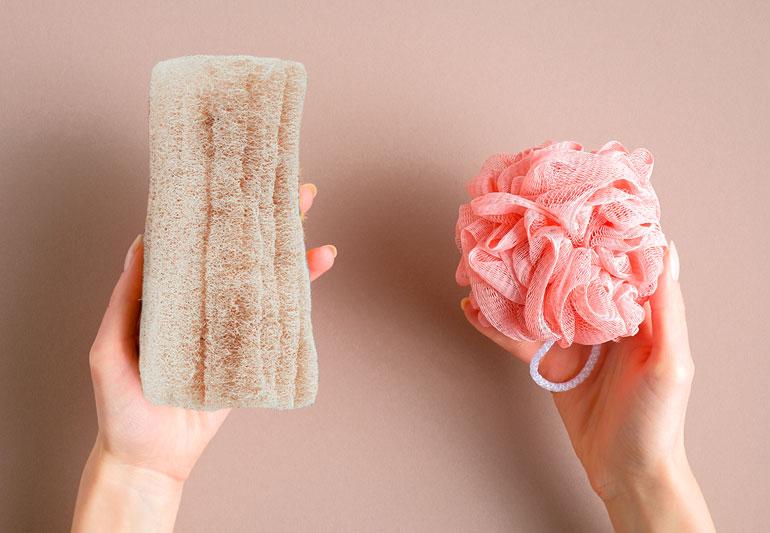
Shower poufs come in various materials. Nylon is common and creates good foam. Mesh poufs dry quickly but may wear out fast. Some poufs use natural fibers like sisal or cotton. These are softer and biodegradable. Choose a material that suits your skin type and comfort.
Durability And Hygiene
Durability affects how long a pouf lasts. Synthetic materials last longer but can trap moisture. This may cause mold or bacteria growth. Natural fibers break down faster but dry quickly. Clean your pouf regularly and replace it every 3 to 4 weeks. This keeps your skin healthy and avoids bad odors.
Eco-friendly Options
Eco-friendly poufs help reduce plastic waste. Look for biodegradable or compostable materials. Bamboo and cotton poufs are good choices. They decompose naturally and avoid pollution. Some brands offer poufs made from recycled materials. Choosing green options supports a cleaner planet.
Alternatives To Shower Poufs
Shower poufs offer a soft, bubbly cleanse but need frequent replacing. Many prefer alternatives for hygiene, durability, or skin sensitivity. Several options work well for daily washing. They also vary in texture and care needs.
Washcloths And Sponges
Washcloths are simple and easy to clean. They dry quickly, reducing bacteria growth. Sponges provide gentle exfoliation and absorb soap well. Both can be washed in a machine for reuse. Choose natural fibers for a softer feel on skin.
Silicone Scrubbers
Silicone scrubbers resist mold and dry fast. Their soft bristles gently remove dirt without scratching. They last longer than fabric options and are easy to clean. Silicone is ideal for those with sensitive or acne-prone skin.
Exfoliating Gloves
Exfoliating gloves fit snugly for precise scrubbing. They improve blood flow and remove dead skin effectively. Made from textured fabric, they offer stronger exfoliation than poufs. Gloves dry quickly and can be machine washed often.
Credit: rawsugarliving.com
Frequently Asked Questions
How Often Should I Replace My Shower Pouf?
Replace your shower pouf every 3 to 4 weeks to avoid bacteria buildup. Regular replacement keeps your skin healthy and prevents infections.
Can I Clean And Reuse A Shower Pouf?
Yes, you can clean your pouf weekly with hot water and vinegar. However, frequent cleaning may not remove all bacteria, so replace it regularly.
What Are Signs My Shower Pouf Needs Changing?
Look for discoloration, foul smell, or mold growth. These signs mean bacteria has accumulated, and it’s time to change your pouf immediately.
Does A Wet Shower Pouf Breed Bacteria Faster?
Yes, damp environments promote bacterial growth. Always hang your pouf to dry after use to reduce bacteria and extend its lifespan.
Conclusion
Changing your shower pouf regularly keeps it clean and safe. Aim to replace it every three to four weeks. Wet, warm places let bacteria grow fast. Using a fresh pouf helps avoid skin irritation and germs. Rinse it well after each use and let it dry.
Small steps protect your skin health. Clean habits make showers more pleasant and safe. Keep your pouf fresh for a better bathing experience. Simple care matters a lot.



