
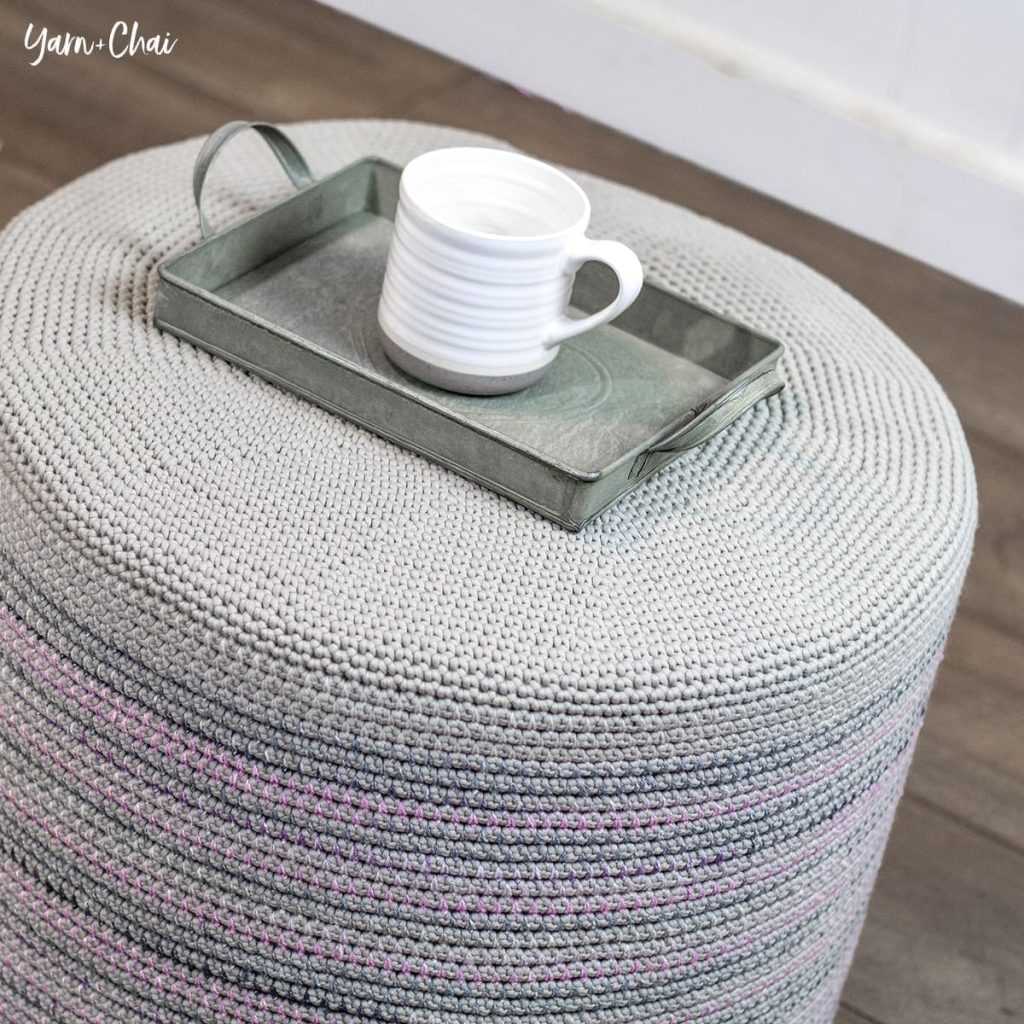
Are you tired of your pouf ottoman looking worn out or out of style? Making a slipcover for your pouf ottoman is an easy way to give it a fresh new look without spending a lot of money.
Imagine transforming your space with just a few simple steps and some fabric you love. In this guide, you’ll discover how to create a perfect slipcover that fits your pouf like a glove. Keep reading, and you’ll learn how to breathe new life into your furniture and make your room feel cozy and stylish—all by yourself!
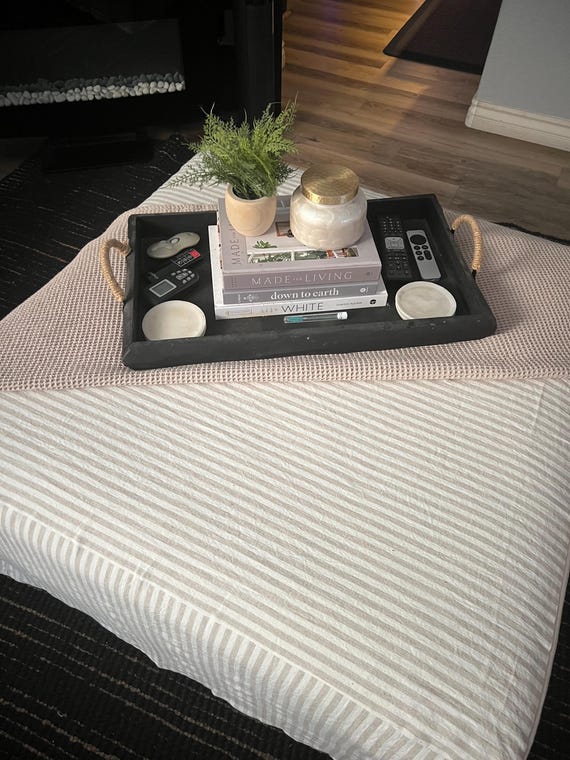
Credit: www.etsy.com
Materials Needed
Gathering the right materials is key to making a slipcover for your pouf ottoman. Choosing quality supplies ensures a good fit and lasting use. Prepare everything before starting to sew for a smooth process.
Fabric Choices
Pick a fabric that matches your room style and use. Cotton and linen are soft and easy to sew. Canvas and denim offer durability and a casual look. Consider stretch fabrics for snug fits. Choose colors and patterns that complement your decor.
Measuring Tools
Accurate measurements make the slipcover fit perfectly. Use a flexible measuring tape for curves and round shapes. A ruler or yardstick helps with straight edges. Mark fabric with tailor’s chalk or a fabric marker to guide cutting.
Sewing Supplies
Basic sewing tools include needles, thread, and pins. A sewing machine speeds up the process and gives strong seams. Scissors designed for fabric cut smoothly. Use safety pins or clips to hold pieces while sewing. A seam ripper helps fix mistakes quickly.
Measuring Your Pouf Ottoman
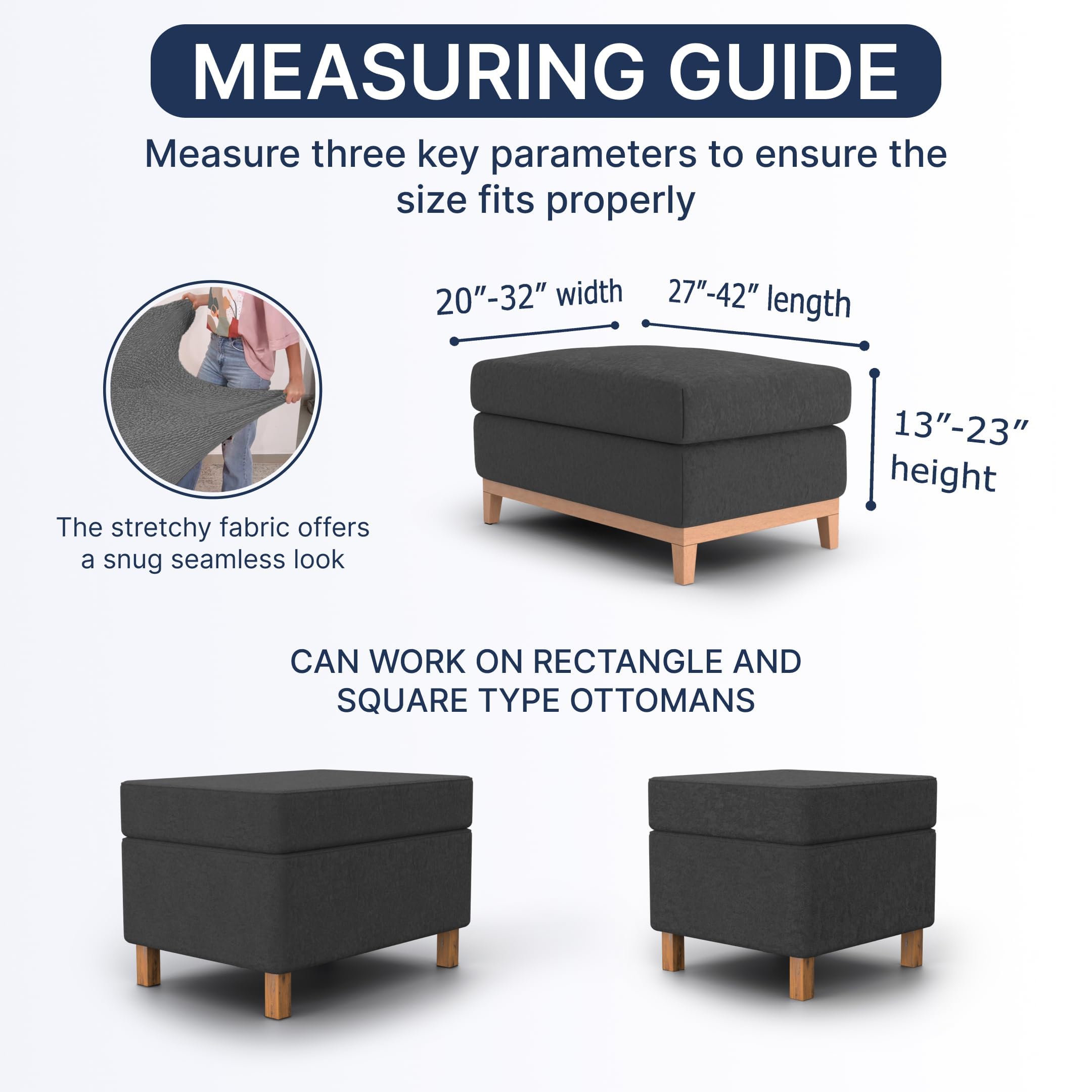
Measuring your pouf ottoman accurately is the foundation for a perfect slipcover fit. Skipping or rushing through this step can lead to a loose or tight cover that won’t look or feel right. Taking precise measurements ensures your fabric hugs the ottoman smoothly and highlights your room’s style beautifully.
Height And Width
Start by measuring the height of your pouf ottoman from the floor to the top edge. This tells you how long the slipcover needs to be on the sides. Then, measure the width across the pouf’s widest part to understand how broad the cover should be.
Double-check these numbers. Imagine your slipcover sliding off if the height is too short or bunching if the width is too narrow. Having this exact info helps you choose or cut fabric confidently.
Circumference
Next, wrap a measuring tape around the pouf to get its circumference. This measurement is crucial if your pouf is round or oval. It shows how much fabric you’ll need to cover the sides completely without gaps.
Think of the circumference as the “belt” of your slipcover. If it’s off, your cover could look awkward and uncomfortable. Tape measures with flexible fabric edges work best here, making it easier to follow curves.
Top And Bottom Dimensions
Finally, measure the top and bottom surfaces separately. The top is usually flat or slightly rounded, so measure its length and width or diameter for circular shapes. The bottom may be smaller or equal, so note its dimensions carefully too.
Knowing these sizes helps you design a slipcover that fits snugly on top and stays secure underneath. It also allows you to plan seams and hems that won’t create excess fabric or tight spots.
Cutting The Fabric
Measure the pouf ottoman carefully before cutting the fabric. Cut the fabric with sharp scissors, leaving extra for seams and fitting. Ensure smooth, even edges for a neat slipcover.
Cutting the fabric is a crucial step in crafting a slipcover for your pouf ottoman. It’s where your vision begins to take shape, transforming the raw material into something that fits perfectly over your furniture. With precision and care, this stage sets the foundation for a flawless finish, ensuring your slipcover not only looks great but also lasts.Creating The Pattern
Creating a pattern is like drawing a map for your fabric journey. Begin by measuring each section of your pouf ottoman. Write down these measurements carefully. Lay out your fabric and mark these dimensions, allowing you to visualize how each piece will come together. Don’t rush this part. A well-crafted pattern means fewer adjustments later.Adding Seam Allowances
Seam allowances are your safety net. Add an extra inch around each edge of your pattern pieces. This will give you room to sew without losing the intended fit. Trust me, there’s nothing more frustrating than a slipcover that’s too tight. This small addition can save you from unnecessary do-overs.Cutting Tips
A sharp pair of scissors is your best friend here. Dull blades can create jagged edges, which might fray over time. Use weights to hold your fabric steady while cutting. This ensures your lines are clean and accurate. Have you ever thought about using a rotary cutter? It’s a game-changer for straight cuts, especially on long fabric lengths. Just ensure you have a cutting mat underneath to protect your surfaces. Each cut is a step closer to seeing your project come to life. Are you excited to see how your pouf ottoman transforms with its new slipcover?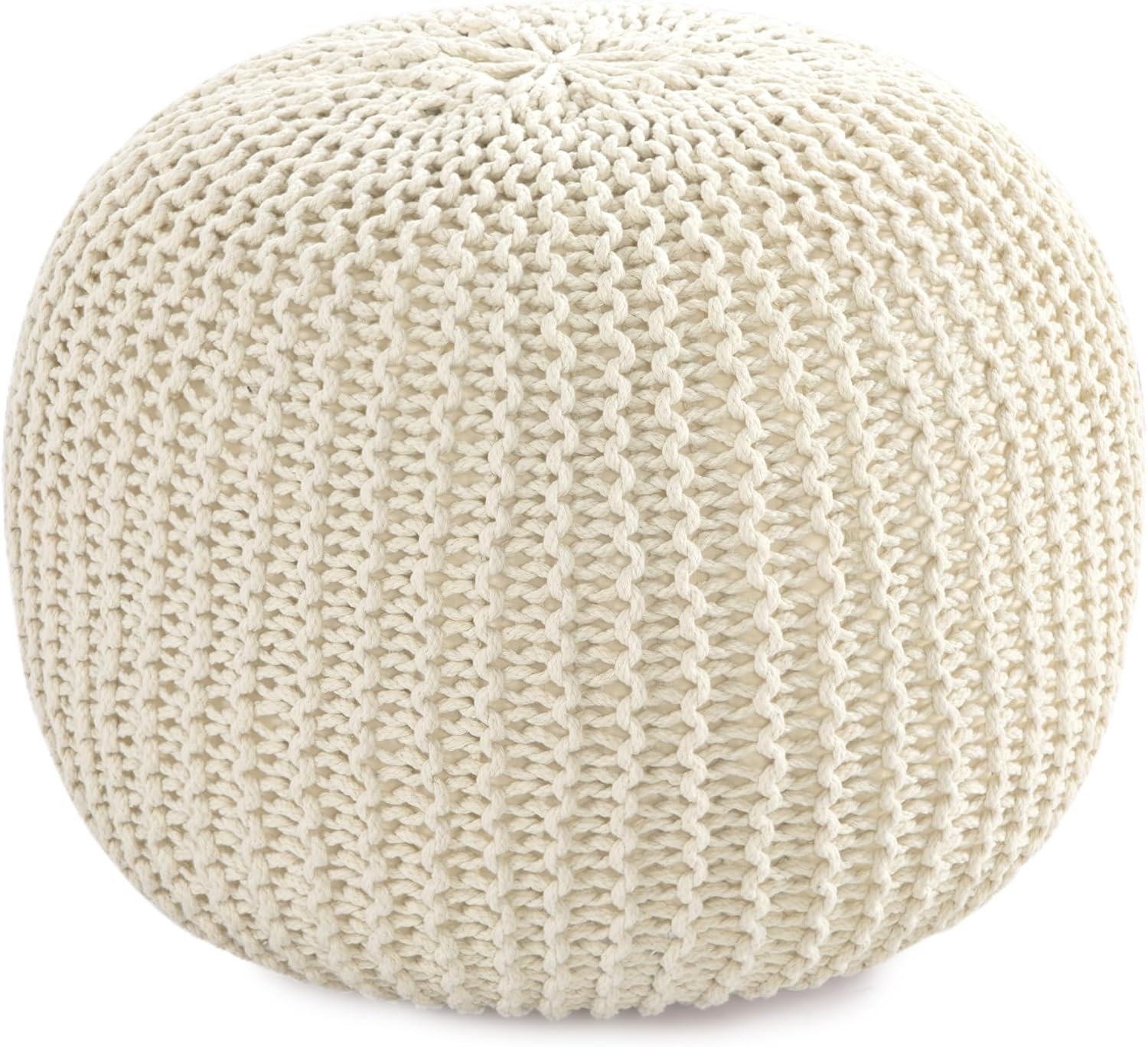
Credit: bexcodeservices.com
Sewing The Slipcover
Sewing the slipcover is the key step in giving your pouf ottoman a fresh new look. It turns fabric pieces into a perfect fit around your ottoman. Careful sewing ensures the cover looks neat and lasts long. Follow these simple sewing tips to create a slipcover that fits well and feels comfortable.
Joining Fabric Pieces
Start by aligning the fabric pieces with right sides facing each other. Pin the edges to hold them in place. Use a straight stitch to sew along the pinned edges. Leave a small seam allowance of about half an inch. Press the seams open with an iron to keep them flat. This step shapes the slipcover to match your ottoman’s form.
Sewing Seams
Sew the seams slowly to avoid mistakes. Keep the fabric smooth to prevent puckering. Use a backstitch at the beginning and end of each seam for strength. Trim any excess fabric close to the seam to reduce bulk. Press the seams again for a clean, professional look. Strong seams help the slipcover hold its shape and last through use.
Adding Zippers Or Closures
Zippers make it easy to remove the slipcover for cleaning. Choose a zipper that matches the fabric color. Pin the zipper along the opening edge with the teeth facing down. Sew the zipper carefully using a zipper foot on your machine. For a simpler option, use Velcro or buttons as closures. Secure closures keep the cover snug and easy to take off.
Fitting The Slipcover
Fitting the slipcover on your pouf ottoman is where your hard work starts to show. This step ensures the cover looks tailored and feels comfortable to use. A well-fitted slipcover can transform a plain ottoman into a stylish statement piece in your room.
Placing On The Ottoman
Begin by gently draping the slipcover over your pouf ottoman. Take care to align the seams with the edges of the ottoman for a clean look. Smooth out any major folds or wrinkles by hand, ensuring the fabric settles evenly all around.
Don’t rush this part—taking time now saves you from having to redo later. It helps to lift the ottoman slightly while positioning the cover, so the fabric falls naturally without bunching.
Adjusting Fit
Once the slipcover is on, focus on adjusting the fit. Pull the fabric snugly over the corners and edges to reveal the ottoman’s shape beneath. If your slipcover has elastic or ties, secure them tightly to prevent slipping.
Check for any loose areas or sagging fabric. You might need to tuck excess material into the creases or seams. This step often requires patience—small adjustments can make a big difference in appearance.
Final Touches
After achieving a smooth fit, inspect the slipcover from every angle. Use a lint roller or brush to remove any dust or lint, giving it a fresh look. Adding a decorative throw pillow or a cozy blanket on top can enhance the overall appeal.
Have you considered how the slipcover’s texture and color interact with your room’s decor? Small details like these complete the makeover and make your pouf ottoman a cozy centerpiece.
Care And Maintenance
Keeping your pouf ottoman slipcover looking fresh and new requires some attention and care. Proper maintenance not only extends the life of the fabric but also keeps your space inviting. Let’s dive into simple, effective ways to clean and care for your slipcover that anyone can manage.
Cleaning Instructions
Start by checking the fabric label for any specific washing guidelines. Most slipcovers can be machine washed on a gentle cycle with cold water. Avoid using bleach, as it can weaken the fibers and cause discoloration.
If your slipcover is too large or delicate for the machine, spot cleaning works wonders. Use a mild detergent mixed with water and dab the stain gently with a clean cloth. Rinse with a damp cloth and let it air dry completely before putting it back on your pouf.
Have you ever noticed how regular washing keeps your slipcover softer and less prone to wrinkles? It’s true—clean fabrics breathe better and feel more comfortable.
Fabric Care Tips
Think about how you use your pouf. If it’s in a high-traffic area, consider rotating the slipcover occasionally to prevent uneven wear. This small step can keep the fabric looking uniform longer.
Protect your slipcover from direct sunlight to avoid fading. If you live in a sunny spot, try closing curtains during peak hours or moving your ottoman periodically.
Using fabric protectors or stain repellents can also be a smart move. Just test on a small hidden area first to ensure it doesn’t alter the color or texture.
Have you tried refreshing your slipcover by steaming it? Steaming not only removes wrinkles but also kills bacteria and dust mites without harsh chemicals.
Creative Design Ideas
Creative design ideas can turn a simple slipcover for your pouf ottoman into a standout piece in your living space. Your choices in patterns, colors, and decorative touches speak volumes about your style. This is your chance to make the ottoman uniquely yours while protecting it from wear and tear.
Using Patterns And Colors
Think about the room where your pouf ottoman will live. Are the walls bright or neutral? Matching or contrasting colors can either blend the ottoman into the space or make it a focal point.
Patterns add personality. Stripes bring a modern edge, florals offer softness, and geometric shapes provide a trendy vibe. Don’t hesitate to mix patterns if you want a bold look—just keep the color palette consistent to avoid chaos.
- Use bold colors like navy or emerald for a striking statement.
- Soft pastels can create a calm, cozy feel.
- Neutral tones work well if you want versatility and easy coordination.
Have you ever noticed how a pop of unexpected color changes the entire mood of a room? Your slipcover can do exactly that.
Adding Decorative Elements
Little details can elevate your slipcover from plain to personalized. Think about sewing on buttons, adding piping, or attaching tassels to corners. These elements add texture and charm without overwhelming the design.
Consider practical decorative ideas too. Pockets can be sewn onto the sides to hold remotes or magazines, making your ottoman multi-functional.
- Try fabric appliqués for a playful or artistic touch.
- Use contrasting thread for visible stitching that adds character.
- Attach ribbons or lace for a vintage or shabby-chic vibe.
What small detail can you add that reflects your personality or meets a need in your daily life? Sometimes the simplest additions make the biggest difference.
Credit: www.amazon.ca
Frequently Asked Questions
What Materials Are Needed To Make A Pouf Ottoman Slipcover?
You need fabric, scissors, measuring tape, sewing machine, pins, and thread. Choose durable, washable fabric for easy maintenance. These materials ensure a snug and lasting slipcover fit for your pouf ottoman.
How Do I Measure My Pouf For A Slipcover?
Measure the pouf’s height, width, and circumference accurately. Use a flexible tape to capture curves. Proper measurements ensure the slipcover fits perfectly without excess fabric or tightness.
Can I Use Any Fabric For A Pouf Slipcover?
Yes, but choose fabrics that are durable, washable, and stretch slightly. Cotton, linen, or upholstery fabric works best. Avoid slippery or delicate materials to ensure longevity and ease of use.
How Do I Sew A Slipcover For A Pouf Ottoman?
Cut fabric pieces based on measurements, pin edges together, and sew with a straight stitch. Leave an opening for inserting the pouf. Finish edges with a hem for a clean look.
Conclusion
Making a slipcover for your pouf ottoman is simple and fun. You can change its look anytime you want. Just follow the steps carefully and use the right materials. A good fit makes your pouf look neat and fresh. This project saves money and lets you be creative.
Try different fabrics and colors to match your room. Enjoy your new, cozy pouf with a custom slipcover. Easy, quick, and useful. Give your space a fresh touch today!



