
Have you ever stepped into your home and felt a bit of stuffiness or an odd smell lingering in the air? That feeling might be telling you something important about your indoor air quality.
How often should you air out your house to keep your space fresh, healthy, and comfortable? Getting this right can make a big difference in your well-being and even boost your mood. You’ll discover simple, practical tips on when and how to let fresh air into your home.
Keep reading—you’ll want to know these easy steps to breathe easier every day.

Credit: www.mrfurnaceheating.ca
Benefits Of Airing Out Your Home
Airing out your home regularly brings many health and comfort benefits. It helps keep the air fresh and clean inside your living space. Proper ventilation supports a healthier environment for you and your family.
Improving Indoor Air Quality
Opening windows allows fresh air to enter your home. It removes stale air and harmful gases. This exchange reduces odors and keeps the air light. Good air quality can boost your mood and focus.
Reducing Allergens And Pollutants
Dust, pet dander, and pollen build up indoors over time. Airing out helps clear these allergens from the air. It lowers the chance of allergy symptoms and breathing problems. This simple step creates a cleaner, safer space.
Controlling Moisture And Mold
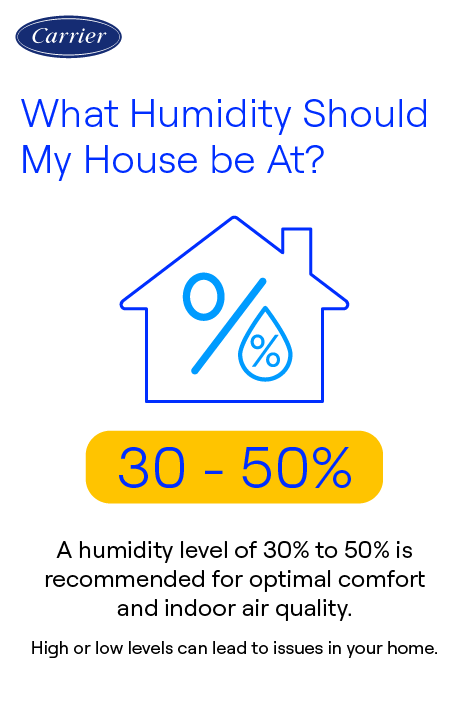
Moisture trapped inside can cause mold and mildew growth. Ventilation controls humidity by letting moisture escape. It protects your walls, furniture, and health. Dry air reduces the risk of mold-related allergies and damage.
Ideal Frequency For Ventilation
Knowing the ideal frequency for ventilation helps keep your home fresh and healthy. Proper airing removes stale air and reduces moisture. It also helps prevent mold and improves indoor air quality. The right timing depends on daily habits, seasonal changes, and weather.
Daily Airing Practices
Open windows for 10 to 15 minutes each day. This short time lets fresh air circulate without losing too much heat. Focus on rooms where people spend most time, like living rooms and bedrooms. Airing daily controls odors and reduces indoor pollutants.
Seasonal Adjustments
Adjust airing frequency with the seasons. In spring and fall, open windows more often because outdoor air is mild. In winter, limit airing to short bursts to keep warmth inside. Summer airing depends on temperature and humidity levels. Change airing habits to match the season’s needs.
Impact Of Weather Conditions
Weather affects how often to air out your house. On dry, sunny days, open windows longer to bring in fresh air. Avoid airing during rain or strong winds to keep inside dry and comfortable. Cold weather calls for brief airing to prevent heat loss. Pay attention to outdoor conditions before airing.
Best Times To Open Windows
Knowing the best times to open your windows can make a big difference in improving the air quality inside your home. Timing matters because outdoor air quality, temperature, and humidity change throughout the day. Opening windows at the right moments helps you bring in fresh air without letting in pollutants or extreme weather conditions.
Morning Ventilation
Early mornings are often ideal for airing out your home. The air tends to be cooler and fresher, with lower levels of pollution and allergens. Opening your windows for 15-30 minutes after waking up can help flush out stale indoor air and boost your mood for the day.
Try this: open windows on opposite sides of your house to create a cross breeze. This simple trick speeds up ventilation and feels refreshing.
Evening Fresh Air
Evenings can be another good time to let fresh air in, especially after the sun goes down and temperatures drop. Cooler air helps reduce indoor heat buildup from the day. It’s also a chance to clear out odors from cooking or daily activities before bedtime.
However, if you live in a noisy area or near busy streets, consider how outside sounds might affect your sleep. You might want to open windows earlier in the evening or use screens to keep insects out.
Avoiding Peak Pollution Hours
Opening windows during peak pollution times can bring harmful particles indoors. Traffic and industrial activity usually spike in the late morning and early evening. Try to avoid airing out your home during these hours to keep your indoor air cleaner.
Check local air quality reports or apps that show pollution levels throughout the day. This helps you choose safer times to open windows. Have you noticed certain times when the air outside feels heavy or smells different? That’s a good signal to close your windows until it clears up.

Credit: thunder1320.com
Effective Ventilation Techniques
Effective ventilation techniques play a crucial role in keeping your indoor air fresh and healthy. You don’t have to rely solely on opening windows; there are smart ways to move stale air out and bring fresh air in. Understanding how to use different ventilation strategies can make a big difference in your home’s comfort and air quality.
Cross-ventilation Methods
Cross-ventilation works by creating a natural airflow through your home. Open windows or vents on opposite sides of a room or house to allow fresh air to enter from one side and push stale air out the other.
This technique can cool down your space without turning on the AC. Have you noticed how a breeze feels more refreshing when it passes straight through your room? That’s cross-ventilation in action.
Using Exhaust Fans
Exhaust fans are essential in areas where moisture and odors build up quickly, like kitchens and bathrooms. These fans pull out humid or smelly air, preventing mold and mildew growth.
Installing exhaust fans is a practical way to improve air quality without relying on open windows, especially during extreme weather. Think about the last time you cooked a strong-smelling meal—an exhaust fan helps keep those smells from lingering.
Incorporating Air Purifiers
Air purifiers complement ventilation by trapping dust, allergens, and pollutants that windows and fans can’t remove. They are particularly useful if you live in an area with high pollution or have allergies.
Using an air purifier alongside regular airing out can dramatically improve the air you breathe indoors. Have you tried running a purifier on days when you can’t open the windows? It can make a noticeable difference.
Special Considerations For Different Rooms
Different rooms in your house have unique needs when it comes to airing out. Some spaces trap moisture or odors more than others, so understanding these differences helps you keep your home fresh and healthy. Let’s look at how often you should air out specific rooms and what special care they require.
Kitchens And Bathrooms
Kitchens and bathrooms need frequent airing because they generate a lot of moisture and odors. You should aim to open windows or use exhaust fans every day, especially after cooking or showering.
Moisture buildup can lead to mold growth in these areas. If you notice damp walls or a musty smell, increase ventilation immediately. You might also want to wipe down surfaces regularly to prevent mildew.
Bedrooms And Living Areas
Bedrooms and living areas benefit from daily fresh air, but airing them out once or twice a day is usually enough. Morning is a great time to open windows to replace stale indoor air with fresh outdoor air.
Think about your own experience—does a quick morning air-out help you feel more energized? These rooms often hold dust and allergens, so regular airing reduces irritants and improves sleep quality.
Basements And Attics
Basements and attics are prone to dampness and poor airflow, so airing them out can be tricky but necessary. Aim to air these spaces at least once a week, or more if you notice musty smells or damp spots.
Since these areas are less used, you might overlook them, but moisture here can affect the whole house. Consider using a dehumidifier alongside opening windows to keep these spaces dry and fresh.
Signs Your Home Needs More Airing
Recognizing when your home needs more fresh air is crucial. Poor air quality affects comfort and health. Look for specific signs indicating the need for better ventilation.
Persistent Odors
Unpleasant smells linger in poorly ventilated spaces. Stale air traps odors from cooking, pets, or smoke. If these scents don’t fade, it’s a sign your home needs airing.
Excess Humidity
High humidity levels lead to mold and mildew growth. Windows fogging up is a clear indicator. Ensure your home stays dry to prevent dampness-related issues.
Allergy Flare-ups
Allergens accumulate in unventilated homes, aggravating allergies. Dust, pet dander, and pollen become trapped indoors. Regular airing reduces these irritants, easing symptoms.
Tips For Maintaining Healthy Indoor Air Year-round
Maintaining healthy indoor air is important throughout the year. Clean air helps you breathe better and feel good at home. Simple habits can make a big difference in air quality. Here are some easy tips to keep your indoor air fresh and healthy all year long.
Regular Cleaning Habits
Dust and dirt build up quickly and harm air quality. Clean your home often to reduce allergens and particles. Use a vacuum with a HEPA filter to trap tiny dust. Wipe surfaces with a damp cloth to catch dust without spreading it. Wash bedding and curtains regularly to remove dust mites. Keep clutter low to stop dust from collecting. Clean air vents and replace filters in heating or cooling systems on time.
Houseplants For Air Quality
Houseplants add beauty and improve indoor air. They absorb carbon dioxide and release oxygen. Some plants also remove toxins from the air. Good choices include spider plants, snake plants, and pothos. Place plants in rooms you use most to enjoy fresher air. Water plants properly to avoid mold growth. Avoid overwatering to keep plants healthy and air clean.
Managing Indoor Pollutants
Pollutants come from cooking, cleaning, and furniture. Use natural cleaning products to reduce chemicals in the air. Avoid smoking indoors to protect your family’s lungs. Ventilate the kitchen with a fan or open window when cooking. Store paints, solvents, and other chemicals outside living areas. Use exhaust fans in bathrooms to remove moisture and odors. Check for mold and fix leaks quickly to stop mold growth.
Credit: bruceinc.com
Frequently Asked Questions
How Often Should I Air Out My House Daily?
You should air out your house at least twice daily. Morning and evening ventilation helps remove stale air. It improves indoor air quality and reduces humidity. Regular airing prevents mold and allergens buildup effectively.
What Are The Best Times To Air Out Your House?
The best times to air out your house are early morning and late evening. During these times, outdoor air is cooler and less polluted. This ensures fresh air circulates without bringing in too much heat or allergens.
Does Airing Out Help Reduce Indoor Allergens?
Yes, airing out your house helps reduce indoor allergens. It flushes out dust, pet dander, and pollen trapped inside. Proper ventilation lowers allergen concentration and improves breathing comfort for allergy sufferers.
Can Airing Out Prevent Mold Growth Indoors?
Regularly airing out your house prevents mold growth. Ventilation reduces excess moisture and humidity, conditions mold needs to thrive. Keeping air moving and dry protects walls, furniture, and health from mold damage.
Conclusion
Air out your house regularly to keep fresh air inside. Open windows for about 10 to 30 minutes daily. This helps remove dust, moisture, and bad smells. Good airflow can improve your health and comfort. Adjust airing times based on weather and season.
Avoid letting your home stay closed for too long. Fresh air makes your home feel cleaner and brighter. Simple habits like this protect your space and family well. Remember, small steps bring big benefits to your indoor air quality.



