
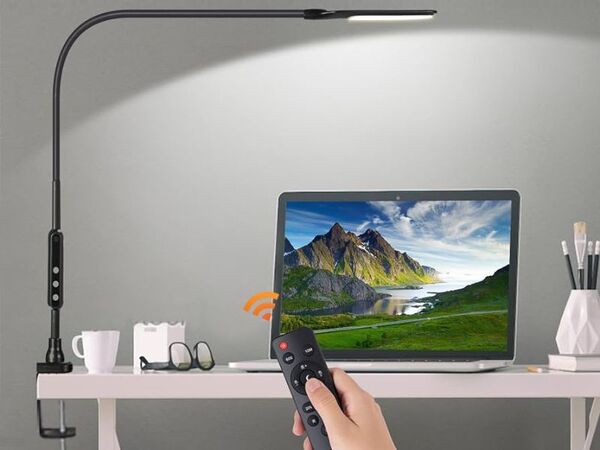
Are you struggling to find the perfect spot for your desk lamp? The right position can change everything—reducing eye strain, boosting your focus, and making your workspace feel inviting.
But where exactly should your desk lamp go to give you the best light without glare or shadows? Keep reading, and you’ll discover simple, smart tips to position your lamp just right. Your eyes and productivity will thank you.
Choosing The Right Desk Lamp
Choosing the right desk lamp can transform your workspace from dull to dynamic. The right lamp not only lights up your desk but also protects your eyes and boosts your productivity. Think about how you use your desk: reading, writing, crafting, or working on a computer. Each activity demands a different kind of lighting setup.
Types Of Desk Lamps
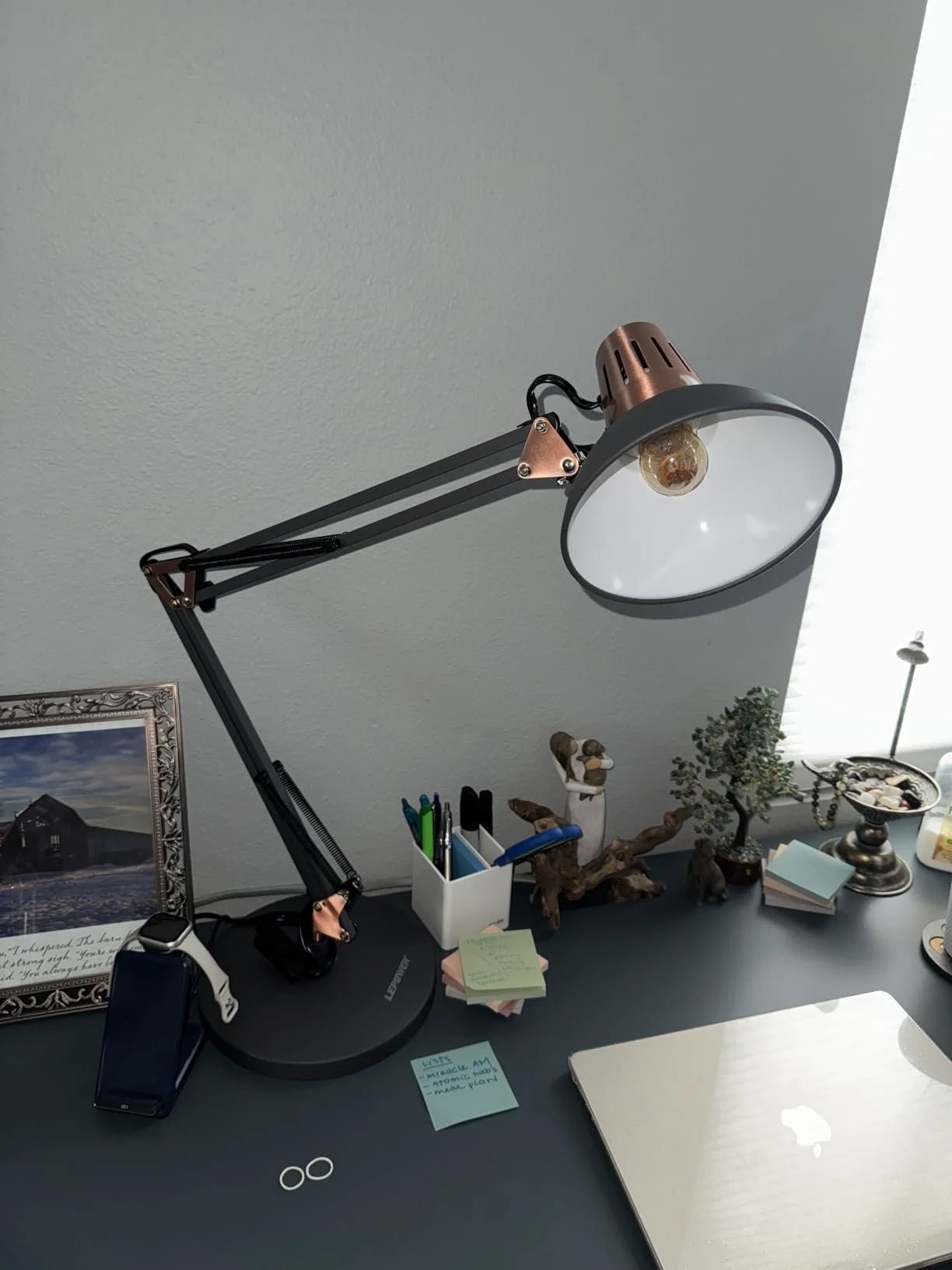
Desk lamps come in many shapes and functions. Adjustable arm lamps offer flexibility, allowing you to direct light exactly where you need it. Clip-on lamps are perfect if you have limited space or want to attach lighting to a shelf or the edge of your desk.
Consider LED lamps, which provide bright light without heating up, ideal for long hours. Traditional incandescent lamps may give a softer glow but can strain your eyes after extended use. Have you tried switching between lamp types to see which feels best for your eyes?
Brightness And Color Temperature
Brightness is measured in lumens, and your desk lamp should provide enough light without glare. A range of 450 to 800 lumens works well for most desk tasks. If you work late into the evening, adjustable brightness levels can help you avoid eye strain as natural light fades.
Color temperature affects how the light feels. Warmer light (around 2700K) creates a cozy atmosphere, while cooler light (5000K or higher) mimics daylight and helps you stay alert. If you switch between creative work and computer tasks, a lamp with adjustable color temperature can be a game-changer.
Lamp Size And Style
The size of your desk lamp should match your workspace. A large lamp with a wide base can take up valuable desk area, while a compact lamp might not provide enough coverage. Think about the scale of your desk and the space around it before picking your lamp.
Style matters too, especially if your desk is part of a visible area. A sleek, modern lamp can complement a minimalist desk setup, while a vintage-style lamp adds character to a traditional space. What style will keep you motivated every time you sit down to work?

Credit: www.amazon.ca
Ideal Desk Lamp Placement
Ideal desk lamp placement helps reduce eye strain and improve focus. Proper positioning ensures light covers your work area evenly. It also prevents shadows that can distract or cause discomfort. Adjusting your lamp based on your dominant hand optimizes your workspace. Height and angle play a crucial role in directing light exactly where you need it.
Position For Right-handed Users
Place the lamp on the left side of the desk. This setup keeps shadows off your writing or working area. It prevents your hand from blocking the light as you work. Position the lamp close enough to illuminate your workspace fully. Avoid placing it too far away, which causes dim lighting.
Position For Left-handed Users
Put the lamp on the right side of the desk for left-handed users. This reduces shadows caused by your hand during work. Keep the lamp within easy reach for quick adjustments. Make sure light spreads evenly across your work surface. This placement helps maintain comfort and visibility.
Adjusting Height And Angle
Set the lamp height so light shines directly onto your work area. Avoid placing it too high, which can cause glare. Adjust the angle to focus light where you need it most. Tilt the lamp head slightly downward to reduce eye strain. Use adjustable lamps for flexible positioning throughout the day.
Lighting Techniques For Different Tasks
Place a desk lamp on the side opposite your writing hand to avoid shadows. Position the light to shine directly on your work without causing glare. Adjust the lamp height and angle for clear, comfortable lighting during tasks.
Finding the right lighting technique for your desk lamp can transform your workspace into an efficient and comfortable environment. Whether you’re diving into a gripping novel, crunching numbers on a spreadsheet, or meticulously working on a craft project, the way you position your lamp can make all the difference. Let’s explore how to optimize your lighting for various tasks.Reading And Writing
Position your desk lamp to the opposite side of your dominant hand to avoid casting shadows on your book or paper. If you’re right-handed, place the lamp on the left side of your desk. This simple trick ensures that your hand won’t obstruct the light, allowing you to read and write without straining your eyes. Consider a lamp with an adjustable arm, so you can direct the light precisely where you need it, creating a clear, well-lit area.Computer Work
Glare on your computer screen can be a major distraction. Position your desk lamp to illuminate your keyboard and desk area without shining directly on the screen. A lamp with a dimmer switch can be invaluable here, letting you adjust the brightness to match your needs throughout the day. Think about the height as well; the lamp should be at eye level or slightly above to minimize glare and reflections on your monitor.Crafting And Detailed Tasks
For intricate tasks like crafting or model building, a bright, focused light is essential. An adjustable lamp with a flexible neck can help you direct the light exactly where it’s needed. You might also consider a lamp with a built-in magnifier for extremely detailed work. Ask yourself, is your current setup helping you see every detail clearly? If not, it might be time to rethink your lighting strategy.Avoiding Common Lighting Issues
A well-positioned desk lamp can transform your workspace, but poor placement often leads to frustrating lighting problems. Avoiding common issues like glare, shadows, and eye strain is key to creating a comfortable and productive environment. Let’s look at practical ways to fix these problems and improve your lighting setup.
Reducing Glare And Shadows
Glare can be more than annoying; it can make focusing on your work nearly impossible. Position your lamp so the light does not shine directly into your eyes or reflect off your screen.
To reduce shadows, place the lamp on the opposite side of your dominant hand. This prevents your hand from casting shadows on your work surface. Adjust the lamp height and angle to spread light evenly across your desk.
Minimizing Eye Strain
Eye strain often results from harsh or uneven lighting. Use a lamp with adjustable brightness so you can tailor the light to your task.
Check that your desk lamp produces a warm to neutral white light, which is easier on your eyes during long work sessions. Also, take short breaks to rest your eyes and avoid fatigue.
Balancing Ambient And Task Lighting
Relying solely on your desk lamp can create harsh contrasts, making your eyes work harder. Combine your desk lamp with ambient room lighting for a balanced setup.
Try dimmable overhead lights or floor lamps to create a soft background glow. This balance helps you maintain comfort and focus, especially during extended periods at your desk.
Smart Features And Energy Efficiency
Smart features and energy efficiency are key for modern desk lamps. They improve comfort and save electricity. Choosing the right lamp helps create a better workspace.
Dimmable And Adjustable Lamps
Dimmable lamps let you control brightness easily. Adjust light levels to suit tasks or mood. Adjustable arms and heads direct light exactly where needed. This reduces eye strain and increases focus.
Led Vs Traditional Bulbs
LED bulbs use less energy than traditional bulbs. They last much longer, lowering replacement costs. LEDs produce less heat, keeping your desk cooler. They provide bright, clear light for work or reading.
Smart Controls And Timers
Smart lamps connect to apps or voice assistants. Control brightness and color from your phone or voice. Timers turn lamps off automatically to save power. Scheduling light helps maintain healthy routines and reduces waste.

Credit: www.autonomous.ai
Maintaining Your Desk Lamp
Maintaining your desk lamp ensures it works well and lasts longer. Simple care keeps the light bright and your workspace safe. Regular checks and cleaning improve performance and appearance.
Cleaning Tips
Dust your desk lamp often to prevent dirt build-up. Use a soft cloth or microfiber duster. Avoid wet cloths on electrical parts. Clean the lampshade gently to keep light clear. For glass shades, use a mild glass cleaner. Make sure the lamp is off and unplugged before cleaning.
Replacing Bulbs
Choose bulbs that match the lamp’s wattage and type. Turn off and unplug the lamp before changing bulbs. Let the old bulb cool down to avoid burns. Remove the old bulb carefully to prevent damage. Insert the new bulb firmly but gently. Test the lamp to ensure the new bulb works well.
Extending Lamp Lifespan
Keep the lamp away from moisture and extreme heat. Avoid using bulbs with higher wattage than recommended. Store the lamp in a dry place when not in use. Check the cord and plug for damage regularly. Tighten any loose screws or parts. Proper use and care help the lamp last longer.
Credit: www.modishhaven.com
Frequently Asked Questions
How High Should A Desk Lamp Be Positioned?
A desk lamp should be placed at eye level or slightly above. This reduces glare and shadows, improving visibility and comfort while working.
Where Should A Desk Lamp Be Placed For Right-handers?
For right-handers, position the desk lamp on the left side. This prevents shadows from the hand and provides even lighting on the workspace.
What Is The Ideal Angle For A Desk Lamp?
The ideal angle for a desk lamp is around 45 degrees. This directs light evenly across the desk without causing glare or harsh shadows.
How Far Should A Desk Lamp Be From The Work Area?
Place the desk lamp about 12 to 18 inches from the work area. This distance offers sufficient illumination without causing eye strain or excessive brightness.
Conclusion
Proper desk lamp placement helps reduce eye strain and boosts focus. Position the lamp to shine light from the side, not directly in your eyes. Adjust the angle to avoid shadows on your work. Bright, clear light makes reading and writing easier.
A well-placed lamp creates a comfortable workspace. Simple changes can improve your daily work experience. Try different positions to find what suits you best. Good lighting matters for both comfort and productivity. Keep these tips in mind for better desk lamp use.



