
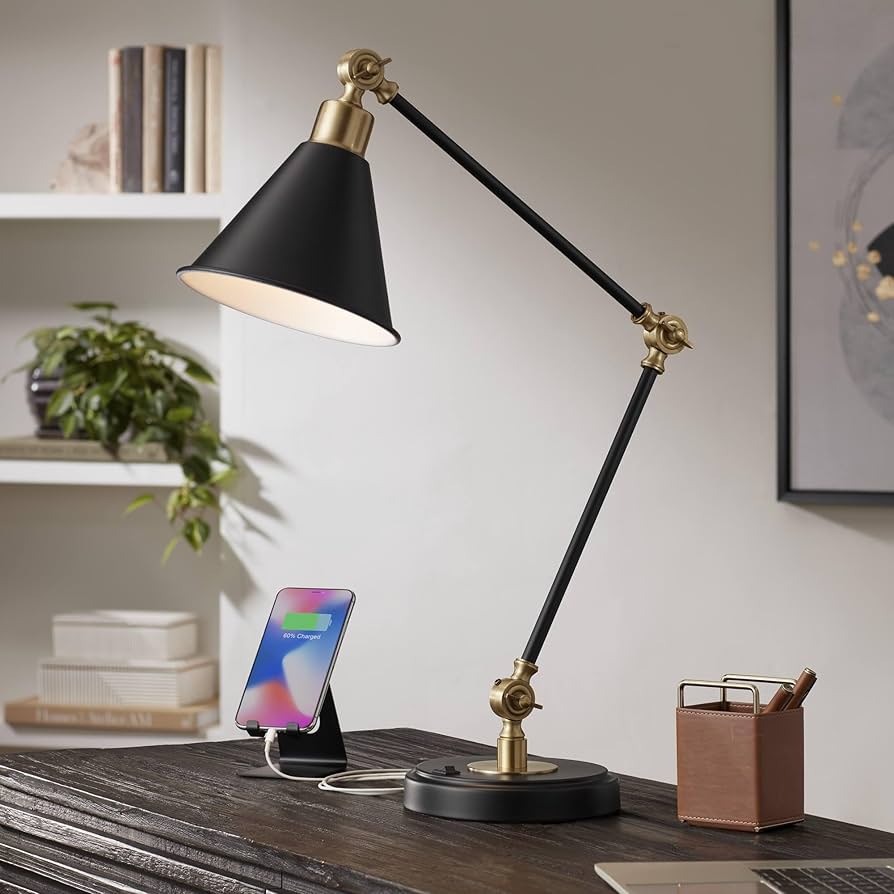
Are you looking to give your desk lamp a fresh new look but aren’t sure what kind of paint to use? Choosing the right paint can make all the difference in how your lamp turns out—and how long it lasts.
You want a finish that looks great, sticks well, and can handle the heat from the bulb. Keep reading, and you’ll discover the best paint options to transform your desk lamp into a stylish and durable piece that fits perfectly with your space.
Let’s dive into what you need to know before you start painting.

Credit: www.amazon.ca
Choosing Paint Types
Choosing the right paint for your desk lamp can change the entire look and feel of your workspace. The type of paint you pick affects durability, finish, and ease of application. Think about the lamp’s material and where it will be placed before deciding.
Spray Paints
Spray paints offer quick and even coverage, making them a favorite for many DIYers. They work especially well on metal or plastic lamp bases, providing a smooth, professional finish. Just remember to spray in thin layers and in a well-ventilated area to avoid drips and fumes.
Acrylic Paints
Acrylic paints are versatile and easy to use, especially if your lamp has intricate details. They dry fast and clean up easily with water. If you want to add vibrant colors or custom designs, acrylics give you great control with brushes or sponges.
Enamel Paints
Enamel paints form a hard, glossy surface that can withstand frequent handling and heat from the lamp bulb. They’re perfect for metal lamps but take longer to dry compared to acrylics. If durability is your top priority, enamel is a solid choice.
Chalk Paints
Chalk paints create a matte, vintage look that’s trendy for desk lamps with a rustic or shabby chic style. They stick well to most surfaces without much prep work. However, chalk paint is softer and might need a sealant to protect against scratches.
Preparing The Lamp Surface
Preparing the surface of your desk lamp before painting is crucial for a smooth, long-lasting finish. Skipping this step can lead to peeling paint, uneven coverage, or an unprofessional look. Taking time to clean, sand, and prime your lamp sets a solid foundation that will make your paint job stand out.
Cleaning Techniques
Start by removing dust, grease, and grime from the lamp. Use a mild detergent mixed with warm water and a soft cloth to wipe down the surface thoroughly. Avoid harsh chemicals that might damage the lamp’s material or leave residues that interfere with paint adhesion.
After cleaning, let the lamp dry completely to prevent moisture from trapping under the paint. Have you noticed how even a tiny bit of dirt can cause bubbles or flakes later on? That’s why a spotless surface is non-negotiable.
Sanding Tips
Sanding helps the paint grip better by creating a slightly rough texture. Use fine-grit sandpaper—around 220 grit—to gently scuff the lamp’s surface. This is especially important if your lamp has a glossy finish or is made of metal.
Don’t overdo it; you just want to dull the shine, not strip the lamp down to bare metal unless you plan to repaint completely. Wipe away dust with a tack cloth after sanding. Have you ever painted over a slick surface only to see the paint peel off quickly? Sanding prevents that.
Priming Options
Priming is the step that ensures your paint sticks well and lasts longer. Choose a primer that matches your lamp’s material—metal primers for metal lamps, plastic primers for plastic ones. Spray primers often provide a smooth, even coat without brush marks.
Apply the primer in thin layers, allowing each to dry fully before adding the next. Skipping this can make your paint look blotchy or cause it to chip off within weeks. Do you want a finish that looks fresh months from now? Then don’t skip priming.
Color Selection Tips
Choosing the right paint for a desk lamp ensures durability and a smooth finish. Use spray paint designed for metal or plastic surfaces to avoid chipping. Matte or satin finishes work well to reduce glare and enhance style.
Color selection can transform your desk lamp into a stylish piece. It complements your room and enhances the lighting experience. Choosing the right color ensures the lamp harmonizes with your space. Here are some tips for selecting the perfect color.Matching Room Decor
Consider the room’s existing color scheme. Choose a color that blends well. If your room has neutral tones, a bold color can be a striking focal point. For vibrant spaces, a subtle shade adds balance. Think about textures too. A glossy finish can stand out, while matte tones offer elegance.Light Reflection Effects
The lamp’s color affects light reflection. Lighter colors reflect more light, brightening the room. Darker shades absorb light, creating a cozy atmosphere. Consider your lighting needs. Do you want brighter illumination or a soft glow? Choose colors accordingly.Trends And Timeless Choices
Trends change, but timeless colors endure. Classic white or black suits any decor. Pastels add a gentle touch, while metallics bring modern flair. Research current trends for inspiration. But remember, personal preference matters most. Choose a color you love, and it will never go out of style.Painting Techniques
Choosing the right painting technique affects the look and durability of your desk lamp. Techniques vary by tool and process. Each method offers different control and finish quality. Understanding these options helps create a smooth, lasting coat that suits your style.
Brush Vs. Spray Application
Brush painting gives more control over small details and edges. It works well on textured or uneven surfaces. Brush strokes may show if not applied carefully. Spray painting covers evenly and quickly. It creates a smooth, professional finish without brush marks. Spray works best in well-ventilated areas to avoid buildup and drips.
Layering For Durability
Apply paint in thin, even layers. Multiple layers build strength and prevent chipping. Let each layer dry before adding the next. Light sanding between coats improves adhesion. Use primer first to help paint stick better. Layering extends the life of your paint job and keeps the lamp looking fresh.
Drying And Curing Times
Drying time is how long paint takes to feel dry. Curing time is how long paint takes to fully harden. Follow the paint manufacturer’s instructions for both times. Avoid touching or moving the lamp before curing finishes. Proper drying and curing prevent smudges and damage. Patience ensures a tough and beautiful finish.
Finishing Touches
Finishing touches bring your desk lamp paint project to life. They protect the paint and enhance the lamp’s look. Small details make a big difference in the final result. These touches ensure your lamp stays beautiful for a long time.
Sealing And Protecting Paint
Sealing the paint stops it from chipping or fading. Use a clear spray sealant or brush-on varnish. Choose a finish that matches your paint type—matte, satin, or glossy. Apply thin, even coats and let each dry fully. This step adds durability and makes cleaning easier.
Adding Texture Or Patterns
Textures and patterns add personality to a plain lamp. Use stencils or painter’s tape to create shapes and lines. Sponge painting or dry brushing gives a textured look. Try layering colors for a unique effect. These techniques make your lamp stand out and feel custom-made.
Maintenance And Touch-ups
Keep your painted lamp looking fresh with simple care. Clean dust gently with a soft cloth. Avoid harsh chemicals that damage paint. For chips or scratches, lightly sand and repaint the area. Regular touch-ups extend the paint’s life and keep the lamp attractive.

Credit: www.amazon.ca
Safety Considerations
Painting a desk lamp can transform its look, but safety must be your top priority. Ignoring key safety steps can lead to health risks or damage to your lamp. Understanding how to protect yourself and your workspace will make your project smoother and safer.
Ventilation And Workspace Setup
Always paint in a well-ventilated area. Open windows or use a fan to move fumes away from your breathing zone. Paints, especially spray paints and solvents, release vapors that can cause headaches or dizziness if inhaled for too long.
Set up your workspace to avoid clutter. Cover surfaces with old newspapers or a drop cloth to catch drips. This keeps your area clean and prevents accidental slips or spills that could cause injury.
Handling Paints And Chemicals
Read the labels on all paints and chemicals before use. Some paints contain harmful ingredients that require gloves or masks. Wearing disposable gloves protects your skin from irritation or staining.
Keep all containers tightly sealed when not in use to prevent spills and reduce fumes. If you have leftover paint, store it in a cool, dry place away from children and pets. Have a plan for safe disposal—never pour paint down the drain.
Electrical Safety Tips
Unplug your desk lamp before you start painting. Paint can interfere with electrical components and cause shorts or fires if the lamp is live. Avoid getting paint inside sockets or switches.
Remove any bulbs or detachable parts to protect them from paint damage. If you’re unsure about disassembling, consult the lamp’s manual or seek advice from a professional. Think about how you will reassemble the lamp safely after painting.

Credit: www.amazon.ca
Frequently Asked Questions
What Type Of Paint Is Best For Desk Lamps?
Acrylic spray paint is best for desk lamps. It adheres well to metal and plastic surfaces. It dries quickly and provides a smooth, durable finish. This type also resists chipping and fading, making it ideal for frequent use.
Can I Use Oil-based Paint On A Desk Lamp?
Yes, oil-based paint works on desk lamps but takes longer to dry. It offers a glossy, durable finish and resists scratches. Proper ventilation is essential during application due to strong fumes. It is suitable for metal lamps but less ideal for plastic.
How Do I Prepare A Desk Lamp For Painting?
Clean the lamp thoroughly to remove dust and grease. Sand the surface lightly to create a rough texture for paint adhesion. Use painter’s tape to cover areas you want to protect. Always apply a primer before painting for best results.
Is Spray Paint Or Brush Paint Better For Desk Lamps?
Spray paint is better for desk lamps due to smooth, even coverage. It reduces visible brush strokes and dries faster. Brush paint can be used for detailed work but may leave streaks. Choose spray paint for a professional, clean finish.
Conclusion
Choosing the right paint can change your desk lamp’s look. Use spray paint for an even, smooth finish. Oil-based or acrylic paints work well on metal or plastic. Always clean the lamp before painting for better results. Let the paint dry completely to avoid smudges.
A fresh coat can brighten your workspace and add style. Small effort, big difference. Give your desk lamp a new life with the right paint.



