
Have you ever walked into a room that feels stuffy or smells a bit off? That’s your home telling you it needs fresh air.
Knowing how to air out a house properly can make a huge difference in how comfortable and healthy your living space feels. You’ll discover simple, effective steps to refresh your home’s air quickly. Whether you’re dealing with lingering odors, dampness, or just want to breathe easier, these tips will help you create a cleaner, fresher environment that you and your family will love.
Keep reading to learn how easy it is to bring fresh air back into your home.
Credit: www.firststarexteriors.com
Benefits Of Airing Out Your Home
Airing out your home regularly does more than just freshen the space. It improves the overall environment where you live, making it healthier and more comfortable. Understanding the benefits can motivate you to make airing out a regular part of your home care routine.
Improves Indoor Air Quality
Opening windows lets stale air escape and brings in fresh air. This helps reduce indoor pollutants such as dust, pet dander, and cooking odors. Over time, better air quality can reduce allergy symptoms and respiratory problems.
Reduces Moisture And Mold Growth
Humidity can build up inside your home, especially in kitchens and bathrooms. Airing out your house helps lower moisture levels, preventing mold and mildew growth. This protects your walls, furniture, and your health.
Eliminates Unpleasant Odors
Have you ever noticed how your home feels stuffy or smells musty? Regularly airing out your rooms removes trapped odors from cooking, pets, or dampness. Fresh air makes your home feel inviting and clean.
Boosts Energy And Mood
Fresh air can have a surprising effect on your energy levels and mental clarity. Spending time in a well-ventilated home can reduce feelings of tiredness and stress. Have you noticed how a breath of fresh air often clears your mind?
Saves Energy And Lowers Costs
Instead of relying solely on air conditioning or fans, airing out your home can naturally regulate temperature. This can reduce the need for mechanical cooling and heating, saving you money. When was the last time you opened your windows to cool down instead of turning on the AC?

Credit: shop.solatube.com
Best Times To Open Windows
Knowing the best times to open windows helps air out a house effectively. Proper timing ensures fresh air flows in and stale air leaves. It also helps control temperature and humidity inside.
Choosing the right time depends on weather, outdoor air quality, and your home’s needs. Opening windows at the wrong time may bring dust or pollen inside. It can also make the house too hot or cold.
Early Morning Hours
The early morning is ideal for airing out a house. The air is usually cool and fresh. There is less pollution and dust at this time. Opening windows in the morning helps remove odors and moisture.
Late Evening And Night
Evening and night are good for airing out during hot days. The temperature drops, making it comfortable to let air in. It also helps cool down rooms that trapped heat all day. Night air tends to be cleaner and less dusty.
After Rainfall
Opening windows after rain helps bring in fresh and clean air. Rain clears dust and pollutants from the air. It also reduces allergens like pollen. This is a perfect time to refresh your home’s air naturally.
Avoid Midday In Hot Weather
Midday air can be hot and dry, especially in summer. Opening windows at this time may raise indoor temperature. Dust and pollutants are often higher during midday. Keep windows closed to maintain a comfortable home.
Consider Outdoor Air Quality
Check outdoor air quality before opening windows. Avoid airing out when pollution or allergens are high. Use local air quality indexes or weather apps. Choose times with cleaner air for better indoor health.
Effective Ventilation Techniques
Effective ventilation techniques help fresh air flow through your home. They remove stale air and reduce indoor pollution. Good airflow keeps your house comfortable and healthy. Using natural air movement saves energy and improves indoor air quality.
Cross Ventilation
Cross ventilation uses windows or vents on opposite sides of a room. Air enters through one side and exits through the other. This flow pushes out heat, moisture, and odors quickly. Open windows on different walls to create a clear path for air.
- Open windows or doors on opposite walls.
- Keep interior doors open to improve air movement.
- Use window fans to increase airflow if needed.
Rooms with cross ventilation feel cooler and fresher. This method works best on breezy days. It reduces the need for fans or air conditioning.
Stack Ventilation
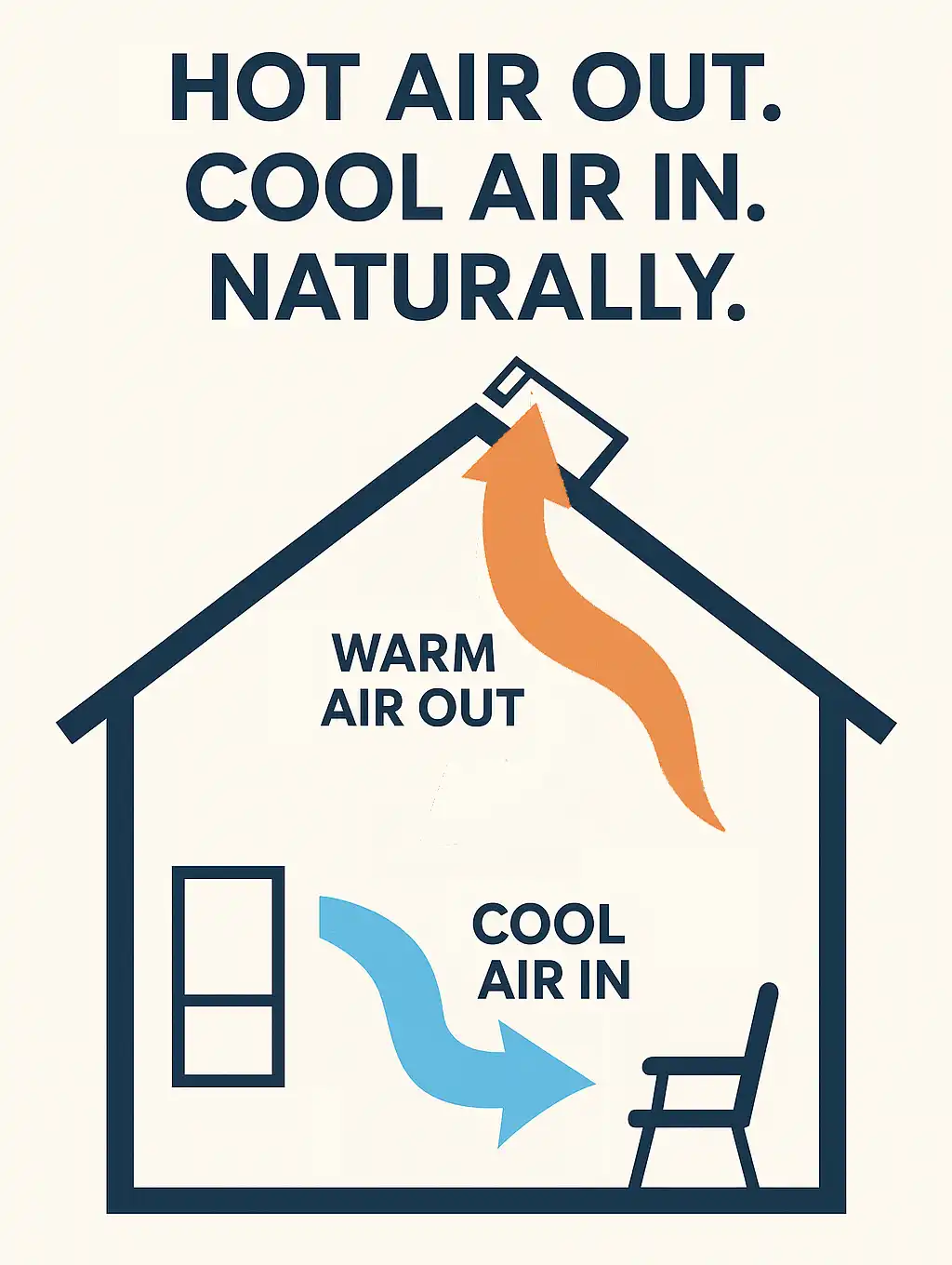
Stack ventilation uses the natural rise of warm air to move air out. Warm air rises and escapes through high vents or windows. Cooler air enters through lower openings to replace it. This creates a vertical airflow that refreshes indoor air.
- Open high windows or vents to let warm air escape.
- Open low windows or doors to let cool air enter.
- Use vents in the roof or ceiling if available.
This method is great for tall rooms or multi-story homes. It works well even without wind. Stack ventilation helps keep indoor air fresh and reduces heat buildup.
Using Fans To Boost Airflow
Using fans can effectively boost airflow in your home. Place fans near windows to draw in fresh air. This helps in circulating the air and removing stale odors efficiently.
Airflow is essential for maintaining a fresh and healthy home environment. Using fans is a cost-effective and practical way to enhance air circulation in your house. Whether it’s a ceiling fan, exhaust fan, or a portable fan, each type has its unique benefits. Let’s dive into how you can use them effectively to air out your home.Ceiling Fans
Ceiling fans are a staple in many homes, providing an easy way to boost airflow. Simply switching them on can create a gentle breeze that helps distribute air evenly throughout the room. Make sure the fan is set to rotate counterclockwise during warmer months to push cool air down and improve comfort levels. Ceiling fans are also energy efficient. They allow you to adjust your thermostat by a few degrees without sacrificing comfort. This not only improves air circulation but also reduces energy bills—a win-win for your home and wallet.Exhaust Fans
Exhaust fans are perfect for removing stale air, especially in areas like kitchens and bathrooms. They work by pulling out humid and odorous air, replacing it with fresh air from outside. Turning on the exhaust fan while cooking or taking a shower can prevent moisture buildup and reduce mold risk. Regular maintenance is key for exhaust fans to function effectively. Cleaning the fan blades and checking for blockages ensures optimal performance. Have you checked your exhaust fans lately?Portable Fans
Portable fans offer flexibility and convenience. You can easily move them from room to room, targeting areas that need more ventilation. They are perfect for circulating air in spaces without built-in fans. Consider placing a portable fan near a window to draw in fresh air from outside. You can also use them in conjunction with other fans to create cross-ventilation. Have you ever noticed how a well-placed fan can transform a stuffy room into a breezy oasis? Using fans to boost airflow is not just about comfort; it’s about creating a healthier living space. Which fan will you start using today to improve your home’s air quality?Removing Indoor Pollutants
Removing indoor pollutants is key to freshening your home’s air and protecting your health. These pollutants can hide in plain sight, making your space feel stuffy and unhealthy without obvious signs. Let’s break down how to tackle the main culprits: dust and allergens, mold and mildew, and chemical fumes.
Dust And Allergens
Dust isn’t just dirt—it carries allergens like pet dander, pollen, and dust mites. These tiny irritants can trigger sneezing, coughing, and itchy eyes.
To fight dust, use a vacuum with a HEPA filter and clean surfaces regularly with a damp cloth. Don’t forget to wash bedding and curtains often, as they trap allergens.
Have you noticed your allergies acting up more indoors than outside? That’s a sign your home needs a dust detox.
Mold And Mildew
Mold and mildew thrive in damp, poorly ventilated areas. They release spores that can cause respiratory problems and worsen asthma.
Check places like bathrooms, basements, and behind appliances for any signs of mold. Clean small spots with a mixture of water and vinegar or a mold remover.
If mold keeps coming back, consider improving ventilation or using a dehumidifier. Have you checked your home for hidden mold lately?
Chemical Fumes
Everyday products like paint, cleaners, and air fresheners release chemical fumes called volatile organic compounds (VOCs). These fumes can cause headaches, dizziness, and long-term health issues.
Open windows to let fresh air in after using these products. Opt for natural or low-VOC alternatives to reduce fumes in the first place.
Next time you spray a cleaner, ask yourself: Could a simpler, safer option do the job just as well?

Credit: www.youtube.com
Houseplants That Improve Air Quality
Houseplants do more than decorate a room. They help clean the air we breathe indoors. These plants absorb harmful chemicals and release fresh oxygen. This process improves the overall air quality in your home.
Some plants are especially good at removing toxins and increasing humidity. They create a healthier, fresher environment. Placing the right houseplants around the house is an easy way to air out your living space naturally.
Spider Plant
The spider plant is easy to care for and grows fast. It removes pollutants like formaldehyde and carbon monoxide. It thrives in indirect sunlight and helps refresh the air.
Snake Plant
The snake plant releases oxygen even at night. It filters out toxins such as benzene and xylene. Its tough leaves require little water, making it perfect for beginners.
Peace Lily
Peace lilies absorb mold spores and reduce indoor air pollutants. They bloom beautiful white flowers and prefer low to medium light. These plants also increase room humidity naturally.
Boston Fern
Boston ferns are excellent at removing pollutants and adding moisture. They prefer a cool place with indirect sunlight. Regular misting keeps their leaves healthy and vibrant.
Aloe Vera
Aloe vera cleans the air of formaldehyde and benzene. It needs bright, indirect light and little watering. Besides improving air quality, its gel has soothing skin benefits.
Maintaining Fresh Air Year-round
Maintaining fresh air in your home throughout the year improves health and comfort. Fresh air reduces indoor pollutants and controls moisture. It creates a pleasant and inviting atmosphere in every room.
Proper ventilation supports better sleep and clearer thinking. It helps remove odors and keeps your home feeling clean. You can keep air fresh by adjusting your airing habits with the seasons and cleaning regularly.
Seasonal Airing Tips
- Spring and fall: Open windows wide for 15-30 minutes daily.
- Summer: Air out early morning or late evening when it’s cooler.
- Winter: Ventilate for 5-10 minutes to avoid heat loss.
- Use fans to circulate air without losing warmth in cold months.
- Close windows during high pollen or pollution days to protect air quality.
Regular Cleaning Habits
- Dust surfaces weekly to reduce allergens and improve air flow.
- Vacuum floors with a HEPA filter to capture fine particles.
- Wash bedding and curtains often to remove dust and odors.
- Clean air vents and replace filters regularly for better ventilation.
- Keep houseplants to naturally filter air and add moisture.
Frequently Asked Questions
How Long Should I Air Out My House Daily?
Air out your house for 15 to 30 minutes daily. This helps remove stale air and reduce indoor pollutants. Open windows and doors to create cross-ventilation. Adjust airing time based on weather and indoor air quality.
What Is The Best Time To Air Out A House?
The best time to air out a house is early morning or late evening. During these times, outdoor air is cooler and less polluted. Avoid airing during peak pollen hours if allergies are a concern.
Can Airing Out A House Reduce Indoor Odors?
Yes, airing out a house effectively reduces indoor odors. Fresh air replaces trapped smells from cooking, pets, or smoke. Regular ventilation keeps your home smelling clean and fresh naturally.
Does Airing Out A House Help With Humidity Control?
Airing out a house helps control indoor humidity by exchanging moist indoor air with drier outdoor air. This reduces mold risk and improves comfort. Use exhaust fans along with opening windows for better moisture control.
Conclusion
Airing out a house helps keep it fresh and healthy. Open windows and doors often to let fresh air flow. Use fans to move air faster inside your home. Regular airing reduces moisture and removes bad smells. It also helps stop mold and dust buildup.
Make airing out a daily habit for better living. Fresh air makes your home more comfortable and safe. Simple steps, big benefits. Try them today for a cleaner, brighter house.



