
Are you looking for the most effective way to get medication straight to your lungs? If you or someone you care about struggles with breathing issues, knowing the right method can make all the difference.
Imagine a treatment that works faster, feels easier, and targets your lungs directly. You’ll discover which method delivers medication right where it’s needed most—and why it might be the solution you’ve been searching for. Keep reading to find out how this approach can improve your lung health and your daily life.
Inhalation Therapy Basics
Inhalation therapy is a key approach for delivering medicine directly to your lungs. It allows medication to act fast where it’s needed most, especially for respiratory conditions like asthma or COPD. Understanding the basics helps you see why this method stands out among other ways of taking medicine.
How Medications Reach The Lungs
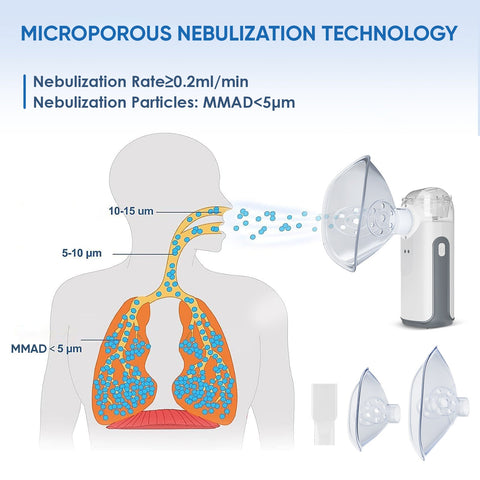
When you inhale medication, tiny droplets or particles enter your airways through your mouth or nose. These particles travel down your trachea and reach deep into the lungs’ branching tubes called bronchi and bronchioles. The medication then settles on the moist surface of the lung tissue, where it can quickly start working.
Devices like inhalers and nebulizers turn liquid medicine into a fine mist, making it easier to breathe in. You might wonder how much of the medicine actually reaches your lungs—this depends on your breathing technique and the device used. That’s why learning the right way to use these tools can improve the effectiveness of your treatment.
Benefits Of Direct Lung Delivery
Delivering medication directly to your lungs means the drug acts faster than pills or injections. This immediate effect can relieve symptoms like wheezing or shortness of breath almost instantly. Plus, you often need a smaller dose because the medicine doesn’t have to travel through your whole body first.
Another advantage is fewer side effects. Since the medication targets your lungs, less of it circulates through your bloodstream, reducing the chance of unwanted effects elsewhere in your body. Have you noticed how some treatments feel stronger or cause nausea? Inhalation therapy usually avoids that problem.
Think about your own experience—have you ever struggled to take medicine because of taste or swallowing difficulties? Inhalation therapy bypasses those issues, making it a practical option for many people. Could this method be the key to managing your respiratory health more comfortably?

Credit: www.amazon.com
Metered-dose Inhalers
Metered-dose inhalers (MDIs) are common devices that deliver medication directly to the lungs. They are small, portable, and easy to use. MDIs release a specific amount of medicine in aerosol form. This helps the medicine reach the airways quickly and effectively.
Mechanism Of Action
MDIs work by spraying a fine mist of medicine into the mouth. The patient inhales this mist deeply into the lungs. The medicine then reaches the bronchial tubes and air sacs. This direct delivery helps open airways and reduce inflammation. The quick action eases breathing problems fast. Each spray releases a controlled dose of medication.
Common Uses And Medications
MDIs treat lung conditions like asthma and chronic obstructive pulmonary disease (COPD). They help control symptoms such as wheezing, coughing, and shortness of breath. Common medications used in MDIs include:
- Bronchodilators to relax airway muscles
- Corticosteroids to reduce inflammation
- Combination inhalers with both bronchodilators and steroids
Doctors often prescribe MDIs for daily use or quick relief during attacks. Their convenience and effectiveness make them a popular choice for lung medication delivery.
Dry Powder Inhalers
Dry powder inhalers (DPIs) are a popular choice for delivering medication directly to your lungs. They are designed to provide a quick and efficient way of inhaling powdered medicine. If you’ve ever struggled with coordinating your breath and inhaler, DPIs might offer a simpler solution.
Design And Functionality
DPIs are small, portable devices that hold medication in a dry powdered form. Unlike inhalers that use a propellant spray, DPIs rely on your own breath to draw the medicine into your lungs. When you breathe in sharply through the mouthpiece, the powder is released and travels deep into your airways.
The design often includes a dose counter, so you know how many doses remain. Some devices come pre-loaded with single doses, while others use refillable capsules or blister packs. This setup makes it easy to carry and use your medication anywhere, anytime.
Advantages Over Other Methods
- No need for coordination:You don’t have to time your breath with pressing a button, which is helpful if you find traditional inhalers tricky to use.
- Propellant-free:DPIs don’t rely on chemicals to push the medicine out, making them more environmentally friendly.
- Faster delivery:The medication reaches your lungs quickly, which can mean faster relief.
- Stable medication:Dry powder tends to be more stable than liquid forms, which can improve shelf life and effectiveness.
Have you ever noticed how some inhalers leave a cold spray sensation in your mouth? DPIs avoid this, offering a more comfortable experience. If you’ve tried other inhalers but struggled with their use, DPIs might be worth discussing with your healthcare provider.

Credit: westendmedicalsupply.com
Nebulizers
Nebulizers deliver medication directly to the lungs in a mist form. This allows the medicine to reach deep inside the airways quickly. Many people use nebulizers to treat lung conditions like asthma and COPD. The device turns liquid medicine into a fine spray. This spray is easy to inhale through a mask or mouthpiece.
Types And Operation
There are three main types of nebulizers:
- Jet nebulizers:Use compressed air to create a mist.
- Ultrasonic nebulizers:Use high-frequency vibrations to make droplets.
- Mesh nebulizers:Push liquid through a mesh to form fine particles.
To use a nebulizer, add the prescribed medicine to the cup. Turn the device on. Breathe in the mist slowly and deeply through the mouthpiece or mask. Treatment usually takes 5 to 15 minutes.
Ideal Candidates For Use
Nebulizers suit many people who have trouble with inhalers. This includes:
- Young children who cannot use inhalers properly.
- Elderly people with weak hand strength.
- Patients with severe respiratory problems.
- Those needing large doses of medication quickly.
Nebulizers offer comfort and ease for long or repeated treatments. They are helpful during flare-ups or emergency care. Doctors often recommend nebulizers for people needing steady medication delivery to the lungs.
Soft Mist Inhalers
Soft mist inhalers deliver medication directly to the lungs. This method ensures efficient absorption. The fine mist reaches deep into the airways, providing quick relief.
Soft mist inhalers offer a unique way to deliver medication. They provide a gentle, continuous mist. This mist ensures medication reaches the lungs efficiently. These inhalers are user-friendly and effective.Technology Behind Soft Mist
Soft mist inhalers use a special mechanism. They produce a fine, slow-moving mist. This mist is easy to inhale. It does not require strong breaths. The inhaler uses a spring device. It releases a consistent dose of medication. This ensures precise delivery to the lungs. The technology reduces medication waste. It enhances the treatment’s effectiveness.Effectiveness Compared To Others
Soft mist inhalers stand out in effectiveness. They deliver medication directly to the lungs. This direct delivery ensures better absorption. It reduces side effects. In comparison, other inhalers need more effort. They often require strong inhalation. Soft mist inhalers work well for many patients. They are particularly beneficial for those with limited lung capacity. This makes them a preferred choice for many.Choosing The Right Method
Choosing the right method to deliver medication directly to the lungs is vital for effective treatment. Different methods suit different needs and conditions. Understanding key factors helps select the best option for each patient.
Factors Influencing Selection
Several factors affect which method works best. The type of medication plays a big role. Some medicines need precise doses, while others allow more flexibility. The severity of the lung condition also matters. Devices vary in how well they deliver medicine deep into the lungs. Cost and availability influence the choice too. The ease of use impacts how well the patient can manage treatment at home.
Patient Compliance And Preferences
Patient comfort and ease of use affect treatment success. Some patients prefer handheld inhalers for quick use. Others find nebulizers easier, especially children or elderly. The time needed for treatment influences compliance. A method that fits daily routines encourages regular use. Training and clear instructions improve patient confidence. Listening to patient preferences can increase adherence and better health outcomes.
Emerging Technologies
The way medication reaches your lungs is evolving rapidly thanks to new technologies. These advances aim to make drug delivery more precise, effective, and user-friendly. Understanding these emerging options can help you make informed choices about your respiratory health.
Smart Inhalers
Smart inhalers combine traditional inhaler technology with digital features. They track your usage, remind you when to take doses, and even monitor your breathing patterns. This helps ensure you use your medication correctly and on time.
Imagine having an app that alerts you if you miss a dose or provides feedback on your inhaler technique. This real-time data can improve your treatment outcomes and prevent flare-ups. Smart inhalers are becoming more affordable and accessible, making them a practical tool for many patients.
Innovations In Drug Delivery
New drug delivery methods focus on enhancing how medication reaches the lungs. Some use ultra-fine particles to penetrate deeper into lung tissues, while others develop inhalers that adjust dosage based on your breathing.
One exciting example is nebulizers that convert liquid medicine into a fine mist for easier inhalation. These can be especially helpful for people who struggle with standard inhalers. Have you ever thought about how the size of medication particles can affect how well your lungs absorb them?
These innovations aim to reduce side effects and improve the speed at which medication works. They also offer more comfort and convenience, which can encourage better adherence to treatment plans. Staying informed about these technologies could give you an edge in managing your lung health effectively.

Credit: link.springer.com
Frequently Asked Questions
What Is The Best Method To Deliver Medication To Lungs?
Inhalation is the best method to deliver medication directly to the lungs. It allows rapid absorption and targeted treatment, minimizing side effects.
How Do Inhalers Deliver Medicine To The Lungs?
Inhalers release a fine mist or powder that travels deep into the lungs. This ensures efficient and localized drug delivery for respiratory conditions.
Are Nebulizers Effective For Lung Medication Delivery?
Yes, nebulizers convert liquid medicine into a breathable mist. They are especially useful for young children and severe lung conditions.
Can Dry Powder Inhalers Deliver Drugs Directly To Lungs?
Dry powder inhalers deliver medication as a dry powder that reaches the lungs. They require a strong, fast inhalation for effective drug deposition.
Conclusion
Delivering medication directly to the lungs works best with inhalers or nebulizers. These methods send medicine straight to the airways. This helps the medicine act faster and work better. Many people with asthma or lung problems use these devices daily.
Choosing the right device depends on your needs and doctor’s advice. Always follow instructions to get the most from your treatment. Clear breathing feels closer with the right lung delivery method.



