
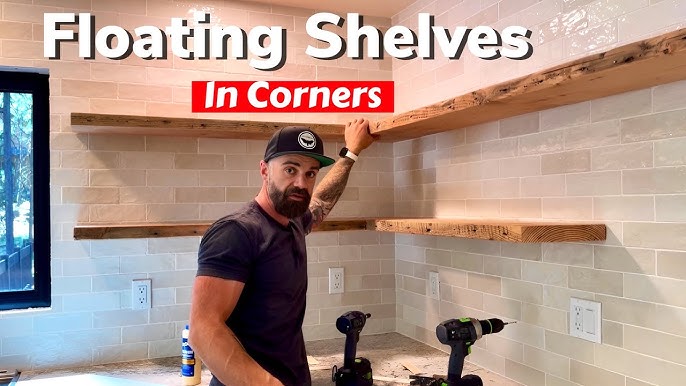
Are you ready to add a stylish touch to your room without taking up floor space? Attaching a floating shelf to your wall is a simple way to do just that.
Imagine having a sleek shelf that holds your favorite books, plants, or decor, all while making your space look neat and modern. You might think it’s tricky, but with the right steps, you can easily install one yourself. Keep reading, and you’ll discover how to securely mount a floating shelf that stays put and looks fantastic.
Your walls are about to get a whole lot more interesting!
Credit: glammedevents.com
Choosing The Right Shelf
Choosing the right floating shelf is key to a successful installation. The shelf must fit your space, style, and needs. Consider the shelf’s material, weight support, and size carefully. These factors help ensure your shelf looks good and lasts long.
Materials And Styles
Floating shelves come in wood, metal, glass, and plastic. Wood offers warmth and works well in most rooms. Metal shelves give a modern, industrial look. Glass shelves look light and clean but hold less weight. Choose a style that matches your room’s decor. Simple designs fit most spaces. Decorative shelves add a unique touch.
Weight Capacity Considerations
Check the shelf’s weight limit before buying. Think about what you will place on the shelf. Heavy items like books or plants need strong shelves. Wood and metal usually hold more weight than glass or plastic. If you want to store many items, pick a shelf with a higher capacity. Safety matters to avoid accidents.
Size And Placement
Measure your wall space before selecting a shelf. The shelf should fit comfortably without crowding the area. Consider the height and width to keep balance in the room. Place the shelf where it is easy to reach and looks good. Small shelves work well in tight spots. Larger shelves suit open walls and bigger rooms.

Credit: www.youtube.com
Gathering Tools And Materials
Before attaching a floating shelf to the wall, gather all necessary tools and materials. Having everything ready makes the process smooth and safe. This preparation saves time and avoids interruptions during installation.
Essential Tools
- Drill with drill bits
- Level
- Measuring tape
- Stud finder
- Screwdriver
- Pencil
- Hammer
These tools help mark, drill, and secure the shelf correctly. A level ensures the shelf is straight. The stud finder locates wall studs for stronger support.
Anchors And Screws
- Wall anchors suitable for your wall type
- Screws matching the anchors
- Bracket screws if your shelf uses brackets
Use anchors designed for drywall, plaster, or masonry. The right anchors prevent the shelf from falling. Screws must fit the anchors and hold weight safely.
Safety Gear
- Safety glasses
- Work gloves
- Dust mask
Safety gear protects your eyes, hands, and lungs. Drilling can create dust and debris. Always wear safety glasses and gloves for protection.
Preparing The Wall
Preparing the wall is a crucial step to ensure your floating shelf stays secure. It involves finding the best spots for support and avoiding hidden hazards. Taking time here makes installation easier and safer.
Locating Studs
Studs are vertical wooden beams inside walls. They provide strong support for shelves. Use a stud finder to locate them. Move the finder slowly along the wall. Mark the edges of each stud with a pencil. This helps place the shelf brackets securely.
Marking Drill Points
After finding studs, decide where to drill. Hold the shelf bracket against the wall. Use a pencil to mark the holes on the wall. Make sure the marks line up with the studs. Double-check the height and level before drilling.
Checking For Obstacles
Walls may hide obstacles like wires or pipes. Avoid drilling into them to prevent damage. Use a wire detector or check building plans. Look for switches, outlets, or plumbing near the drill points. Adjust marks if needed to stay clear.

Credit: chill-house.co.uk
Installing Wall Brackets
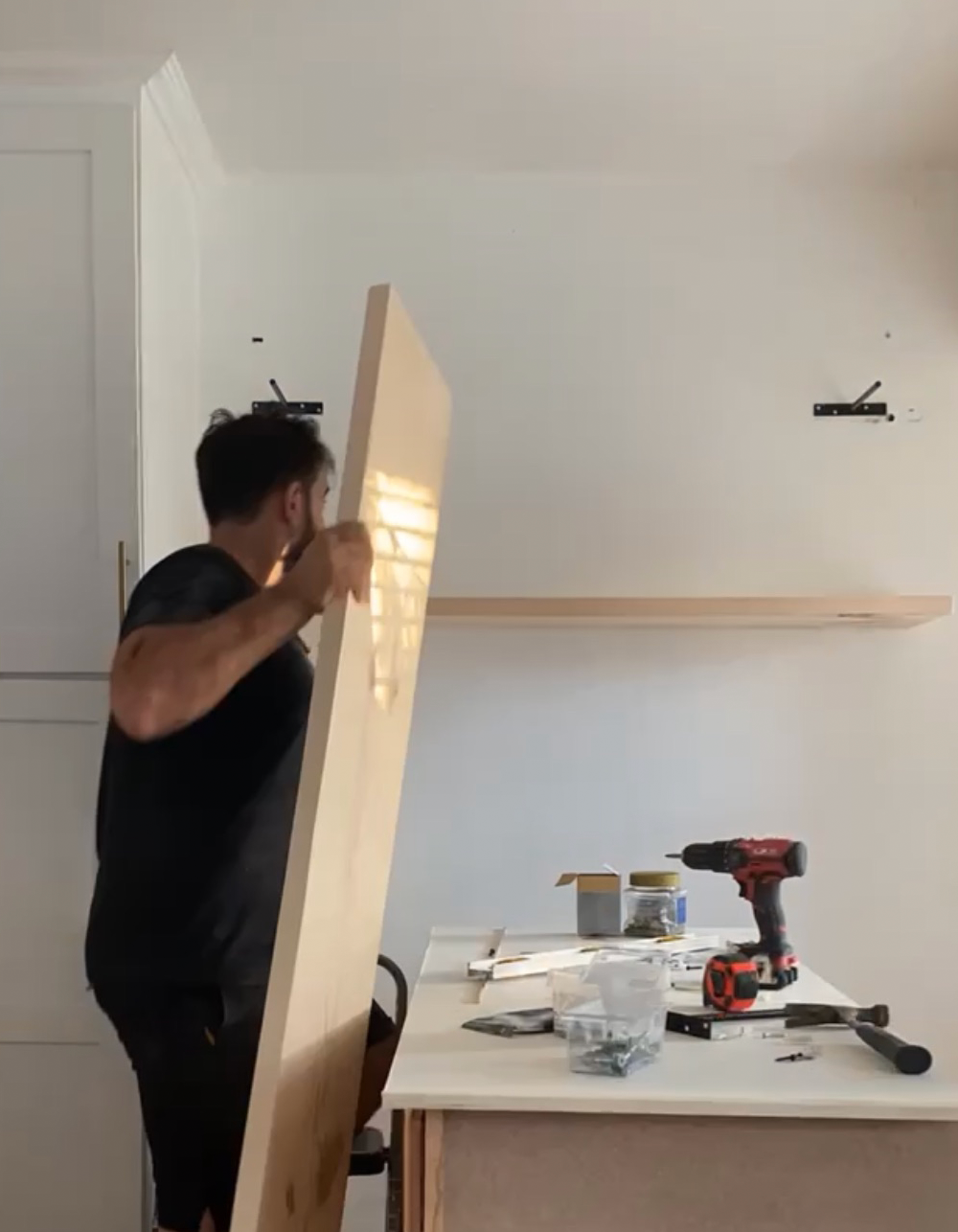
Attach the wall brackets securely by locating studs behind the drywall. Use a level to ensure the shelf stays straight and drill pilot holes before screwing in the brackets. Slide the floating shelf onto the brackets for a clean, sturdy look.
Installing wall brackets is a crucial step in attaching a floating shelf to a wall. Wall brackets provide the necessary support, ensuring your shelf is stable and secure. It’s important to follow precise steps to avoid mishaps. Let’s dive into the process with clear instructions.Drilling Pilot Holes
Begin by marking the spots on the wall for the brackets. Use a pencil for clear visibility. Next, take your drill with an appropriate bit size. Drill pilot holes into the marked spots. This prevents the wall from cracking. Pilot holes also guide the screws in straight. Ensure the holes are slightly smaller than the screws.Securing Brackets
Position the brackets over the drilled pilot holes. Insert screws through the brackets into the wall. Use a screwdriver for this task. Tighten the screws until the brackets are firm. Check that the brackets do not wobble. Securely attached brackets will hold the shelf weight.Leveling Tips
Ensure the brackets are level before securing. Use a spirit level for accuracy. Place it on top of the brackets. Adjust until the bubble is centered. Level brackets prevent items from sliding off. Double-check your work for safety. A level shelf enhances room aesthetics.Mounting The Floating Shelf
Mounting a floating shelf requires precision and care to ensure it holds steady and looks flawless. This stage brings together all the planning and preparation into a tangible result on your wall. Let’s focus on getting the shelf perfectly positioned and firmly attached for both safety and style.
Aligning The Shelf
Start by holding the shelf up against the wall to check its alignment. Use a level to make sure it’s perfectly horizontal—no one wants a crooked shelf. Mark the wall lightly with a pencil where the shelf edges and bracket holes line up.
Take your time here. Even a small tilt can be very noticeable once the shelf is loaded with items. Have you ever seen a shelf that just doesn’t look right? That’s usually because the alignment was rushed or ignored.
Securing The Shelf To Brackets
Once aligned, it’s time to secure the shelf to the brackets firmly. Use the screws provided with your shelf kit and a drill or screwdriver to attach the shelf to the wall brackets. Tighten the screws evenly to avoid putting stress on one side.
Check that the brackets themselves are solidly anchored into the wall studs or anchors. If they’re loose, the shelf will never be stable, no matter how well you secure it to the brackets. Have you felt a shelf wobble before? That’s usually a bracket issue.
Final Adjustments
After securing, step back and look at the shelf from different angles. Is it level? Are the brackets hidden as promised? Make small tweaks now if necessary by slightly loosening screws and repositioning.
Try placing a few light items on the shelf to test its balance. If it holds steady, you’re good to go. If it shifts or tilts, double-check the bracket attachment and the wall anchors. Would you trust a shelf that feels unstable with your favorite books or decor?
Ensuring Stability And Safety
Ensuring the stability and safety of your floating shelf is crucial. A well-installed shelf not only looks great but also supports your items securely without risk of falling. Paying attention to details after installation helps you avoid accidents and prolongs the shelf’s life.
Weight Testing
Before loading your shelf with heavy items, test its weight capacity carefully. Start by placing light objects and gradually increase the load to check how well it holds. If you notice any wobbling or shifting, stop immediately and reinforce the brackets or anchors.
Think about how you will use the shelf daily. Will it hold books, plants, or decorative pieces? Testing with similar weights gives you real insight into the shelf’s stability and helps prevent surprises later.
Regular Maintenance
Check your floating shelf regularly to keep it safe. Look for loose screws, cracks in the wall, or signs of wear on the brackets. Tighten any hardware that feels loose and replace damaged parts promptly.
Scheduling a quick inspection every few months ensures your shelf remains secure. This simple habit can save you from unexpected falls and damage to your wall or belongings.
Avoiding Common Mistakes
Many people make errors that compromise shelf safety without realizing it. Avoid using weak wall anchors on drywall—choose heavy-duty anchors or mount directly into studs. Also, don’t overload the shelf beyond its recommended weight limit, even if it looks sturdy.
Ignoring the type of wall material can cause your shelf to fail. Ask yourself, is your wall plaster, drywall, or brick? Selecting the right hardware for your wall type is key to lasting stability.
Frequently Asked Questions
How Do You Install A Floating Shelf On Drywall?
To install a floating shelf on drywall, locate studs first. Use a stud finder to mark them. Attach brackets securely into studs using screws. If studs aren’t available, use heavy-duty wall anchors to support the shelf’s weight.
What Tools Are Needed To Attach A Floating Shelf?
You need a stud finder, drill, level, screwdriver, tape measure, pencil, and wall anchors. These tools ensure precise placement and secure installation of your floating shelf on any wall surface.
Can Floating Shelves Hold Heavy Items Safely?
Floating shelves can hold heavy items if installed properly. Use strong brackets and secure them into wall studs. Avoid overloading shelves beyond their weight limit to prevent damage or accidents.
How To Ensure A Floating Shelf Is Level?
Use a spirit level or laser level to check shelf alignment. Adjust brackets or screws until the shelf is perfectly horizontal. A level shelf improves appearance and prevents items from sliding off.
Conclusion
Attaching a floating shelf to a wall is simple with the right steps. Use the correct tools and anchors for safety. Measure carefully before drilling to avoid mistakes. Secure the shelf tightly for a strong hold. A well-installed shelf adds style and storage space.
Try this easy project to improve your room today. You will enjoy the neat look and extra space. Keep these tips in mind for best results.



