
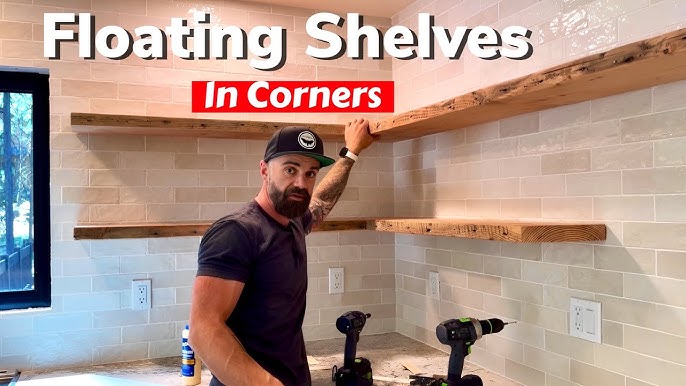
Are you ready to give your walls a fresh, stylish upgrade? Installing floating shelves is one of the easiest and most effective ways to add space and charm to any room.
Imagine having a sleek, modern shelf that seems to hover effortlessly on your wall, holding your favorite books, plants, or decor. Sounds great, right? In this guide, you’ll learn exactly how to install floating shelves step-by-step, even if you’ve never done it before.
By the end, you’ll feel confident and proud to showcase your new wall display. Let’s get started and transform your space together!
Choosing The Right Floating Shelves
Choosing the right floating shelves ensures both style and function in your space. The perfect shelves match your room’s design and hold your items safely. Consider materials, weight limits, size, and placement for best results.
Materials And Styles
Floating shelves come in many materials like wood, metal, and glass. Wood offers warmth and works well in most rooms. Metal shelves give a modern and sleek look. Glass shelves add elegance but hold lighter items only.
Styles range from simple and minimal to decorative and ornate. Pick shelves that fit your room’s theme and your personal taste. Think about color and finish to blend or stand out.
Weight Capacity Considerations
Check the weight capacity before buying shelves. Some hold only a few pounds, while others support heavy items. Think about what you will place on them—books, plants, or decor. Stronger shelves need sturdy wall anchors and good support.
Always follow manufacturer guidelines for safe installation. Overloading shelves can cause damage to walls and items.
Size And Placement Tips
Measure your wall space carefully. Choose shelves that fit without crowding the area. Balance shelf length with wall width for a neat look.
Place shelves at eye level or where they are easy to reach. Avoid placing shelves too high or low. Use multiple shelves to create a stylish arrangement and maximize storage.
Gathering Tools And Supplies
Before you start installing floating shelves on your wall, it’s important to gather all the right tools and supplies. Having everything ready makes the process smoother and prevents frustrating interruptions. Plus, the right tools help you achieve a sturdy and level shelf that looks professional.
Essential Tools List
- Drill:A cordless drill makes drilling holes quick and easy.
- Level:Ensures your shelf is perfectly horizontal.
- Stud finder:Helps you locate wall studs for secure mounting.
- Screwdriver:Needed for tightening screws and brackets.
- Measuring tape:Measures distances accurately to position the shelf correctly.
- Pencil:Marks drill points on the wall.
Missing any of these can cost you time and effort. Imagine drilling holes only to realize you forgot the stud finder and your shelf isn’t secure enough.
Optional Tools For Accuracy
- Laser level:Provides a precise horizontal line across the wall.
- Combination square:Useful for checking right angles and shelf alignment.
- Clamps:Help hold shelves in place while you work on mounting.
- Socket wrench:Makes tightening bolts faster and more efficient.
These tools aren’t mandatory but can improve your accuracy and ease the installation. Have you ever wished you could get the shelf perfectly level on the first try? A laser level can make that happen.
Safety Equipment
- Safety goggles:Protect your eyes from dust and debris.
- Gloves:Prevent splinters and improve grip.
- Dust mask:Keeps dust out of your lungs when drilling into drywall or plaster.
Working without safety gear is risky. I once underestimated the importance of goggles and ended up with dust in my eyes, which delayed my project significantly. Protecting yourself ensures your workday is productive and injury-free.
Preparing The Wall
Clear the wall surface and check for studs using a stud finder. Mark the spots to ensure strong support for the shelves. Clean the area to help the brackets stick properly.
Preparing the wall for installing floating shelves is a crucial step that ensures the stability and safety of your project. It involves a bit of planning and measuring, but don’t worry—it’s easier than you might think. Get your tools ready and let’s make sure your wall is ready for those chic new shelves.Locating Studs
Finding studs is the first step in preparing your wall. Use a stud finder to locate the studs behind your wall where you plan to install the shelves. This will provide the necessary support and prevent your shelves from sagging or falling. Once you’ve located a stud, mark it with a pencil. It’s important to remember that studs are typically spaced 16 to 24 inches apart. If you can’t find a stud where you want to place your shelf, consider using wall anchors for additional support.Marking Shelf Positions
Decide on the height and spacing of your shelves. Use a tape measure and level to ensure even spacing and alignment. Mark the position of each shelf with a pencil. Double-check your measurements to avoid any crooked or uneven shelving. A laser level can be handy here for precision. Remember, proper spacing not only looks visually appealing but also accommodates the items you plan to display. Do you need space for tall vases or picture frames? Plan accordingly.Checking For Obstacles
Before you start drilling, check for any obstacles that might be hiding in the wall. This includes electrical wires, plumbing, and HVAC ducts. Use a wire detector to ensure you don’t accidentally drill into something dangerous. If you’re unsure, consult a professional to avoid costly mistakes. Clearing these hurdles is essential for a safe and efficient installation. Have you ever been surprised by what you found inside your walls? Share your experiences and tips in the comments below!
Credit: chill-house.co.uk
Installing The Brackets
Installing the brackets is a key part of mounting floating shelves. Proper bracket installation ensures shelves stay strong and stable. It requires careful measuring and securing to support shelf weight.
Brackets must align perfectly on the wall for a clean look. Using the right anchors for drywall prevents damage and adds support. Level placement guarantees the shelf sits straight, avoiding any tilt or imbalance.
Aligning And Securing Brackets
Start by marking the exact spots on the wall. Measure the distance between brackets on the shelf. Transfer these measurements to the wall with a pencil.
Use a stud finder to locate wall studs if possible. Brackets should attach to studs for maximum strength. Drill pilot holes at the marked points to guide screws.
Hold the bracket against the wall and screw it in tightly. Ensure brackets sit flush with the wall surface. Loose brackets can cause shelves to wobble or fall.
Using Anchors For Drywall
Drywall alone cannot support heavy shelves or items. Use wall anchors to secure brackets if no studs are available. Choose anchors rated for the shelf weight.
Drill holes for anchors at bracket marks. Insert the anchors fully into the drywall. Screw brackets into anchors to create a firm hold.
Plastic anchors work for light loads. Metal or toggle anchors provide stronger support for heavy shelves. Always check anchor packaging for weight limits.
Ensuring Level Placement
Place a level on top of the installed brackets. Adjust brackets until the bubble is centered between lines. This step ensures shelves will be perfectly horizontal.
Recheck level after tightening all screws. Even a slight tilt can cause items to slide off. Use a carpenter’s level or a laser level tool for accuracy.
Double-check bracket positions before placing shelves. Proper level placement improves shelf appearance and safety.
Mounting The Shelves
Mounting floating shelves is where your project starts to look like a professional job. This stage is crucial because properly mounted shelves not only hold your items securely but also enhance the overall aesthetic of your space. Let’s break down the process to ensure your shelves are both sturdy and stylish.
Attaching Shelves To Brackets
First, position the brackets against the wall, making sure they align perfectly with the pre-marked spots. Use a level to double-check their straightness—this small step saves you from crooked shelves later.
Once aligned, attach the brackets using screws suitable for your wall type. If you’re working with drywall, anchors can provide extra grip. After securing the brackets, slide the shelf onto them carefully, ensuring the shelf fits snugly without any wobbling.
Securing For Stability
Now, stability is key to avoid any shelf mishaps. Check if your shelf has holes or slots underneath—these are meant for screws that secure the shelf to the bracket.
Use a drill or screwdriver to fasten these screws tightly. If your shelves don’t have pre-made holes, consider using adhesive strips or small L-brackets discreetly placed underneath for extra support.
Have you tested the shelf’s strength by gently pressing down? This quick test can reveal if you need to add more support before placing your items.
Final Adjustments
Once everything is in place, stand back and inspect the shelves from different angles. Sometimes a slight tilt or unevenness can be corrected by tightening screws or adjusting the brackets.
If you notice any gaps between the shelf and the wall, use caulk or filler to seal them for a seamless look. This final touch not only improves appearance but also prevents dust accumulation in tight spaces.
Remember, your floating shelves should feel solid and look balanced. Don’t hesitate to make small tweaks until you’re satisfied with the result.

Credit: www.youtube.com
Tips For Maintenance And Safety
Keeping your floating shelves safe and sturdy goes beyond just the installation. Proper maintenance and attention to safety can extend their life and keep your walls looking neat. Here are some practical tips to help you manage your shelves effectively.
Weight Distribution Advice
Evenly spreading out the weight on your floating shelves prevents them from sagging or falling. Place heavier items closer to the wall where the brackets support the shelf. Think about balance—don’t cluster all heavy objects on one side.
Have you ever noticed a shelf bowing in the middle? That usually means the weight isn’t balanced well. Try to mix lighter and heavier items to distribute the load more effectively. Using small stands or risers can also help keep things stable.
Regular Checks And Upkeep
Make it a habit to inspect your shelves every few months. Look for any signs of loosening screws, cracks in the wall, or shelf warping. Early detection of these issues can save you from a sudden collapse.
If you spot any wobbling or unusual movement, tighten the screws immediately. Dusting and cleaning the shelves regularly also prevents buildup that can affect their appearance and durability. Simple upkeep keeps your shelves looking fresh and sturdy.
Avoiding Common Mistakes
One common error is overloading the shelf beyond its weight capacity. Check the manufacturer’s guidelines or the weight limits of your brackets before adding heavy items. Ignoring this can lead to damage or accidents.
Another mistake is not anchoring the shelf brackets into studs or proper wall anchors. Drywall alone won’t support much weight, so use a stud finder or appropriate anchors. Also, avoid placing shelves in areas exposed to moisture, as this can weaken both the wall and the shelf material.
Have you experienced a shelf failure before? Think about what went wrong and how these tips could prevent that from happening again. Keeping these points in mind helps you enjoy your floating shelves safely and stylishly.

Credit: www.youtube.com
Frequently Asked Questions
How Do I Choose The Right Wall For Floating Shelves?
Select a sturdy wall with studs for secure support. Avoid drywall-only areas to prevent shelf sagging or falling. Use a stud finder to locate studs before installation.
What Tools Are Needed To Install Floating Shelves?
You need a drill, level, stud finder, screwdriver, measuring tape, and wall anchors. These tools ensure precise and safe shelf installation.
How Much Weight Can Floating Shelves Hold?
Weight capacity depends on bracket strength and wall type. Properly anchored shelves can hold 20-50 pounds. Always check manufacturer guidelines for specific limits.
Can I Install Floating Shelves On Drywall Without Studs?
Yes, but use heavy-duty wall anchors designed for drywall. Anchors must support the shelf and items safely. Avoid overloading to prevent damage.
Conclusion
Installing floating shelves on your wall adds style and storage space. Follow each step carefully for a strong hold. Choose the right tools and anchors for your wall type. Take your time to measure and level the shelves correctly. This simple project can refresh any room quickly.
Enjoy your new shelves to display books, plants, or decor. Keep safety in mind and check the weight limits. Now, you have practical shelves that look clean and modern. Easy to do and useful every day.



