
Are you looking to add a sleek, modern touch to your space with a floating shelf? Attaching one to your wall might seem tricky, but it doesn’t have to be.
With the right steps and a little guidance, you can easily mount a floating shelf that looks like it’s magically hanging on air. In this guide, you’ll discover simple, clear instructions that anyone can follow—even if you’re not a DIY expert.
Keep reading, and by the end, you’ll have the confidence to transform your wall into a stylish and functional spot for your favorite items.
Choosing The Right Floating Shelf
Choosing the right floating shelf is essential for both function and style in your space. It’s not just about picking any shelf; it’s about finding one that suits your room’s needs and your personal taste. Understanding the options available helps you make a choice that lasts and looks great.
Material Options
Floating shelves come in various materials, each with its own benefits. Wood offers warmth and versatility, fitting well in most rooms. Metal shelves provide a modern look and are incredibly sturdy, perfect for holding heavier items.
Glass shelves create an airy, minimalist vibe but require careful placement to avoid damage. Think about where you’ll place your shelf and what you’ll put on it. Would a natural wood grain or sleek metal better match your décor?
Size And Weight Considerations
The size of your floating shelf affects both its utility and its impact on your wall. Measure your available space carefully to avoid overcrowding or underwhelming empty walls. Larger shelves can hold more but need stronger wall support.
Consider the weight of items you plan to display. Heavy books or plants require shelves with solid brackets and sturdy materials. Have you checked the wall type? Drywall needs anchors, while studs provide more support for heavier shelves.
Style And Design Choices
Your shelf should complement your room’s style, not clash with it. Minimalist designs suit modern interiors, while rustic shelves add charm to cozy spaces. Floating shelves with hidden brackets keep the focus on what you display, not the hardware.
Think about the shelf’s thickness and edge design. Slim shelves look sleek but may not hold bulky items, while thick shelves add presence but can feel heavy visually. What mood do you want your shelf to set in the room?
Credit: glammedevents.com
Tools And Materials Needed
Before attaching a floating shelf to the wall, gather all necessary tools and materials. Having everything ready ensures a smooth and safe installation. It helps avoid interruptions and saves time.
Essential Tools
- Power drill with drill bits
- Level to check shelf alignment
- Stud finder to locate wall studs
- Measuring tape for precise measurements
- Screwdriver for tightening screws
- Pencil to mark drilling spots
- Hammer for anchors or nails
Mounting Hardware
- Wall anchors suitable for your wall type
- Screws matching the shelf bracket size
- Floating shelf brackets or mounting plates
- Toggle bolts for hollow walls
Safety Gear
- Safety glasses to protect your eyes
- Work gloves to protect your hands
- Dust mask to avoid inhaling debris
Finding The Ideal Wall Location
Choosing a strong wall spot ensures your floating shelf stays secure. Find studs or use anchors for extra support. Check the shelf height for easy reach and balance.
Finding the perfect spot for your floating shelf ensures functionality and style. A well-placed shelf can transform a room, creating a focal point. Before drilling holes, consider the space and stability. This guide will help you in selecting the ideal location for your shelf.Assessing Wall Type
Begin by identifying your wall type. Common types include drywall, plaster, and concrete. Each wall type requires different tools and anchors. Drywall is lightweight and easy to work with. Plaster walls are denser and may require special tools. Concrete walls need powerful drills for installation. Knowing your wall type helps in choosing the right mounting technique.Locating Studs
Finding wall studs is crucial for shelf stability. Use a stud finder for accuracy. Move the device across the wall until it signals a stud. Mark the edges of the stud with a pencil. Studs are typically 16 to 24 inches apart. Anchoring into a stud provides maximum support for your shelf.Measuring And Marking
Measure the desired height for your shelf. Use a tape measure for precision. Mark the height with a pencil for reference. Ensure the shelf is level using a spirit level. Mark the drilling points on the wall. Double-check measurements to avoid mistakes. Proper marking ensures a straight and secure installation.
Credit: chill-house.co.uk
Preparing The Wall Surface
Preparing your wall surface is a crucial step before attaching a floating shelf. It ensures the shelf will be stable and look great once installed. Skipping this step can lead to uneven mounting or damage to your wall.
Cleaning The Area
Start by removing any dust, dirt, or grease from the wall where the shelf will go. Use a damp cloth or mild cleaner to wipe the area thoroughly. A clean surface helps the shelf brackets stick better and prevents any slipping.
Have you ever tried hanging something only to find it falls off because the wall was dusty? Taking a few extra minutes to clean can save you frustration later.
Repairing Imperfections
Look closely for holes, cracks, or dents in the wall. Fill small holes with spackle or wall filler and smooth it out with a putty knife. Let it dry completely before sanding it down to create an even surface.
Ignoring these imperfections might cause your shelf to be uneven or unstable. Fixing them first ensures your shelf sits flush against the wall.
Ensuring Level Surface
Use a spirit level to check if the area is flat and even. Mark the spots where the shelf will attach to keep everything aligned. If you find uneven spots, consider light sanding or filling to create a level surface.
Have you noticed shelves that look crooked or tilt slightly? Often, that’s because the wall wasn’t properly leveled before installation. Taking time here guarantees a professional-looking result.
Mounting The Floating Shelf Bracket
Mounting the floating shelf bracket is a key step to ensure your shelf stays secure and level. This process involves careful positioning, precise drilling, and firm attachment. Taking time here prevents future problems like sagging or falling shelves.
Aligning The Bracket
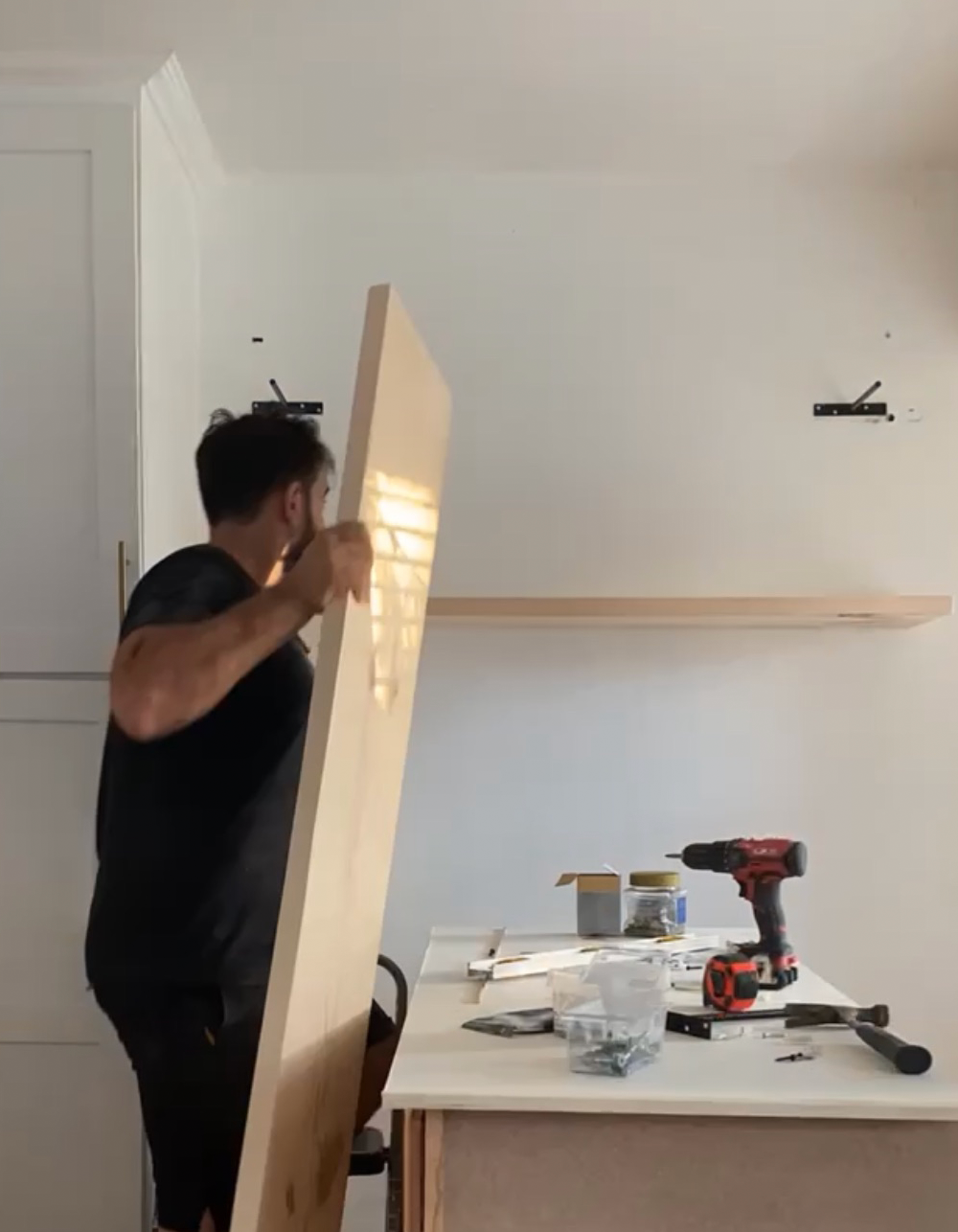
Place the bracket against the wall at the desired height. Use a level tool to make sure it is perfectly horizontal. Mark the screw holes on the wall with a pencil. Check the marks twice to avoid mistakes. The bracket must be straight to hold the shelf evenly.
Drilling Pilot Holes
Select a drill bit slightly smaller than the screws. Drill pilot holes on the pencil marks carefully. These holes guide the screws and prevent the wall from cracking. Drill slowly and keep the drill steady. Clean any dust from the holes before continuing.
Securing With Screws
Insert screws into the pilot holes through the bracket. Tighten the screws firmly but avoid over-tightening. Over-tightening can damage the wall or bracket. Use a screwdriver or drill with a proper bit. Double-check the bracket is still level after securing it.

Credit: www.youtube.com
Attaching The Shelf To The Bracket
Attaching the shelf to the bracket is where your project starts to take shape. This step requires precision to ensure your floating shelf looks seamless and holds steady. A careful approach here saves you from future hassles like wobbling or uneven surfaces.
Sliding The Shelf Into Place
Begin by carefully aligning the shelf with the bracket arms. Hold the shelf firmly and slide it onto the bracket until it fits snugly. You might feel slight resistance—this means the shelf is engaging with the bracket properly.
If the shelf doesn’t slide in smoothly, don’t force it. Check if the bracket is level or if there’s any obstruction. A gentle wiggle can help, but persistent resistance signals a need to re-examine your setup.
Checking Stability
Once the shelf is on the bracket, it’s time to test its stability. Apply gentle pressure from different angles—push down, pull forward, and press sideways. The shelf should feel firmly anchored without any movement.
If you notice any wobbling, it’s a sign the shelf might not be seated correctly or the bracket isn’t secured well. Stability is key to avoid accidents or damage to your wall and belongings.
Adjusting Alignment
Look closely at the shelf’s position. Is it perfectly horizontal and flush against the wall? Even a slight tilt can affect both appearance and function. Use a spirit level to verify alignment.
If you spot misalignment, adjust the shelf by sliding it slightly or loosening the bracket screws to reposition. Small tweaks make a big difference in the final look, so take your time to get it right.
Tips For Maintaining Shelf Stability
Maintaining the stability of your floating shelf is key to keeping it safe and durable. A stable shelf holds your items securely and looks good on your wall over time. Follow these simple tips to ensure your shelf remains steady and reliable.
Weight Distribution
Place heavier items near the wall bracket. Keep lighter objects toward the shelf edge. This balance prevents the shelf from tilting or sagging. Avoid clustering all weight on one side to maintain even support.
Regular Inspection
Check the shelf and brackets often for any signs of wear. Look for loose screws or cracks in the wall. Tighten any loose fittings immediately. Early detection stops bigger problems and keeps the shelf secure.
Avoiding Overloading
Know the weight limit of your floating shelf. Do not exceed this limit with heavy items. Spread out your belongings to reduce stress on the shelf. Overloading can cause damage and risk falling objects.
Frequently Asked Questions
How Do You Securely Attach A Floating Shelf To Drywall?
To securely attach a floating shelf to drywall, locate wall studs and use heavy-duty anchors or screws. This ensures the shelf supports weight safely and prevents it from falling or damaging the wall.
What Tools Are Needed To Install A Floating Shelf?
You need a drill, level, stud finder, screwdriver, measuring tape, and wall anchors or screws to install a floating shelf properly and safely.
Can Floating Shelves Hold Heavy Items Safely?
Yes, floating shelves can hold heavy items if mounted to wall studs with proper anchors and screws. Avoid overloading beyond the shelf’s weight capacity.
How Do You Find Studs For Floating Shelf Installation?
Use a stud finder to locate studs behind drywall. Mark their position with a pencil to ensure secure screw placement for the floating shelf.
Conclusion
Attaching a floating shelf to the wall is simple with the right steps. Choose the right tools and anchors for a strong hold. Measure carefully to keep the shelf level and steady. Secure the shelf tightly to avoid any accidents.
This method works well for many rooms and styles. Enjoy your new shelf that looks clean and modern. Try it yourself and add useful space to your home. A little effort brings big rewards.



