
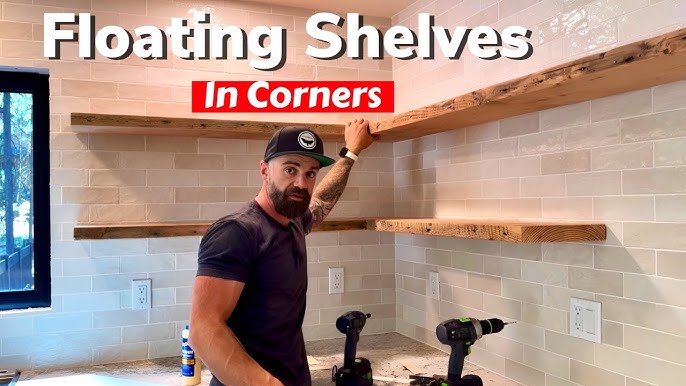
You want to add style and storage to your space without bulky furniture getting in the way. Floating shelves are the perfect solution—they look sleek and keep your walls clutter-free.
But how do you attach them securely so they hold your favorite books, plants, or decorations without falling? In this guide, you’ll learn simple, step-by-step methods to mount floating shelves safely and confidently. By the end, you’ll have the skills to transform your walls and make your room truly yours.
Keep reading, and let’s get your shelves up the right way!
Choosing The Right Shelves
Choosing the right floating shelves is key to a successful wall installation. Shelves vary in style, material, and strength. Picking the right type helps match your room’s look and holds your items safely. Consider the shelf’s design, material, and how much weight it can support. This makes your shelves both beautiful and functional.
Types Of Floating Shelves
Floating shelves come in many shapes and styles. Some have hidden brackets for a clean, modern look. Others show metal or wooden supports for a rustic feel. Common types include:
- Simple rectangular shelves
- Corner shelves that fit into room angles
- Box shelves that hold small items securely
- Tiered shelves for displaying multiple layers
Choose a style that fits your wall space and what you want to display.
Materials And Finishes
Shelves are made from different materials. Wood is popular for its warmth and strength. Metal shelves offer a sleek, industrial look. Glass shelves add elegance but hold less weight.
Finishes affect both style and durability. You might choose painted, stained, or natural wood finishes. Powder-coated metal resists rust and looks neat. Clear or frosted glass fits modern decor well.
Weight Capacity Considerations
Each floating shelf has a weight limit. This depends on materials, size, and mounting hardware. Light shelves hold small objects like picture frames. Heavy-duty shelves support books or kitchenware.
Check the shelf’s weight rating before buying. Match it to the items you plan to place. Overloading shelves can cause damage or accidents.
Gathering Tools And Materials
Before attaching floating shelves, gather all necessary tools and materials. Preparation ensures a smooth and safe installation. Having everything ready saves time and avoids interruptions.
Essential Tools List
- Power drill with drill bits
- Stud finder
- Level
- Measuring tape
- Pencil
- Screwdriver
- Hammer
- Wall anchors
Recommended Hardware
- Screws suitable for wall type
- Brackets or mounting plates
- Toggle bolts for drywall
- Wood screws for studs
- Floating shelf kit (optional)
Safety Equipment
- Safety glasses to protect eyes
- Work gloves to protect hands
- Dust mask for drilling dust
- Ear protection for loud tools
Preparing The Wall
Check the wall for studs using a stud finder to ensure strong support. Clean and smooth the surface to help shelves stick properly. Mark the spots where you will drill holes for accurate placement.
Preparing the wall is a vital step before attaching floating shelves. This process ensures stability and safety. Proper preparation avoids future mishaps, like shelves falling off.Locating Wall Studs
Finding wall studs is crucial for secure shelf attachment. Use a stud finder for accuracy. Move it slowly over the wall. Listen for beeps or lights indicating a stud. Mark these points with a pencil. Studs provide strong support for heavy items.Checking Wall Material
Identify your wall’s material before drilling. Common types include drywall, plaster, and concrete. Each requires different tools and techniques. For drywall, use anchors for extra support. Concrete walls need special drill bits. Plaster walls may need careful handling to avoid cracks.Marking Shelf Placement
Decide where you want your shelves. Use a tape measure for precision. Mark the spots lightly with a pencil. Ensure the marks align with the studs. Use a level to keep shelves straight. Double-check measurements before proceeding.
Credit: www.youtube.com
Mounting Brackets Installation
Mounting brackets are the backbone of floating shelves. They hold the shelf securely on the wall. Proper installation ensures strength and safety. Follow these steps to install mounting brackets correctly.
Aligning Brackets
Place the brackets on the wall at the desired height. Use a level to make sure they are straight. Mark the bracket holes on the wall with a pencil. Check the distance between brackets matches the shelf size.
Drilling Pilot Holes
Choose a drill bit slightly smaller than the wall anchors or screws. Drill holes at the marked spots carefully. Pilot holes help prevent the wall from cracking. They also make screw insertion easier and more secure.
Securing Brackets
Insert wall anchors if needed for extra support. Attach brackets to the wall using screws. Tighten screws firmly but avoid over-tightening. Test bracket stability by gently pulling them before placing the shelf.
Attaching Shelves To Brackets
Attaching floating shelves to brackets is a key step for a strong, clean look. The process involves carefully placing the shelf on the bracket and fixing it so it stays secure. This step ensures the shelf holds weight and looks neat on the wall. Follow simple actions to position and secure the shelf correctly.
Positioning The Shelf
Place the shelf gently on the mounted brackets. Align the shelf edges with the bracket arms for balance. Make sure the shelf sits fully on each bracket to avoid wobbling. Check that the shelf fits snugly without gaps.
Securing With Screws
Find the screw holes on the bracket and shelf bottom. Use screws that match the bracket size and material. Insert screws through the bracket holes into the shelf firmly. Tighten screws to hold the shelf in place but avoid over-tightening.
Ensuring Level Placement
Use a spirit level on top of the shelf. Adjust the shelf slightly if it tilts in any direction. Confirm the shelf is perfectly horizontal before final tightening. A level shelf prevents items from sliding off and improves the look.

Credit: www.youtube.com
Finishing Touches
After securely attaching your floating shelves, the final details really bring the project together. Paying attention to the finishing touches ensures your shelves not only hold up well but also look polished and professional. These last steps can make a big difference in the overall appearance and durability of your installation.
Hiding Hardware
Exposed screws or brackets can distract from the sleek look of floating shelves. Use wood filler or matching putty to cover screw heads and any small gaps around the hardware. Choose a filler color that closely matches your shelf or wall for a seamless finish.
If you’re working with metal brackets that can’t be concealed, consider decorative caps or small pieces of trim to disguise them. This simple step can turn a functional necessity into a design feature.
Touching Up Paint
Chances are, some paint chips or marks appeared during installation. Grab your wall paint and a small brush to carefully touch up these spots. A steady hand makes all the difference here—work in natural light if possible to catch any uneven patches.
Don’t forget to check the edges of the shelves too. A little paint on the shelf edges can create a crisp border that enhances the overall look. Have you noticed how a small paint fix can instantly freshen up a space?
Testing Shelf Stability
Before filling your shelves with items, test their stability by gently pressing down and shifting weight slightly. This helps identify any movement or looseness that might need tightening. It’s better to catch these issues now than after you’ve added your favorite books or decor.
Try placing a few heavier items and observe if the shelf holds firm. If you feel any wobble, revisit your mounting points and secure them further. This quick check can save you from future accidents and give you peace of mind.
Common Mistakes To Avoid
Attaching floating shelves might seem simple, but many make mistakes that cause damage or poor results. Avoid these common errors to keep your shelves safe and steady. Paying attention to details saves time and effort later. Read on to learn what to watch out for when installing floating shelves.
Ignoring Weight Limits
Every floating shelf has a weight limit. Exceeding it can cause the shelf to fall. Check the product details before installation. Use shelves only for items that fit within the limit. Heavy objects need stronger support or different shelf types.
Skipping Studs
Wall studs hold the shelf firmly. Mounting shelves only on drywall weakens support. Use a stud finder to locate studs in the wall. Attach brackets or anchors into studs for maximum strength. Avoid relying on drywall anchors alone for heavy shelves.
Improper Leveling
Uneven shelves look bad and cause items to slide off. Use a level tool during installation to ensure balance. Double-check the shelf before fixing it permanently. Small adjustments can prevent a crooked shelf. Level shelves improve both safety and appearance.
Maintenance Tips
Keeping your floating shelves sturdy and looking great requires more than just proper installation. Paying attention to maintenance can save you from unexpected damage and costly repairs. Here are some practical tips to help you care for your shelves and keep them performing well over time.
Regular Checks
Inspect your floating shelves regularly for any signs of wear or looseness. Look for cracks, wobbling, or screws that may have loosened over time. Catching these issues early can prevent shelves from falling or items from getting damaged.
Ask yourself: Are the shelves still firmly attached after a few weeks or months? If you notice any movement, tighten the brackets or anchors immediately to maintain stability.
Cleaning Guidelines
Dust and dirt can accumulate quickly on floating shelves, especially if you display decorative items. Use a soft cloth or microfiber duster to clean the surfaces gently.
Avoid harsh chemical cleaners that can damage the shelf finish. Instead, use mild soap diluted in water for tougher stains, then wipe dry with a clean cloth. This simple routine helps preserve the shelf’s look and prevents buildup that could weaken the material.
Handling Overloads
Floating shelves have weight limits based on their design and wall anchors. Resist the urge to overload them, even if the shelf feels strong. Excess weight can cause shelves to sag or detach from the wall.
Think about the heaviest item you plan to place. Distribute weight evenly across the shelf rather than concentrating it in one spot. If you find yourself needing to display heavier objects, consider adding extra support or choosing shelves designed for higher loads.

Credit: www.create-enjoy.com
Frequently Asked Questions
How Do You Securely Attach Floating Shelves To Walls?
Use wall studs for maximum support when attaching floating shelves. Locate studs with a stud finder, mark them, and use appropriate screws and anchors. This ensures the shelves hold weight safely without sagging or falling.
What Tools Are Needed To Mount Floating Shelves?
You will need a stud finder, drill, level, screwdriver, measuring tape, and wall anchors. These tools help you locate studs, make accurate holes, and securely fasten the shelves to the wall.
Can Floating Shelves Hold Heavy Items Safely?
Yes, if attached to studs and using proper hardware, floating shelves can hold heavy items. Ensure the shelf material and brackets are rated for the intended weight to prevent damage or accidents.
How Do You Find Studs For Floating Shelf Installation?
Use a stud finder to scan the wall surface. It locates wooden studs behind drywall, which provide solid support for shelves. Mark the stud positions before drilling to ensure secure mounting.
Conclusion
Attaching floating shelves to the wall is simple with the right steps. Choose strong wall anchors and use a level for straight placement. Measure carefully to keep shelves even and secure. Tighten screws firmly to hold weight safely. Take your time and follow instructions closely.
Enjoy the neat, modern look that floating shelves bring. Small efforts lead to great results. Now, your wall can hold books, plants, or decor beautifully. Keep practicing for better skill and confidence.



