
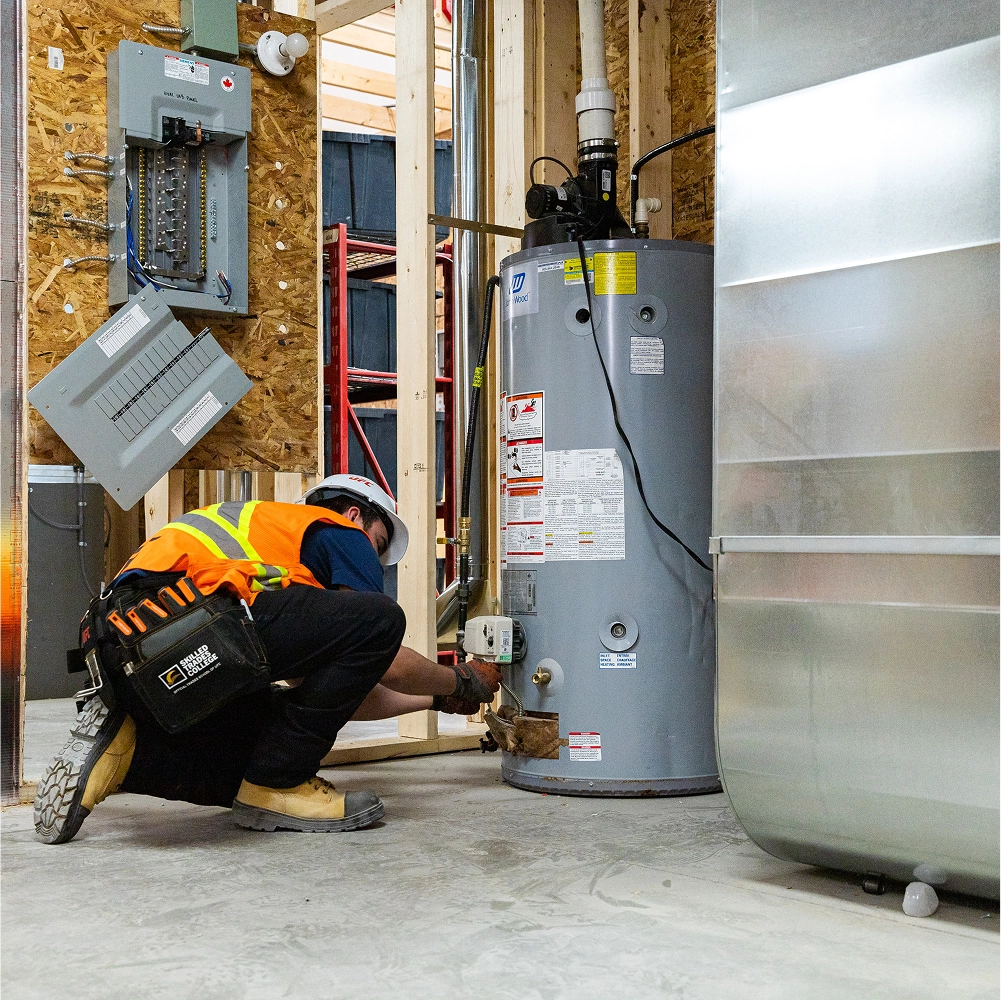
Are you ready to start a career that keeps homes and businesses comfortable all year round? Becoming an HVAC technician could be the perfect choice for you.
Imagine having the skills to fix heating and cooling systems, helping people stay cozy in winter and cool in summer. This job offers steady work, good pay, and the chance to learn something new every day. You’ll discover exactly what it takes to become an expert in HVAC, step by step.
Keep reading, and you’ll find out how to turn your interest into a rewarding career.

Credit: www.furnaceprices.ca
Career Path For Hvac Technicians
The career path for HVAC technicians offers steady growth and diverse opportunities. This field suits people who enjoy hands-on work and solving problems. Technicians often start with entry-level roles and gain skills through training or apprenticeships. Over time, they can advance to more specialized or supervisory positions. The HVAC industry keeps evolving with new technologies, creating room for learning and advancement.
Job Roles And Responsibilities
HVAC technicians install, maintain, and repair heating, ventilation, and air conditioning systems. They inspect equipment to ensure proper function and safety. Troubleshooting is a key part of their job to find faults quickly. Technicians read blueprints and follow safety codes. Customer service skills matter when explaining repairs or maintenance to clients. Some roles focus on residential systems, others on commercial or industrial units.
- Install HVAC systems in homes or businesses
- Perform regular maintenance and inspections
- Diagnose and fix system problems
- Follow safety standards and local codes
- Keep records of work done and parts used
Industry Demand And Opportunities
Demand for HVAC technicians grows due to new construction and system upgrades. Energy-efficient and smart HVAC systems increase the need for skilled workers. Technicians with knowledge of green technologies have an advantage. Jobs exist in residential, commercial, and industrial sectors. Many companies offer apprenticeships to help beginners learn on the job. Advancement opportunities include becoming a lead technician, supervisor, or starting your own business.
Essential Skills For Hvac Technicians
Becoming an effective HVAC technician requires more than just basic training. You need a blend of skills that help you handle technical tasks, solve unexpected problems, and communicate well with customers. Developing these essential skills will set you apart and make your work smoother and more rewarding.
Technical Knowledge
Your foundation as an HVAC technician is strong technical knowledge. You should understand how heating, ventilation, and air conditioning systems work, including electrical circuits, refrigerants, and system components.
Hands-on experience is crucial. Working with different types of equipment helps you quickly identify issues and perform repairs confidently. Have you ever encountered a system that just wouldn’t work as expected? That’s where deep technical knowledge saves the day.
Problem-solving Abilities
Every HVAC job brings unique challenges. Your ability to analyze symptoms, pinpoint root causes, and decide the best fix makes you invaluable. Quick thinking prevents small problems from becoming costly repairs.
Approach each task like a puzzle. Ask yourself: What’s the system telling me? What’s changed since it last worked well? Building strong problem-solving skills helps you work efficiently and reduce downtime.
Customer Service Skills
How you interact with customers affects your reputation and success. Clear communication builds trust and helps customers understand what you’re doing and why. Listening carefully to their concerns shows respect and professionalism.
Imagine explaining a complex repair in simple terms that anyone can understand. That’s a skill worth practicing. Positive customer experiences lead to repeat business and referrals, which are vital in this field.
Education And Training Requirements
Becoming an HVAC technician requires a solid foundation of education and hands-on training. The path you choose can shape your skills and job opportunities. Understanding the key educational steps will help you plan effectively and stand out in this technical field.
High School Courses
Your journey starts with high school courses that build essential skills. Focus on math classes like algebra and geometry to help with measurements and calculations. Science courses, especially physics and chemistry, explain how heating and cooling systems work.
Don’t overlook technical subjects like electronics and mechanical drawing. These will give you a head start in understanding HVAC components and system design. Have you considered how your current classes might connect to real-world HVAC tasks?
Vocational Schools And Apprenticeships
Vocational schools offer specialized HVAC programs where you learn system installation, repair, and maintenance. These programs usually combine classroom theory with practical labs. You get to work on actual equipment, which builds confidence and skills.
Apprenticeships provide hands-on experience under the guidance of seasoned technicians. They often last 3 to 5 years and can be paid, making them a practical choice. During your apprenticeship, you’ll see the daily challenges of HVAC work and learn how to solve them efficiently.
Certification Programs
Certifications prove your expertise and can boost your employability. The EPA Section 608 Certification is mandatory for handling refrigerants safely. Other certifications, like those from HVAC Excellence or NATE, validate your knowledge in specific areas.
Preparing for these exams sharpens your understanding and keeps you updated on industry standards. Ask yourself which certifications align best with your career goals and local regulations. Earning them shows employers you’re serious and ready to deliver quality work.
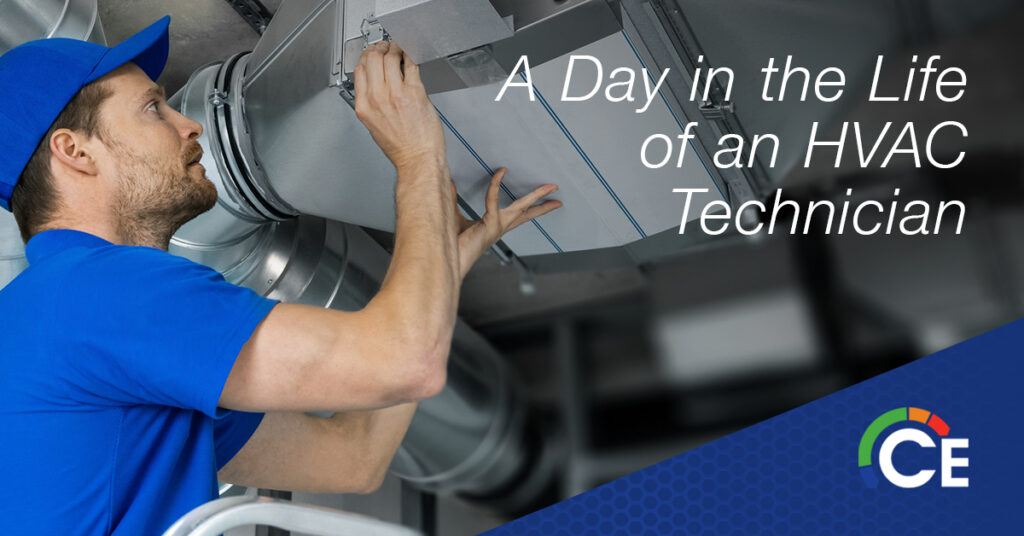
Credit: www.carrierenterprise.com
Licensing And Certification
Licensing and certification form the foundation of a career as an HVAC technician. These credentials prove your skills and allow you to work legally. Obtaining proper certifications ensures safety and quality in heating, ventilation, and air conditioning services. Different certifications target various aspects of the HVAC field, from handling refrigerants to advanced system diagnostics.
Epa Certification
EPA certification is essential for HVAC technicians. It allows handling refrigerants safely and legally. The Environmental Protection Agency requires this certification to protect the environment. There are three types:
- Type I – For small appliances
- Type II – For high-pressure appliances
- Type III – For low-pressure appliances
Technicians must pass a test to earn the EPA certification. Without it, working with refrigerants is illegal.
State Licensing Requirements
State licensing rules vary widely across the U.S. Some states require HVAC technicians to hold a license. Licensing often involves passing an exam and proving work experience. States may also require continuing education. Check local regulations before starting work. Licensing protects consumers and ensures competent service.
Advanced Certifications
Advanced certifications boost your career opportunities. Specialized certifications cover areas like:
- Energy efficiency
- Commercial refrigeration
- System design and installation
Organizations like HVAC Excellence and NATE offer these credentials. They demonstrate expertise and commitment to the trade. Advanced certifications often lead to higher pay and better job prospects.
Tools And Equipment Used
Essential tools for HVAC technicians include gauges, thermometers, and multimeters. Proper equipment ensures accurate diagnosis and efficient repairs. Safety gear like gloves and goggles protects during work.
To become an HVAC technician, understanding the tools and equipment used is crucial. These tools ensure efficiency and safety on the job. Knowing how to use them correctly can make a significant difference in your work performance. Below, we explore the essential tools and equipment every HVAC technician should have.Basic Hvac Tools
Basic tools form the foundation of an HVAC technician’s toolkit. They include wrenches, screwdrivers, and pliers. These tools help with general maintenance tasks. Tape measures and levels ensure precise installations. A reliable drill is essential for securing components. These basic tools are easy to handle and highly efficient.Diagnostic Instruments
Diagnostic instruments pinpoint issues in HVAC systems. Multimeters measure electrical currents and voltages. They identify electrical problems quickly. Manifold gauges check refrigerant levels in systems. Thermometers measure air temperatures accurately. These instruments are vital for diagnosing and fixing HVAC issues.Safety Gear
Safety gear protects technicians from potential hazards. Gloves protect hands from sharp objects and chemicals. Safety glasses shield eyes from debris. Steel-toed boots prevent foot injuries. Ear protection guards against loud noise from equipment. Wearing safety gear ensures technicians stay safe while working.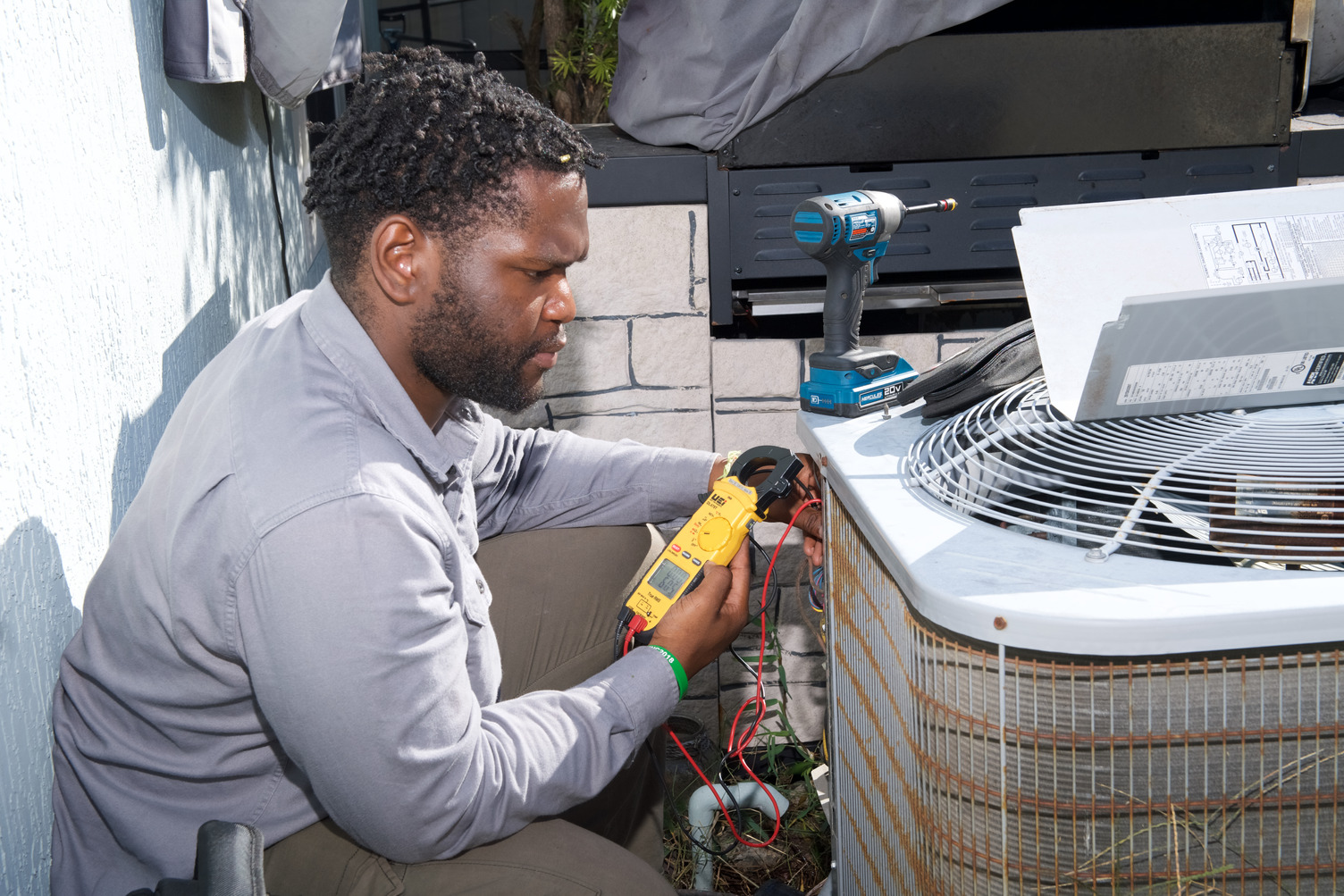
Credit: www.rsi.edu
On-the-job Experience
Gaining on-the-job experience is essential for becoming a skilled HVAC technician. It bridges the gap between theory and real-world application, allowing you to understand the nuances of the trade. This hands-on exposure builds confidence and sharpens your problem-solving skills in actual work settings.
Apprenticeship Benefits
Joining an apprenticeship program lets you work alongside seasoned professionals while earning a paycheck. You get to see different systems in action, from residential units to complex commercial setups.
Apprenticeships offer structured learning with a mix of classroom instruction and fieldwork. This combination helps you grasp technical concepts and apply them immediately. Plus, you build a network of contacts that can open doors to future opportunities.
Have you considered how much faster you could learn by watching an expert troubleshoot a tricky problem versus reading about it? This real-time insight is invaluable in your growth.
Hands-on Training Tips
- Ask questions actively.Don’t hesitate to clarify doubts; curiosity accelerates learning.
- Keep a detailed work journal.Record what you observe and tasks you perform to track progress and revisit techniques.
- Practice safety protocols strictly.Handling HVAC equipment involves risks—prioritize safe work habits to protect yourself and others.
- Request varied assignments.Exposure to different systems enhances your adaptability and expertise.
Imagine how much faster you would master repair techniques if you practiced them repeatedly under supervision. Repetition, combined with expert feedback, makes skills stick.
What’s one challenge you’ve faced on the job that taught you more than any textbook? Sharing these experiences can highlight how hands-on work truly shapes your capabilities.
Career Advancement Strategies
Advancing your career as an HVAC technician means more than just clocking hours on the job. It requires strategic moves that build your expertise, expand your opportunities, and increase your earning potential. Focusing on specific paths can help you stand out and grow in this competitive field.
Specializing In Hvac Systems
Choosing to specialize in a particular HVAC system can set you apart from other technicians. You might focus on refrigeration, commercial HVAC, or green energy systems like solar-powered heating. Specialization often leads to higher pay and more job security because fewer technicians have those skills.
Think about what interests you most or where you’ve seen growing demand. Specializing also means you can solve complex problems faster, making you the go-to expert in your area. How can you identify which specialty fits your skills and the market needs?
Starting Your Own Business
Owning your HVAC business gives you control over your income and work schedule. It requires knowledge beyond just technical skills, including marketing, customer service, and managing finances. Many successful technicians started small by offering services to friends and family before expanding.
Running a business challenges you to think differently and develop leadership skills. It also allows you to build a personal brand and loyal customer base. Are you ready to take the leap from technician to entrepreneur?
Continuing Education
Technology in HVAC is always evolving, so staying updated is crucial. Attending workshops, earning certifications, and completing advanced courses keep your skills sharp and relevant. Many employers look for technicians who invest in their education because they bring more value to the team.
Continuing education also opens doors to new specializations and higher-level positions. It can be as simple as online courses or as involved as enrolling in a technical college program. What new skills could you learn that would boost your career right now?
Common Challenges And Solutions
Challenges like understanding complex systems and managing time arise in HVAC work. Gaining hands-on experience and good training helps solve these issues effectively. Clear communication with clients also improves job success.
Being an HVAC technician is a rewarding career, but it comes with its own set of challenges. Understanding these challenges and knowing how to overcome them can make your job more efficient and enjoyable. Here, we explore some common hurdles you might face and offer practical solutions.Dealing With Difficult Repairs
Every HVAC technician encounters challenging repairs that can be frustrating. Sometimes, diagnosing the problem is half the battle. To tackle these issues, always start with a systematic approach, checking each component step by step. Consider keeping a detailed logbook of past repairs. It can serve as a valuable reference for similar issues in the future. Don’t hesitate to reach out to fellow technicians for advice, as sharing insights can often lead to quicker solutions.Managing Customer Expectations
Customers often have unrealistic expectations about repair times and costs. Clear communication is key to managing these expectations. Always provide a detailed estimate before starting any work. Explain the process to the customer in simple terms. This transparency builds trust and reduces the likelihood of misunderstandings. Remember, a satisfied customer is your best advertisement.Maintaining Work-life Balance
Balancing work and personal life is crucial yet challenging in the HVAC industry. Long hours and emergency calls can disrupt your personal time. Set clear boundaries and prioritize your time effectively. Schedule regular breaks and make use of downtime to relax and recharge. It’s important to remember that taking care of yourself enables you to perform better on the job. How do you ensure your personal time doesn’t get lost in the shuffle of work demands? By recognizing these challenges and implementing these solutions, you can enhance your efficiency and job satisfaction as an HVAC technician.Frequently Asked Questions
What Qualifications Do I Need To Become An Hvac Technician?
To become an HVAC technician, you typically need a high school diploma or GED. Completing a technical training program or apprenticeship is highly recommended. Certification from organizations like NATE can boost job prospects. Hands-on experience is essential for skill development and career growth.
How Long Does Hvac Technician Training Take?
HVAC training usually takes 6 months to 2 years, depending on the program. Certificate courses are shorter, while associate degrees take longer. Apprenticeships combine training with work experience and typically last 3-5 years. Continuous learning is important due to evolving technologies.
What Skills Are Essential For Hvac Technicians?
Key skills include mechanical aptitude, problem-solving, and attention to detail. Good communication helps in explaining issues to clients. Physical stamina is important for handling equipment and working in various conditions. Basic math skills are needed for measurements and system calculations.
How Much Can An Hvac Technician Earn Annually?
The average salary for HVAC technicians ranges from $40,000 to $70,000 per year. Earnings vary by experience, location, and certifications. Specialized skills and emergency services often command higher pay. Benefits and bonuses can also supplement total compensation.
Conclusion
Becoming an HVAC technician takes time and effort. Start by learning the basics of heating and cooling systems. Practice your skills regularly to improve. Get certified to show your knowledge and gain trust. Stay updated with new technology and tools.
Work safely and follow all guidelines. This career offers good opportunities and steady work. Keep learning and stay curious. Success comes with patience and hard work. Your journey as an HVAC technician can be rewarding.



