
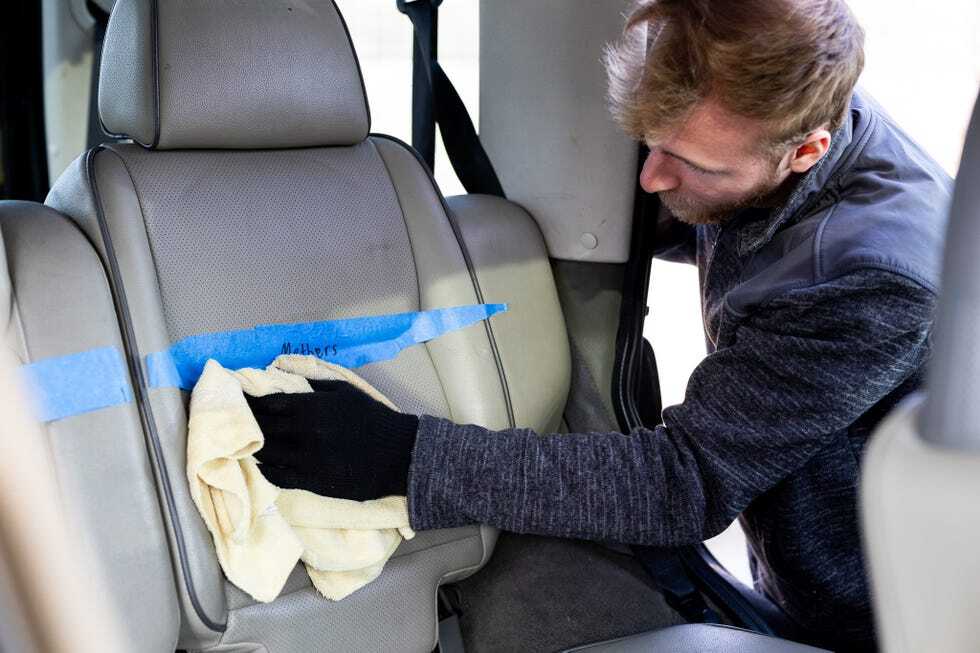
Your ventilated seats offer a cool, comfortable ride, especially on hot days. But over time, dust, dirt, and sweat can clog those tiny vents, making your seats less effective and harder to clean.
If you want to keep your seats fresh, working smoothly, and looking like new, you need the right cleaning method. In this guide, you’ll discover simple, effective steps to clean your ventilated seats without causing damage. Keep reading, and learn how to protect your investment while enjoying every drive in comfort.
Credit: limelightdetail.com
Tools And Materials Needed
Cleaning ventilated seats needs special tools and materials. These help keep the seats fresh and working well. Using the right items makes the cleaning easier and protects the seat fabric and mechanisms.
Gather all items before starting. This saves time and avoids interruptions. Use gentle products to avoid damage. Soft tools help reach tight spaces without scratching.
Soft Microfiber Cloths
- Ideal for wiping and drying seats
- Prevents scratching delicate surfaces
- Easy to clean and reuse
Vacuum Cleaner With Brush Attachment
- Removes dust and debris from vents and seams
- Brush attachment helps reach small openings
- Keeps the seat ventilated system clear
Mild Upholstery Cleaner
- Safe for leather, fabric, and synthetic seats
- Removes stains without harsh chemicals
- Maintains seat softness and color
Soft-bristled Brush
- Loosens dirt from vents and fabric
- Gentle on seat material
- Helps clean hard-to-reach areas
Compressed Air Canister
- Blows out dust from ventilation holes
- Prevents clogging in seat fans
- Useful for detailed cleaning
Preparing The Seat
Preparing the ventilated seat properly ensures a thorough and safe cleaning process. This step helps avoid damage and improves cleaning results. Start by clearing the seat surface and checking its material type. These actions make cleaning easier and protect the seat’s ventilation system.
Remove Loose Debris
Begin by removing any loose dirt, dust, or crumbs from the seat. Use a soft brush or a vacuum cleaner with a brush attachment. Gently clean the seat surface and the gaps where air flows. This prevents debris from entering the ventilation holes during cleaning.
Be careful not to press too hard to avoid damaging the seat fabric or leather. Regular debris removal keeps the seat fresh and extends its lifespan.
Check Seat Material
Identify the seat material before applying any cleaning products. Ventilated seats come in leather, synthetic leather, or fabric. Each material needs different care to avoid damage.
- Leather seats require mild, leather-safe cleaners and conditioners.
- Fabric seats can handle water-based cleaners but avoid soaking them.
- Synthetic leather needs gentle cleaning with non-abrasive products.
Knowing the seat material prevents stains, discoloration, or cracking. Always test a small hidden area first to check how the seat reacts to the cleaner.
Cleaning Ventilated Seats
Cleaning ventilated seats keeps your car fresh and comfortable. These seats have tiny vents that blow air to cool you. Dirt and dust can block these vents, reducing their effectiveness. Proper cleaning helps maintain airflow and extends seat life. Use gentle care to avoid damage.
Use Gentle Cleaners
Choose mild soaps or cleaners made for leather or fabric. Avoid harsh chemicals that can harm the seat material. Test the cleaner on a small hidden spot first. Use a soft cloth or sponge to apply the cleaner. Gently wipe without scrubbing hard to protect the surface.
Avoid Excess Moisture
Too much water can damage ventilated seats and electronics inside. Use a damp cloth instead of soaking the seat. Dry the seats quickly with a clean towel. Let your car doors open to air dry after cleaning. Prevent water from entering seat vents or seams.
Clean Seat Vents
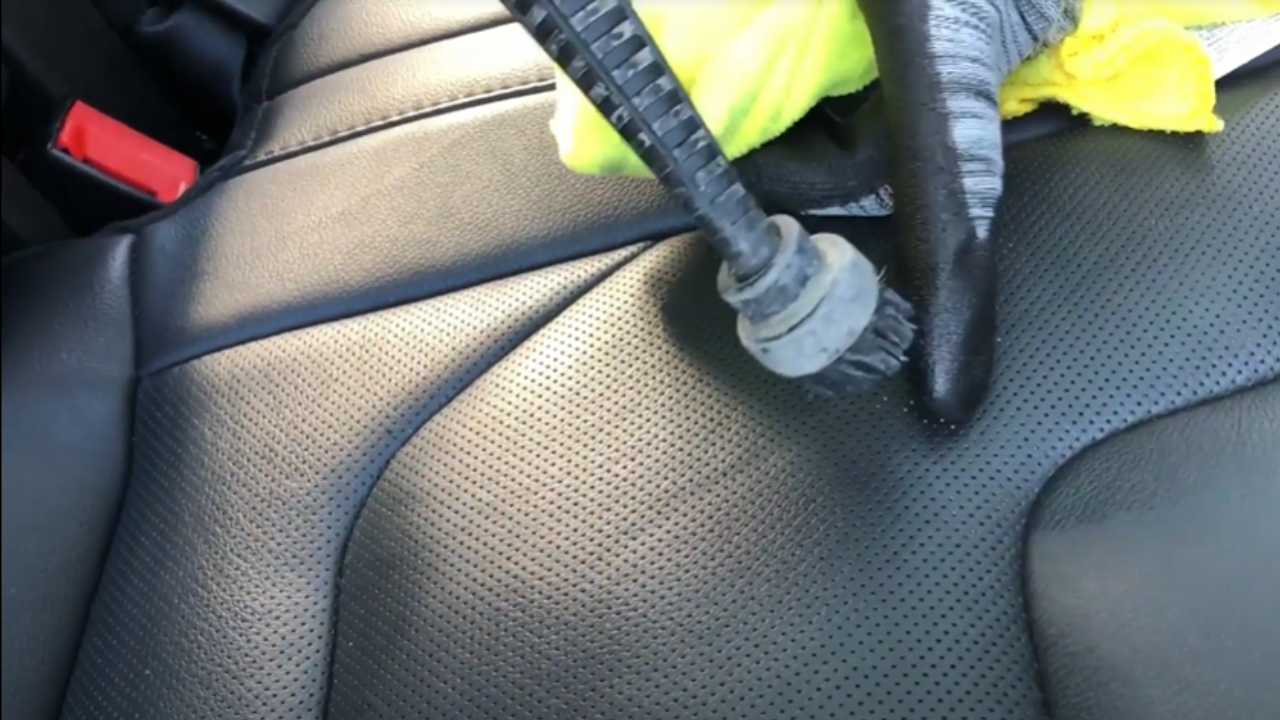
Use a soft brush or compressed air to clear dust from vents. Avoid pushing dirt deeper inside. Clean vents regularly to maintain good airflow. Remove debris carefully around vent openings. This keeps the ventilation system working properly and your seat fresh.

Credit: www.reddit.com
Drying Techniques
Drying ventilated seats properly is crucial to maintain their functionality and prevent damage. The right drying technique helps avoid moisture buildup that can lead to mold or unpleasant odors. Let’s look at some effective ways you can dry your seats safely and efficiently.
Air Drying
Air drying is the gentlest way to remove moisture from ventilated seats. After cleaning, leave your car doors or windows open in a shaded area to allow fresh air to circulate. Direct sunlight might seem helpful but can cause fading or cracking, so keep your seats out of harsh sun exposure.
Using a fan directed towards the seats can speed up the drying process. Have you noticed how damp seats can stay uncomfortable for hours? A fan helps reduce that wait time without risking damage.
Using Towels
Towels are excellent for soaking up excess water quickly. Use a clean, absorbent microfiber towel to gently press on the seats’ surface—avoid rubbing, which can push moisture deeper. I once saved a weekend trip by drying seats this way after a sudden rainstorm inside the car.
Change towels often if they become too wet to ensure you’re actually removing moisture. Pairing towel drying with air drying gives you the best results—towels handle the bulk of moisture, and air finishes the job.
Maintaining Freshness
Cleaning ventilated seats regularly keeps them fresh and working well. Use a soft brush to remove dust from vents and wipe with a damp cloth. Avoid harsh cleaners to protect the seat material and maintain airflow.
Maintaining freshness in ventilated seats enhances comfort and prolongs their lifespan. Clean seats prevent odors and keep the car interior inviting. Regular maintenance also ensures optimal airflow through the seat’s ventilation system.Regular Cleaning Schedule
A consistent cleaning routine keeps ventilated seats fresh. Vacuum the seats weekly to remove dust and debris. Use a soft brush attachment to reach small crevices. After vacuuming, wipe the seats with a damp microfiber cloth. This removes any lingering dirt or grime. For deeper cleaning, use a mild leather cleaner monthly. Avoid harsh chemicals that can damage the seat material.Protective Treatments
Protective treatments preserve seat freshness by creating a barrier against dirt. Apply a leather conditioner every three months. This keeps the material supple and less prone to cracking. Choose a conditioner specifically for ventilated leather seats. It should not clog the ventilation holes. Additionally, use a UV protectant to shield seats from sun damage. This reduces fading and keeps the seats looking new.
Credit: www.reddit.com
Frequently Asked Questions
How Do I Clean Ventilated Car Seats Safely?
Use a soft brush to remove dust and debris gently. Avoid soaking seats with water. Use a mild cleaner designed for leather or fabric. Always test the cleaner on a small area first. Dry seats completely before using them again.
What Products Work Best For Ventilated Seat Cleaning?
Mild leather or fabric cleaners are best for ventilated seats. Avoid harsh chemicals that can damage the material. Use products specifically made for car interiors. Microfiber cloths help clean without scratching surfaces. Regular maintenance extends the seats’ lifespan.
How Often Should I Clean Ventilated Seats?
Clean ventilated seats every 1-3 months, depending on use. Frequent cleaning prevents dirt buildup in the vents. Regular maintenance keeps seats fresh and functional. Spot clean spills immediately to avoid stains. Consistent care maintains comfort and appearance.
Can Water Damage Ventilated Seat Mechanisms?
Excess water can damage ventilated seat fans and wiring. Avoid soaking the seats during cleaning. Use minimal liquid and quick-dry methods. Ensure no moisture seeps into seat vents. Proper cleaning protects both fabric and internal components.
Conclusion
Cleaning ventilated seats keeps your car fresh and comfortable. Use gentle cleaners and soft brushes to avoid damage. Regular care stops dirt from building up inside the vents. Keep seats dry after cleaning to prevent mold and smells. Small efforts make a big difference in seat life.
Enjoy your clean, cool seats every time you drive. Simple steps lead to lasting comfort and cleanliness.



