
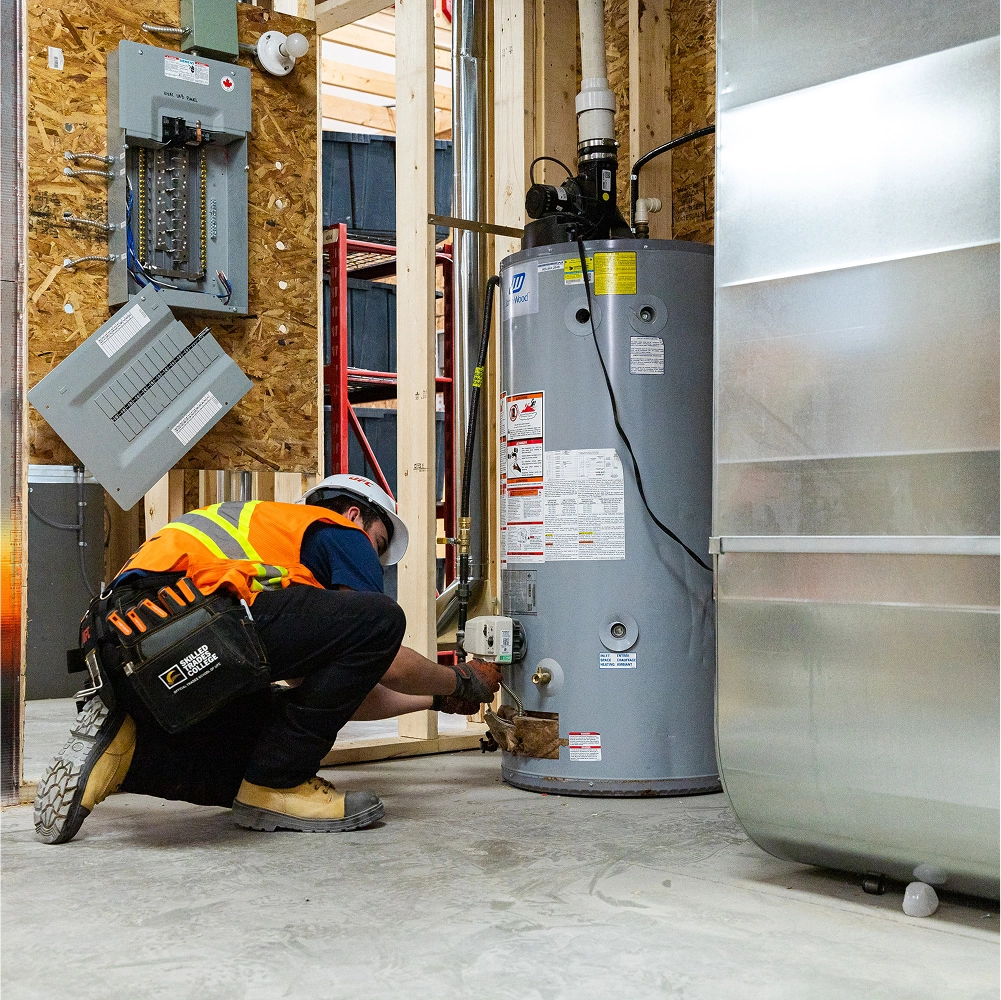
Are you ready to start a rewarding career as an air conditioning technician? If you enjoy working with your hands, solving problems, and want a job that keeps you busy year-round, this path might be perfect for you.
Becoming an air conditioning technician means you’ll learn how to install, repair, and maintain cooling systems that keep homes and businesses comfortable. You’ll discover the exact steps to take, the skills you need to develop, and how to stand out in this growing field.
Keep reading, and you’ll find everything you need to turn your interest into a successful career.
Credit: sbeodyssey.com
Career Path For Ac Technicians
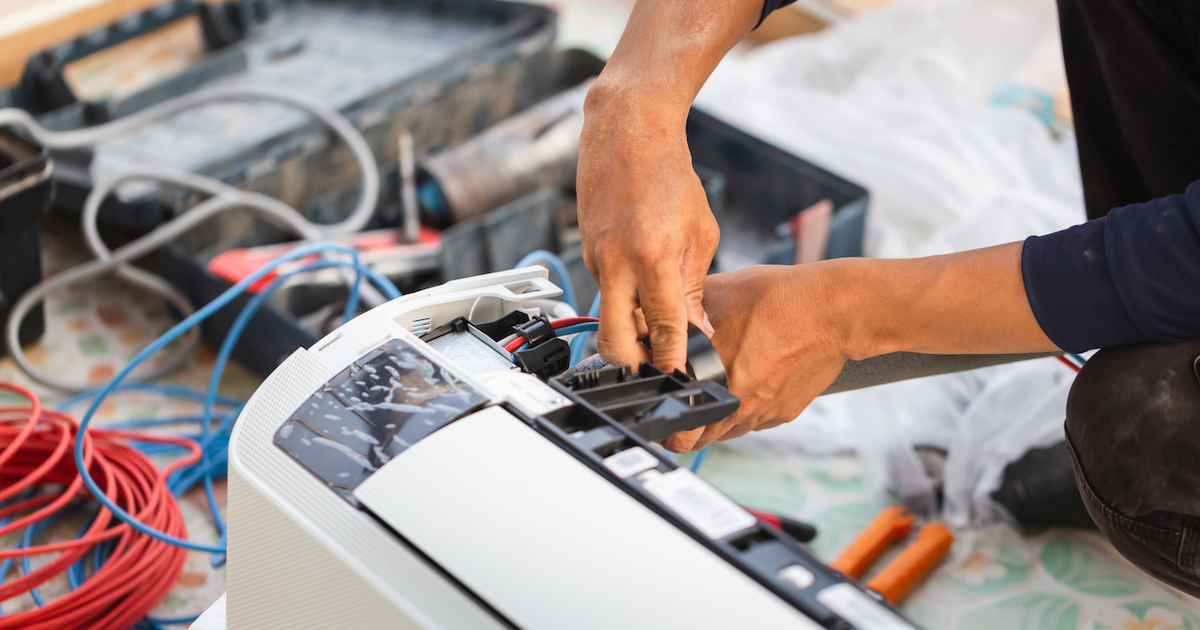
The career path for air conditioning (AC) technicians offers a clear progression from entry-level roles to advanced positions. Starting as an apprentice or junior technician, one gains hands-on experience. Skills improve over time, leading to more complex tasks and responsibilities. This field values practical knowledge and problem-solving abilities. Growth depends on continuous learning and certifications. The demand for skilled AC technicians remains steady, providing job security and opportunities.
Job Roles And Responsibilities
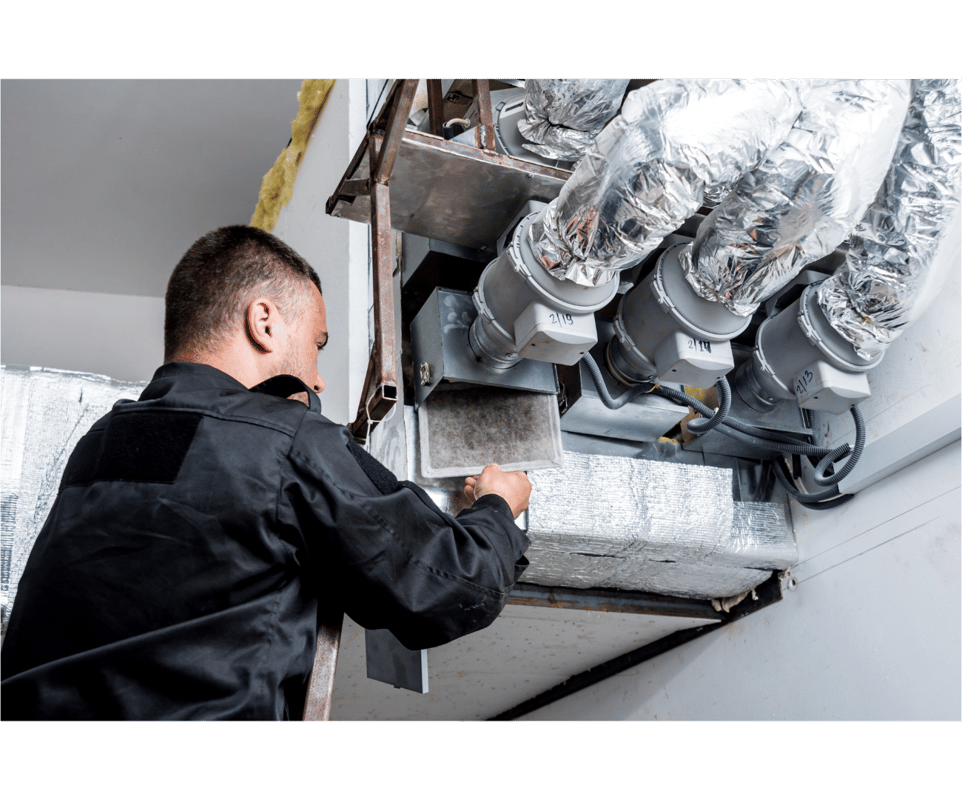
AC technicians install, maintain, and repair cooling systems. They inspect parts to find problems quickly. Technicians clean and replace filters to keep systems efficient. They read blueprints and follow safety rules carefully. Customer service is key when explaining repairs and costs. Documentation of work and parts used is essential. Sometimes, technicians test electrical components for faults. They also advise clients on system upgrades and energy savings.
Work Environment And Conditions
AC technicians work indoors and outdoors, often in tight spaces. The job requires physical activity, including lifting and bending. Technicians may work in homes, offices, or industrial sites. Weather conditions can affect outdoor work. Some tasks involve handling refrigerants and electrical parts safely. Work hours can include evenings or weekends for emergency repairs. Teamwork and communication are important in many settings. Safety gear like gloves and goggles is usually required.
Career Growth Opportunities
Technicians can advance to senior or lead roles over time. Specializing in commercial or industrial systems opens more doors. Earning certifications increases job prospects and salary. Some choose to become HVAC contractors or start their own business. Training others or working as an instructor is another path. Staying updated with new technology keeps skills relevant. Growth often comes with gaining trust and experience in the field.
Essential Skills And Qualifications
Becoming an air conditioning technician requires more than just a passion for fixing machines. You need a solid set of skills and qualifications to handle complex systems efficiently and safely. Understanding these essentials will help you build a strong foundation for a successful career.
Technical Skills Required
Working with HVAC systems means you must understand electrical circuits, refrigeration cycles, and mechanical components. You’ll often deal with troubleshooting, installing, and maintaining various air conditioning units.
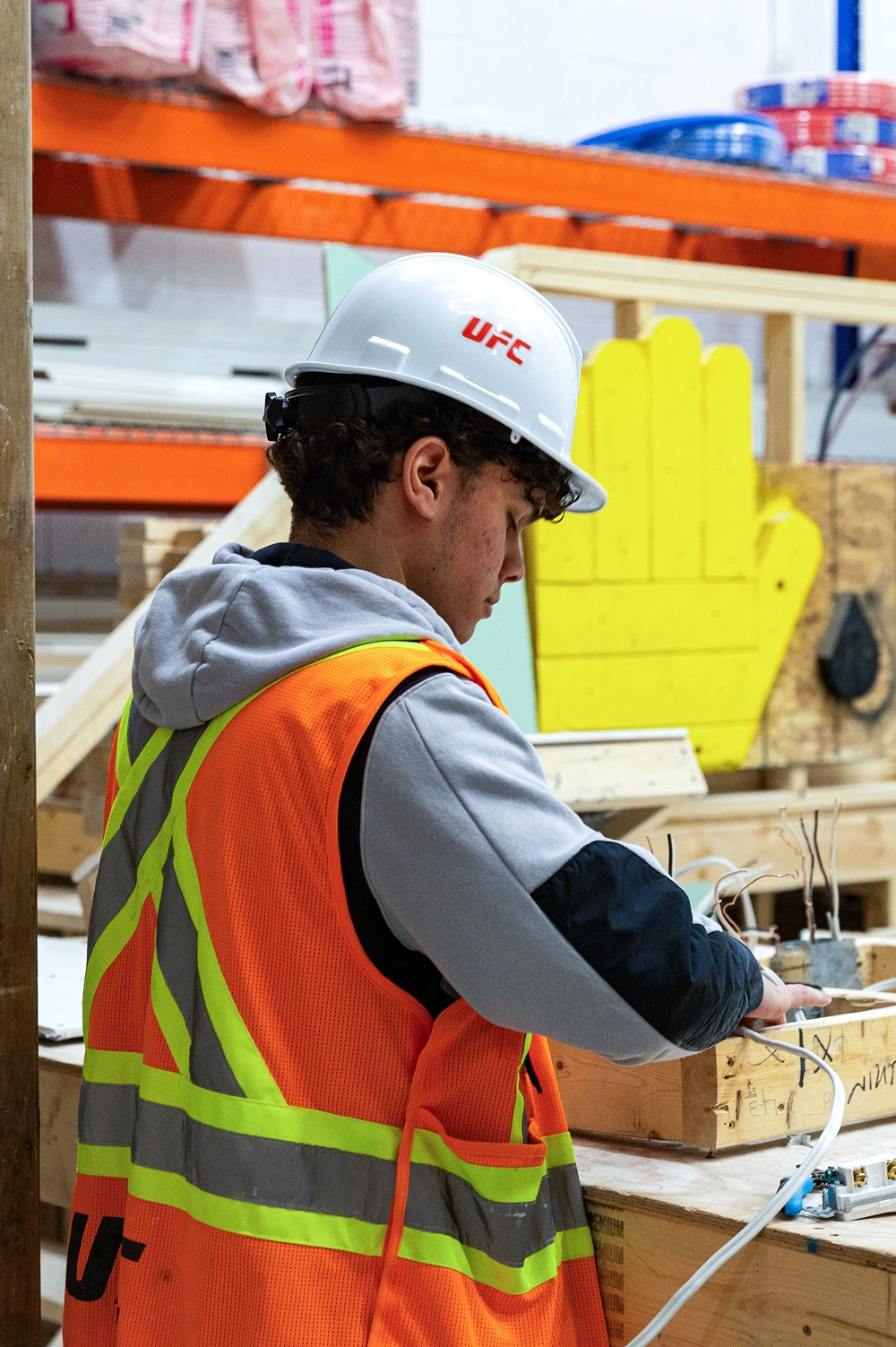
Hands-on skills like wiring, soldering, and using diagnostic tools are crucial. Precision and attention to detail can prevent costly mistakes or safety hazards.
Have you ever thought about how a small miscalculation in pressure or temperature can affect an entire system? That’s why mastering these technical skills is non-negotiable.
Soft Skills That Matter
Technical know-how alone won’t get you far. You need strong communication skills to explain issues and solutions clearly to customers or team members.
Problem-solving is part of your daily routine. Being patient and adaptable helps when systems don’t behave as expected.
Time management is another valuable skill. You’ll juggle multiple service calls, so staying organized keeps your day running smoothly.
Educational Requirements
A high school diploma or GED is typically the minimum education needed. From there, enrolling in a vocational or technical school program focused on HVAC technology can boost your expertise.
Many technicians complete apprenticeships that combine classroom learning with real-world experience. Certification through organizations like EPA (Environmental Protection Agency) is often required to handle refrigerants legally.
Ask yourself: Are you ready to commit to continuous learning? The HVAC field evolves, and staying updated with the latest technology and regulations is essential.
Training And Certification
Training and certification form the backbone of a successful career as an air conditioning technician. They not only equip you with essential knowledge and skills but also build credibility with employers and clients. Understanding the right training paths and certifications can set you apart in this competitive field.
Choosing The Right Training Program
Finding a training program that fits your goals and schedule is crucial. Look for programs accredited by recognized industry bodies or technical schools that offer hands-on experience. You want a mix of classroom learning and practical labs to prepare you for real-world challenges.
Ask yourself: Does the program cover the latest HVAC technologies? Does it offer flexible hours if you need to work while studying? These factors make a big difference in your learning journey.
Key Certifications To Obtain
Certifications prove your expertise and often influence your job prospects. The EPA Section 608 certification is mandatory in the U.S. for handling refrigerants. Besides that, certifications like NATE (North American Technician Excellence) demonstrate higher skill levels and boost your resume.
- EPA Section 608: Required for refrigerant handling.
- NATE Certification: Validates advanced technical knowledge.
- HVAC Excellence: Offers specialized credentials in various HVAC areas.
Which certifications align best with your career goals? Focusing on the right ones helps you avoid wasting time and money on unnecessary credentials.
Apprenticeship And On-the-job Training
Nothing beats learning on the job. Apprenticeships let you apply classroom knowledge under the guidance of experienced technicians. This real-world exposure sharpens your problem-solving skills and builds confidence.
During my apprenticeship, tackling unexpected issues taught me more than textbooks ever could. How will you seek out these hands-on opportunities? Look for local unions, HVAC companies, or trade associations offering apprenticeship programs.
Combining formal training with on-the-job experience creates a solid foundation for a thriving career as an air conditioning technician.
Licensing And Legal Requirements
Becoming an air conditioning technician requires understanding licensing and legal requirements. These rules ensure technicians work safely and professionally. Complying with these guidelines is crucial for a successful career. Below, we discuss key areas every aspiring technician should know.
State And Local Licensing Rules
Each state has specific licensing rules for air conditioning technicians. It’s vital to check local regulations before starting. Some states require passing exams, while others need specific training hours. Always stay updated with changes in local laws. This helps maintain compliance and avoid penalties.
Environmental Regulations
Technicians must follow environmental regulations to protect the planet. Handling refrigerants requires special certification. This ensures safe disposal and prevents harmful emissions. Technicians need to understand rules set by the Environmental Protection Agency (EPA). Proper training is key for meeting these standards.
Safety Standards Compliance
Safety is a top priority in the HVAC industry. Technicians should comply with safety standards to prevent accidents. Using the right tools and protective gear is essential. Regular safety training helps technicians stay aware of best practices. Following these standards ensures a safe working environment for everyone.
Tools And Equipment Basics
Having the right tools and equipment is essential for any air conditioning technician. These tools help complete tasks accurately and safely. Knowing the basics ensures you work efficiently and avoid costly mistakes.
Understanding the common tools used, how to maintain them, and when to upgrade your kit forms the foundation of your career. A well-prepared technician saves time and gains trust from clients and employers.
Common Tools Used By Technicians
- Manifold gauge set – measures pressure in AC systems
- Refrigerant leak detector – finds leaks quickly
- Vacuum pump – removes air and moisture from systems
- Thermometer – checks temperature differences
- Multimeter – tests electrical circuits and components
- Pipe cutter and flaring tool – prepares refrigerant lines
- Screwdrivers and wrenches – for assembly and repairs
- Safety gloves and goggles – protect hands and eyes
Maintenance And Safety Tips
- Clean tools after every job to prevent damage
- Check gauges and meters for accuracy regularly
- Store equipment in a dry, organized space
- Inspect electrical tools for frayed wires or damage
- Wear protective gear to avoid injuries
- Follow manufacturer instructions for tool use
- Dispose of old refrigerants safely
Upgrading Your Toolkit
Invest in new tools as technology advances. Digital gauges and wireless leak detectors improve precision. Quality tools last longer and improve your work quality.
Attend training sessions to learn about new equipment. Replace worn-out tools promptly to avoid delays. Building a modern toolkit helps you handle various AC systems.
Credit: www.skilledtradescollege.ca
Job Search Strategies
Finding the right job as an air conditioning technician takes more than just skills and certifications. You need focused strategies to stand out and secure your ideal position. The way you present yourself and connect with the industry can make a big difference in landing interviews and job offers.
Building A Strong Resume
Your resume is your first impression. Highlight your technical skills clearly, such as knowledge of HVAC systems, refrigeration, and electrical work. Use bullet points to list specific tasks you’ve performed, like installation, maintenance, or troubleshooting.
Include certifications like EPA Section 608 and any apprenticeship or training programs you’ve completed. Don’t forget to add soft skills, such as communication and problem-solving, that employers value. Tailor your resume for each job by matching keywords from the job description.
Networking And Industry Contacts
Connections in the HVAC field can open doors that online applications often can’t. Attend local trade shows, workshops, or union meetings to meet experienced technicians and potential employers. Don’t just collect business cards—follow up with a quick email or call to build genuine relationships.
Consider joining online forums or social media groups focused on HVAC careers. These platforms often share job leads and advice from industry veterans. Have you thought about reaching out to your instructors or past employers for referrals? Their recommendations can carry a lot of weight.
Interview Preparation Tips
Preparation sets you apart in interviews. Research the company’s services and recent projects so you can speak knowledgeably. Practice answering common questions like how you handle equipment failures or prioritize safety on the job.
Bring your certifications and a portfolio of work if possible. Dress neatly and arrive early to show professionalism. Remember, the interview is your chance to demonstrate not just your skills but your attitude and reliability.
Salary And Benefits Insights
Understanding salary and benefits is key for anyone considering a career as an air conditioning technician. This role offers competitive pay and valuable perks. These details help you know what to expect and plan your future well.
Typical Salary Range
Air conditioning technicians usually earn between $30,000 and $60,000 per year. Entry-level technicians start at the lower end. Experienced professionals and those with special skills earn more. Some technicians make over $70,000, especially in high-demand areas.
Benefits And Perks
Many employers offer benefits beyond salary. Common perks include:
- Health insurance covering medical and dental care
- Paid vacation and sick leave
- Retirement savings plans like 401(k)
- Overtime pay for extra hours worked
- Company-provided tools and uniforms
These benefits improve job security and overall satisfaction.
Factors Influencing Pay
Several factors affect how much an air conditioning technician earns. These include:
- Years of experience and skill level
- Geographic location and local demand
- Type of employer, such as residential or commercial
- Certifications and specialized training
- Work hours, including night shifts or overtime
Understanding these can help you boost your income over time.
Advancing Your Career
Advancing your career as an air conditioning technician means moving beyond the basics. It’s about gaining deeper knowledge, building new skills, and exploring opportunities that align with your interests and goals. Whether you want to become an expert in a specific area, continue learning, or even run your own business, there are clear paths to take.
Specializations Within Hvac
HVAC is a broad field. You can specialize in areas like refrigeration, commercial HVAC systems, or green energy solutions such as solar-powered air conditioning. Specializing helps you stand out and often leads to higher pay and better job security.
Think about what excites you most. Do you enjoy working with large commercial units or troubleshooting residential systems? Focusing on one area sharpens your skills and makes you a go-to expert.
Continuing Education Options
Learning doesn’t stop once you get certified. Many technical schools and online platforms offer courses to update your knowledge on the latest HVAC technologies. You can also earn certifications like EPA 608 or NATE to boost your credibility.
Continuing education keeps you competitive. It also opens doors to roles like HVAC inspector or systems designer. Have you checked if your state requires additional licenses or certificates? Staying informed keeps you ahead.
Starting Your Own Business
Running your own HVAC business is a big step but can be very rewarding. You’ll need skills beyond repair and installation—like managing finances, marketing, and customer service. Many technicians start small by offering specialized services in their community.
Ask yourself: Are you ready to handle the challenges of entrepreneurship? Building a loyal customer base and maintaining quality work can turn your passion into a profitable venture. Plus, you get the freedom to shape your career on your terms.
Credit: dreambound.com
Frequently Asked Questions
What Qualifications Are Needed To Become An Ac Technician?
A high school diploma or equivalent is required. Technical training in HVAC systems is essential. Certifications, like EPA 608, improve job prospects and credibility.
How Long Does It Take To Become An Ac Technician?
Training programs typically last from 6 months to 2 years. Apprenticeships may extend this time but provide hands-on experience. Certification preparation can take a few additional months.
What Skills Are Essential For An Air Conditioning Technician?
Strong mechanical and electrical knowledge is crucial. Problem-solving and customer service skills enhance job performance. Physical stamina and attention to detail ensure safe, accurate repairs.
Can I Become An Ac Technician Without Formal Education?
Yes, but technical training is highly recommended. On-the-job experience and certifications can substitute formal education. Employers prefer certified technicians for reliability and safety.
Conclusion
Becoming an air conditioning technician takes time and effort. Start by learning the basics and getting proper training. Practice your skills regularly to gain confidence. Stay updated with new tools and technologies in the field. Safety should always come first during work.
Building good customer service skills helps in this job. Keep your passion alive and stay curious. This career offers steady work and growth chances. Step by step, you can build a successful future as a technician.



