
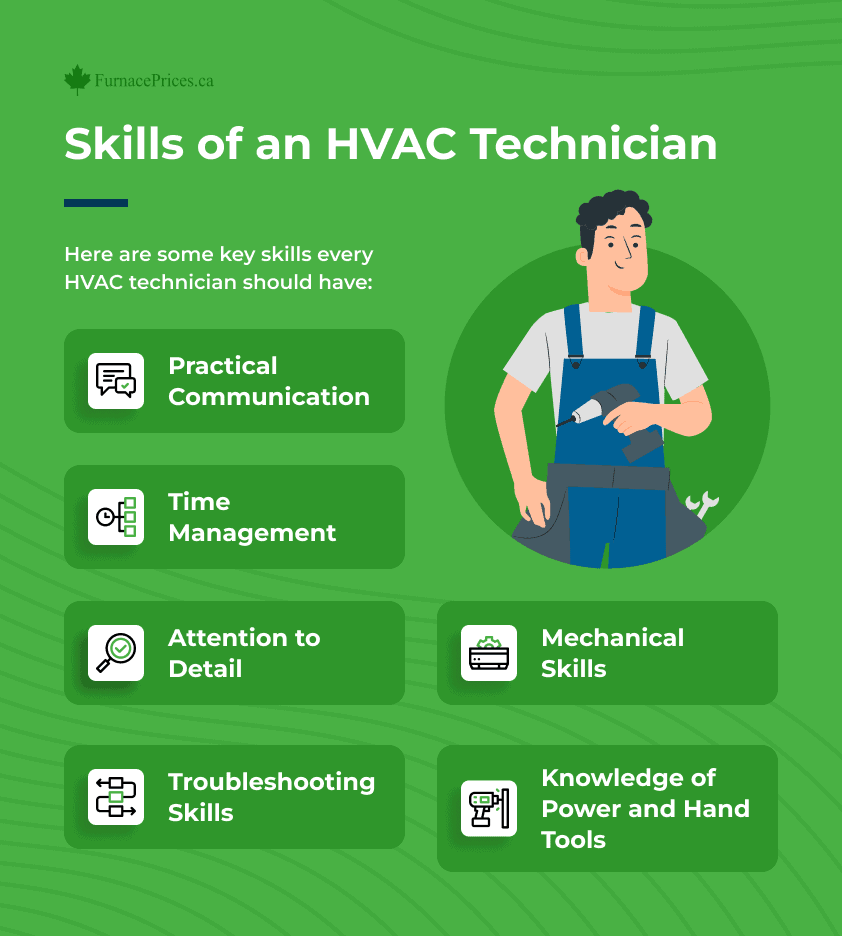
Are you ready to start a career that’s in high demand and offers great pay? Learning the HVAC trade could be your perfect choice.
Imagine being the expert who keeps homes and businesses comfortable all year round. But how do you get there? This guide will break down the simple steps you need to take to master HVAC skills quickly and effectively. By the end, you’ll know exactly what to do to turn your interest into a rewarding profession.
Keep reading, and let’s make your HVAC career a reality.
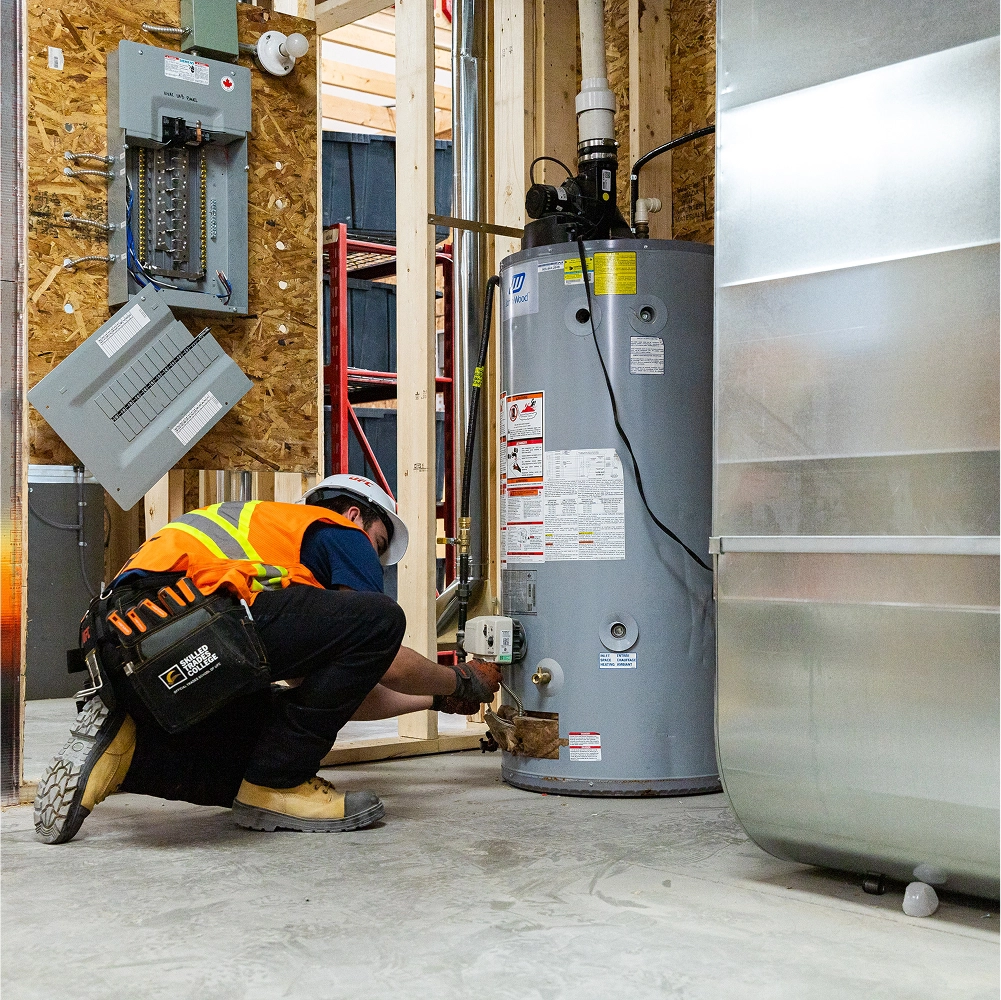
Credit: www.skilledtradescollege.ca
Choosing The Right Hvac Program
Choosing the right HVAC program is a crucial step in building a successful career in the heating, ventilation, and air conditioning trade. The program you pick shapes your skills, knowledge, and even your job prospects. It’s not just about finding any course but finding one that fits your goals, schedule, and learning style.
Types Of Hvac Training Available
There are several paths to learn HVAC, each offering different experiences and outcomes. You can enroll in technical schools, community colleges, trade schools, or apprenticeship programs.
- Technical Schools:These offer focused HVAC training with hands-on labs and usually last from six months to two years.
- Community Colleges:Provide HVAC certificates or associate degrees, combining theory with practical skills.
- Apprenticeships:Learn on the job while earning money, guided by experienced professionals. This path often takes longer but builds real-world experience.
Understanding these options helps you pick a program that matches how you learn best and what kind of credential you want.
Accreditation And Certification Importance
Not all HVAC programs are created equal. Accreditation ensures the program meets industry standards and is recognized by employers.
Look for programs accredited by agencies like HVAC Excellence or the Partnership for Air-Conditioning, Heating, Refrigeration Accreditation (PAHRA). This boosts your resume and confidence that you’re learning valid skills.
Certification is another key factor. After training, earning certifications such as EPA Section 608 or NATE (North American Technician Excellence) can open doors to better jobs and higher pay.
Online Vs. In-person Courses
Online HVAC courses offer flexibility, especially if you need to balance work or family commitments. They often focus on theory and can save you commuting time.
In-person courses provide hands-on experience, which is essential in a trade like HVAC. You get to practice with real equipment and ask instructors questions in real-time.
Some programs combine both formats, giving you the best of both worlds. Ask yourself: How important is hands-on training to you? Can you commit time for in-person labs or workshops?
Essential Skills For Hvac Technicians
Essential skills form the foundation of every successful HVAC technician. These skills help you handle tools, understand systems, and solve issues effectively. Gaining these abilities improves your confidence and job performance.
Technical Knowledge Fundamentals
Understanding the basics of heating, ventilation, and air conditioning is key. Learn how systems work, including electrical circuits and refrigeration principles. Know the types of equipment and their parts. Study safety rules to avoid accidents. This knowledge supports accurate diagnosis and repair.
Hands-on Experience And Practice
Practical work builds your skills faster than theory alone. Work with real HVAC units to learn installation and maintenance. Practice using common tools and instruments. Try different tasks like wiring, cleaning, and testing systems. Experience helps you spot problems and act quickly.
Problem-solving And Critical Thinking
Every HVAC job brings new challenges. Being able to analyze a situation and find solutions is vital. Think through problems step-by-step. Use logic to test what might be wrong. Stay calm under pressure to fix issues efficiently. These skills reduce errors and improve customer satisfaction.
Gaining Practical Experience
Gaining practical experience is crucial when learning the HVAC trade. It bridges the gap between theory and real-world application, helping you develop the skills that textbooks alone can’t teach. Getting hands-on work lets you understand the nuances of systems, tools, and troubleshooting in ways that classroom learning often misses.
Apprenticeships And Internships
Apprenticeships and internships offer structured, paid opportunities to learn while you work. They place you alongside seasoned HVAC professionals, allowing you to observe and participate in daily tasks. These programs often combine classroom lessons with on-site training, helping you build a solid foundation.
Look for apprenticeships through local unions, HVAC companies, or trade schools. Even unpaid internships can provide valuable exposure and help you build a network. Have you considered how committing to a long-term apprenticeship could speed up your path to becoming a licensed technician?
Working With Experienced Technicians
Spending time with skilled technicians can teach you shortcuts and tricks that aren’t in manuals. Watch how they approach diagnostics, customer interactions, and safety precautions. Ask questions—curious technicians often appreciate eager learners and might share insights they’ve gained over years.
Try to shadow different technicians to see various working styles and specializations. Notice how they handle unexpected issues and manage their time. How could adopting even one habit from a pro improve your efficiency and confidence?
On-the-job Training Tips
Make the most of your on-the-job training by staying organized and proactive. Keep a notebook or digital log of the tasks you perform and what you learn each day. This habit helps reinforce your knowledge and tracks your progress over time.
- Volunteer for diverse tasks to broaden your skill set.
- Practice safety protocols diligently—your well-being depends on it.
- Request feedback regularly to identify areas for improvement.
Remember, every job site is a classroom. What small step can you take today to turn routine work into a powerful learning experience?
Certifications That Boost Your Career
Earning HVAC certifications shows employers your skills and knowledge. Training programs teach practical HVAC trade techniques for real-world jobs. Completing certifications helps you stand out and gain trust in the HVAC field.
Embarking on a career in the HVAC trade can be incredibly rewarding, both professionally and financially. But to truly excel and stand out in this competitive field, earning certifications can significantly boost your career. They not only enhance your skills but also affirm your dedication and expertise to potential employers and clients. Let’s dive into some key certifications that can propel your HVAC career to new heights.Epa Certification Requirements
To handle refrigerants, the Environmental Protection Agency (EPA) requires HVAC technicians to have specific certifications. There are four types of EPA certifications, each catering to different HVAC systems and applications. – Type I: For servicing small appliances like refrigerators. – Type II: For servicing or disposing of high-pressure appliances, except small appliances and motor vehicle air conditioners. – Type III: For servicing or disposing of low-pressure appliances. – Universal: Covers all types mentioned above. Obtaining these certifications means you are legally qualified to work with refrigerants, a critical component of many HVAC systems.Specialized Hvac Certifications
Specialized certifications allow you to focus on niche areas within the HVAC industry, making you more attractive to employers who need specific expertise. – NATE Certification: North American Technician Excellence (NATE) is a widely recognized certification that demonstrates your knowledge in HVACR systems. – HVAC Excellence Certification: Offers certifications for HVAC technicians at various levels, from the fundamentals to advanced specialties. – RSES Certification: The Refrigeration Service Engineers Society (RSES) provides training and certification in refrigeration and air conditioning services. Such certifications not only increase your credibility but also open doors to specialized roles that might offer higher salaries and advanced career opportunities.Preparing For Certification Exams
Preparation is key to successfully obtaining any of these certifications. Start by gathering study materials that cover the exam topics comprehensively. Practice exams can be incredibly beneficial in familiarizing yourself with the test format and identifying areas where you need more focus. – Join Study Groups: Collaborating with peers can provide support and additional resources. – Online Courses: Many platforms offer courses specifically designed for HVAC certification exams. – Hands-On Practice: Real-world experience is invaluable, so try to apply theoretical knowledge in practical settings whenever possible. Have you considered the impact these certifications could have on your career trajectory? Taking the initiative to pursue them not only enhances your skill set but also showcases your commitment to professional growth.Using Technology To Accelerate Learning
Technology plays a big role in learning the HVAC trade faster. It offers hands-on practice and real-time feedback. Technology tools make complex topics easier to understand. They also let learners study anytime and anywhere. This flexible approach fits different learning styles. Here are some tech tools that help HVAC learners progress quickly.
Simulation Tools And Software
Simulation tools create virtual HVAC systems for practice. These let learners try different setups without risks. Software shows how parts work together in real life. It helps users spot problems and fix them virtually. This type of learning builds confidence before working with real machines.
Mobile Apps For Hvac Training
Mobile apps offer lessons and quizzes on HVAC topics. They fit study time into busy schedules easily. Apps often include videos and diagrams to explain concepts. Some apps track progress and suggest what to study next. This makes learning clear and organized.
Online Forums And Communities
Online forums connect learners with experienced HVAC professionals. Users ask questions and share tips in real time. Communities support problem-solving and idea exchange. Reading others’ experiences helps understand common challenges. It also builds a network for future help and advice.
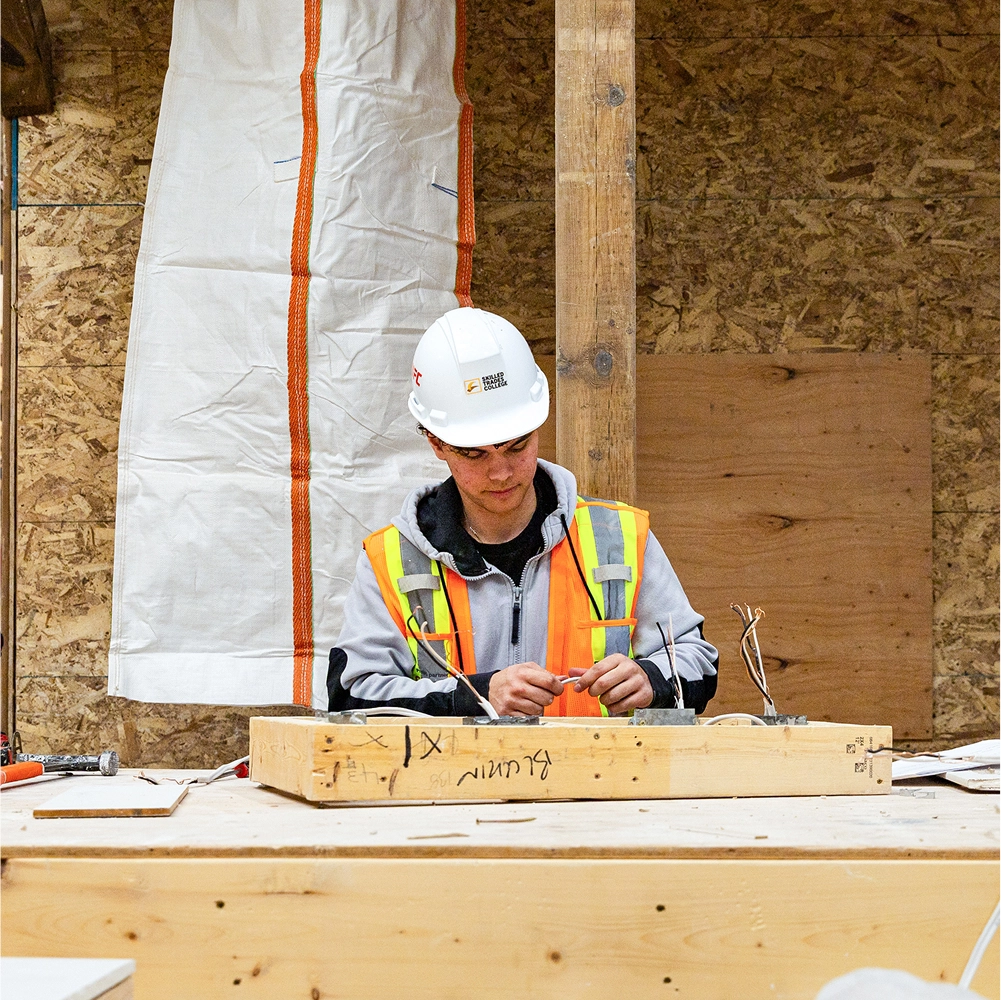
Credit: www.skilledtradescollege.ca
Maintaining Safety And Compliance
Maintaining safety and compliance is vital in the HVAC trade. It protects workers and ensures quality work. Following rules reduces accidents and legal issues. Learning the right safety habits early builds a strong foundation for your career.
Safety Protocols In Hvac Work
HVAC work involves electrical parts, sharp tools, and heavy equipment. Following safety protocols prevents injuries and accidents. Always check equipment before use. Turn off power sources before repairs. Keep work areas clean to avoid slips and falls. Know emergency procedures and first aid basics. Training on proper tool use is essential.
Environmental Regulations
HVAC technicians handle refrigerants and chemicals that affect the environment. Complying with environmental laws protects air and water quality. Proper disposal of old refrigerants prevents pollution. Follow guidelines for refrigerant recovery and recycling. Stay updated on local and federal regulations. This keeps your work legal and eco-friendly.
Personal Protective Equipment
PPE is essential for every HVAC technician. It reduces exposure to hazards like dust, chemicals, and sharp objects. Use gloves to protect hands. Wear safety glasses to shield eyes. Use ear protection in noisy environments. Respirators help when working with fumes. Wear sturdy boots to protect feet. Always choose PPE that fits well and is in good condition.
Building A Successful Hvac Career
Building a successful HVAC career requires more than just technical skills. It involves creating strong connections, updating your knowledge, and sometimes, venturing into business. These key areas help professionals grow and sustain their work in HVAC.
Networking Strategies
Networking opens doors to new job opportunities and partnerships. Attend industry events and trade shows to meet other HVAC professionals. Join local trade associations and online forums. Share your experiences and learn from others. Building a good reputation helps you get referrals and advice.
Continuing Education Opportunities
Technology in HVAC changes quickly. Taking new courses keeps your skills fresh. Look for certifications and workshops offered by trade schools or manufacturers. Online classes offer flexible learning options. Continuing education improves your chances for promotions and raises.
Starting Your Own Hvac Business
Starting a business means planning and hard work. Learn about permits, insurance, and local laws. Create a clear business plan with goals and budgets. Focus on quality service and customer trust. Marketing your business through websites and local ads brings clients. Managing your time and finances well leads to success.
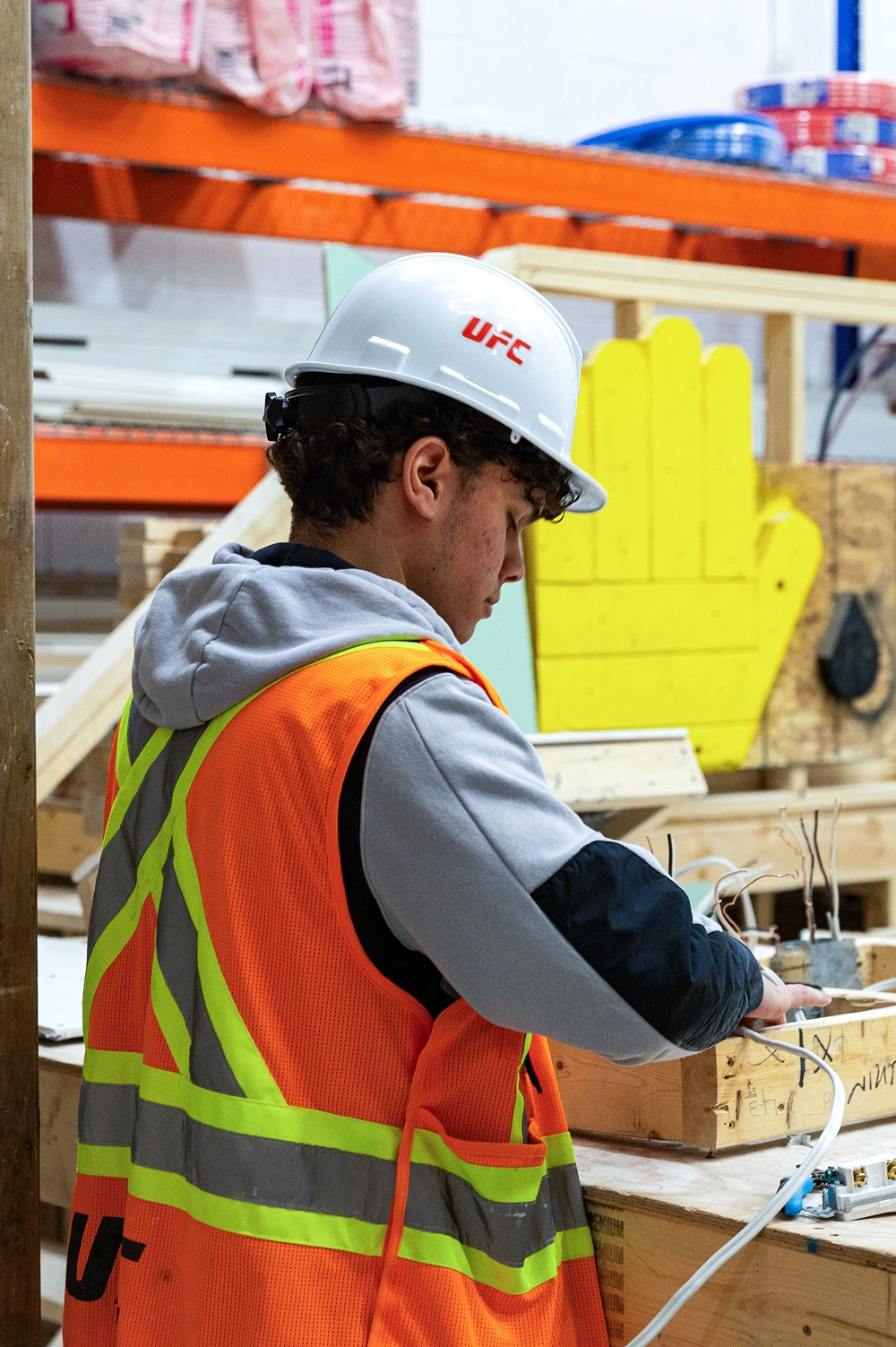
Credit: www.skilledtradescollege.ca
Frequently Asked Questions
What Skills Are Essential To Learn Hvac Trade?
Key skills include mechanical aptitude, electrical knowledge, problem-solving, and customer service. These help you troubleshoot and maintain HVAC systems effectively.
How Long Does It Take To Learn Hvac Trade?
Typically, HVAC training takes 6 months to 2 years. Duration depends on program type and hands-on experience availability.
What Certifications Are Needed For Hvac Professionals?
Common certifications include EPA 608, NATE, and HVAC Excellence. These validate your skills and improve job opportunities.
Can I Learn Hvac Trade Online?
Yes, many online courses offer theoretical HVAC training. However, hands-on practice is crucial for mastering the trade.
Conclusion
Learning the HVAC trade takes time and practice. Start with basic courses and build your skills step by step. Hands-on experience helps you understand real work better. Stay curious and ask questions often. Keep learning about new tools and technology.
This trade offers good jobs and steady work. With patience and effort, you can succeed in HVAC. Keep working hard and never stop learning. Your future in HVAC looks bright and promising.



