
Have you ever wondered if BiPAP is the same as mechanical ventilation? If you or someone you care about has faced breathing difficulties, this question might be on your mind.
Understanding the difference can be confusing but is important for making informed health decisions. You’ll discover what BiPAP really is, how it works, and whether it falls under the category of mechanical ventilation. By the end, you’ll feel more confident about these terms and what they mean for your health or that of a loved one.
Keep reading—you won’t want to miss these crucial insights.
Credit: www.apexhospitals.com
Bipap Basics
Understanding the basics of BiPAP is essential if you’re exploring respiratory support options or trying to figure out how it fits into the broader category of mechanical ventilation. BiPAP, which stands for Bilevel Positive Airway Pressure, offers a unique way to assist breathing without the invasiveness of a ventilator tube. It’s widely used for people with breathing difficulties, but what exactly makes it tick? Let’s break it down.
How Bipap Works
BiPAP delivers two levels of air pressure to your lungs: a higher pressure when you breathe in, and a lower pressure when you breathe out. This alternating pressure helps keep your airways open and makes breathing easier.
Think of it as a gentle push to help your lungs fill with air, then a softer pull that allows you to exhale comfortably. This dual pressure system reduces the effort your respiratory muscles need to make, often improving oxygen intake and carbon dioxide removal.
Have you ever felt out of breath after climbing stairs? BiPAP helps reduce that strain by supporting your breathing pattern. It’s like having a little extra help that adjusts to your natural breath cycle.
Key Components
- Machine:The core device that generates the pressurized air and regulates the two pressure levels.
- Mask:Covers your nose or both nose and mouth to deliver the air comfortably and securely.
- Tubing:Connects the machine to the mask, allowing the air to flow smoothly.
- Humidifier (optional):Adds moisture to the air to prevent dryness and irritation in your airways.
Each part plays a role in making the BiPAP experience effective and tolerable. Without a good seal on the mask, for instance, the pressure won’t be consistent, and therapy won’t be as effective.
Have you noticed how even small leaks in your mask can make breathing harder? That’s why fit and comfort are just as important as the machine itself.
.png?width=275&name=stencil.instagram-photo%20(90).png)
Credit: blog.nursing.com
Mechanical Ventilation Defined
Mechanical ventilation is a medical process that helps patients breathe when they cannot do so effectively on their own. It involves using a machine to support or replace natural breathing. Understanding what mechanical ventilation truly means can help you better grasp how devices like BiPAP fit into respiratory care.
Types Of Mechanical Ventilation
Mechanical ventilation comes in several forms, each designed to meet specific patient needs. The two main categories are invasive and non-invasive ventilation.
- Invasive Ventilation:This involves inserting a tube into the patient’s airway, usually through the mouth or neck. It provides full control over breathing and is used in critical situations.
- Non-Invasive Ventilation (NIV):This uses masks or nasal devices to assist breathing without the need for tubes. BiPAP machines fall under this category, offering pressure support to keep airways open.
Knowing the type of ventilation is essential because it determines how much support you get and the level of medical intervention required.
Common Uses
Mechanical ventilation is commonly used for patients with respiratory failure, severe lung diseases, or during surgery under general anesthesia. It supports breathing when muscles are weak or lungs cannot exchange gases efficiently.
If you’ve ever faced breathing difficulties from conditions like COPD or sleep apnea, you might be familiar with non-invasive options like BiPAP. These devices help keep your airways open, making each breath easier without the discomfort of invasive tubes.
Have you ever wondered how much control you actually have over your breathing when a machine assists you? Understanding these uses shows how vital mechanical ventilation is in both emergency and chronic care.
Bipap Vs Mechanical Ventilators
Understanding the distinction between BiPAP machines and mechanical ventilators is crucial if you or a loved one faces respiratory challenges. Both devices assist with breathing but operate differently and serve unique roles in treatment. Let’s break down how they compare and what that means for patients.
Similarities
Both BiPAP and mechanical ventilators support breathing by delivering pressurized air into the lungs. They help maintain adequate oxygen levels and remove carbon dioxide from the body.
Each device uses a mask or tube to deliver air, ensuring the airway stays open. They are commonly used in hospital settings and sometimes at home for patients with chronic respiratory issues.
Both require careful monitoring to adjust settings based on your breathing needs. You might notice how both devices can improve comfort by reducing the effort needed to breathe.
Differences
BiPAP (Bilevel Positive Airway Pressure) provides two levels of pressure: higher when you inhale and lower when you exhale. This allows you to breathe more naturally, making it less invasive.
Mechanical ventilators, on the other hand, can completely take over your breathing. They deliver breaths at a fixed rate and volume, which is essential for patients who can’t breathe on their own.
Unlike BiPAP, ventilators often require a tube inserted into your windpipe (intubation), which can be uncomfortable and needs expert care. Have you ever wondered how such a small difference in pressure levels can change the entire experience of breathing support?
In short, BiPAP is usually considered non-invasive ventilation, while mechanical ventilators are invasive and more intensive. Knowing this can help you understand treatment options better and discuss them confidently with your healthcare provider.
Clinical Applications Of Bipap
Bipap, or Bilevel Positive Airway Pressure, plays a crucial role in managing various respiratory issues. Understanding its clinical applications helps clarify whether it falls under mechanical ventilation. Let’s look closely at where Bipap fits in treatment and who can benefit most from it.
Respiratory Conditions Treated
Bipap is commonly used to support patients struggling with breathing difficulties. It helps in conditions such as:
- Chronic Obstructive Pulmonary Disease (COPD)
- Obstructive Sleep Apnea (OSA)
- Acute respiratory failure
- Congestive heart failure with pulmonary edema
- Neuromuscular diseases affecting breathing
These conditions often cause inadequate ventilation. Bipap assists by delivering two levels of pressure, making it easier for your lungs to expand and contract.
Patient Selection Criteria
Choosing the right patient for Bipap treatment is essential for success. Patients who can protect their airway and have stable cardiovascular function are good candidates.
On the other hand, individuals with severe hypoxemia or those unable to clear secretions may require invasive ventilation instead. Have you ever wondered how clinicians decide between Bipap and more aggressive measures? It often boils down to specific clinical signs and patient comfort.
Doctors also consider the patient’s ability to cooperate and tolerate the mask interface. This practical insight makes a big difference in treatment outcomes. Understanding these criteria can help you better discuss options with your healthcare provider.
Benefits And Limitations
Bipap, or Bilevel Positive Airway Pressure, is a non-invasive ventilation method often used to support individuals with breathing difficulties. It offers a range of benefits and limitations that you should be aware of. Understanding these can help you decide whether Bipap is the right choice for your or your loved one’s respiratory needs.
Advantages Of Bipap
Bipap machines are designed to provide flexibility and comfort. They allow you to breathe more naturally by adjusting the air pressure based on your breathing pattern. This adaptability can be particularly beneficial if you have conditions like COPD or sleep apnea.
The non-invasive nature of Bipap is another significant advantage. Unlike traditional mechanical ventilators, Bipap does not require intubation, making it less intrusive. This aspect can lead to fewer complications and a more comfortable experience.
Moreover, Bipap machines are relatively easy to use at home, providing you with the independence to manage your condition without frequent hospital visits. They come with user-friendly interfaces and settings that can be customized to your specific needs.
Potential Drawbacks
While Bipap is beneficial, it is not without its limitations. The most common issue is the discomfort some people feel due to the mask fit. An ill-fitting mask can cause skin irritation or air leakage, affecting the effectiveness of the treatment.
Another limitation is that Bipap may not be suitable for severe respiratory failure. In such cases, more invasive mechanical ventilation might be necessary. It’s crucial to consult healthcare professionals to determine the best course of action for severe conditions.
Additionally, Bipap machines require regular maintenance and cleaning. Neglecting this aspect can lead to hygiene issues or malfunctioning equipment. Are you willing to commit to the upkeep necessary for optimal performance?
Understanding both the benefits and limitations of Bipap can empower you to make informed decisions about respiratory care. Always weigh these factors carefully to ensure the best outcomes for you or your loved ones.
When Bipap Is Not Enough
Bipap provides breathing support without a tube in the throat. It helps many patients breathe better. Still, it is not always enough for severe breathing problems. Knowing when Bipap fails is important for timely care. This prevents harm and improves chances of recovery.
Signs Of Treatment Failure
- Breathing remains fast or gets faster despite Bipap
- Oxygen levels stay low or drop further
- Increased tiredness or confusion
- Chest muscles work harder to breathe
- Heart rate rises or becomes irregular
- Patient cannot tolerate the mask or equipment
These signs show the body struggles to get enough oxygen. They warn that Bipap support may no longer be enough.
Transition To Invasive Ventilation
When Bipap fails, doctors may choose invasive ventilation. This uses a tube inserted into the windpipe. It provides stronger, more controlled breathing support.
Invasive ventilation helps clear carbon dioxide and increase oxygen delivery. It suits patients with severe lung failure or muscle weakness.
Doctors monitor patients closely during this transition. The goal is to avoid complications and support recovery.
Future Of Noninvasive Ventilation
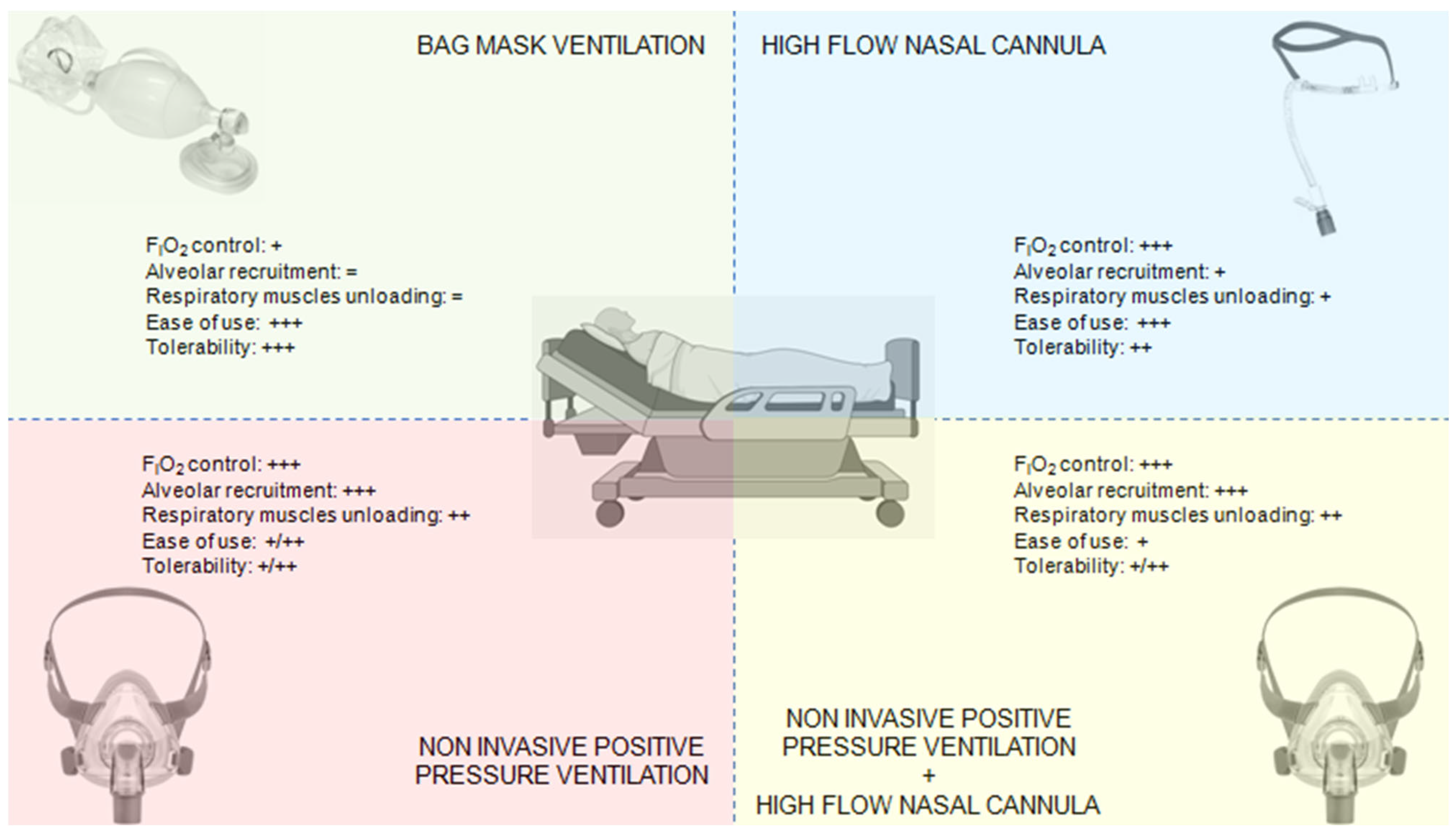
The future of noninvasive ventilation (NIV) is bright and full of promise. As technology advances, NIV devices like BiPAP are becoming more sophisticated, offering better support with fewer complications. This progress means more patients can avoid invasive mechanical ventilation, enhancing comfort and outcomes.
Technological Advances
New NIV machines come with smarter algorithms that adjust pressure automatically based on your breathing patterns. This means the device responds in real-time to your needs, providing just the right support without manual settings.
Improved mask designs now focus on comfort and fit, reducing leaks and skin irritation. Some masks even have built-in sensors to monitor air quality and moisture, helping you breathe easier and avoid infections.
Battery life and portability are also getting better. Imagine using NIV devices during travel or outdoor activities without worrying about power sources. This freedom can improve your quality of life significantly.
Emerging Trends
Telemedicine integration is one of the most exciting trends. Your NIV device can now connect to apps and healthcare providers, allowing remote monitoring and quick adjustments without hospital visits.
There’s also growing use of artificial intelligence to predict respiratory issues before they become severe. This proactive approach could save lives by alerting you and your doctor early.
More personalized NIV therapies are on the horizon. By analyzing your specific breathing patterns and health data, future devices may tailor treatments just for you, increasing effectiveness.
Have you considered how these innovations might change your experience with respiratory support? Staying informed about these trends could help you make better choices for your health.
Credit: www.mdpi.com
Frequently Asked Questions
Is Bipap A Form Of Mechanical Ventilation?
BiPAP is a non-invasive mechanical ventilation method. It helps patients breathe by providing two pressure levels. Unlike invasive ventilation, it uses a mask instead of a tube.
How Does Bipap Differ From Traditional Mechanical Ventilation?
BiPAP delivers air through a mask, avoiding intubation. Traditional ventilation often requires a tube inserted into the airway. BiPAP supports breathing without needing invasive procedures.
When Is Bipap Typically Used Instead Of Ventilation?
BiPAP is used for mild to moderate respiratory distress. It suits patients who need breathing support but don’t require intubation. It’s common in conditions like COPD and sleep apnea.
Can Bipap Replace Mechanical Ventilators In All Cases?
No, BiPAP cannot replace invasive ventilators in severe cases. It’s ideal for less critical respiratory support. Severe respiratory failure usually requires full mechanical ventilation.
Conclusion
BiPAP helps people breathe by supporting their lungs. It uses a machine but is not full mechanical ventilation. BiPAP is less invasive and often used at home or in hospitals. It helps with breathing problems without a tube in the throat.
Knowing this can ease worries about treatment. Always follow your doctor’s advice for the best care. Breathing support can come in many forms. BiPAP is one important option to consider.



