
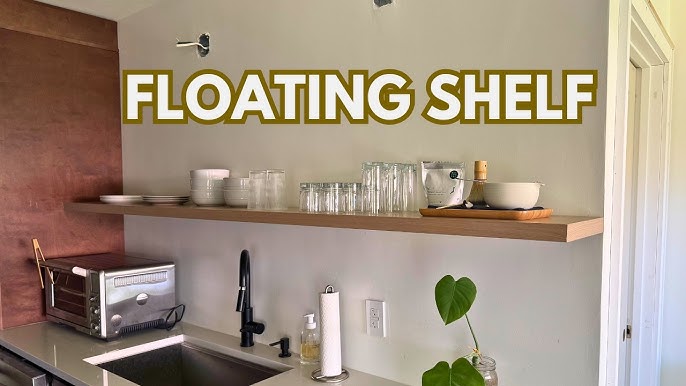
Are you looking to add a stylish touch to your space without cluttering it? Building a floating shelf might be just what you need.
Imagine having a sleek shelf that seems to hover on your wall, showing off your favorite books, plants, or décor. It’s easier to build than you think, and you don’t need to be a professional carpenter. In this guide, you’ll learn simple steps to create your own floating shelf that fits perfectly in your home.
Ready to impress your friends and organize your space like a pro? Keep reading, and let’s get started!

Credit: m.youtube.com
Choosing The Right Materials
Choosing the right materials is crucial to building a floating shelf that looks great and stays strong over time. Your shelf’s durability, style, and ease of installation all depend on what you pick. Let’s break down the key materials you’ll need to consider before you start.
Selecting Wood Types
Wood choice impacts both the strength and appearance of your floating shelf. Solid hardwoods like oak, maple, or walnut offer great durability and a classic look. They hold weight well and resist dents, but they can be pricier.
If you want a budget-friendly option, plywood or MDF with a wood veneer can work. These materials are easier to work with and still give a smooth finish when painted or stained. Think about where your shelf will go and how much weight it needs to hold when choosing the wood.
Picking The Best Brackets
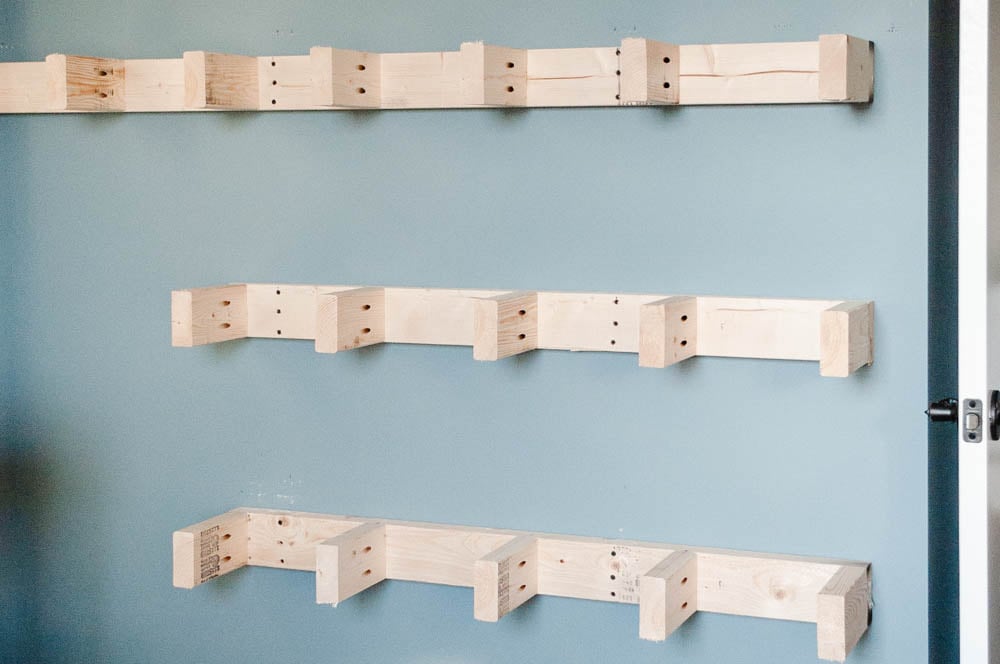
Invisible brackets are the secret behind a true floating shelf. Look for heavy-duty steel brackets designed to be hidden inside the shelf for a clean look. The length and thickness of the bracket should match your shelf’s depth and expected load.
Consider brackets with adjustable arms if you want flexibility in shelf positioning. Don’t forget to check the wall type you’re mounting on—some brackets work better with studs, while others include anchors for drywall.
Gathering Tools And Supplies
Having the right tools makes the job smoother and safer. Essentials include a drill, level, stud finder, measuring tape, and a screwdriver. You’ll also need screws suitable for your wall type and wood glue for extra support.
Depending on your finish, sandpaper, wood stain, or paint can help achieve a polished look. Preparing all these supplies beforehand saves time and keeps you focused on the build, not last-minute runs to the hardware store.
Planning Your Shelf Design
Planning your shelf design is a crucial step that shapes the entire project. Without a clear plan, you risk ending up with a shelf that doesn’t fit your space or meet your needs. Taking time to plan helps you visualize the final look and avoid costly mistakes.
Measuring Wall Space
Start by measuring the wall area where you want to install your floating shelf. Use a tape measure and note the height, width, and depth available.
Remember to check for obstacles like light switches, outlets, or vents that could interfere with placement. Consider how much space you want between the shelf and furniture below it.
Accurate measurements set a solid foundation, so don’t rush this step. Have you ever bought furniture that didn’t fit? Avoid that frustration here.
Deciding Shelf Dimensions
Think about what you plan to put on the shelf. Will it hold books, plants, or decorative items? This affects how deep and strong your shelf needs to be.
A typical depth for a floating shelf ranges from 6 to 12 inches, but your needs may vary. The length should suit the wall space without overwhelming the room.
Also, decide the thickness of the shelf board—thicker boards usually support more weight. What will your shelf carry, and how can you design it to handle that safely?
Sketching Your Layout
Grab a pencil and paper to sketch your shelf design on the wall space you measured. Visualizing the shelf in place helps you spot potential issues early.
Include dimensions and mark where the brackets or supports will go. This step often reveals if your design needs adjustment before you buy materials.
Try drawing different styles or multiple shelves to see what looks best. How does your sketch change your ideas about the shelf?
Preparing The Wall
Clear the wall surface and check for studs using a stud finder. Mark the spots to ensure the shelf will be strong and secure. Sand the area lightly to help the shelf brackets stick better.
Preparing the Wall Before you can enjoy the aesthetic and practical benefits of a floating shelf, you need to ensure that your wall is ready for the task. Proper preparation is the foundation of a successful installation. Skipping this step could lead to a lopsided shelf or, worse, a fallen one. So, how do you get started with this crucial part of the process?Locating Studs
Finding the studs in your wall is essential for a stable and secure shelf. Use a stud finder to make this task easier and more accurate. If you don’t have one, try the old-fashioned method of knocking gently on the wall and listening for a solid sound—a clear indication of a stud behind the drywall. Remember, mounting directly into the studs ensures that your shelf can hold weight without any worry. You might be surprised at how much stronger your shelf will feel. Have you ever hung something and it just didn’t seem stable? Locating and using studs will help you avoid that issue altogether.Marking Mounting Points
Once you’ve located the studs, it’s time to mark where your mounting points will be. Use a pencil to make small marks on the wall, ensuring they align with the studs you found. A simple tip: measure twice, mark once. This could save you from unsightly extra holes in your wall. Are you someone who likes to eyeball things? This is one time precision really pays off.Checking For Level
Ensuring your mounting points are level is the next critical step. Use a spirit level to check that your marks are aligned horizontally. A shelf that isn’t level can be both an eyesore and a functional problem. Don’t skip this step thinking you can fix it later. A crooked shelf could cause items to slide off. Have you ever seen a tilted picture frame? It’s the same concept, but with more potential for disaster if not corrected. By carefully preparing your wall, you’re setting the stage for a successful and satisfying DIY project. This attention to detail ensures your floating shelf will not only look great but also stand the test of time.Cutting And Finishing The Wood
Cutting and finishing the wood are key steps in building a floating shelf. Proper cutting ensures the shelf fits perfectly. Finishing protects the wood and enhances its look. These steps give your shelf a polished, professional appearance.
Measuring And Cutting Boards
Start by measuring the length and width needed for your shelf. Use a tape measure and mark the wood with a pencil. Double-check the measurements before cutting. Cut the boards using a saw, following the marked lines carefully. Straight and precise cuts make assembly easier and stronger.
Sanding For Smoothness
Sand the cut edges and surfaces with sandpaper or a sanding block. Begin with medium grit, then switch to fine grit for a smooth finish. Sanding removes splinters and rough spots. It also helps the stain or paint stick better. Take your time to achieve an even, soft surface.
Applying Stain Or Paint
Choose a stain or paint that matches your room decor. Use a brush or cloth to apply an even coat. Follow the wood grain for a natural look. Let the first coat dry completely before adding more layers. Multiple coats improve durability and color richness. Finish with a clear sealant for extra protection.
Installing The Brackets
Installing the brackets is a crucial step in building a floating shelf. The strength and stability of your shelf depend heavily on how well the brackets are fixed to the wall. Taking your time here ensures your shelf won’t sag or fall under the weight of your items.
Mounting Brackets Securely
Start by locating the wall studs using a stud finder. Anchoring your brackets directly into studs provides the best support for heavy shelves.
If you can’t hit studs, use heavy-duty wall anchors designed for your wall type. Make sure the screws you use are long enough to go deep into the stud or anchors for a firm hold.
Don’t rush this part—loose brackets mean a wobbly shelf and possible damage. Tighten screws fully but avoid overtightening, which can strip the holes or damage the bracket.
Ensuring Proper Alignment
Use a level to mark where the brackets will go so your shelf sits perfectly horizontal. Even a small tilt can make items slide off or create an eyesore.
Measure carefully between brackets to match the length of your shelf. Keep the brackets evenly spaced to distribute weight evenly across the shelf.
Have a friend help hold the brackets while you check alignment, or use painter’s tape to temporarily mark the spots. This extra step saves you from drilling unnecessary holes.
Double Checking Stability
Once mounted, give each bracket a firm shake to test its hold. If you notice any movement, tighten the screws or reposition the bracket.
Try pressing down on the bracket to simulate the shelf’s weight. If it feels solid and doesn’t budge, you’re good to move on.
Ask yourself: Would this bracket support a full load without shifting? If you hesitate, reinforce your setup before adding the shelf board.
Attaching The Shelf
Attaching the shelf is a crucial moment in your floating shelf project. This step transforms your hard work into a functional and stylish feature on your wall. Careful handling here ensures the shelf stays sturdy and safe for years to come.
Positioning The Shelf On Brackets
Start by gently placing the shelf onto the mounted brackets. Make sure it fits snugly without forcing it; the shelf should sit flush against the wall. Take a moment to check if the shelf aligns with your intended height and spacing.
Ask yourself: does the shelf look balanced? If it tilts or feels uneven, adjust the brackets slightly before moving forward. Proper positioning now saves you from fixing problems later.
Securing Shelf To Brackets
Once the shelf is positioned correctly, secure it by attaching screws through the brackets into the shelf base. Use a drill or screwdriver to tighten the screws firmly but avoid overtightening, which could damage the wood.
If your brackets have pre-drilled holes, use them as guides to keep everything aligned. If not, carefully mark where the screws will go to prevent splitting the shelf material.
Final Level Check
After securing, use a spirit level to verify the shelf is perfectly horizontal. Even a small tilt can affect the look and functionality, causing items to slide off or making the shelf appear crooked.
If the shelf isn’t level, loosen the screws slightly, adjust the position, and retighten. This final check ensures your floating shelf is both attractive and practical for everyday use.
Styling Your Floating Shelf
Styling your floating shelf is where your personality truly shines through. It’s not just about placing objects; it’s about creating a space that feels balanced and inviting. How you choose and arrange items can transform a simple shelf into a captivating focal point in any room.
Choosing Decorative Items
Start by selecting items that reflect your style and interests. Mix different textures like wood, metal, and glass to add depth. Think about using small plants, framed photos, or unique souvenirs to make the shelf feel personal.
Try to keep a consistent color palette to avoid visual clutter. If your shelf is in a busy room, simple and fewer items work better. Do you have a favorite book or a small art piece? These can become standout features.
Arranging For Visual Appeal
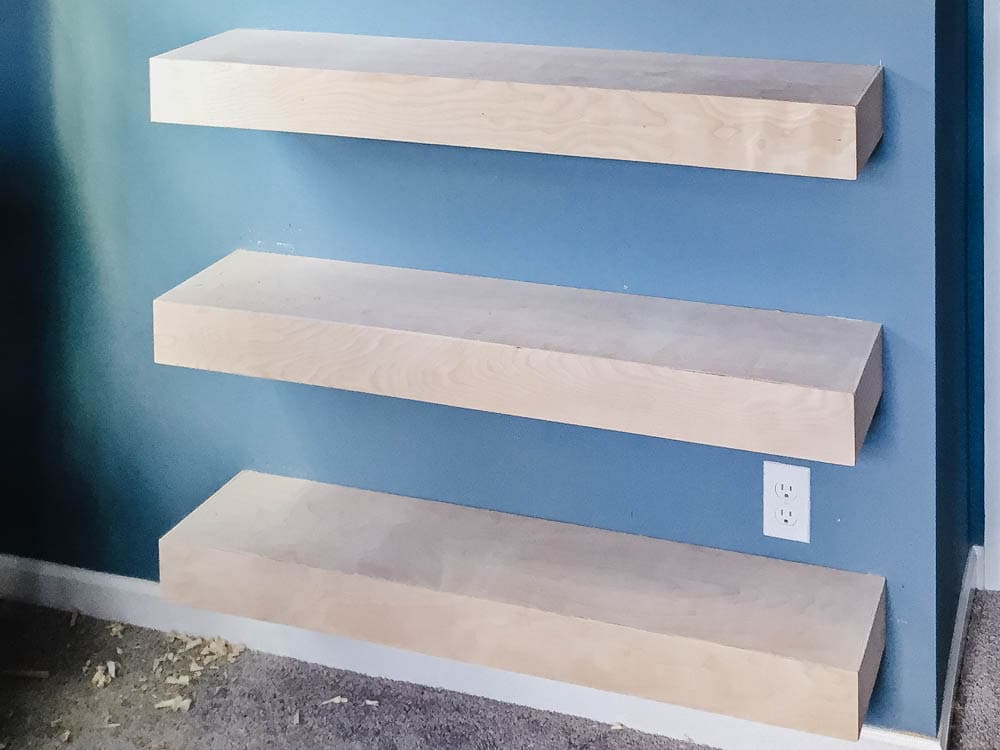
Balance is key when arranging your items. Place taller objects at the ends or back, and shorter ones in front to create layers. Group items in odd numbers like threes or fives for a natural look.
Use negative space wisely; don’t overcrowd the shelf. This lets each item breathe and stand out. Ask yourself: Does this arrangement invite you to look closer or feel overwhelmed?
Maintaining Shelf Cleanliness
Keeping your floating shelf clean ensures it always looks its best. Dust your items and shelf regularly to avoid buildup that can dull their appearance. A quick wipe with a damp cloth can refresh the look instantly.
Consider rotating decorative pieces seasonally to keep the display fresh and exciting. How often do you revisit your shelf styling? Changing things up can be a fun way to keep your space feeling new.
Credit: www.christeneholderhome.com
Credit: www.christeneholderhome.com
Frequently Asked Questions
What Tools Are Needed To Build A Floating Shelf?
You need a drill, level, stud finder, screws, wall anchors, measuring tape, pencil, and a saw. These tools help ensure precise cutting and secure installation for a sturdy floating shelf.
How Do You Find Studs For A Floating Shelf?
Use a stud finder to locate wall studs behind drywall. Mark the stud positions with a pencil. Anchoring into studs ensures the shelf supports weight safely and prevents damage.
What Materials Work Best For Floating Shelves?
Solid wood, plywood, or MDF are ideal materials. Choose durable, sturdy wood for strength and a smooth finish. The material affects the shelf’s weight capacity and appearance.
How Much Weight Can A Floating Shelf Hold?
Weight capacity depends on material, brackets, and wall type. Properly installed shelves can hold 20 to 50 pounds or more. Always check hardware limits and avoid overloading for safety.
Conclusion
Building a floating shelf can add style and space to any room. Follow the steps carefully for a sturdy, neat result. Use the right tools and materials for safety. Take your time to measure and mount it correctly. Enjoy your new shelf for books, plants, or decor.
A simple project that brightens up your home. Try it yourself and see how easy it is!



