
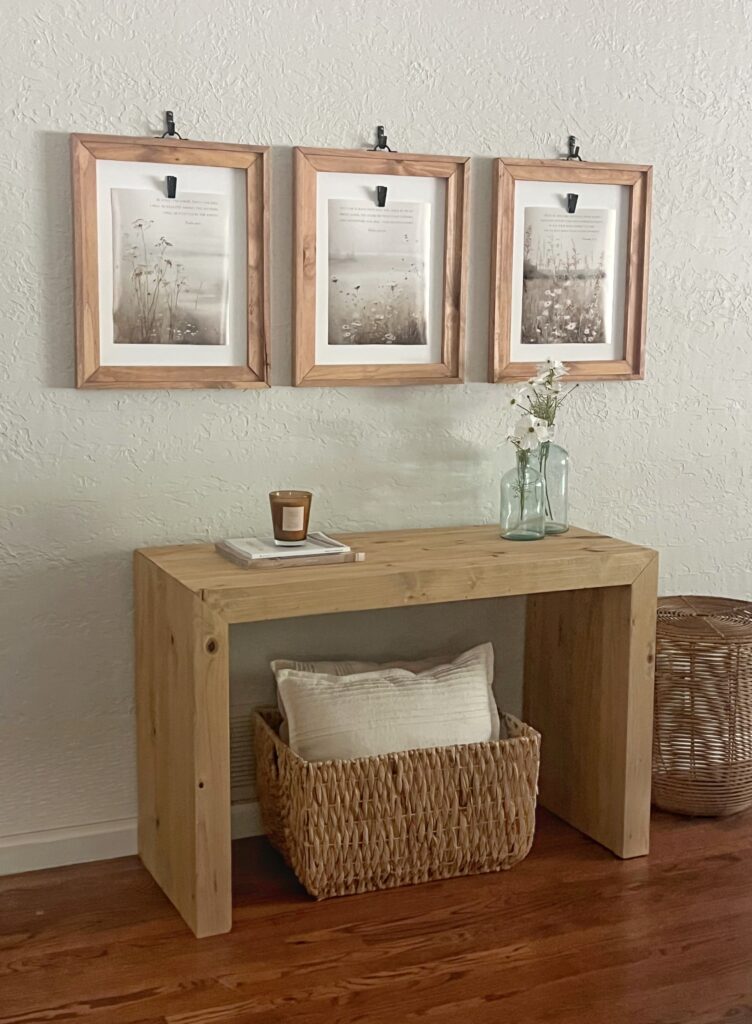
Your entryway is the first thing you and your guests see when you walk through the door. A small entryway table can make that space both useful and welcoming.
Imagine having a spot to drop your keys, display a favorite photo, or add a little personality to your home. Building one yourself might sound tricky, but it’s easier than you think—and you’ll feel proud every time you use it.
Keep reading, and you’ll discover simple steps to create a stylish, custom table that fits your space perfectly.
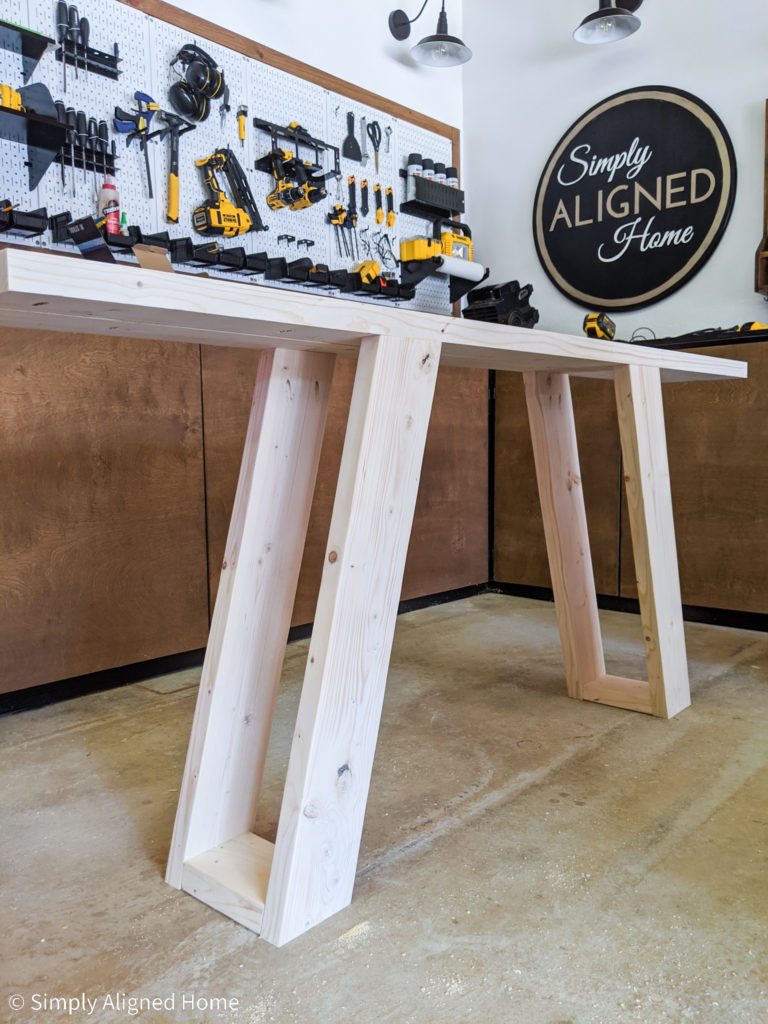
Credit: simplyalignedhome.com
Choosing The Right Materials
Choosing the right materials is a crucial step when building a small entryway table. The materials you select affect the table’s durability, appearance, and ease of construction. It’s important to balance quality with your budget and skill level to create a piece that fits your space perfectly.
Selecting Wood Types
Think about how the table will be used daily. Hardwoods like oak, maple, and cherry offer strength and a beautiful finish but can be more expensive and harder to work with. Softwoods such as pine or cedar are easier to cut and shape, making them ideal if you’re new to woodworking.
Consider the color and grain of the wood too. A light-colored pine can brighten a small entryway, while darker woods like walnut add warmth and richness. Have you thought about how the wood’s natural look will match your home’s style?
Tools And Supplies Needed
Gathering the right tools makes the building process smoother and safer. Basic tools include a saw (circular or hand saw), measuring tape, clamps, and sandpaper. You’ll also need wood glue, screws or nails, and a drill to assemble the table securely.
- Measuring tape – for precise dimensions
- Saw – to cut wood pieces accurately
- Clamps – to hold pieces while gluing or screwing
- Sandpaper – to smooth rough edges
- Wood glue and screws/nails – for strong joints
- Drill – to make pilot holes and secure screws
Have you checked if you already own these tools or if you need to borrow or buy them? Planning ahead saves time and avoids interruptions during your build.
Designing Your Entryway Table
Designing your entryway table is an important step before building. It helps you create a piece that fits your space and needs. Focus on size, storage, and style to make it both useful and attractive.
Deciding On Dimensions
Measure the space where the table will go. Keep it narrow if the area is tight. A height of 30 inches suits most people.
Allow enough room to walk around the table. A width between 24 and 36 inches works well for small entryways. Depth should be around 12 to 18 inches.
Incorporating Storage Options
Think about what you want to store. Hooks are great for keys or bags. Drawers keep small items out of sight.
Shelves add space for baskets or shoes. Open storage feels less heavy in a small area. Choose options that match your daily needs.
Picking A Style
Match the table’s look to your home’s style. Simple wood suits rustic or farmhouse decor. Sleek lines fit modern or minimalist spaces.
Paint or stain can change the table’s mood. Light colors open up small areas. Dark colors add contrast and depth.
Preparing The Workspace
Clear a flat surface to work on and gather all tools and materials needed. Good lighting and enough space help keep the project smooth and safe. Organizing everything nearby saves time and reduces distractions.
Preparing your workspace is crucial for building a small entryway table. A well-organized area ensures safety and efficiency. This step will help you work smoothly.Setting Up A Safe Area
Choose a well-lit space with enough room to move. Clear the area of any clutter. This prevents accidents and allows easy access to materials. Use a stable workbench or table. Ensure it can support your tools and materials.Gathering Tools And Materials
Collect all necessary tools before starting. You will need a saw, drill, and measuring tape. Have screws, wood glue, and sandpaper at hand. Choose quality wood for the table. Pine or oak works well. Organize these on your workbench. This keeps everything within reach as you build.
Credit: handmade-haven.com
Cutting And Assembling Parts
Cutting and assembling the parts is where your entryway table really starts to take shape. This phase demands precision and patience because accurate cuts and solid joins make the difference between a wobbly piece and a sturdy, beautiful table. Paying close attention here will save you time and frustration later on.
Measuring And Cutting Wood
Measure twice, cut once is not just a saying—it’s essential advice. Use a tape measure and mark your wood clearly with a pencil or chalk, ensuring every line is straight and visible.
Choose the right saw for your cuts: a circular saw for straight lines or a jigsaw for curves. Cutting on a stable surface helps maintain control and accuracy.
Think about the grain direction before cutting. Cutting along the grain reduces splintering and gives you a cleaner edge. Have you checked your blade’s sharpness lately? A dull blade can ruin your wood and your patience.
Joining Pieces Together
Once your pieces are cut, test fit them before gluing or screwing. This quick check prevents surprises and lets you make minor adjustments early.
For strong joints, use wood glue along with screws or nails. The glue fills gaps and adds lasting strength, while screws hold everything tightly in place.
Consider clamps—they are your best friends during assembly. Clamping pieces while the glue dries ensures tight bonds and keeps your table square. Do you have clamps handy? If not, even heavy books can be a temporary substitute.
Sanding And Finishing
Sanding and finishing are key to creating a beautiful entryway table. These steps protect the wood and enhance its natural beauty. Proper sanding removes rough spots and prepares the surface for paint or stain. Finishing seals the wood, making your table last longer and look polished.
Smoothing Surfaces
Start with coarse sandpaper to remove any rough patches or splinters. Use even strokes, moving with the grain of the wood. After the rough sanding, switch to finer grit sandpaper for a smooth finish. Wipe the dust off with a damp cloth to see the true surface. Check carefully for any uneven spots and sand again if needed. A smooth surface helps paint or stain stick better and look even.
Applying Paint Or Stain
Choose paint or stain based on your desired look. Paint gives a solid color and covers the wood grain. Stain highlights the wood’s natural texture and adds color. Use a brush or cloth to apply thin, even coats. Allow each coat to dry fully before adding another. Apply a clear sealant or varnish to protect the finish. This step guards against scratches and water damage.
Adding Decorative Touches
Adding decorative touches to your small entryway table transforms it from a simple piece of furniture into a statement that reflects your style. These finishing details make the table inviting and functional, setting the tone for the rest of your home. Let’s dive into ways you can personalize your table with hardware and decorative elements that speak to you.
Attaching Hardware
Choosing the right hardware can completely change the look of your entryway table. Think about knobs, handles, or hooks that match your room’s theme—whether modern, rustic, or vintage. You don’t have to stick to traditional metal; try leather pulls or ceramic knobs for a unique twist.
Make sure the hardware is not only attractive but also comfortable to use. If you want to hang keys or bags, sturdy hooks are a smart addition. Have you considered mixing different styles of hardware to add character? It can create a dynamic look that draws attention.
Incorporating Decorative Elements
Decorative touches go beyond hardware—they bring warmth and personality to your entryway table. Adding a small vase with fresh flowers or a tray to organize mail and keys can keep the space tidy and welcoming. You might also place a framed photo or a small sculpture that means something to you.
Think about texture and color to complement the table’s finish. A woven basket underneath can add storage and softness. What about a stylish lamp or a scented candle to create a cozy atmosphere? These small details can make your table both practical and beautiful.
Placing And Styling Your Table
Placing and styling your small entryway table is key to creating a welcoming space. The right spot makes the table functional and attractive. Thoughtful styling adds personality and charm without clutter.
Choosing The Perfect Spot
Pick a location near the front door for easy access. It should fit the space without blocking pathways. Check for enough room to open drawers or doors if your table has them.
Consider natural light to highlight the table’s design. A well-lit spot brightens the entryway and creates a pleasant first impression. Avoid dark corners where the table might go unnoticed.
Think about what you need close by. A place to drop keys, mail, or bags works well near the door. If space allows, position the table under a mirror or artwork for added style.
Decor Ideas For Entryway Tables
Keep decor simple and purposeful. Use a small tray for keys and coins to stay organized. A stylish lamp adds warmth and helps on darker evenings.
Add a vase with fresh flowers or a small plant. Greenery brings life and color to the entryway. Choose low-maintenance plants for easy care.
Display a few personal items like framed photos or a favorite book. These touches make the space feel inviting and unique. Avoid overcrowding to maintain a clean look.
- Use a decorative bowl for loose change.
- Add a scented candle for a pleasant aroma.
- Place a small stack of seasonal magazines or postcards.
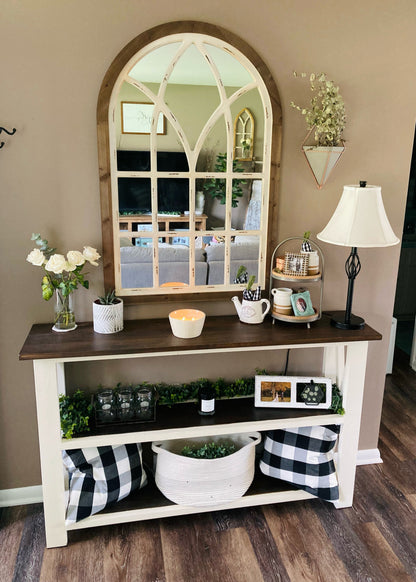
Credit: www.fiskavenue.com
Frequently Asked Questions
What Materials Are Best For A Small Entryway Table?
Wood is the best material for small entryway tables. It is sturdy, easy to work with, and stylish. Pine, oak, and plywood are popular choices for DIY projects. Choose materials that match your home decor and budget for the best results.
How Much Space Do I Need For An Entryway Table?
An entryway table should be at least 12 inches deep and 30 inches wide. Ensure enough space for walking around it comfortably. Measure your entryway area before building to avoid overcrowding and maintain a balanced look.
What Tools Are Necessary To Build A Small Entryway Table?
Essential tools include a saw, drill, measuring tape, screwdriver, and sandpaper. Clamps and wood glue are helpful for assembling parts. These basic tools allow you to cut, shape, and join materials efficiently and safely.
How Can I Add Storage To A Small Entryway Table?
Incorporate drawers, shelves, or baskets below the tabletop for extra storage. Use hooks on the sides for keys or bags. These additions keep your entryway organized without taking up more space.
Conclusion
Building a small entryway table can brighten your home’s first space. It adds both style and function without much effort. Choose simple materials and follow easy steps. This project suits beginners and saves money too. A neat table helps keep keys, mail, and small items organized.
Enjoy the charm it brings to your entryway. Try building one today and see the difference it makes!



