
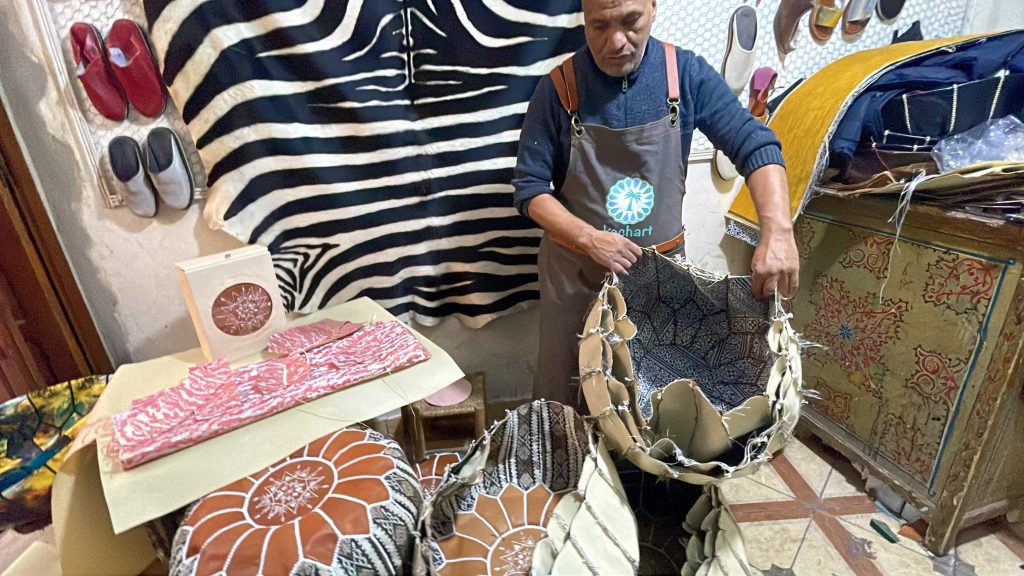
Are you wondering what to stuff your pouf with to make it comfy, durable, and just right for your space? Choosing the right filling can change the way your pouf looks and feels, turning it from a simple decoration into your favorite spot to relax.
Whether you want something soft and cozy or firm and supportive, this guide will help you find the perfect stuffing. Keep reading to discover easy, affordable, and creative filling ideas that match your style and needs. Your perfect pouf is closer than you think!
Types Of Pouf Fillings
Choosing the right filling for a pouf affects its comfort and durability. Different materials offer unique benefits. Some provide softness, while others add firmness or support. Understanding these options helps create a pouf that fits your needs and style.
Natural Fillings
Natural fillings come from plants or animals. They often feel soft and cozy. Common natural options include:
- Wool – warm and springy, good for cold rooms.
- Cotton – breathable and soft, easy to clean.
- Feathers – plush and lightweight, but may need fluffing.
- Kapok – a silky fiber from seed pods, hypoallergenic and light.
Natural fillings tend to be eco-friendly and biodegradable. They offer a comfortable, organic feel. They may compress over time and need occasional refilling.
Synthetic Fillings
Synthetic fillings are made from man-made materials. They are often durable and resistant to moisture. Popular synthetic choices include:
- Polyester fiberfill – soft, affordable, and hypoallergenic.
- Foam beads – provide firm support and retain shape well.
- Memory foam – molds to the body for extra comfort.
- Microbeads – tiny beads that offer a smooth, flexible feel.
Synthetic fillings are easy to maintain and clean. They last longer without losing shape. Some may trap heat or feel less natural.
Hybrid Options
Hybrid fillings mix natural and synthetic materials. They combine the best traits of both types. Common hybrids include:
- Foam wrapped in cotton or wool for softness and support.
- Polyester fiber with foam beads for plushness and durability.
- Feather and synthetic fiber blends for fluffiness and firmness.
Hybrids balance comfort, resilience, and ease of care. They suit many preferences and uses. These fillings often provide a luxurious feel without high maintenance.

Credit: www.youtube.com
Foam Fillings
Foam fillings provide a soft and supportive core for poufs. They shape the pouf while offering comfort. Foam comes in different types, each with unique traits. Choosing the right foam affects the pouf’s feel and durability.
Memory Foam Benefits
Memory foam molds to your body shape. It offers excellent support and comfort. The foam slowly returns to its original form after use. This feature keeps the pouf looking fresh longer. Memory foam also absorbs pressure, reducing discomfort. It is ideal for seating that needs softness and firmness combined.
Shredded Foam Pros And Cons
Shredded foam consists of small foam pieces. It allows better airflow inside the pouf. This keeps the pouf cooler and less sweaty. The foam pieces move independently, creating a flexible feel. You can add or remove shredded foam to adjust firmness.
- Pros:Adjustable firmness, good airflow, flexible support.
- Cons:May flatten faster, can shift inside the cover.
Bead Fillings
Choosing the right filling for a pouf can elevate its comfort and style. Bead fillings offer a unique blend of support and flexibility. They adapt to the shape of the pouf, providing a cozy seating experience. Let’s explore the options for bead fillings.
Eps Beads Characteristics
EPS beads, or expanded polystyrene beads, are lightweight and durable. They resist moisture and maintain their shape well over time. These beads are popular for their insulating properties and are budget-friendly. EPS beads provide a soft and cushioned feel, perfect for relaxing.
Alternative Bead Materials
Alternative bead materials include eco-friendly options like biodegradable beads. These beads are made from natural materials and decompose over time. Recycled plastic beads are another sustainable choice. They are durable and help reduce waste. Both options offer a similar comfort level to traditional beads.
Natural Materials
Choosing natural materials for stuffing your pouf not only feels great but also supports a healthier home environment. These options often provide excellent comfort, breathability, and durability. Plus, they tend to be eco-friendly, which is a bonus if you care about sustainability.
Cotton And Wool
Cotton and wool are soft, breathable materials that make your pouf cozy and comfortable. Wool naturally resists odors and moisture, keeping your pouf fresh longer. Cotton is easy to work with and provides a smooth texture, making it a popular choice for pouf stuffing.
If you’ve ever sat on a pouf filled with cotton or wool, you know how pleasantly supportive they can be. These materials adjust nicely to your body shape, offering a gentle yet firm feel. Have you considered how natural fibers could enhance your living space’s comfort?
Buckwheat Hulls
Buckwheat hulls offer a unique, firm support that molds to your body while allowing airflow. They are lightweight and provide a slightly crunchy feel, which some people find very satisfying. Because they are natural, they also tend to be hypoallergenic and resistant to dust mites.
Using buckwheat hulls can be a game-changer if you want a pouf that stays cool and supportive. They won’t compress as much as synthetic fillers, so your pouf keeps its shape longer. Have you tried filling cushions or pillows with buckwheat hulls before?
Recycled Fabrics
Recycled fabrics make stuffing your pouf both budget-friendly and environmentally conscious. Scraps of cotton, denim, or other textiles can be chopped into small pieces and used as filler. This option reduces waste and gives new life to materials that would otherwise be discarded.
Using recycled fabrics can add a bit of weight and softness to your pouf, depending on the fabric mix. It’s a creative way to customize your pouf’s firmness by mixing different textile scraps. What scraps do you have lying around that could be repurposed into a comfy pouf filling?
Diy Filling Ideas
Choosing the right filling for your pouf can transform it from a simple seat to a cozy, comfortable spot in your room. DIY filling ideas give you the freedom to customize the texture, firmness, and weight of your pouf without spending a lot. Let’s look at some easy and practical materials you might already have at home that work perfectly for stuffing a pouf.
Old Clothes And Fabric Scraps
Instead of tossing out old t-shirts or worn-out clothes, cut them into small pieces and use them as pouf stuffing. This option is soft, lightweight, and gives your pouf a bit of bounce. You’ll be surprised how comfortable it feels when you use cotton or fleece fabrics.
Keep in mind that fabric scraps compress over time, so you might need to fluff or add more filling occasionally. It’s a great way to recycle, and you get a pouf that’s uniquely yours.
Plastic Bags And Packaging Peanuts
Plastic bags, especially the crumpled ones, can add firmness and volume to your pouf. They’re lightweight and easy to stuff, making your pouf easy to move around. Packaging peanuts also work well—they conform to your shape but still provide good support.
If you use plastic materials, make sure they’re clean and dry to avoid odors or mold. You could mix them with softer materials to avoid a noisy or scratchy feel.
Combining Fillings For Comfort
Have you ever tried mixing different fillings in one pouf? Combining materials like fabric scraps with plastic bags can give you the best of both worlds—softness and structure. Layering fabric on top creates a cushy surface, while bags inside keep the shape intact.
This mix also makes your pouf more durable. Experiment with ratios to find what feels right for you—firmer for sitting, softer for lounging. What combination would work best in your space?
Credit: yarnandchai.com
Choosing The Right Filling
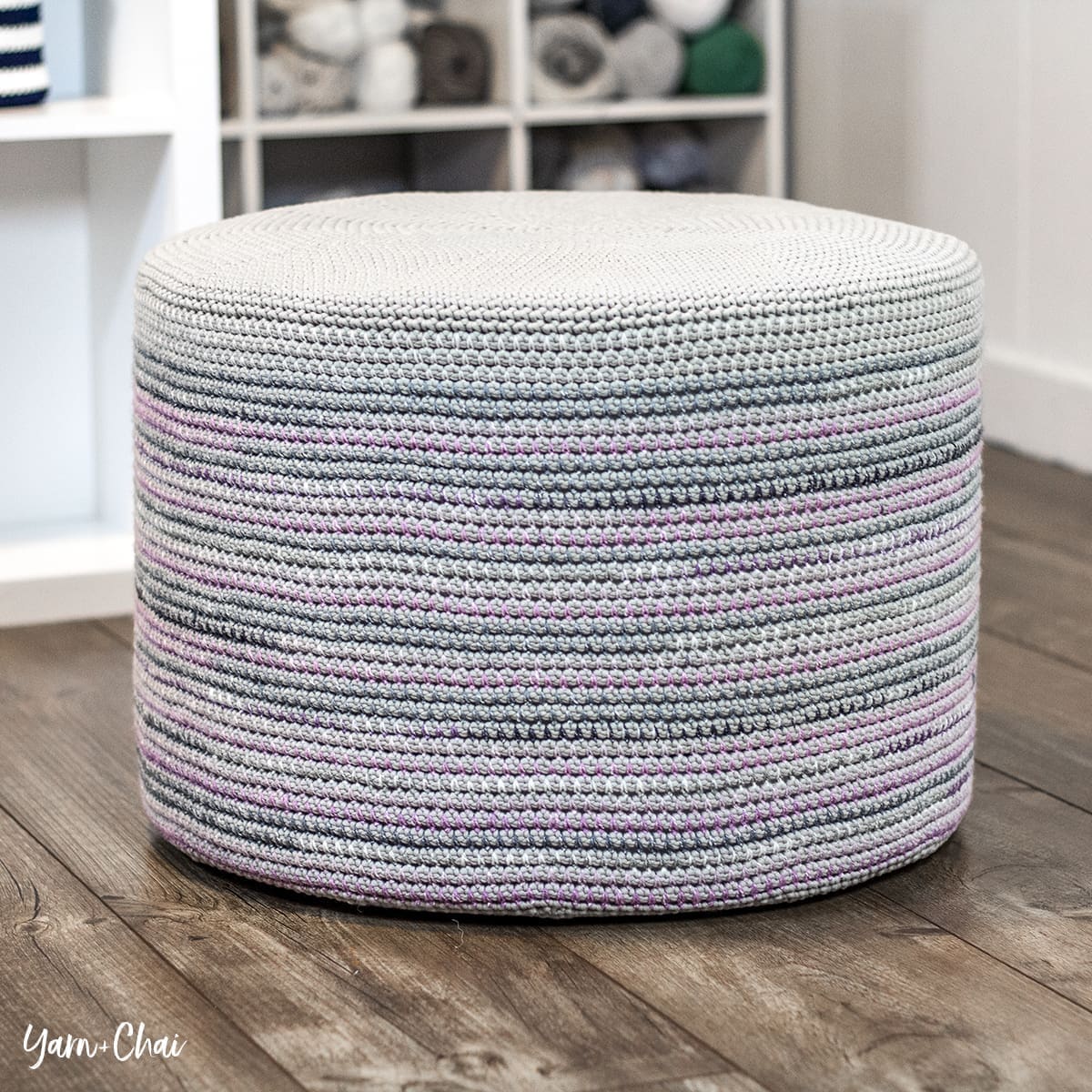
Choosing the right filling for your pouf is more than just picking something soft. It affects how comfortable it feels, how long it lasts, and even how safe it is for you and your family. Let’s take a closer look at the factors that matter most when deciding what to stuff your pouf with.
Comfort And Support
Think about how you plan to use your pouf. Is it just for resting your feet, or will it double as extra seating? Different fillings offer different levels of support.
Memory foam, for example, molds to your shape and offers excellent support. On the other hand, polyester fiberfill feels soft but may flatten quickly. If you want a balance, consider shredded foam, which provides both softness and structure.
Durability And Maintenance
Ask yourself how often your pouf will be used. High-traffic areas demand fillings that hold up well over time without losing shape.
Foam beads or shredded foam usually last longer than fiberfill, which can clump after repeated use. Some natural fillings like buckwheat hulls are surprisingly durable and easy to fluff, but they might be heavier to move around.
Also, think about maintenance. Can you easily replace or add filling if the pouf starts to feel flat? Certain fillings require less upkeep, saving you time and effort.
Allergies And Safety
Your health should come first. Some fillings can trigger allergies or may not be safe for children and pets.
Polyester fiberfill is hypoallergenic and a good choice for sensitive users. Natural fillings, like wool or buckwheat, might cause reactions in some people but are chemical-free.
Consider whether the filling is fire-resistant or treated with chemicals. Check labels carefully and choose fillings that meet safety standards to protect your home and loved ones.
Filling Techniques
Choosing the right filling technique can make all the difference in how comfortable and durable your pouf turns out. How you stuff your pouf affects not just its look but also how it holds up over time. Let’s dive into practical ways you can fill your pouf to get the best results.
How To Stuff A Pouf Evenly
Even stuffing is key to a pouf that looks smooth and feels balanced. Start by adding small amounts of filling at a time and spread it out as you go.
Use your hands to push the filling into corners and edges, preventing lumps or empty spaces. If you’re using materials like foam or fiberfill, break them into smaller pieces for easier distribution.
Ask yourself: does the pouf feel uniform when you press on different areas? If not, adjust the filling until you get that consistent feel.
Adjusting Firmness
Your preferred firmness depends on how you plan to use the pouf. For seating, firmer stuffing works best; for footrests, softer is usually more comfortable.
Add filling gradually and test by sitting or pressing on the pouf. Remove or add more filling until it meets your comfort level.
Sometimes, mixing different types of filling—like combining shredded foam with polyester fiber—can give you the perfect balance of support and softness.
Sealing And Finishing
Once stuffed, securely close your pouf to keep the filling in place. Use a strong zipper or sew the opening tightly with durable thread.
Double-check for gaps or weak spots that might allow filling to escape over time. Reinforce these areas to extend the life of your pouf.
Consider adding a fabric liner inside before stuffing. This extra layer keeps the filling contained and makes future refilling easier.
Credit: yarnandchai.com
Care And Maintenance
Proper care and maintenance keep your pouf looking fresh and comfortable. Regular attention helps avoid wear and tear. It also ensures the filling stays supportive and clean. Small efforts can extend the life of your pouf significantly.
Cleaning Filled Poufs
Vacuum your pouf gently to remove dust and dirt. Use a soft brush attachment to protect the fabric. Spot clean stains quickly with a mild detergent and water. Avoid soaking the pouf to prevent damage to the filling. Let it air dry completely before use. For removable covers, follow the washing instructions on the label.
Refilling Tips
Check the firmness of your pouf regularly. Add filling when it feels flat or saggy. Use the same type of filling for consistency. Open the zipper carefully to avoid tearing the fabric. Fill small amounts at a time to reach the desired firmness. Seal the zipper tightly after refilling to keep the filling secure.
Extending Pouf Lifespan
Keep the pouf away from direct sunlight to avoid fading. Rotate your pouf often to prevent uneven wear. Avoid placing heavy objects on it for long periods. Use pouf covers to protect the fabric from spills and stains. Store your pouf in a dry place when not in use. Regular care will keep it comfortable and attractive for years.
Frequently Asked Questions
What Materials Can I Use To Stuff A Pouf?
You can stuff a pouf with foam beads, polyester fiberfill, old clothes, or shredded fabric. Each material offers different firmness and comfort levels.
Is Foam Bead Stuffing Good For Poufs?
Yes, foam beads provide lightweight support and mold easily to shape. They are breathable and maintain a pouf’s softness over time.
Can I Use Old Clothes To Fill A Pouf?
Old clothes are an eco-friendly option to fill a pouf. They add bulk but may compress quickly, requiring occasional fluffing or replacement.
How Much Stuffing Do I Need For A Pouf?
The amount depends on pouf size and desired firmness. Generally, fill about 80-90% to allow some give and comfortable seating.
Conclusion
Stuffing a pouf is simple and fun. Choose materials like foam beads, old clothes, or polyester fiberfill. Each option offers comfort and shape. Keep your pouf light and easy to move. Remember, the right stuffing makes it cozy and durable.
Try different fillings to find what suits you best. Your pouf will be a great addition to any room. Enjoy creating a comfy, stylish seat you love.



