
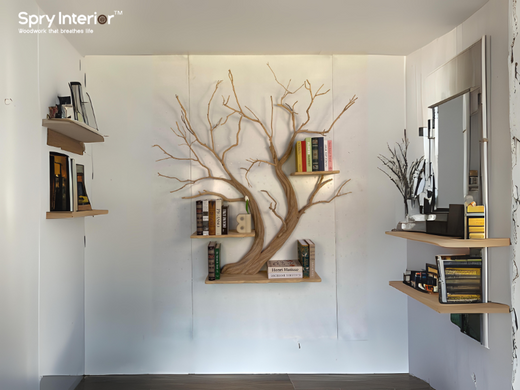
Are you tired of clutter taking over your space? Building shelves on your wall is one of the easiest ways to add storage and style without taking up floor space.
Imagine having a neat, organized room where everything has its place—sounds great, right? In this guide, you’ll discover simple steps to create sturdy, beautiful shelves that fit your needs perfectly. Whether you’re a beginner or just want a quick refresher, by the end of this article, you’ll feel confident to tackle this project yourself.
Let’s get started and transform your walls into a smart, stylish solution!

Credit: www.create-enjoy.com
Choosing The Right Shelves
Choosing the right shelves is more than just picking something that looks good on your wall. The type, material, and size all affect how well your shelves will hold up and how they fit into your space. Think about what you want to store and how much weight the shelves need to support before making your choice.
Types Of Shelves
Shelves come in many styles, each serving a different purpose. Floating shelves create a clean, modern look with no visible brackets, perfect for light items like small plants or picture frames.
Bracket shelves offer extra support for heavier items, like books or kitchenware. Corner shelves make smart use of unused spaces, adding storage without taking up much room.
Consider how you want your shelves to look and function. Do you want them to blend in, stand out, or fit into tight spots?
Materials And Finishes
The material of your shelves affects both durability and style. Solid wood offers strength and a warm look but can be pricey. MDF and plywood are budget-friendly options that you can paint or finish to match your decor.
Metal shelves are sturdy and great for industrial or modern designs. Glass shelves add elegance but work best for light items due to their fragility.
Finishes matter too—matte, glossy, stained, or painted surfaces can change the entire feel of your room. What kind of look do you want your shelves to create?
Size And Weight Considerations
Measure your wall space carefully before buying or cutting shelves. Too long, and they might sag in the middle; too short, and you waste valuable space.
Think about what you’ll place on the shelves. Heavy items like books need thicker shelves and strong support. Lighter items allow for thinner, less bulky shelves.
Ask yourself: Will the shelves hold just decoration, or will they need to support everyday items? Your answer will guide the size and strength you choose.
Tools And Supplies Needed
Before you start building shelves on your wall, gathering the right tools and supplies is crucial. Having everything at hand makes the process smoother and helps avoid unnecessary trips to the store. Let’s look at what you’ll need to get your project off the ground.
Essential Tools
To build sturdy shelves, you need a few basic tools that ensure precision and ease. A power drill is a must-have for making holes and driving screws quickly. A level will help you keep your shelves straight and balanced, preventing a crooked final look.
Don’t forget a tape measure to get accurate dimensions, and a stud finder to locate the best spots on your wall to anchor the shelves. A screwdriver set is handy for adjustments, and a pencil will let you mark measurements clearly. Having these tools ready means you can focus on assembling rather than scrambling for gear.
Hardware And Fasteners
The strength of your shelves depends heavily on the right hardware. Choose heavy-duty wall anchors or toggle bolts if you’re mounting on drywall without studs. If you find studs, wood screws will provide the best support.
- Brackets or shelf supports designed for the weight you plan to hold
- Appropriate screws and anchors based on your wall type
- Optional: decorative covers for screws to give your shelves a polished finish
Think about what you will place on the shelves. Will you be storing heavy books or light decorative items? The hardware you select should match the shelf’s load to keep everything safe and secure.
Safety Equipment
Your safety is just as important as the shelf’s sturdiness. Protect your eyes with safety goggles when drilling or hammering. Gloves can keep your hands safe from splinters and sharp edges.
Consider using a dust mask if you are working with drywall or sanding wood. And never underestimate the value of comfortable shoes to prevent slips or injuries while handling tools. Preparing with safety gear helps you stay focused and prevents accidents during the project.
Preparing The Wall
Clear the wall surface and check for any holes or cracks. Use a stud finder to locate studs for strong shelf support. Clean the area to ensure proper adhesion and stability.
Preparing the wall for your new shelves is a crucial step that lays the groundwork for a successful installation. A well-prepared wall ensures your shelves will be sturdy and look great. This part of the process is where precision and attention to detail truly matter.Finding Wall Studs
Start by locating the wall studs, as they provide the necessary support for your shelves. Use a stud finder for accuracy—this handy tool can save you a lot of guesswork. If you don’t have one, gently knock on the wall and listen for a solid sound, which indicates a stud.Measuring And Marking
Accurate measurements are key to achieving a balanced look. Measure the length and height where you want the shelves to be installed. Use a pencil to mark these points, ensuring each is level using a spirit level.Wall Surface Checks
Before drilling, inspect the wall surface for any irregularities. If the wall has an uneven texture, consider sanding it down for better adherence. Check for any electrical outlets or plumbing lines that might be hidden behind the wall—drilling into these can be dangerous. Taking the time to prepare the wall properly ensures your shelves will not only hold up but also enhance the space aesthetically. Are you ready to see your vision come to life with these simple steps?Installing Shelf Brackets
Installing shelf brackets is a key part of building sturdy wall shelves. Proper bracket placement supports the shelf and the items it will hold. Follow simple steps to fix brackets securely and evenly on the wall.
Positioning Brackets
Measure the length of the shelf to decide bracket placement. Space brackets evenly, usually 16 to 24 inches apart. Align brackets with wall studs for strong support. Mark bracket positions on the wall with a pencil.
Drilling Pilot Holes
Use a drill bit smaller than the screw size for pilot holes. Drill holes at marked points to avoid wall damage. Pilot holes make screwing easier and prevent wood from splitting. Check the depth of holes to fit screws correctly.
Securing Brackets To Wall
Hold the bracket against the wall at the pilot holes. Drive screws through bracket holes into the wall firmly. Use a level to ensure brackets are straight before tightening screws. Test bracket stability by applying light pressure.
Mounting The Shelves
Mounting the shelves securely on the wall is where your project truly takes shape. This part requires precision and patience because a poorly mounted shelf can lead to accidents or damage. Let’s break down how to place, align, and fasten your shelves to get a stable and attractive result.
Placing Shelves On Brackets
Start by carefully resting the shelf on the brackets you’ve installed. Make sure the shelf fits snugly without wobbling or gaps. If the shelf feels loose, double-check the bracket spacing and wall anchors to ensure everything is sturdy enough to hold weight.
Have you noticed how even a tiny misfit can make the shelf unstable? Taking a moment to adjust the placement now saves you from future headaches.
Ensuring Level Alignment
Use a spirit level to check if your shelf is perfectly horizontal. Place the level on top of the shelf and adjust until the bubble is centered. This step is crucial because even a slight tilt can cause items to slide off.
Think about the last time you placed a drink on a tilted surface—did it stay put? Shelves work the same way.
Fastening Shelves In Place
Once aligned, secure the shelves with screws or brackets depending on your setup. Use a drill to fasten screws tightly, but avoid overtightening to prevent damage to the wood or wall. If you’re using brackets with screw holes, tighten all screws evenly for balanced support.
Make sure to test the shelf’s stability by gently pressing down before loading it fully. This simple check can prevent accidents and keep your hard work intact.

Credit: www.smorhome.com
Finishing Touches
Finishing touches are what transform your wall shelves from basic to beautiful. These final steps not only enhance the look but also protect your work and make your shelves truly functional. Paying attention to details here can make all the difference in how your shelves fit into your space and lifestyle.
Sanding And Painting
Start by sanding the shelves to smooth out any rough edges or uneven surfaces. Use fine-grit sandpaper for a sleek finish that feels good to the touch. Sanding helps paint or stain stick better and prevents splinters.
Choose paint or stain that matches your room’s decor or creates a bold contrast. Apply thin, even coats and let each layer dry completely before adding the next. Don’t forget to seal the surface with a clear finish to protect against scratches and moisture.
Adding Decorative Elements
Decorative touches personalize your shelves and make them stand out. Consider adding small brackets with interesting designs or using wallpaper or fabric on the back panel for texture and color.
You might also attach LED strip lights underneath the shelves to highlight your items and add ambient lighting. What unique element can you add that reflects your style while enhancing the shelf’s purpose?
Organizing Your Storage
Once the shelves are ready, organize your items to maximize both space and aesthetics. Use baskets or bins to group smaller objects and keep the shelves tidy.
Arrange heavier items on lower shelves and lighter, decorative pieces higher up. This creates balance and prevents accidents. How can you arrange your things so your shelves look inviting and work well for your daily needs?
Troubleshooting Common Issues
Troubleshooting common issues is key to building sturdy wall shelves. Problems like uneven walls, loose brackets, or weight limits can disrupt your project. Identifying and fixing these issues early saves time and effort.
Dealing With Uneven Walls
Uneven walls cause shelves to tilt or not fit properly. Use a level to check the wall surface before installation. Fill small gaps with shims or wood pieces behind the bracket. Sand or plane the shelf edges if needed to ensure a snug fit. For large uneven areas, consider mounting a flat board first, then attach shelves to it.
Fixing Loose Brackets
Loose brackets reduce shelf stability and may cause accidents. Tighten screws securely using a screwdriver or drill. Replace stripped wall anchors with stronger ones like toggle bolts or molly bolts. Check if the bracket holes are bigger than screws; use larger screws or add washers. If the wall material is weak, mount brackets on studs for better support.
Handling Weight Limits
Every shelf has a weight limit that must not be ignored. Know the weight capacity of your brackets and shelves before loading. Distribute heavy items evenly across the shelf surface. Use stronger brackets or additional supports for heavier loads. Avoid placing very heavy objects on shelves mounted only with drywall anchors.

Credit: tailorwoodhaven.com
Frequently Asked Questions
How Do I Find Studs For Wall Shelves?
Use a stud finder to locate studs behind the wall. Mark the stud positions with a pencil. Shelves anchored to studs hold more weight and stay secure.
What Tools Are Needed To Build Wall Shelves?
Basic tools include a drill, level, stud finder, measuring tape, screws, and brackets. These ensure accurate installation and sturdy shelves.
What Materials Work Best For Wall Shelves?
Solid wood, plywood, or MDF are popular choices. Choose based on weight capacity, style, and budget preferences. Proper finishing protects the shelves.
How Do I Ensure Shelves Are Level On The Wall?
Use a bubble level during installation. Mark horizontal lines to guide bracket placement. Level shelves prevent items from sliding off.
Conclusion
Building shelves on the wall adds space and style to any room. Start with the right tools and measure carefully. Choose strong materials and secure the shelves well. Take your time to make sure everything is level. This simple project can improve your home quickly.
Enjoy your new shelves filled with books, plants, or decorations. Small efforts bring big changes to your living space. Try it yourself and see the difference it makes.



