
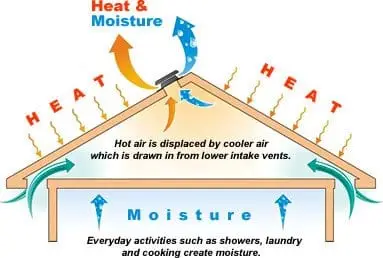
Are you sure your attic is getting the right amount of ventilation? Proper attic ventilation is key to keeping your home comfortable, reducing energy bills, and preventing costly damage like mold or wood rot.
But how do you know if your attic is ventilated correctly? Learning how to calculate attic ventilation is easier than you think—and doing it yourself can save you time and money. In this guide, you’ll discover simple steps to measure and improve your attic airflow, so you can protect your home and enjoy lasting comfort.
Keep reading to find out exactly how to get it right.
Why Attic Ventilation Matters
Attic ventilation plays a crucial role in maintaining a healthy home environment. It helps control temperature and moisture levels in your attic. Proper ventilation extends the life of your roof and improves energy efficiency. Without good airflow, problems can quickly arise, affecting your home’s comfort and safety.
Benefits Of Proper Airflow
- Reduces heat buildup during hot months
- Prevents moisture accumulation that causes mold
- Protects roofing materials from damage
- Improves indoor air quality
- Lowers energy costs by easing cooling loads
Risks Of Poor Ventilation
- Traps heat and moisture, leading to wood rot
- Encourages mold and mildew growth
- Increases energy bills due to inefficient cooling
- Shortens roof lifespan by warping shingles
- Can cause ice dams in winter, damaging gutters

Credit: shumakerroofing.com
Key Ventilation Components
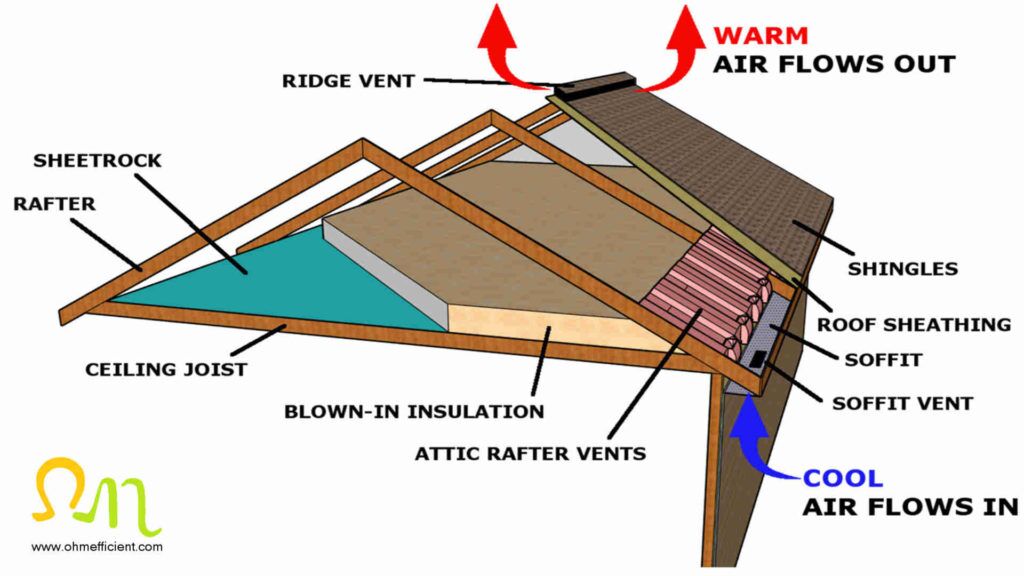
Understanding the key ventilation components is essential before you calculate attic ventilation. These parts work together to keep your attic cool, dry, and free from moisture buildup. Knowing how each component functions helps you decide what and how much ventilation your attic needs.
Intake Vents
Intake vents bring fresh air into your attic. They are usually located along the eaves or soffits of your roof. Without enough intake vents, your attic can trap heat and moisture, which may damage your roof structure over time.
Think about the last time you felt stuffy in a closed room with no airflow. Your attic needs fresh air in the same way. Adding more intake vents can help maintain a steady flow of cool air entering your attic space.
Exhaust Vents
Exhaust vents allow hot, moist air to escape from the attic. These are typically placed near the roof ridge or high on the roof. If your attic doesn’t have enough exhaust vents, heat and humidity will build up, increasing the risk of mold and wood rot.
Have you noticed how hot air rises on a summer day? Exhaust vents take advantage of this natural movement to pull stale air out. Balancing exhaust vents with intake vents ensures your attic breathes properly.
Ventilation Ratio
The ventilation ratio is the balance between intake and exhaust vents. It is usually recommended to have 1 square foot of ventilation for every 150 square feet of attic floor space. This ratio helps maintain consistent airflow and prevents air stagnation.
If you’re unsure how to measure your attic, use a tape measure to calculate the total floor area. Then, apply the ventilation ratio to find out how much vent space you need. Getting this balance right protects your home and improves energy efficiency.
Measuring Your Attic Space
Measuring your attic space is essential for proper ventilation. Accurate measurements help ensure the right airflow. This prevents moisture buildup and keeps your home comfortable. Start by gathering a tape measure, a calculator, and a notepad. Safety first—use a sturdy ladder and watch your step.
Calculating Attic Area
Measure the length and width of your attic floor. Multiply these two numbers to get the area in square feet. For irregular shapes, divide the attic into smaller rectangles. Measure each part and add them together. Record all measurements clearly for easy reference.
Determining Roof Slope
Roof slope affects attic ventilation needs. Find the rise and run of your roof. Rise is the vertical height; run is the horizontal distance. Use a level and tape measure to find these values. Calculate slope by dividing rise by run. This ratio helps adjust ventilation calculations correctly.
Calculating Ventilation Needs
Calculating ventilation needs for your attic is essential to maintain a healthy and efficient home environment. Proper ventilation helps regulate temperature, reduce moisture buildup, and extend the life of your roofing materials. Understanding how much ventilation your attic requires is the first step toward preventing costly damage and improving energy efficiency.
Using The Net Free Vent Area (nfva)
The Net Free Vent Area (NFVA) measures the actual open space in your vents that allows air to flow freely. This value is crucial because vents often have screens or louvers that reduce airflow. To calculate NFVA, check the manufacturer’s specifications or measure the vent opening and subtract any obstructions.
For example, if your vent has a 12-inch by 6-inch opening but a screen that blocks 25% of the area, your NFVA is 54 square inches (72 sq. in. minus 18 sq. in.). Knowing the NFVA helps you figure out how many vents you need to achieve proper airflow.
Applying The 1:150 Rule
The 1:150 rule is a simple guideline for attic ventilation. It means you need 1 square foot of ventilation for every 150 square feet of attic floor space. This ratio ensures enough airflow to prevent heat buildup and moisture problems.
Imagine your attic floor is 1,500 square feet. According to this rule, you need 10 square feet of total ventilation (both intake and exhaust combined). This helps you decide how many vents and what size to install.
Balancing Intake And Exhaust
Effective attic ventilation requires a balance between intake vents (usually located under the eaves) and exhaust vents (placed near the roof ridge). Intake vents bring fresh air in, while exhaust vents let hot air escape. If one side is larger than the other, airflow slows down, reducing ventilation efficiency.
Check that your intake and exhaust NFVA are roughly equal. If your intake area is too small, the attic won’t get enough fresh air, leading to moisture buildup. Too much intake without proper exhaust can cause pressure problems, pushing air into unwanted places.
Have you ever noticed your attic feeling stuffy or hot despite having vents? Balancing these areas might be the simple fix you need to improve airflow and protect your home.
Choosing Vent Types
Choosing the right vent type is essential for effective attic ventilation. Calculate attic ventilation by dividing attic square footage by 150. This helps determine the required vent area for optimal airflow.
Choosing the right vent type for your attic is crucial. It ensures proper airflow, keeping your home energy-efficient and moisture-free. Each vent type has its unique benefits. Let’s explore the options.Ridge Vents
Ridge vents run along the peak of your roof. They provide continuous airflow. This vent type allows hot air to escape naturally. Ridge vents blend with your roofline. They offer a clean, unobtrusive look.Soffit Vents
Soffit vents are installed under the eaves. They draw in cool air from outside. This air moves upward to push out warm air. Soffit vents work well with ridge vents. Together, they create a balanced ventilation system.Gable Vents
Gable vents are placed on the end walls of your attic. They are triangular or rectangular. Gable vents allow air to flow side-to-side. This vent type can be decorative too. They add a stylish touch to your home’s exterior.Powered Vents
Powered vents use electricity to move air. They are ideal for homes with limited natural airflow. These vents can be roof-mounted or gable-mounted. Some powered vents have thermostats. This feature helps maintain a consistent attic temperature.
Credit: www.youtube.com
Installation Tips
Proper attic ventilation depends on correct installation. Poor setup can reduce airflow and cause damage. Follow these tips to ensure your attic vents work well and last long. Focus on vent placement and avoid common errors during installation.
Proper Placement
Place intake vents near the eaves or soffits. This allows cool air to enter the attic. Exhaust vents should go near the roof ridge or highest point. This setup helps hot air escape efficiently. Keep vents clear of insulation and debris. Make sure vents are evenly spaced for balanced airflow.
Avoiding Common Mistakes
- Do not block vents with insulation or objects.
- Avoid placing intake and exhaust vents too close together.
- Do not use vents that are too small for the attic size.
- Ensure vents are securely fastened to prevent leaks.
- Check for proper sealing around vents to keep moisture out.
Maintaining Attic Ventilation
Maintaining attic ventilation is key to keeping your home comfortable and preventing costly damage. Without proper upkeep, vents can become blocked or damaged, reducing airflow and causing heat and moisture buildup. Paying attention to your attic’s ventilation system can save you from bigger problems down the road.
Regular Inspections
Set a schedule to check your attic ventilation at least twice a year, ideally in spring and fall. Look for any signs of blockage like dust, debris, or nests that could be restricting airflow. Don’t forget to examine both intake vents near the eaves and exhaust vents at the roof peak.
Ask yourself: Are the vents clear and unobstructed? Are there any spots where air seems stagnant or moisture collects? Catching these issues early can keep your attic dry and well-ventilated.
Cleaning And Repairs
Cleaning vents might be simple, but it’s crucial. Use a soft brush or vacuum to remove dust and debris. If you spot mold or mildew, clean with a mild detergent solution to stop it from spreading.
Check for damage like cracked vent covers or loose screens. Replace or repair these parts promptly to maintain proper airflow and keep pests out. Remember, a small repair now can prevent expensive fixes later.
Credit: ohmefficient.com
Frequently Asked Questions
What Is The Best Way To Calculate Attic Ventilation?
Calculate attic ventilation by measuring attic square footage and applying the 1:150 ratio. Divide total vent area by 150 to find required ventilation in square inches.
How Much Ventilation Does My Attic Need?
Attic ventilation needs 1 square foot of vent area per 150 square feet of attic space. This ensures proper airflow and moisture control.
Why Is Balanced Intake And Exhaust Ventilation Important?
Balanced intake and exhaust prevent moisture buildup and heat damage. Intake vents bring fresh air, while exhaust vents remove hot air efficiently.
How Do I Measure Attic Vent Area Correctly?
Measure vent openings’ height and width. Multiply these dimensions for net free area. Add all vents’ areas for total attic ventilation.
Conclusion
Proper attic ventilation keeps your home safe and comfortable. Calculate the right amount of vent space carefully. Use the right tools and follow simple steps. Good airflow prevents mold and reduces energy bills. Check vents regularly to keep them clear and working.
Small efforts lead to big benefits for your attic. Stay mindful of ventilation needs to protect your home. Easy to do, worth the time and care.



