
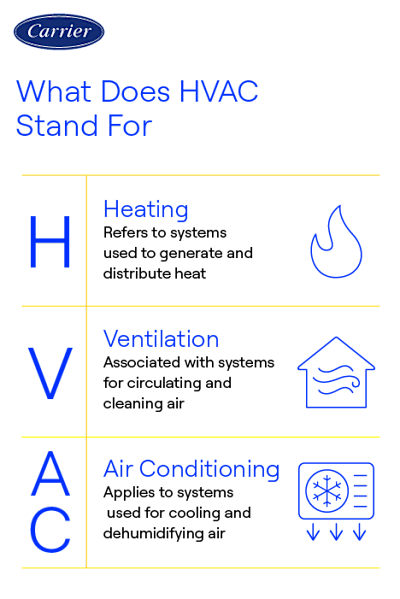
Have you ever wondered what HVAC really means and why it’s so important in your home or office? Understanding HVAC can help you make smarter choices about your comfort and energy bills.
Whether you’re fixing your air conditioner or planning a new heating system, knowing the basics gives you the power to save money and stay comfortable all year round. Keep reading, and you’ll discover everything you need to know about HVAC in simple terms.
Credit: www.lennox.com
Hvac Basics
Understanding HVAC basics helps you grasp how buildings stay comfortable. HVAC stands for heating, ventilation, and air conditioning. These systems control indoor temperature and air quality. They work all year round to keep spaces warm or cool.
Definition Of Hvac
HVAC is a system that provides heating, ventilation, and air conditioning. It controls the temperature and air flow inside buildings. This system makes sure the air is fresh and comfortable. HVAC is important in homes, offices, and stores.
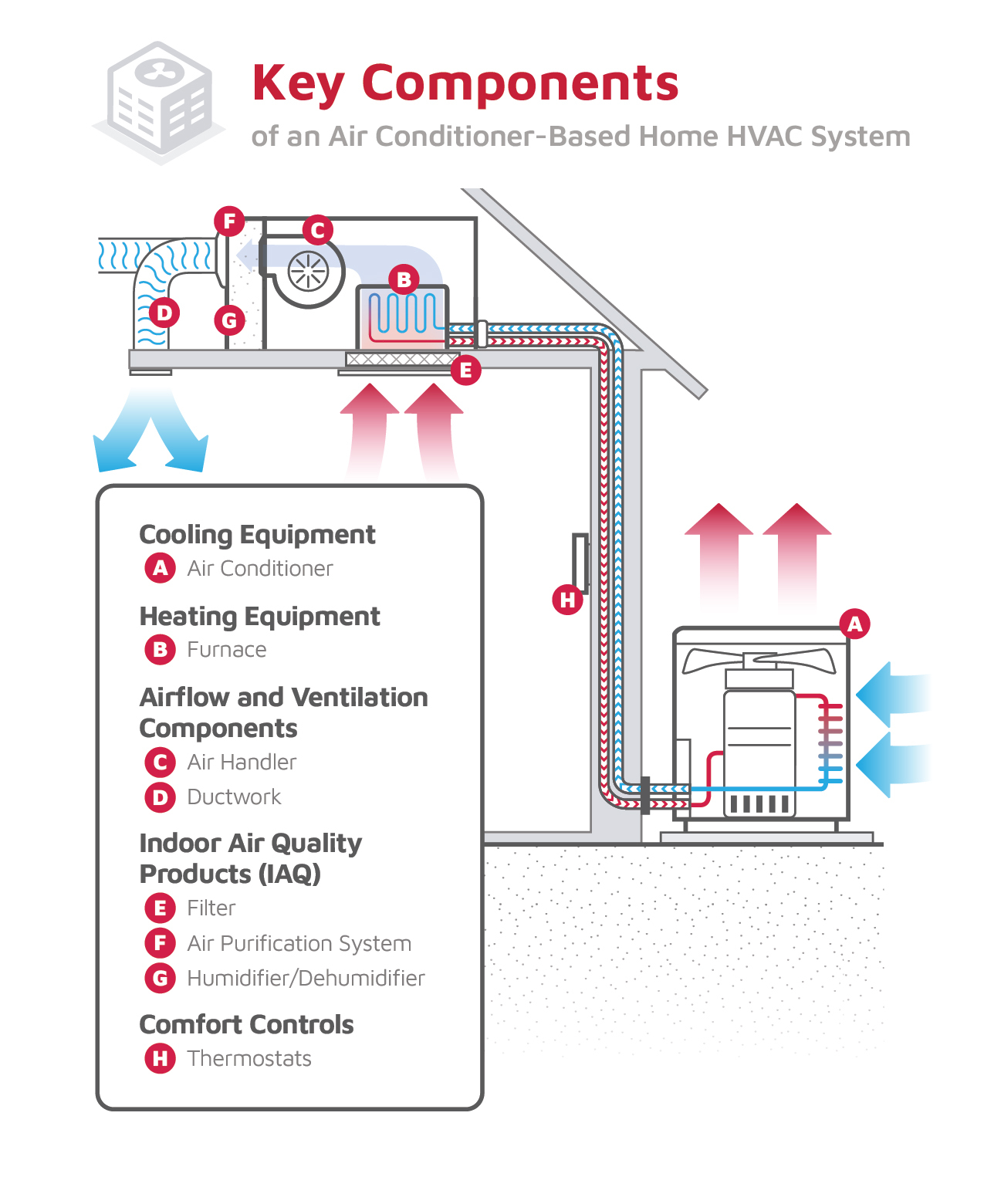
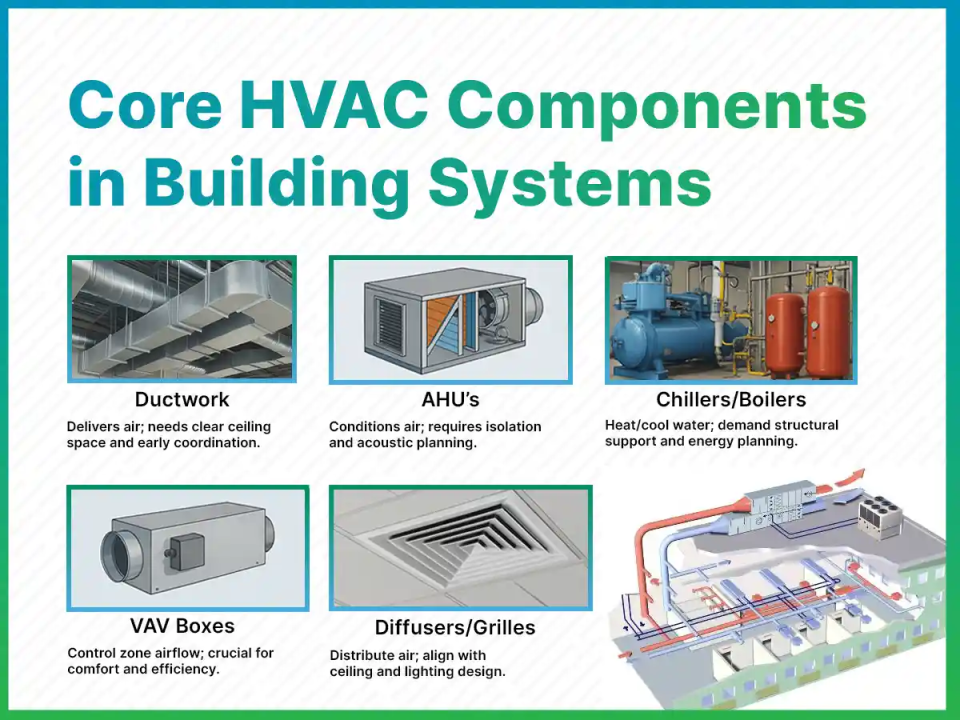
Components Of Hvac Systems
HVAC systems have several key parts. Each part plays a role in making the system work well.
- Heating unit:Produces warm air during cold months.
- Cooling unit:Cools air when it is hot outside.
- Ventilation:Moves air in and out to keep it fresh.
- Ductwork:Channels that carry air throughout the building.
- Thermostat:Controls the temperature automatically.
Types Of Hvac Systems
Different buildings need different HVAC systems. The main types include:
- Split systems:Separate heating and cooling units, common in homes.
- Packaged systems:All components in one unit, often used in small buildings.
- Ductless systems:No ducts, good for rooms without ductwork.
- Hybrid systems:Combine gas furnace and electric heat pump for efficiency.
Credit: www.tejjy.com
How Hvac Works
Understanding how HVAC works can change the way you interact with your home environment. It’s not just about turning a dial or flipping a switch; it’s a complex system designed to keep your indoor air comfortable throughout the year. Let’s break down the core functions so you can see how each part plays a role in your comfort and health.
Heating Process
The heating part of an HVAC system warms your home when temperatures drop. It typically uses a furnace or a heat pump to generate heat.
The furnace burns fuel or uses electricity to heat air, which then travels through ducts to warm every room. Heat pumps work differently by extracting heat from outside air—even when it’s cold—and moving it indoors.
Have you noticed how quickly your home warms up after the heater starts? That’s the system working efficiently to maintain your comfort.
Cooling Process
Cooling your home involves removing heat from the indoor air and releasing it outside. This is usually done by an air conditioner or a heat pump operating in reverse.
The system uses a refrigerant to absorb heat from inside your home. Then, it circulates this heat outside through a condenser unit.
Think about how refreshing it feels when cool air flows from your vents on a hot day. That’s the cooling process at work, helping you beat the heat.
Ventilation Role
Ventilation is often overlooked, but it’s essential for healthy indoor air quality. It helps remove stale air, odors, and excess moisture from your home.
Fresh air is brought in through vents, while old air is pushed out, balancing the airflow. This exchange prevents buildup of pollutants and keeps your living space feeling fresh.
Have you ever noticed a musty smell in a closed room? Proper ventilation can solve that problem and improve your overall comfort.
Benefits Of Hvac
Understanding the benefits of HVAC systems can change how you view the comfort of your home or office. These systems do much more than just regulate temperature; they play a vital role in improving your daily living environment. Let’s break down the main advantages that HVAC offers and why they matter to you.
Comfort And Air Quality
Your comfort depends heavily on the air around you. HVAC systems keep indoor temperatures stable, no matter the season, so you feel comfortable all year long.
They also filter out dust, allergens, and pollutants. This means cleaner air that can reduce allergies and respiratory problems. Have you ever noticed how much better you feel after a room gets a fresh breath of air? That’s the HVAC system working for you.
Energy Efficiency
Efficient HVAC systems use less energy to heat or cool your space. This not only lowers your utility bills but also reduces your environmental impact.
Modern units come with smart thermostats and zoning options, letting you control temperatures room by room. Imagine saving money without sacrificing comfort—wouldn’t that be worth it?
Health And Safety
Properly maintained HVAC systems help prevent mold growth and control humidity levels, both of which can cause health issues.
They also ensure good ventilation, removing harmful gases and odors from your home. Isn’t it reassuring to know your system is working to keep your family safe every day?
Credit: www.lennox.com
Choosing The Right Hvac System
Choosing the right HVAC system is crucial for maintaining comfort in your home or office while controlling energy costs. The right system not only keeps the temperature just right but also improves air quality and reduces environmental impact. Understanding your options and needs can save you from costly mistakes and ensure lasting satisfaction.
Factors To Consider
Start by evaluating the size of your space. A system too small won’t effectively cool or heat, while one too large will waste energy and increase bills.
Think about your budget—not just the initial cost but ongoing maintenance and energy consumption. Also, consider the climate where you live; some systems work better in hot, humid areas, while others excel in colder regions.
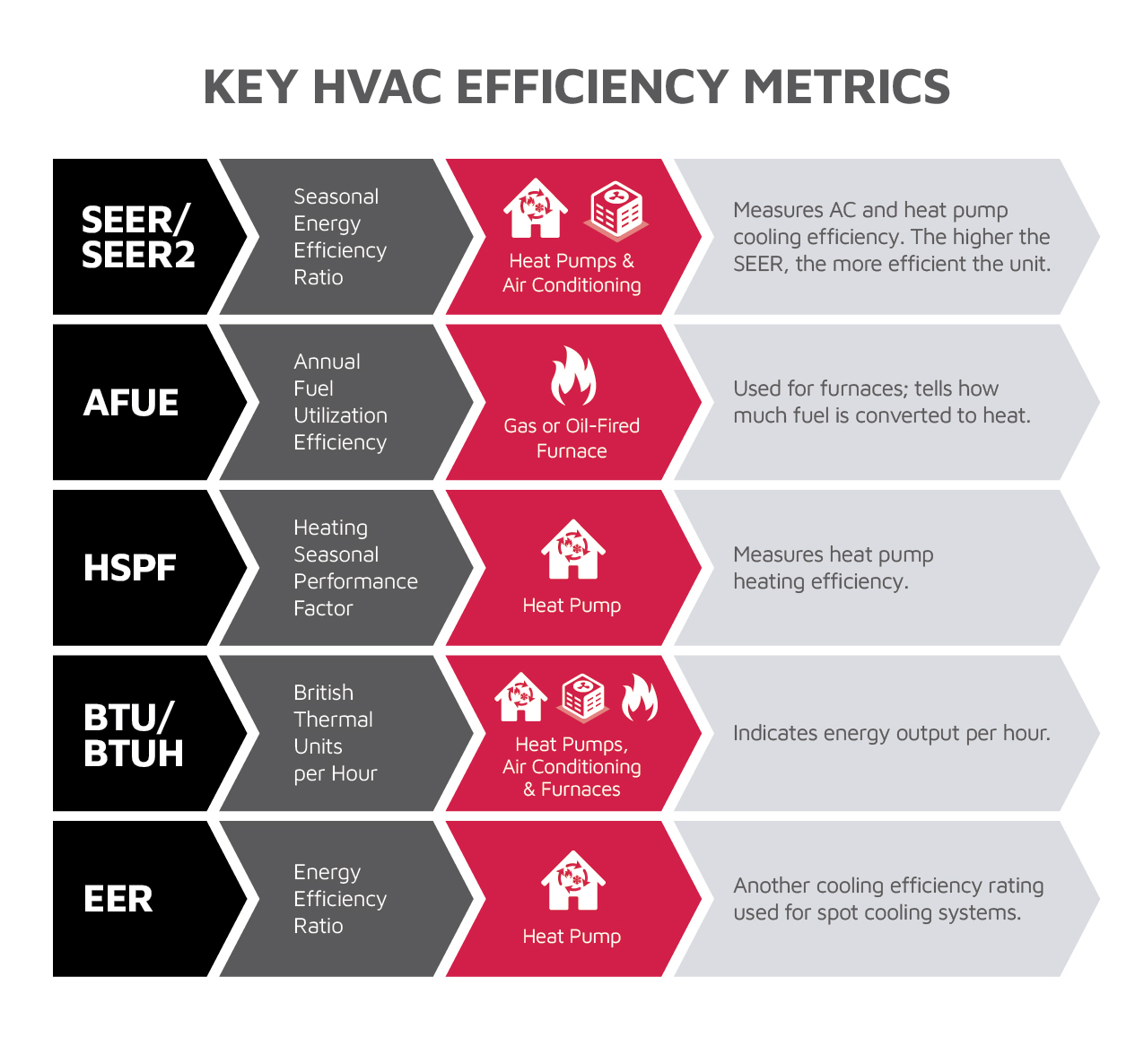
Energy efficiency ratings like SEER and AFUE can guide you toward models that help save money over time. Don’t forget to check if your home’s ductwork and insulation support the system you choose.
Common System Options
- Central Air Conditioners:Best for cooling large spaces evenly, but they require ductwork.
- Heat Pumps:Provide both heating and cooling and are energy-efficient in moderate climates.
- Ductless Mini-Splits:Ideal for homes without ducts, offering flexible zoning and easy installation.
- Furnaces:Common in colder regions, powered by gas, electricity, or oil for heating only.
Each option has pros and cons depending on your home’s layout and your comfort preferences. Have you thought about whether you want separate heating and cooling units or a combined system?
Professional Installation
Installing an HVAC system requires skill and precision. Even the best system can fail if installed incorrectly, leading to poor performance and higher energy costs.
Professional installers assess your home’s unique needs and ensure proper sizing and placement of equipment. They also handle complex tasks like refrigerant charging and duct sealing, which you shouldn’t attempt on your own.
Ask your installer about warranties and maintenance plans. Proper installation paired with regular servicing extends the life of your system and keeps it running efficiently.
Maintenance Tips
HVAC means heating, ventilation, and air conditioning. It helps control indoor temperature and air quality. Regular maintenance keeps HVAC systems running smoothly and saves energy.
Maintaining your HVAC system is essential to ensure its efficiency and longevity. Neglecting regular maintenance can lead to costly repairs and even health hazards. By following some simple tips, you can keep your system running smoothly and effectively.Regular Inspections
Schedule inspections at least twice a year, ideally in the spring and fall. This helps catch potential issues before they escalate. A professional can identify problems that you might overlook. Inspections ensure that all components are working correctly. They also check for any wear and tear. This proactive approach can save you money and stress.Filter Replacement
Replacing filters is one of the easiest maintenance tasks. It’s crucial for maintaining good air quality in your home. Dirty filters restrict airflow, which can make your system work harder. Check your filters every month. Replace them every 1-3 months, depending on usage and filter type. A clean filter ensures efficient operation and cleaner air.Troubleshooting Common Issues
Sometimes, your HVAC system might not function as expected. Before calling a professional, check for simple fixes. Is your thermostat set correctly? Are circuit breakers flipped? Listen for unusual noises. This could be a sign of a loose part. Addressing minor issues early can prevent bigger problems later. Taking these simple steps can prolong the life of your HVAC system. It also ensures a comfortable living environment. Have you checked your HVAC system lately?Future Trends In Hvac
The HVAC industry is evolving fast. New technologies and ideas shape how we heat, cool, and ventilate spaces. These changes aim to make systems smarter, greener, and more efficient. Understanding future trends helps homeowners and businesses prepare for better comfort and lower energy bills.
Smart Hvac Technologies
Smart HVAC systems use sensors and internet connections to adjust settings automatically. They learn user preferences and adapt to changing weather. This means less energy waste and more comfort. Mobile apps let users control HVAC remotely, adding convenience.
Sustainable Solutions
Sustainability drives new HVAC designs. Systems now use eco-friendly refrigerants that reduce harm to the environment. Solar-powered HVAC units reduce electricity use. Green building standards push for HVAC setups that lower carbon footprints and conserve resources.
Innovations In Energy Efficiency
Energy efficiency remains a top priority. New heat pumps and variable-speed motors use less power but deliver strong performance. Advanced insulation and sealing techniques keep air leaks low. Smart thermostats optimize energy use by adjusting temperatures based on occupancy.
Frequently Asked Questions
What Does Hvac Stand For In Building Systems?
HVAC stands for Heating, Ventilation, and Air Conditioning. It refers to systems that regulate indoor climate and air quality in buildings. These systems provide comfort by controlling temperature, humidity, and airflow efficiently.
How Does An Hvac System Work In Homes?
An HVAC system heats or cools air and circulates it indoors. It uses components like furnaces, air conditioners, and ducts to maintain comfortable temperatures and fresh air inside the home.
Why Is Hvac Important For Indoor Air Quality?
HVAC systems filter and ventilate indoor air, reducing pollutants and allergens. Proper HVAC maintenance ensures healthier air, preventing respiratory issues and improving overall comfort in living and working spaces.
What Are Common Hvac System Components?
Common components include the furnace, air conditioner, heat pump, ductwork, vents, and thermostat. Each part plays a vital role in heating, cooling, and distributing air throughout a building.
Conclusion
Understanding HVAC helps you see how buildings stay comfortable. It means heating, ventilation, and air conditioning. These systems control temperature and air quality inside homes and offices. Knowing this can help you make better choices for your space. Good HVAC keeps you warm in winter and cool in summer.
It also improves air flow and removes moisture. Now you know why HVAC matters in everyday life. Simple, clear, and useful—just what you need to stay comfortable.



