
Are you feeling stuffy or noticing stale air in your home? Proper air circulation is the secret to a fresher, healthier living space.
When air moves well, it reduces odors, controls humidity, and even helps you breathe easier. But how do you get your house to breathe as well as you do? You’ll discover simple, effective ways to circulate air throughout your home.
Keep reading, and you’ll learn easy tricks that can make a big difference in your comfort and well-being every day.
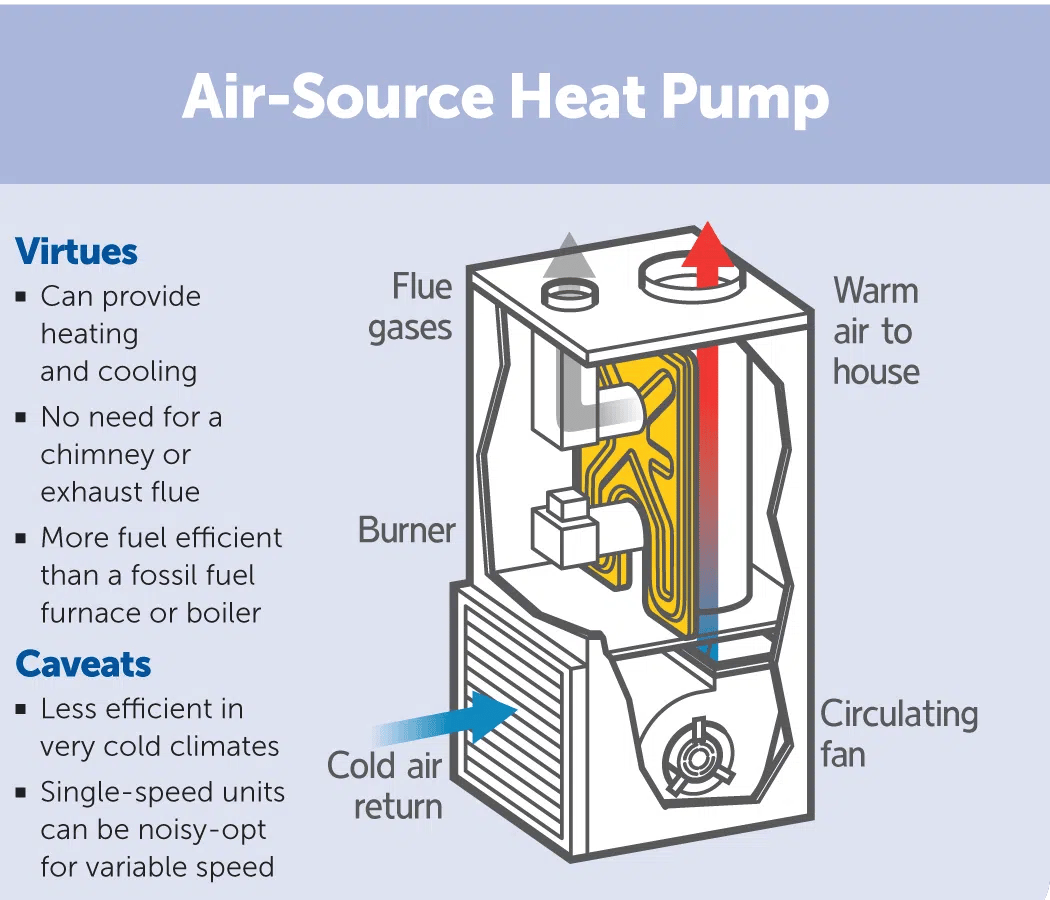
Credit: www.greenbuildermedia.com
Benefits Of Good Air Circulation
Good air circulation is key to a healthy and comfortable home. It helps keep the air fresh and clean. Proper airflow removes stale air and brings in fresh oxygen. This simple action improves the living environment in many ways. Below are some important benefits of good air circulation.
Improved Indoor Air Quality
Circulating air reduces indoor pollutants and odors. It helps remove dust, pet dander, and smoke particles. Fresh air lowers the concentration of harmful gases. This creates a cleaner atmosphere for breathing. Better air quality can reduce allergy and asthma symptoms. It supports overall respiratory health for all family members.
Reduced Moisture And Mold
Good airflow controls moisture levels inside the house. It prevents dampness that causes mold and mildew growth. Mold can damage walls, furniture, and flooring. It also harms health by triggering allergies and infections. Circulating air dries wet areas quickly. This helps protect your home and keeps it safe.
Enhanced Comfort And Health
Air movement balances indoor temperatures naturally. It cools down warm rooms and spreads heat evenly. Proper circulation reduces stuffiness and prevents hot or cold spots. A comfortable home supports better sleep and daily activities. Fresh air also boosts mood and energy. It creates a pleasant space for everyone to enjoy.

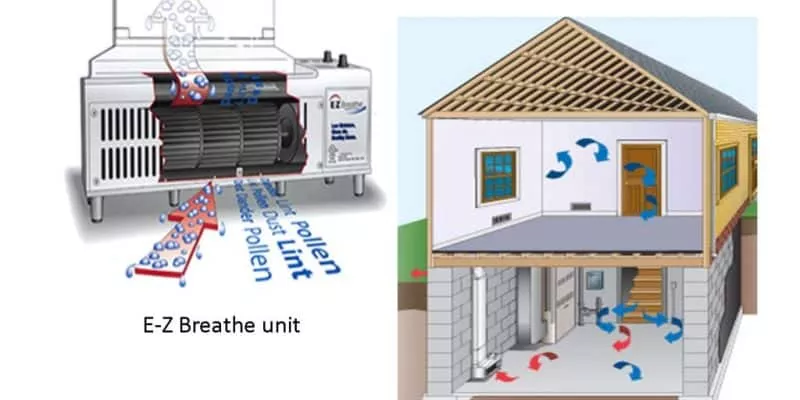
Credit: ezbreathe.com
Identify Airflow Blockages
Identifying airflow blockages is key to improving air circulation in your home. Blocked airflow can cause rooms to feel stuffy and uncomfortable. It also increases energy costs and reduces air quality. Simple checks can reveal common obstacles stopping air from moving freely. Fixing these issues helps your ventilation system work better and keeps your home fresh.
Check Furniture Placement
Furniture can block airflow if placed too close to vents or air returns. Large sofas, cabinets, or beds might stop air from spreading. Leave space around vents to let air flow easily. Avoid placing heavy items in front of heating or cooling units. Rearranging furniture creates clear paths for air circulation. This small change can make rooms cooler or warmer as needed.
Inspect Vents And Registers
Dust and debris often clog vents and registers. Blocked vents reduce airflow and strain your HVAC system. Remove vent covers and clean inside with a vacuum or brush. Check if vents are fully open and not damaged. Replace broken or missing vent covers to improve air direction. Regular inspection keeps air moving smoothly throughout the house.
Look For Closed Doors And Windows
Closed doors and windows limit airflow between rooms and outdoors. Keep interior doors open to allow air to circulate freely. Open windows for natural ventilation when weather permits. Use screens to keep insects out while letting air in. Proper airflow prevents stale air and reduces humidity. This simple habit improves comfort and air quality in your home.
Use Fans Effectively
Using fans effectively can dramatically improve air circulation in your home. Fans don’t just cool a space; they move air around to prevent stuffiness and help maintain a balanced temperature. The key is knowing where and how to place different types of fans to create a natural airflow that refreshes your entire living area.
Ceiling Fans For Air Movement
Ceiling fans are excellent at creating a broad air movement throughout a room. They push air downward in the summer to create a cooling breeze and can be reversed in winter to pull cool air up and push warm air down. Position your ceiling fan blades to spin counterclockwise in warmer months to maximize airflow.
Have you noticed how a well-placed ceiling fan can make a room feel cooler without dropping the thermostat? That’s because it helps evaporate sweat from your skin, tricking your body into feeling cooler even when the temperature remains steady.
Portable Fans For Targeted Flow
Portable fans give you control over where the air moves, making them perfect for targeted cooling. Use them near seating areas or workspaces to direct airflow exactly where you need it. Small desk fans, tower fans, and box fans can all be rotated and repositioned easily to suit your comfort.
Try placing a portable fan near an open window at night to pull in cool air from outside. This simple trick can reduce indoor temperatures without using air conditioning, saving energy and money.
Exhaust Fans In Kitchens And Bathrooms
Exhaust fans are crucial for removing stale, humid air in kitchens and bathrooms. They help prevent mold and keep these spaces fresh by expelling moisture and odors outside. Running exhaust fans while cooking or showering keeps air from becoming trapped and heavy.
Consider upgrading to a quieter, more efficient exhaust fan if yours is noisy or rarely used. You might be surprised how much fresher your home feels with just a small improvement in ventilation.
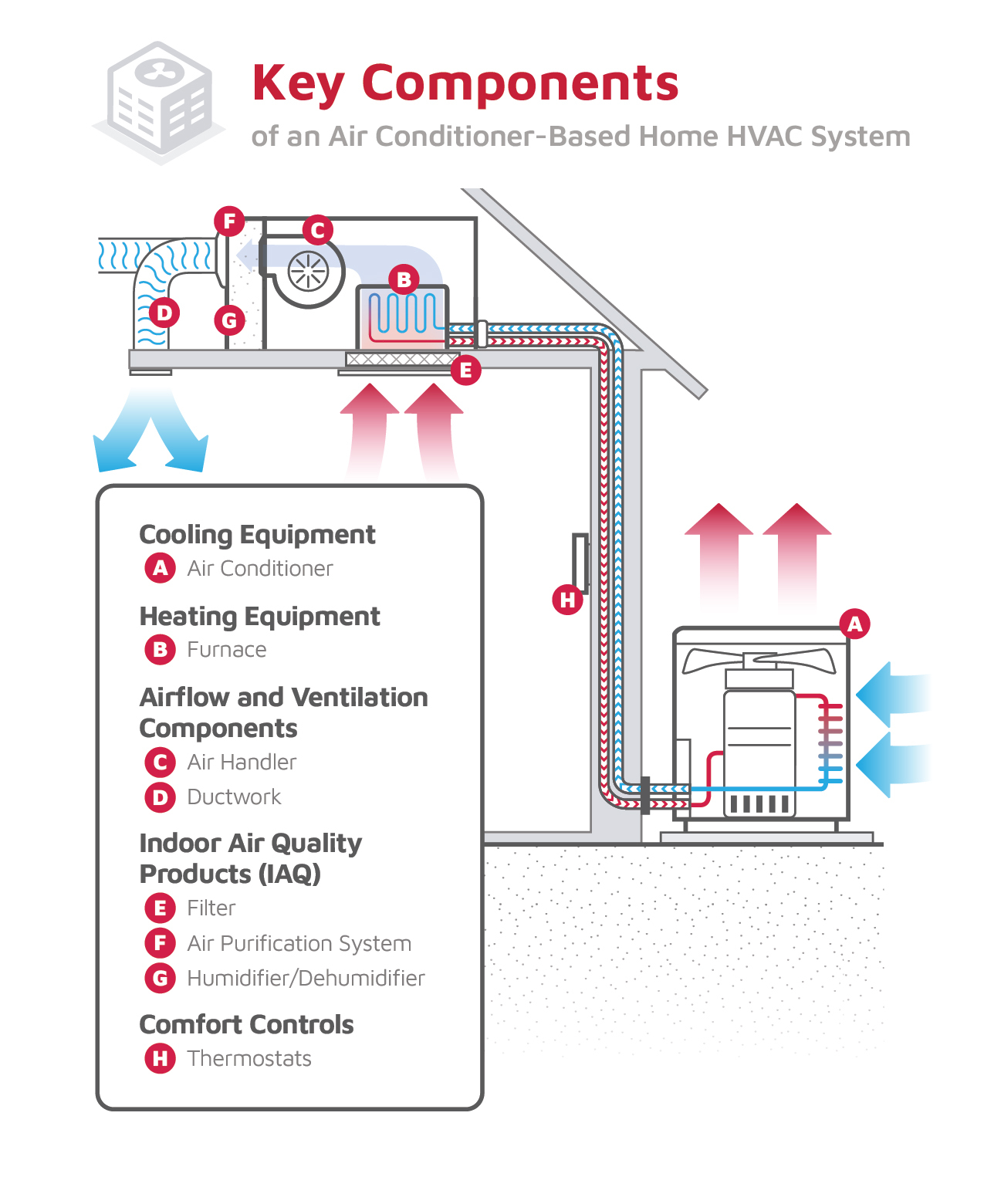
Credit: www.lennox.com
Maximize Natural Ventilation
Maximizing natural ventilation is one of the smartest ways to keep your home fresh without relying heavily on fans or air conditioners. It uses the natural flow of air to cool down spaces and reduce indoor pollutants. You can create a comfortable environment simply by understanding how air moves through your house.
Cross-ventilation Techniques
Cross-ventilation happens when air enters through one opening and exits through another, creating a natural breeze. Position windows or vents on opposite sides of a room to encourage airflow. Even a small opening on one side paired with a larger opening on the other can make a big difference.
Think about your home’s layout: where does the wind usually come from? Align your openings to face that direction for the best airflow. You might notice that rooms with doors or windows on just one side tend to feel stuffy, while rooms with openings on multiple sides feel breezier.
Opening Windows Strategically
Not all windows should be opened at the same time. Open windows at different heights to help hot air escape from the top while cooler air enters from the bottom. This simple trick boosts air circulation significantly.
During hot days, try opening windows early in the morning and late in the evening when the outside air is cooler. Closing them during the hottest part of the day helps trap cooler air inside. Have you ever noticed how just a small shift in window opening can change a room’s temperature?
Using Window Screens
Window screens allow you to keep windows open without worrying about insects or debris. They also help filter out some dust and pollen, improving indoor air quality. Installing quality screens can encourage you to keep windows open more often.
Besides protection, screens can gently diffuse the airflow, reducing harsh gusts that might disturb papers or lightweight items. Are your windows fitted with screens that let you enjoy fresh air worry-free?
Maintain Hvac Systems
Maintaining your HVAC system is essential for proper air circulation in your home. A clean and efficient system moves air smoothly and keeps your indoor environment comfortable. Neglecting maintenance can cause poor airflow and higher energy bills. Regular care helps your system work better and last longer.
Regular Filter Replacement
Filters catch dust, dirt, and allergens. Dirty filters block airflow and reduce system efficiency. Replace filters every 1 to 3 months. Use the correct filter size and type for your system. Clean filters help keep air fresh and improve indoor air quality.
Duct Cleaning And Sealing
Air ducts carry air throughout your house. Dust and debris build up inside ducts over time. Clean ducts remove blockages and improve airflow. Seal any leaks with duct tape or mastic sealant. Leaks waste energy and lower air pressure. Well-sealed ducts ensure air moves where it should.
System Upgrades For Efficiency
Older HVAC systems may not circulate air well. Consider upgrading to modern, energy-efficient models. New systems use less power and provide better airflow. Programmable thermostats help control temperature and airflow precisely. Upgrades can reduce costs and improve comfort year-round.
Incorporate Air Purifying Plants
Adding air purifying plants to your home isn’t just about aesthetics. They can significantly improve air quality, making your living space healthier and more comfortable. These green companions help to remove toxins and release fresh oxygen, enhancing the overall environment.
Best Plants For Air Quality
- Snake Plant:Known for its ability to convert CO2 into oxygen even at night, making it perfect for bedrooms.
- Spider Plant:Excellent for removing pollutants like formaldehyde and xylene.
- Peace Lily:Not only beautiful but also effective at reducing mold spores.
- Bamboo Palm:Great for filtering out benzene, formaldehyde, and trichloroethylene.
These plants are not just popular for their purifying abilities but also for their low maintenance requirements. Which plant will you choose for your space?
Placement Tips For Maximum Effect
The location of your plants can greatly influence their effectiveness. Place them in areas with poor ventilation or where you spend most of your time.
Consider placing a snake plant in your bedroom to improve air quality while you sleep. A spider plant in the kitchen can help combat cooking fumes.
Ensure they receive the right amount of light to thrive. A well-positioned plant can be both a practical and aesthetic addition to your home.
Care And Maintenance
Maintaining air purifying plants is easier than you might think. Most require minimal watering and can adapt to various lighting conditions.
Regularly dust the leaves to ensure they can effectively purify the air. Don’t forget to check for signs of overwatering or pest infestations.
With proper care, these plants can live for years, continuously improving the air you breathe. Are you ready to embrace the natural air purifiers in your home?
Additional Tips For Fresh Air
Keeping your home filled with fresh air goes beyond just opening windows or running a fan. There are simple yet effective ways to improve air circulation and quality that you might not have considered. These additional tips can help you breathe easier and feel more comfortable indoors every day.
Limit Indoor Pollutants
Pollutants like dust, smoke, and chemicals can quickly degrade the air quality inside your home. Try to minimize sources by choosing natural cleaning products and avoiding smoking indoors.
Regularly vacuum carpets with a HEPA filter and dust surfaces to reduce allergens. Even small changes, like switching to low-VOC paints, make a noticeable difference in air freshness.
Use Dehumidifiers When Needed
High humidity levels can cause mold and mildew, which worsen indoor air quality. Using a dehumidifier helps maintain balanced moisture levels, especially in basements or bathrooms.
Ask yourself if your home feels damp or smells musty—these are signs to bring in a dehumidifier. Keeping humidity between 30-50% creates a healthier atmosphere and protects your belongings.
Schedule Air Quality Checks
Regular air quality assessments can uncover hidden problems like carbon monoxide or radon. You don’t have to be an expert; many local services offer affordable testing and advice.
Think about when you last checked your air quality. Scheduling a test every year can prevent serious health issues and keep your home environment safe.
Frequently Asked Questions
How Can I Improve Air Circulation Naturally At Home?
Open windows and doors to create cross-ventilation. Use ceiling fans to boost airflow. Place vents strategically for better air movement.
What Are The Best Fans For Circulating Air Indoors?
Ceiling fans and oscillating fans work best. They evenly distribute air across rooms. Choose fans with adjustable speeds for flexibility.
How Often Should I Ventilate My House For Fresh Air?
Ventilate at least twice daily for 10-15 minutes. Morning and evening are ideal times. This helps reduce indoor pollutants and moisture.
Can Air Purifiers Help With Air Circulation?
Air purifiers improve air quality but don’t circulate air. Combine purifiers with fans or open windows for better airflow.
Conclusion
Good air flow keeps your home fresh and healthy. Open windows and doors to let air move freely. Use fans to push air into hard-to-reach spots. Regularly clean vents and filters to avoid blockages. Circulating air helps reduce moisture and bad smells.
It also cools your home during warm days. Small steps make a big difference in air quality. Try different methods to find what works best. Breathe easier with simple air circulation habits at home.



