
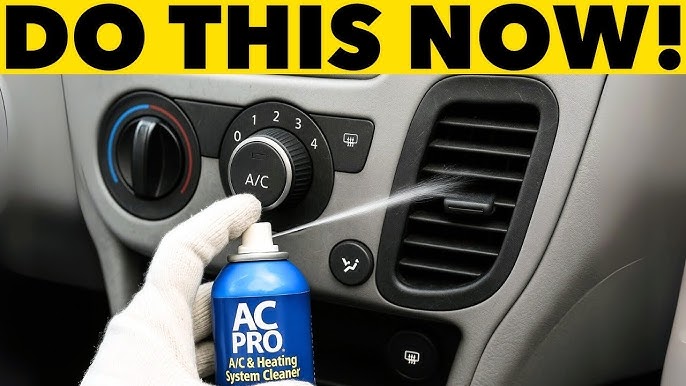
Your car’s ventilation system plays a big role in keeping the air inside fresh and comfortable. But did you know it can get clogged with dust, dirt, and even mold?
If you don’t clean it regularly, you might start noticing bad smells, reduced airflow, or even allergy symptoms. Don’t worry—cleaning your car’s ventilation system is easier than you think, and it can make a huge difference in your driving experience.
Keep reading, and you’ll learn simple steps to breathe cleaner air every time you hit the road.
Credit: ifixexotics.com
Signs Of A Dirty Car Ventilation
Recognizing the signs of a dirty car ventilation system can save you from costly repairs and improve your driving comfort. Your car’s vents are the pathway for fresh air, but over time, they collect dust, allergens, and even mold. Paying attention to these warning signs helps you act before the air quality inside your vehicle worsens.
Unpleasant Odors
Have you noticed a musty or moldy smell when you turn on your car’s AC or heater? This odor often comes from accumulated moisture and bacteria inside the vents. Ignoring these smells can cause allergies or respiratory discomfort while driving.
Sometimes, the smell only appears when the fan is on high, which means the problem is deeper inside the system. Don’t just cover the smell with air fresheners—address the root cause by cleaning your ventilation system.
Reduced Airflow
Does your car’s air conditioning feel weaker than usual? Reduced airflow can signal clogged vents or a dirty cabin air filter. Dust and debris build-up restrict the air passage, making it harder for your system to cool or heat the car effectively.
Try adjusting the fan speed and check if the airflow improves. If not, it’s time to inspect and clean your ventilation system to restore proper air circulation.
Visible Dust And Debris
Take a close look inside your vents—can you see dust, dirt, or small debris? These particles don’t just sit there; they circulate inside your car, lowering air quality. Over time, this build-up can cause unpleasant odors and even damage the ventilation components.
Using a flashlight and a small brush, you can spot and remove visible dirt. Regular cleaning prevents this issue and keeps your ventilation system working smoothly.

Credit: www.youtube.com
Tools And Materials Needed
Having the right tools and materials makes cleaning your car’s ventilation system easier and more effective. Without them, you might miss hidden dust and grime that reduce air quality and system efficiency. Let’s explore what you need to get the job done thoroughly and quickly.
Cleaning Brushes
Cleaning brushes come in various shapes and sizes, designed to reach tight spaces inside your vents. A small, soft-bristled brush helps dislodge dust without scratching delicate surfaces. You might find a toothbrush works well if you don’t have a specialized brush handy.
Think about the last time you tried to clean a narrow vent with just a cloth—did it really get deep inside? Brushes are essential for loosening stubborn dirt trapped in those hard-to-reach corners.
Vacuum Cleaner
A vacuum cleaner with a narrow nozzle attachment is crucial to suck out loosened debris and dust. It prevents particles from just moving around and settling somewhere else inside your ventilation system. A handheld vacuum works perfectly for this task, allowing you to maneuver easily within your car’s interior.
Have you ever noticed a musty smell from your vents? Often, leftover dust and dirt cause it. Vacuuming thoroughly can help eliminate odors and improve air circulation.
Cleaning Sprays
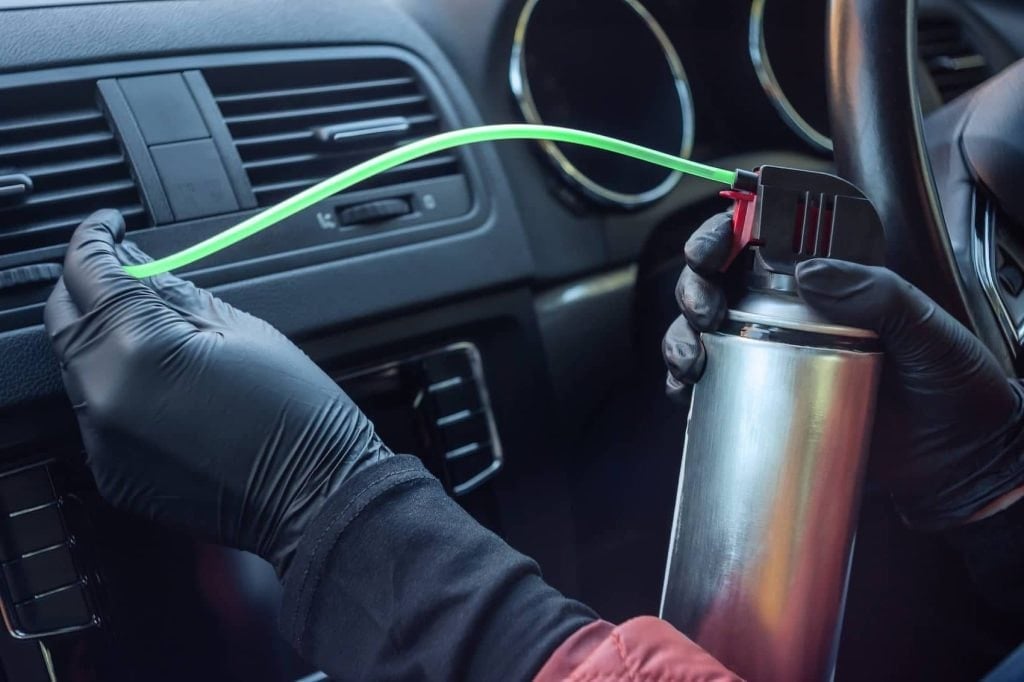
Use specialized cleaning sprays designed for automotive air vents to break down grime and kill bacteria. Avoid harsh chemicals that might damage plastic or metal parts. An antibacterial spray also helps maintain a healthier environment inside your car.
When was the last time you sanitized your vents? Sprays can reach areas brushes and vacuums miss, adding an extra layer of freshness and protection.
Microfiber Cloths
Microfiber cloths are perfect for wiping down vent surfaces after brushing and spraying. They trap dust and moisture efficiently without leaving lint behind. Keep several on hand to switch between damp and dry wiping stages for best results.
Using an old rag might seem convenient, but microfiber cloths make your cleaning more effective and less messy. Have you tried them yet for your car’s interior cleaning?
Preparing Your Car For Cleaning
Preparing your car for cleaning the ventilation system ensures safety and effectiveness. It helps you avoid damage and makes the process smoother. Taking simple steps before starting saves time and effort later.
Getting ready also improves air quality inside your car. Clean air vents work better and keep your drive fresh. Follow these tips to prepare your vehicle properly before cleaning.
Park In A Well-ventilated Area
Choose an open space with good airflow for parking. Avoid closed garages or small spaces. Fresh air helps remove dust and odors during cleaning. It also prevents fumes from building up inside the car.
Turn Off The Engine
Make sure the engine is completely off before you start. This stops the ventilation system from running. It keeps dust and dirt from spreading while you clean. Also, it prevents any electrical issues or accidents.
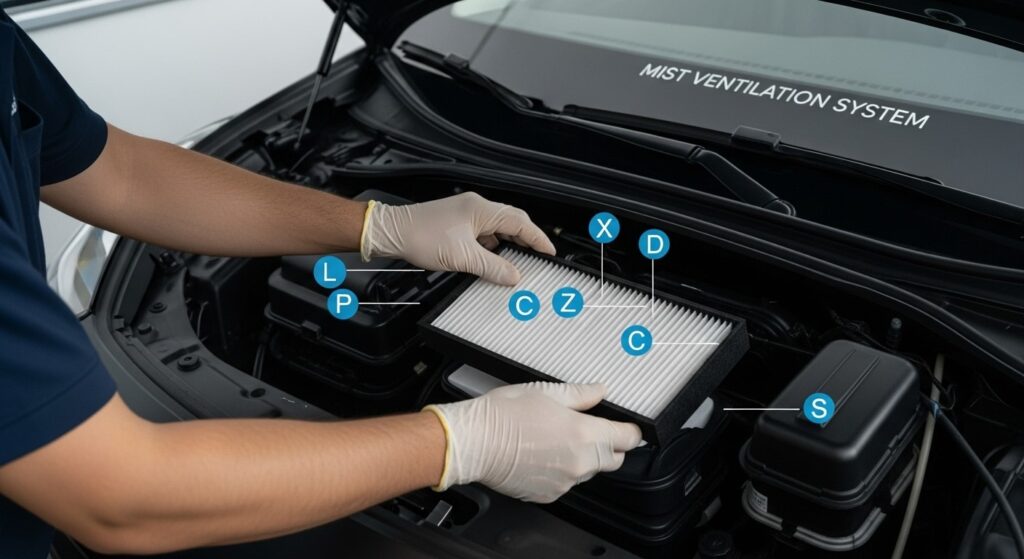
Remove Cabin Air Filter
Locate and take out the cabin air filter carefully. This filter traps dust and pollen from entering the car. Cleaning or replacing it improves ventilation system performance. Check your car manual for the exact location and removal steps.
Cleaning The Air Vents
Cleaning the air vents in your car keeps the air fresh and healthy. Use a soft brush to remove dust and debris. Finish by wiping with a damp cloth for a thorough clean. Regular maintenance ensures better air quality and a comfortable driving experience.
Cleaning the air vents in your car is an essential task to maintain a healthy and fresh interior environment. Over time, air vents can accumulate dust, dirt, and allergens that circulate back into the cabin, causing discomfort and respiratory issues. Regular cleaning of air vents can prevent this problem and keep your car’s interior clean and fresh.Dust Removal Techniques
Air vents are prone to collecting dust, which can be easily removed using simple techniques.Using Compressed Air
- Use a can of compressed air to blow out dust and debris from air vents.
- Hold the can upright and spray the air vent from a safe distance.
- Move the can around to get into tight spaces and crevices.
Wiping With Cleaning Solutions
- Mix a solution of equal parts water and white vinegar in a small bowl.
- Dip a soft cloth into the solution and wring it out thoroughly.
- Wipe down air vents with the damp cloth, paying attention to any areas with stubborn stains or buildup.
Cleaning The Cabin Air Filter
The cabin air filter plays a key role in keeping the air inside your car fresh. It traps dust, pollen, and other particles. Cleaning or replacing this filter helps improve air quality and system efficiency.
Regular attention to the cabin air filter prevents bad smells and allergens from entering your vehicle. It also supports the ventilation system’s proper function.
Locating The Filter
The cabin air filter is usually behind the glove box or under the dashboard. Some cars place it under the hood near the windshield.
Check your car manual for the exact location. It often involves opening a small panel or removing the glove box.
Checking For Damage
Remove the filter carefully to avoid spreading dust inside the car. Look for tears, holes, or heavy dirt buildup.
A damaged or very dirty filter needs replacement. Light dust can sometimes be cleaned with a vacuum or compressed air.
Replacing Vs. Cleaning
- Replace the filter if it is torn or clogged beyond cleaning.
- Cleaning works only for lightly dirty filters without damage.
- New filters are inexpensive and improve air quality better than cleaning old ones.
- Check your car’s maintenance guide for recommended replacement intervals.
Disinfecting The Ventilation System
Disinfecting your car’s ventilation system is key to maintaining fresh air and preventing the buildup of bacteria, mold, and unpleasant odors. This process goes beyond just cleaning visible dust; it targets invisible contaminants that affect your health and comfort. Let’s dive into how you can effectively disinfect your ventilation system with safe and practical steps.
Choosing Safe Disinfectants
Not all disinfectants are safe for your car’s ventilation system. Harsh chemicals can damage the plastic and rubber components inside the vents or leave harmful residues.
Look for disinfectants specifically designed for automotive use or those labeled as safe for air conditioning systems. Products containing benzalkonium chloride or hydrogen peroxide can be effective yet gentle. Avoid bleach or ammonia-based cleaners as they might corrode parts or produce strong odors that linger.
Have you checked the ingredients on your spray bottle lately? Choosing the right disinfectant protects your car’s system and keeps your breathing air healthy.
Applying Disinfectant Spray
To disinfect properly, start by turning on your car’s engine and setting the ventilation system to recirculate air at the highest fan speed. This helps the disinfectant reach deep inside the ducts.
Spray the disinfectant directly into the air intake vents, usually located near the windshield wipers. Use short bursts rather than continuous spraying to avoid over-saturating the system.
After spraying, keep the fan running for at least 10-15 minutes to circulate the disinfectant throughout the entire ventilation system. This step ensures all internal surfaces receive treatment, not just the visible parts.
Ventilation After Treatment
Once you’ve applied the disinfectant, it’s important to air out your car’s interior to remove any remaining chemical smell. Open all doors and windows for at least 10 minutes.
Switch your ventilation system to fresh air mode and run the fan on medium speed. This helps flush out residual disinfectant and brings in clean outside air.
If you notice a strong chemical odor even after airing out, repeat the ventilation process. Your goal is fresh, clean air without overwhelming scents.
Maintaining Fresh Air In Your Car
Maintaining fresh air inside your car is crucial for a comfortable and healthy driving experience. You spend a lot of time in your vehicle, and stale or polluted air can affect your mood and even your health. Taking simple steps to keep the ventilation system clean ensures every breath you take inside your car feels crisp and refreshing.
Regular Filter Replacement
Your car’s cabin air filter traps dust, pollen, and other pollutants before they reach you. Over time, it clogs up and stops working effectively. Check your car’s manual to find out how often you should replace it—usually every 12,000 to 15,000 miles.
Ignoring a dirty filter can cause musty smells and reduce airflow. When you replace it regularly, you’ll notice cleaner air and a more efficient ventilation system. Have you checked your filter lately?
Routine Vent Cleaning
Dust and debris can build up inside your air vents, leading to unpleasant odors and poor air quality. Use a soft brush or compressed air to gently clean the vent slats. This removes dust without damaging the system.
Try wiping the vents with a damp cloth and a mild cleaner to get rid of stubborn grime. You might be surprised how much better the air feels after just a few minutes of cleaning. How often do you clean your car’s vents?
Using Air Fresheners Safely
Air fresheners can mask bad odors but don’t fix the root problem. Choose natural options or those designed specifically for cars to avoid harsh chemicals. Avoid placing air fresheners directly on vents, as intense fragrances can irritate your lungs.
Consider using charcoal bags or essential oil diffusers that provide gentle, lasting freshness without overwhelming scents. What type of air freshener do you find most effective without being overpowering?
Credit: www.vietnam.vn
Frequently Asked Questions
How Often Should I Clean My Car’s Ventilation System?
Cleaning your car’s ventilation system every 6 to 12 months keeps it efficient. Regular cleaning prevents dust buildup and bad odors, improving air quality inside your car.
What Tools Do I Need To Clean Car Vents Effectively?
You need a soft brush, vacuum cleaner, microfiber cloth, and compressed air. These tools help remove dust, debris, and allergens from the ventilation system easily and safely.
Can I Use Household Cleaners To Clean Car Vents?
Avoid household cleaners; they may damage your car’s ventilation components. Use specialized car interior cleaners or mild soap diluted in water for safe and effective cleaning.
How Do I Remove Bad Odors From Car Ventilation System?
Use an air vent cleaner spray or disinfectant designed for car AC systems. Running the AC with fresh air mode after cleaning helps eliminate odors and refreshes the ventilation.
Conclusion
Cleaning your car’s ventilation system keeps the air fresh and healthy. Dirt and dust can block airflow and cause bad smells. Regular cleaning helps avoid these problems. It also improves your car’s air quality and comfort. Use simple tools and follow easy steps to clean well.
A clean system means better driving experience every time. Take care of your car, and it will take care of you. Simple actions make a big difference in the long run. Keep your ventilation system clean for safer, fresher rides.



