
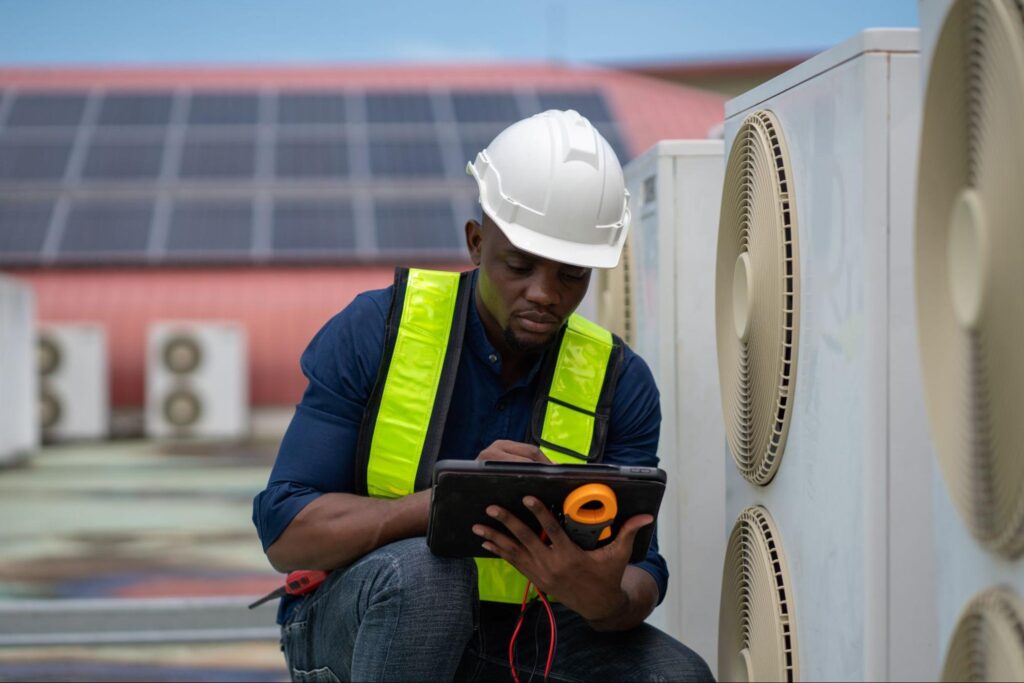
Have you ever wondered who keeps your home comfortable all year round, no matter the weather? That’s where an HVAC technician steps in.
These experts handle everything that controls your heating, ventilation, and air conditioning systems. If you want to know exactly what an HVAC technician does and how they make your life easier, keep reading. By the end of this article, you’ll understand why their work is so important—and maybe even think twice before calling someone else for help!
Core Responsibilities
Understanding the core responsibilities of an HVAC technician is essential if you want a clear picture of what the job really involves. These professionals handle a variety of tasks that keep heating, ventilation, and air conditioning systems running smoothly. Their work impacts your comfort and safety, often without you even noticing.
Installation Tasks
HVAC technicians install new systems in homes, offices, and commercial buildings. This involves reading blueprints, measuring spaces, and selecting the right equipment for the job.
They connect electrical wiring, ductwork, and piping to ensure everything operates efficiently. Have you ever wondered how your air conditioner fits perfectly into your space? That’s the result of careful planning and precise installation.
Maintenance Duties
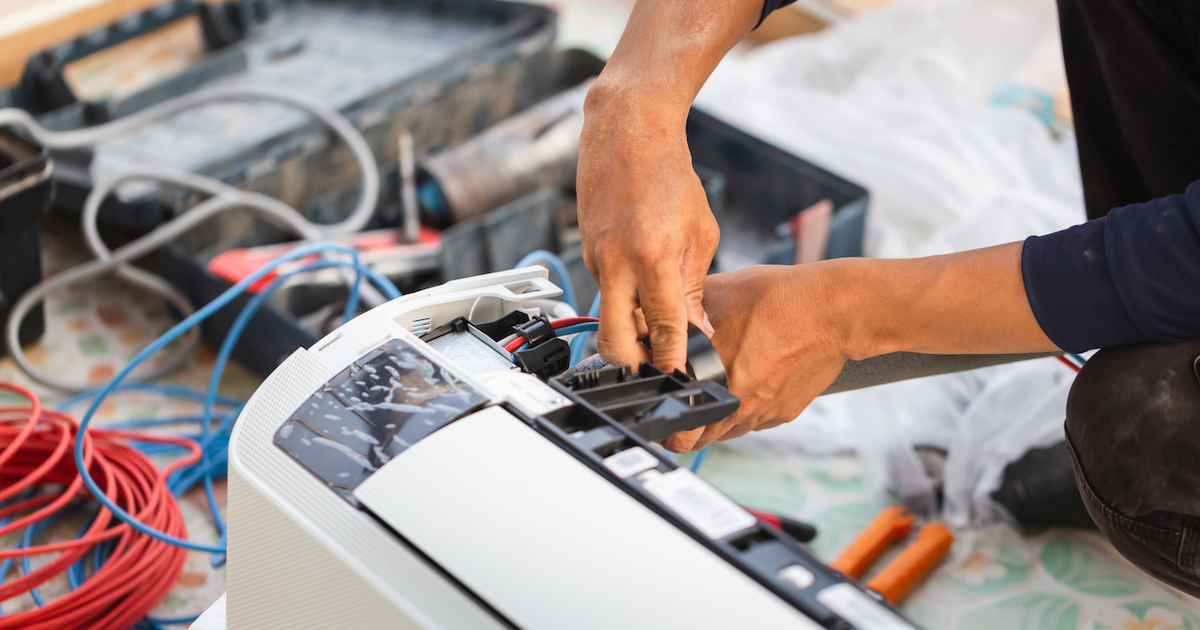
Regular maintenance is key to preventing costly breakdowns. HVAC technicians clean filters, check refrigerant levels, and inspect electrical components to keep systems running at peak performance.
They also test safety controls and make adjustments that improve energy efficiency. Think about the last time your heating worked flawlessly during winter—chances are, a technician’s maintenance made that possible.
Repair Procedures
When a system stops working, HVAC technicians diagnose the problem using specialized tools and their expertise. They repair or replace faulty parts such as compressors, thermostats, and motors.
Quick and accurate repairs not only restore comfort but can also prevent further damage. Have you noticed how a small repair can save you from a bigger, more expensive problem down the line?
Tools And Equipment
HVAC technicians rely on a variety of tools and equipment to perform their jobs efficiently. These tools help diagnose problems, make repairs, and ensure safety during work. Knowing the right tools is key to understanding what an HVAC technician does.
Diagnostic Instruments
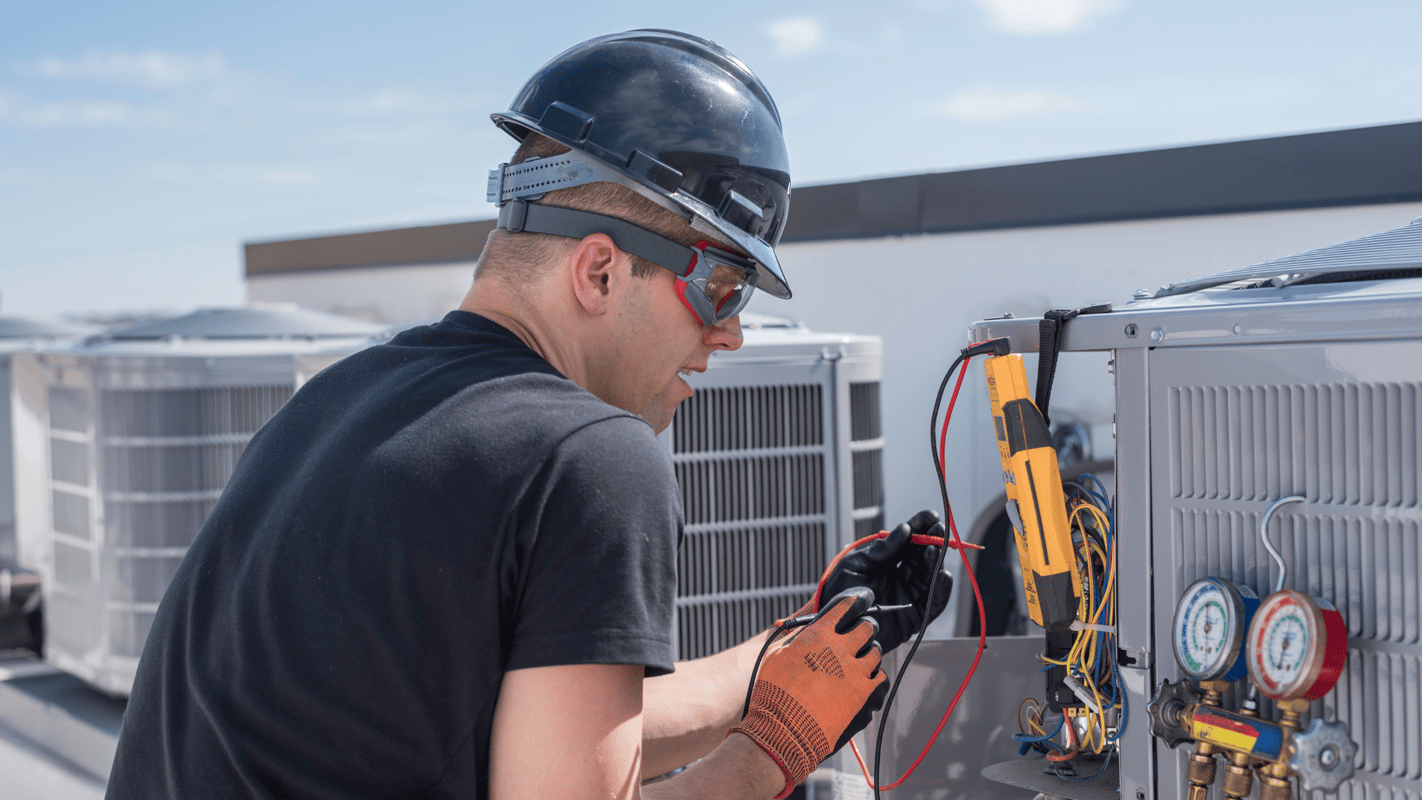
Technicians use diagnostic instruments to find issues in heating and cooling systems. Common tools include:
- Multimeters to check electrical circuits
- Manifold gauges to measure refrigerant pressure
- Thermometers to check temperature levels
- Leak detectors to find gas or refrigerant leaks
These instruments help pinpoint problems quickly, saving time and effort.
Repair Tools
Repair tools are essential for fixing HVAC units. Some common tools are:
- Screwdrivers and wrenches for assembling and disassembling parts
- Pliers for gripping and bending wires or pipes
- Pipe cutters to trim metal or plastic pipes
- Soldering irons for joining metal components
Using these tools, technicians restore systems to proper working order.
Safety Gear
Safety gear protects HVAC technicians from hazards on the job. Important gear includes:
- Gloves to prevent cuts and burns
- Safety glasses to shield eyes from debris
- Respirators to avoid inhaling harmful dust or fumes
- Hard hats when working in construction sites
Wearing safety gear ensures technicians stay safe while working.
Skills Required
Becoming an HVAC technician requires a unique set of skills that go beyond just understanding heating, ventilation, and air conditioning systems. These skills ensure that technicians can effectively install, maintain, and repair HVAC systems while ensuring safety and efficiency. Let’s dive into the essential skills every HVAC technician should have.
Technical Knowledge
Technical knowledge is the backbone of an HVAC technician’s skill set. You need to be well-versed in understanding the intricacies of HVAC systems, from the smallest component to the entire system. This includes knowing how to read blueprints and schematics, understanding electrical and mechanical systems, and being familiar with the latest HVAC technologies.
Keeping up with industry standards and advances is crucial. Continuous learning, through workshops or online courses, can keep your skills sharp and up-to-date. Imagine being able to diagnose a complex system fault in minutes because you’re familiar with the latest technology—how valuable would that make you to your clients?
Problem-solving Abilities
Every day as an HVAC technician presents new challenges that require quick and effective solutions. Imagine arriving at a client’s home to find their heater won’t start during a cold snap. How do you troubleshoot the issue efficiently while ensuring the customer’s comfort?
Problem-solving abilities involve not just identifying the root of the problem but also coming up with practical solutions. It’s about thinking on your feet and being resourceful with the tools and knowledge you have. Often, the ability to solve problems swiftly can be the difference between a one-time job and a long-term client relationship.
Customer Interaction
Technical skills alone don’t make a successful HVAC technician; how you interact with customers plays a critical role too. You need to communicate clearly and professionally, explaining complex technical issues in simple terms. This builds trust and reassurance with your clients.
Think about a time when clear communication helped ease a client’s worries about an expensive repair. Your ability to listen and address concerns empathetically can create strong relationships and lead to repeat business. It’s not just about fixing machines; it’s about serving people and meeting their needs effectively.
Credit: sbeodyssey.com
Work Environment
Understanding the work environment of an HVAC technician gives you a clearer picture of what the job entails day-to-day. HVAC technicians don’t just work in one type of location; their skills take them to various settings, each with its own challenges and rewards.
Residential Settings
In residential areas, HVAC technicians often visit homes to install, repair, or maintain heating and cooling systems. The work usually requires a hands-on approach and frequent interaction with homeowners. You might find yourself troubleshooting a noisy furnace or upgrading an old air conditioning unit to improve comfort and energy efficiency.
Working in residential settings demands flexibility. You could be in a cramped attic one day and a spacious basement the next. This variety keeps the job interesting but also requires you to adapt quickly to different layouts and equipment types.
Commercial Sites
Commercial buildings like offices, stores, and restaurants offer a different work environment. Here, HVAC systems are often larger and more complex than those in homes. You may handle scheduled maintenance or emergency repairs that keep businesses running smoothly.
Timing is crucial in commercial settings. Imagine fixing an air conditioner in a busy office during summer—your work directly impacts employee comfort and productivity. This pressure sharpens your problem-solving skills and teaches you to work efficiently under tight deadlines.
Industrial Locations
Industrial sites present unique challenges because HVAC systems can be massive and highly specialized. You might work in factories, warehouses, or plants where controlling temperature and air quality is vital for safety and production. The environment can be noisy, and safety protocols are strict, demanding your full attention.
Have you considered how critical your role is in these settings? A malfunctioning HVAC system might halt an entire production line or create unsafe conditions. Your expertise helps prevent costly downtime and keeps workers safe, showing how important your job really is.
Training And Certification
Training and certification form the backbone of a successful career as an HVAC technician. They ensure you have the right skills and knowledge to handle complex heating, ventilation, and air conditioning systems safely and efficiently. Understanding the path to becoming certified can help you plan your career steps clearly.
Educational Pathways
Most HVAC technicians start with a high school diploma or equivalent. From there, vocational schools and community colleges offer specialized programs that combine classroom learning with hands-on experience. These programs typically cover electrical systems, refrigeration, and system design, giving you a solid foundation.
Some choose to pursue an associate degree in HVAC technology, which can open doors to more advanced positions. Have you considered how a more formal education might impact your job prospects or salary potential?
Licensing Requirements
Licensing rules vary by state, but many require HVAC technicians to hold a license to work legally. This usually involves passing a test that covers safety protocols, local codes, and technical knowledge. Without a license, you might face limited job opportunities or legal issues.
In some areas, you also need special certifications for handling refrigerants, regulated by federal laws. Obtaining these certifications not only proves your competence but also builds trust with employers and clients.
Continuous Learning
The HVAC field evolves quickly with new technologies and regulations. Staying current means regularly updating your skills through workshops, online courses, or manufacturer training sessions. This ongoing learning keeps you competitive and capable of tackling modern systems.
Think about the last time you learned a new skill on the job—did it make your work easier or more efficient? Investing in continuous education can bring those benefits consistently.
Common Challenges
HVAC technicians face many challenges in their daily work. These challenges test their skills and patience. They must solve problems quickly and keep customers happy. The job requires staying updated with new tools and systems. Understanding these common challenges helps to appreciate the technician’s role.
Troubleshooting Complex Systems
HVAC systems can be complicated. Technicians often deal with issues that are hard to find. They must check many parts to locate the problem. Sometimes, the fault is hidden deep inside the system. Careful diagnosis and a good understanding of systems are essential.
Managing Customer Expectations
Customers expect fast and perfect service. Sometimes repairs take longer than expected. Technicians must explain the situation clearly to avoid frustration. They balance quality work with time limits. Good communication helps build trust and satisfaction.
Adapting To Technology Changes
HVAC technology changes fast. New systems often include smart controls and sensors. Technicians must learn about these advances regularly. Training and practice keep their skills sharp. Adapting quickly is key to staying effective and in demand.
Future Trends
The HVAC field is evolving quickly. New technologies and ideas shape how technicians work. These changes focus on saving energy, using smart tools, and protecting the planet. Understanding these trends helps HVAC technicians stay useful and skilled.
Energy Efficiency Focus
Saving energy is a top priority in HVAC work. New systems use less power but keep homes and offices comfortable. Technicians learn to install and fix these efficient machines. This helps lower energy bills and reduce waste.
Smart Hvac Systems
Smart systems use sensors and apps to control heating and cooling. They adjust settings automatically for comfort and savings. Technicians need to know how to set up and repair these smart units. This skill is growing in demand.
Sustainability Practices
Protecting the environment is part of HVAC jobs now. Using eco-friendly refrigerants and materials is common. Technicians also recycle parts and reduce harmful emissions. These practices support a cleaner, greener future.

Credit: www.furnaceprices.ca
Credit: dreambound.com
Frequently Asked Questions
What Does An Hvac Technician Do Daily?
An HVAC technician installs, repairs, and maintains heating and cooling systems. They inspect equipment, diagnose issues, and perform routine maintenance to ensure system efficiency and safety.
How Does An Hvac Technician Fix Air Conditioning Units?
They assess the unit, identify problems like refrigerant leaks or electrical faults, then repair or replace damaged parts to restore cooling performance.
What Skills Are Essential For An Hvac Technician?
Key skills include mechanical knowledge, problem-solving, electrical understanding, and customer service. Technicians must read blueprints and use diagnostic tools effectively.
Why Is Hvac Technician Certification Important?
Certification proves a technician’s expertise and compliance with industry standards. It boosts job prospects and ensures safe, efficient system handling.
Conclusion
HVAC technicians keep homes and businesses comfortable year-round. They fix, install, and maintain heating and cooling systems. Their work ensures clean air and energy efficiency. These skilled professionals solve problems quickly and safely. Understanding their role helps you appreciate their daily tasks.
Next time your system breaks, you’ll know who to call. HVAC technicians play a vital part in modern living. Their expertise makes indoor spaces healthy and cozy. Trust their skills to keep your environment just right.



