
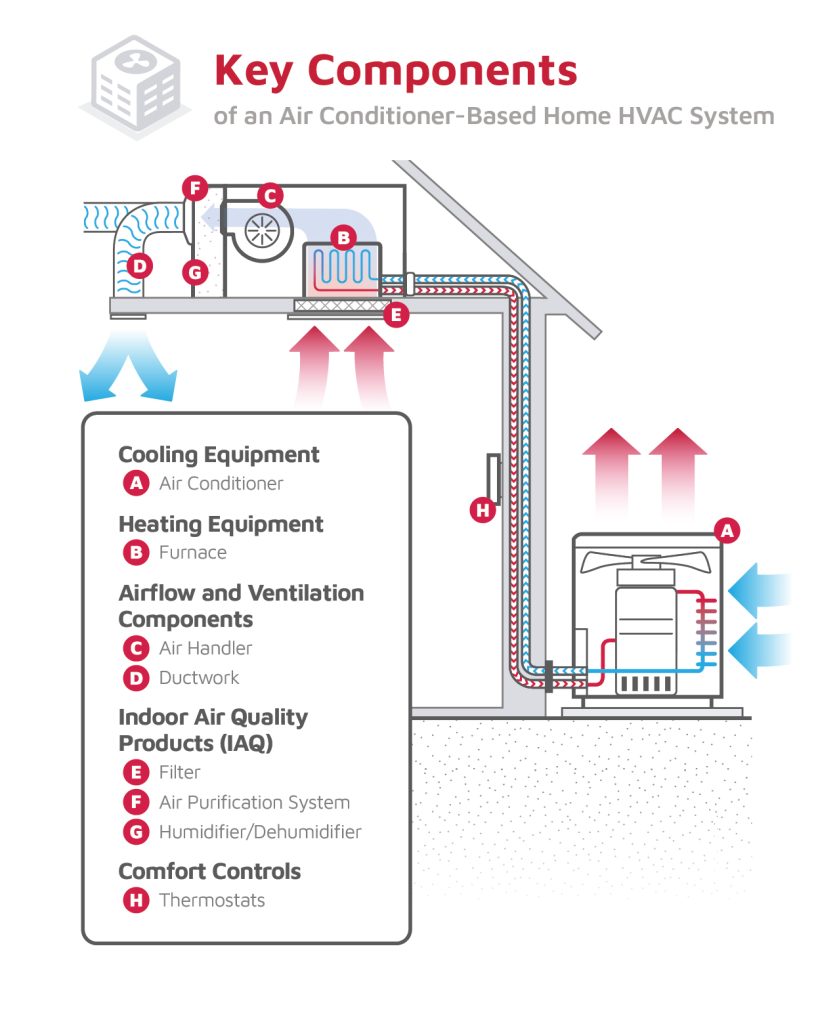
Have you ever wondered what makes your home feel just right, no matter the season? Understanding how HVAC systems work can give you the power to keep your space comfortable and save money on energy bills.
You’ll discover a clear and simple diagram that breaks down exactly how these systems operate. By the end, you’ll know the key parts and how they work together to heat, cool, and ventilate your home. Ready to see what’s behind the scenes of your comfort?
Let’s dive in.
Basics Of Hvac Systems
Understanding the basics of HVAC systems helps you see how they control indoor air quality. HVAC stands for Heating, Ventilation, and Air Conditioning. These systems keep buildings warm or cool and ensure fresh air circulates. Each part of an HVAC system has a specific role in maintaining comfort and air quality. The system works by moving air through ducts and filters, either heating or cooling it as needed.
Key Components
- Thermostat:Controls the temperature by signaling the system to turn on or off.
- Furnace:Heats the air during cold weather.
- Air Conditioner:Cools the air during warm weather.
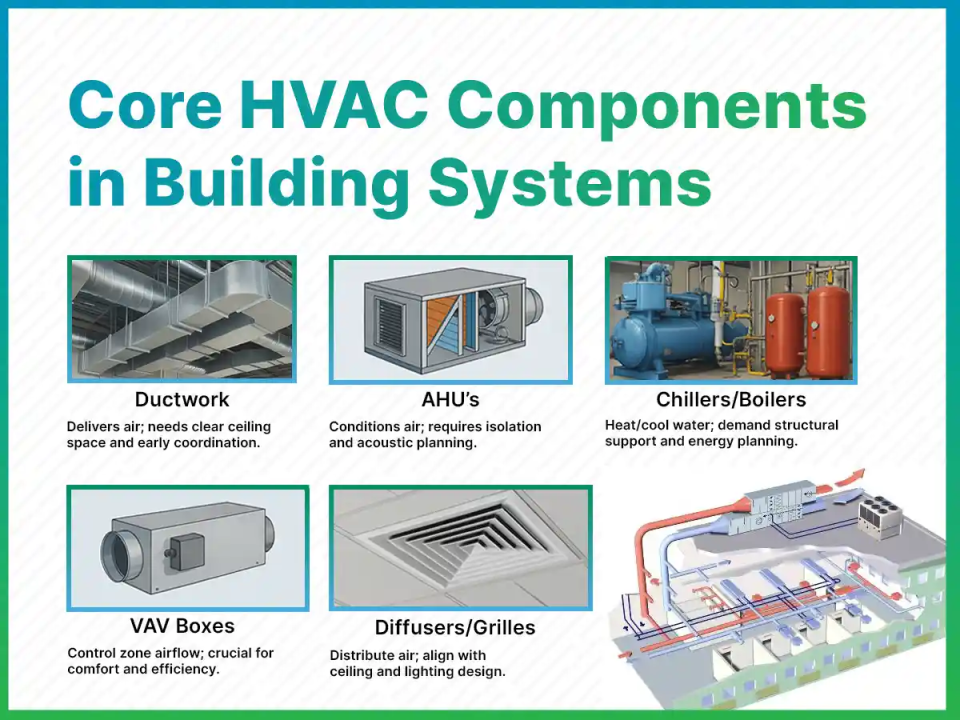
- Ductwork:Channels air throughout the building.
- Ventilation:Brings in fresh air and removes stale air.
- Filters:Clean the air by trapping dust and particles.
Types Of Hvac Systems
- Split System:Separate indoor and outdoor units for heating and cooling.
- Hybrid System:Combines a furnace and heat pump for energy efficiency.
- Duct-Free System:Uses individual air handlers in rooms without ducts.
- Packaged System:All components in a single outdoor unit, common in small buildings.
Credit: www.tejjy.com
Heat Transfer Principles
Understanding heat transfer principles is key to grasping how HVAC systems regulate temperature effectively. Heat moves in different ways, and each method plays a specific role in heating or cooling your space. Knowing these basics helps you see why your HVAC system behaves the way it does and how it manages energy.
Conduction And Convection
Conduction happens when heat travels through a solid material. Imagine touching a warm metal pipe; the heat moves directly through the pipe to your hand. In HVAC systems, conduction is crucial in heat exchangers where heat passes through metal surfaces to warm or cool the air.
Convection, on the other hand, involves heat transfer through fluids like air or water. Your HVAC system uses fans to move warm or cool air around your room, relying on convection to distribute temperature evenly. Have you noticed how a fan helps spread warmth during winter? That’s convection in action.
Radiation In Hvac
Radiation transfers heat through electromagnetic waves without needing a medium like air or metal. The warmth you feel from the sun on your skin is a perfect example. In HVAC, radiant heating systems use this principle to send heat directly to objects and people, making rooms comfortable without heating all the air.
Radiant heat can be more energy-efficient because it targets surfaces instead of just warming the air. Have you ever felt a cold draft despite the heater running? Radiant heating might solve that by focusing warmth where you need it most.
Cooling Cycle Explained
The cooling cycle is the heart of your HVAC system’s ability to keep your space comfortable during hot days. It works by moving heat from inside your home to the outside, creating a cool indoor environment. Understanding this cycle helps you see why regular maintenance matters and how different parts work together to beat the heat.
Refrigerant Flow
The refrigerant is a special fluid that carries heat through the system. It flows in a closed loop, changing from liquid to gas and back again as it absorbs and releases heat.
Think of refrigerant as the system’s delivery agent—it picks up heat inside your home and drops it off outside. Without this flow, the cooling process simply can’t happen.
Compressor Function
The compressor acts like the engine of the cooling cycle. It squeezes the refrigerant gas, raising its pressure and temperature.
This step is crucial because it prepares the refrigerant to release heat when it reaches the condenser. Without the compressor working properly, the system won’t cool effectively.
Evaporator And Condenser Roles
The evaporator and condenser are like the cooling cycle’s two main stages. The evaporator absorbs heat from your indoor air, making the refrigerant evaporate into a gas.
The condenser, located outside, releases this heat into the environment, turning the refrigerant back into a liquid. This constant exchange keeps your home cool and comfortable.
Credit: www.researchgate.net
Heating Cycle Mechanism
The heating cycle mechanism is the heart of your HVAC system during colder months. It ensures your home stays warm and comfortable by efficiently converting energy into heat. Understanding how this cycle works can help you maintain your system better and troubleshoot common issues.
Furnace Operation
Your furnace is a key player in the heating cycle. It starts by drawing in cold air from your home through return ducts. This air then passes over a heat exchanger, which warms it using fuel combustion or electric heating elements.
Next, a blower fan pushes the heated air through the supply ducts back into your rooms. The cycle repeats until your thermostat signals that the desired temperature is reached. Have you noticed your furnace fan running even after the heat turns off? That’s the system distributing the last bit of warmth efficiently.
Heat Pump Basics
Unlike a furnace, a heat pump moves heat rather than generating it by burning fuel. It works like a reversible air conditioner, extracting heat from outside air—even when it’s cold—and transferring it indoors. This process uses a refrigerant and compressor to absorb and release heat.
During the heating cycle, the heat pump’s outdoor coil acts as an evaporator, pulling heat from the outside air. The refrigerant carries this heat inside, where the indoor coil releases it into your home. If you’ve ever felt warm air blowing from your vents on a chilly day without the furnace running, that’s the heat pump at work.
Air Distribution Methods
Air distribution in HVAC systems moves air through ducts and vents to heat or cool rooms evenly. Diagrams show how air flows from the unit to different spaces, ensuring comfort throughout the building.
Air distribution is the heart of any HVAC system, ensuring comfort reaches every corner of your space. Different homes and buildings have unique layouts and needs, making understanding these methods crucial for optimal efficiency. Whether you’re planning a new installation or just curious about how air moves through your home, knowing these methods can enhance your comfort and energy savings.Ductwork Design
The design of ductwork is pivotal in determining how effectively air circulates. It’s not just about connecting point A to point B; it’s an intricate network that ensures even distribution. A well-designed system minimizes energy loss and enhances performance. Consider using insulated ducts to maintain air temperature as it travels through your home. This can prevent energy waste and keep your utility bills in check. Pay attention to the size and layout of the ducts, as poorly designed systems can lead to uncomfortable temperature variations. Consulting with a professional can be a wise move to optimize your ductwork design.Ventilation Techniques
Ventilation is crucial in maintaining indoor air quality. It’s not only about heating or cooling but also about bringing in fresh air and removing stale air. Proper ventilation can significantly impact your health and comfort. Think about incorporating natural ventilation methods, such as opening windows or using vents to allow fresh air in. This can be a simple and effective way to improve air quality without relying solely on your HVAC system. Mechanical ventilation systems, like exhaust fans, can also be used to expel unwanted air and moisture. These are particularly useful in areas like kitchens and bathrooms, where moisture levels can rise quickly. What methods have you found effective in your home? Maybe a combination of techniques works best for your needs. Understanding and choosing the right air distribution methods can transform your indoor environment.
Credit: www.achrnews.com
Energy Efficiency Factors
Energy efficiency is a key factor in how HVAC systems operate and how much they cost you over time. Understanding what affects this efficiency can help you make smarter choices about your heating and cooling setup. Small changes in how you manage your system can lead to big savings and a more comfortable home.
Insulation Impact
Good insulation keeps the temperature inside your home steady. It reduces the workload on your HVAC system by preventing heat from escaping in winter and keeping heat out in summer. Have you noticed your energy bills drop after adding insulation? That’s because your system doesn’t have to work as hard.
Think about your attic, walls, and floors. These areas often lose the most heat. Adding insulation there can improve your system’s energy efficiency more than you might expect.
Thermostat Control
Your thermostat is the brain of your HVAC system. Setting it correctly can save you a lot of energy. Try lowering the temperature by a few degrees in winter and raising it in summer when you’re not home. This simple adjustment can reduce your energy use significantly.
Consider upgrading to a programmable or smart thermostat. These devices learn your schedule and adjust settings automatically. Have you tried one? It might surprise you how much easier it makes managing your system.
Regular Maintenance
Skipping maintenance can drain your system’s efficiency. Dirty filters, clogged ducts, and worn-out parts force your HVAC to work harder. Cleaning or replacing filters every month or two keeps airflow smooth and efficient.
Scheduling annual professional check-ups can catch small issues before they become costly repairs. Think about the last time you had your system serviced. Was it more efficient afterward? Regular care really pays off in energy savings and comfort.
Common Issues And Solutions
HVAC systems can face several common issues that affect performance and comfort. Understanding these problems helps keep the system running smoothly. Simple fixes often save time and money.
System Leaks
Leaks in refrigerant lines or ductwork reduce efficiency. Signs include uneven cooling or heating and higher energy bills.
- Check for oil stains or hissing sounds near refrigerant lines.
- Seal duct leaks with mastic or metal tape.
- Hire a professional to repair refrigerant leaks safely.
Airflow Problems
Poor airflow causes rooms to feel too hot or cold. Dust, blocked vents, or dirty filters often cause this issue.
- Clean or replace air filters regularly.
- Remove furniture or objects blocking vents.
- Inspect and clean air ducts to improve airflow.
Component Wear
HVAC parts wear out over time, leading to breakdowns. Common worn parts include belts, motors, and capacitors.
- Listen for unusual noises indicating worn components.
- Schedule regular maintenance to spot wear early.
- Replace faulty parts promptly to avoid bigger issues.
Advancements In Hvac Technology
A diagram shows how HVAC systems move air and control temperature inside buildings. It helps explain parts like the compressor, condenser, and evaporator. Understanding this makes it easier to see how heating and cooling work together.
Advancements in HVAC Technology The world of HVAC systems is rapidly evolving, bringing comfort and efficiency to new heights. With technological progress, HVAC systems are becoming smarter, greener, and more efficient. These advancements not only enhance user experience but also contribute to a more sustainable future.Smart Hvac Systems
Smart HVAC systems are revolutionizing how we control indoor climates. Imagine adjusting your home’s temperature from your smartphone while sitting in a café miles away. This kind of control isn’t just convenient—it’s energy efficient. These systems learn your preferences over time, optimizing energy use and saving on bills. They can even detect when you’re not home and adjust settings accordingly. Have you ever thought about how much energy you could save by simply automating your heating and cooling?Eco-friendly Refrigerants
The shift towards eco-friendly refrigerants is a significant advancement in HVAC technology. Traditional refrigerants have been harmful to the environment, contributing to ozone depletion and climate change. New alternatives are now available that drastically reduce these harmful effects. These refrigerants are designed to be just as effective while being safer for our planet. As a homeowner, choosing a system that uses eco-friendly refrigerants not only benefits the environment but also aligns with global sustainability goals. Are you ready to make a choice that positively impacts the world around you? Embracing these advancements can transform your living space into a model of modern efficiency. As you consider upgrading or installing a new HVAC system, think about the potential benefits of smart controls and green refrigerants. How might these innovations improve your home life?Frequently Asked Questions
What Is The Basic Function Of An Hvac System?
An HVAC system controls indoor temperature, humidity, and air quality. It heats, cools, and ventilates spaces efficiently. This ensures comfort and healthy air in homes and buildings.
How Does An Hvac System Diagram Help Understanding?
A diagram visually explains the HVAC components and airflow. It clarifies how heating, cooling, and ventilation interact. This helps users and technicians grasp system operations easily.
What Are The Main Components Shown In Hvac Diagrams?
Key components include the furnace, air conditioner, ducts, vents, and thermostat. Diagrams also show filters, compressors, and heat exchangers. These parts work together to regulate indoor climate.
Why Is Airflow Important In Hvac System Diagrams?
Airflow ensures even temperature distribution and air quality. Diagrams highlight airflow paths to identify blockages or leaks. Proper airflow improves system efficiency and comfort.
Conclusion
Understanding how HVAC systems work helps you keep your home comfortable. The diagram shows the flow of air, heat, and coolants clearly. Knowing the parts and their roles makes maintenance easier. You can spot issues faster and save on repair costs.
A well-functioning HVAC system improves air quality and energy use. Simple steps like regular cleaning keep it running smoothly. Now, you have a clearer idea of HVAC systems and their importance. This knowledge helps you make smart choices for your home’s comfort.



