
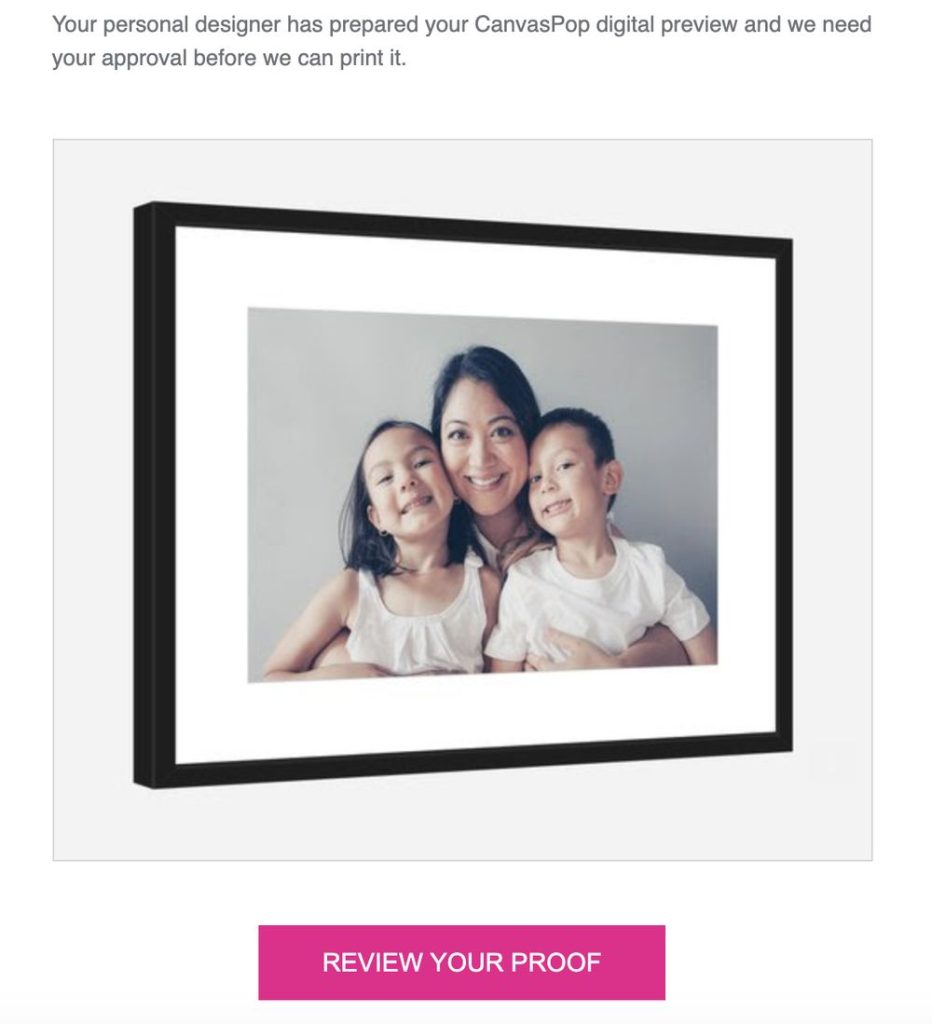
Do you have a favorite photo that deserves more than just a spot on your phone or computer? Imagine turning that special moment into a stunning piece of art that brightens up your space.
Getting your photo on canvas is easier than you think, and it can completely transform the way you see your memories. In this guide, you’ll discover simple steps to create a beautiful canvas print that reflects your style and personality.
Ready to bring your photos to life? Let’s dive in!
Credit: www.canvaschamp.in
Choosing The Right Photo
Choose a clear, high-quality photo with good lighting and sharp details. Pick an image that holds meaning or matches your room’s style. Avoid blurry or low-resolution pictures to ensure a beautiful canvas print.
Choosing the right photo is crucial for your canvas print. A perfect image can turn a simple canvas into a stunning piece of art. Let’s explore key factors that help in selecting the ideal photo for canvas printing.Selecting High-quality Images
High-quality images ensure a beautiful canvas. Blurry or pixelated photos won’t look good. Choose images that are clear and sharp. A high-quality photo captures details effectively. It enhances the visual appeal of the canvas.Considering Image Resolution
Image resolution matters for canvas prints. A higher resolution means better clarity. Low-resolution images appear blurry on canvas. Aim for at least 300 DPI for best results. This ensures the image remains crisp and detailed.Picking The Perfect Subject
The subject of your photo is important. Choose subjects that hold personal value. Family moments, landscapes, or pets make great choices. Ensure the subject is well-lit and focused. A strong subject can evoke emotions and memories.Preparing Your Photo
Preparing your photo is a crucial step before printing it on canvas. A well-prepared image ensures your final canvas looks sharp, vibrant, and exactly how you want it. Taking the time to edit, crop, and adjust your photo can make a huge difference in the quality of your canvas print.
Editing And Enhancing
Start by removing any distractions or imperfections from your photo. Simple edits like removing dust spots, smoothing out harsh shadows, or brightening faces can improve the overall appeal.
Use basic photo editing tools or apps you’re comfortable with. Even small tweaks, like sharpening details or fixing red-eye, add a professional touch to your image.
Have you ever seen a canvas where the main subject was unclear or lost in the background? That usually happens when the image isn’t polished enough before printing.
Cropping For Canvas Size
Each canvas size has specific dimensions, so cropping your photo to fit is essential. This prevents any important parts of your image from being cut off during printing.
Think about the composition and which part of the photo tells your story best. Use cropping to focus on that, whether it’s a close-up portrait or a wide landscape.
Try different crops and preview them on a template if possible. It helps you visualize how the canvas will look once printed.
Adjusting Colors And Contrast
Colors often appear different on screen than on canvas. Adjust the brightness, contrast, and saturation to make sure your photo pops.
Increase contrast slightly to add depth, but avoid overdoing it, which can cause loss of detail. Correct any color imbalances to keep tones natural.
Do you prefer bold, vibrant colors or soft, muted tones? Adjusting these settings gives you control over the canvas’s mood and style.
Selecting Canvas Size And Style
Selecting the right canvas size and style is crucial to making your photo stand out. The choices you make affect not only the look but also the vibe your image creates in a room. Think about the space where you plan to hang your canvas and how the size and style will fit with your décor.
Standard Vs Custom Sizes
Standard canvas sizes are easy to find and often more budget-friendly. Common dimensions like 16×20 inches or 24×36 inches fit well in most spaces and are ready to hang quickly.
Custom sizes give you flexibility to perfectly match your photo and wall space. If you have a panoramic shot or a tall portrait, a custom size ensures your image isn’t cramped or distorted. Have you measured your wall recently? Getting precise dimensions can save you from ordering a canvas that’s too big or too small.
Matte Or Glossy Finish
The finish on your canvas impacts how the colors appear and how the piece interacts with light. A matte finish reduces glare and gives a soft, elegant look, which works well in bright rooms.
Glossy finishes make colors pop and add a sleek shine but can reflect light, causing distractions. Imagine your canvas near a window—would a shine enhance or detract from your photo’s appeal? Your choice here depends on the mood you want to create.
Gallery Wrap Vs Framed Canvas
Gallery wrap canvases have the image stretched around the edges, creating a clean, modern look without extra framing. This style works well if you want your photo to feel immersive and uninterrupted.
Framed canvases add a border that can complement your room’s style or the photo itself. Frames can be simple or ornate, giving you a chance to personalize your art further. Which do you think suits your photo better: the sleekness of a gallery wrap or the added detail of a frame?
Printing Options
Choosing the right printing option is essential for turning your photo into a beautiful canvas. Different methods affect the quality, feel, and durability of the final product. Understanding your choices helps you get the best result for your space and budget.
Choosing A Printing Service
Many services specialize in canvas printing. Some offer online ordering with easy uploads. Local print shops let you see materials before printing. Compare prices and reviews to find a reliable provider. Check if they use high-quality inks and canvases for lasting prints.
Diy Printing Vs Professional
Printing your photo at home saves money and allows control. Good for small projects or practice. Professional printing offers better colors and precision. They use advanced machines and special inks. Choose professional printing for large or important pieces.
Understanding Printing Techniques
Canvas prints use various printing methods. Inkjet printing sprays tiny ink droplets for detailed images. Giclee printing is a high-quality inkjet method with vibrant colors. Dye sublimation transfers dye into the fabric for a smooth finish. Each technique affects texture, color, and durability differently.
Mounting And Displaying
Getting your photo on canvas is only half the journey; how you mount and display it makes all the difference in turning your space into a gallery. Thoughtful mounting not only protects your artwork but also enhances its visual impact. Displaying your canvas with care invites your personality into the room and sparks conversations.
Framing Your Canvas
Framing can add a polished touch to your canvas photo, but it’s not always necessary. Some prefer the clean, modern look of a gallery wrap where the image continues around the edges. If you choose to frame, pick a style that complements both your photo and the room’s decor.
Consider materials like wood for warmth or metal for a sleek feel. You can also add a mat around the photo to create breathing space and highlight key details. Don’t forget to measure accurately—your frame should fit snugly without stretching or squeezing the canvas.
Hanging Tips For Different Spaces
Each room calls for a unique approach to hanging canvas art. In living rooms, place your canvas at eye level to draw immediate attention. In hallways or staircases, try grouping smaller canvases for a dynamic effect.
Think about lighting too. Natural light can enhance colors, but avoid direct sunlight which may fade the image over time. Use picture hooks or wall anchors that match the canvas weight—this prevents damage and keeps your artwork secure.
Maintaining And Cleaning Canvas Art
Keeping your canvas photo looking fresh doesn’t have to be complicated. Dust it regularly with a soft, dry cloth to avoid buildup. Avoid using water or cleaning products, which can damage the print or canvas material.
If you notice any stains or spots, gently dab with a slightly damp cloth and air dry immediately. Regular checks for humidity and temperature changes help prevent warping or mold. Would you be surprised how a little care can extend the life of your canvas art for years to come?
Credit: ytlab.com

Credit: www.etsy.com
Frequently Asked Questions
How Do I Choose The Best Photo For Canvas Printing?
Select a high-resolution photo with clear details and vibrant colors. Avoid blurry or pixelated images. Choose photos with good lighting and composition for the best canvas results.
What File Format Is Best For Canvas Photo Printing?
JPEG and PNG are the most common and preferred file formats. They maintain image quality while being compatible with most printing services. Ensure the file is high resolution for sharp prints.
How Large Should My Photo Be For Canvas Printing?
Choose a photo with at least 300 DPI resolution. For larger canvases, select higher resolution images to avoid pixelation. The size depends on the canvas dimensions you want.
Can I Edit My Photo Before Printing On Canvas?
Yes, you can enhance brightness, contrast, and crop your photo. Use photo editing software to optimize colors and sharpness. Proper editing improves the final canvas print quality.
Conclusion
Getting a photo on canvas brings your memories to life. Choose a clear, high-quality image for the best result. Many services let you pick size, style, and frame options. This process is simple and fun to do. Once done, your photo turns into beautiful wall art.
It adds a personal touch to any room. Enjoy your unique canvas and share your story visually.



