
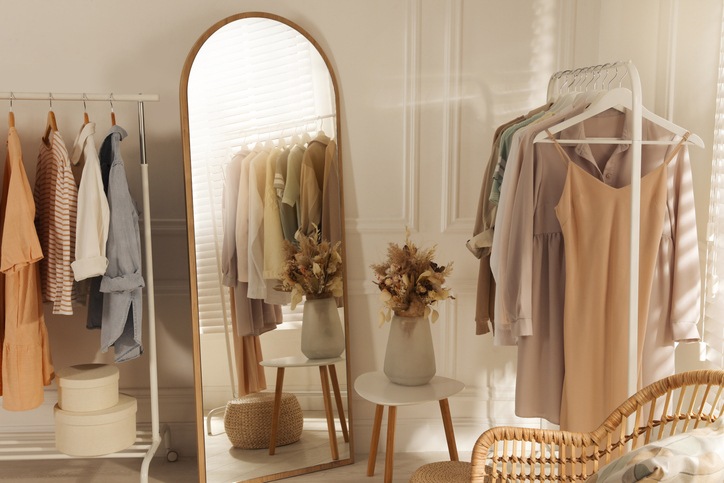
Hanging a full length mirror on your wall might seem simple, but doing it the right way makes all the difference. You want it to look perfect, stay secure, and add style to your space.
If you’re worried about marks, damage, or the mirror falling, this guide is for you. Keep reading, and you’ll discover easy steps that anyone can follow to hang your mirror safely and beautifully. Your room—and your reflection—will thank you.
Choosing The Right Mirror
Choosing the right mirror is the first step to making sure your full length mirror fits perfectly on your wall and complements your space. The mirror you pick affects not only the look of your room but also how easy it will be to hang and maintain. Think about the style, size, and material that will work best with your wall and overall décor before you make a decision.
Types Of Full Length Mirrors
Full length mirrors come in several types, each serving different needs and styles. You can choose from:
- Wall-mounted mirrors:These are fixed directly to the wall, saving floor space and giving a clean look.
- Leaners:Designed to lean against the wall, these mirrors are easy to move but need sturdy support.
- Over-the-door mirrors:These hang from a door and are great for small spaces but may not suit every room.
Ask yourself which type fits your lifestyle better. Do you want a mirror that stays put, or one you can move around?
Size And Weight Considerations
Think carefully about the size of the mirror in relation to your wall space. A mirror too large might overwhelm a small room, while a tiny mirror may feel out of place on a big wall.
Weight plays a big role in how you will hang it. Heavy mirrors need strong anchors or studs in the wall. Lighter mirrors allow more flexibility in placement and hanging methods.
Measure your wall space and check the mirror’s weight before buying. Will your wall support it safely? Safety is key.
Frame Styles And Materials
The frame sets the tone of your mirror and impacts the overall vibe of your room. Frames come in various materials like wood, metal, plastic, and even fabric-wrapped designs.
Wood frames add warmth and work well in traditional or rustic rooms, while metal frames suit modern or industrial decor. Consider the color and finish carefully—do you want your mirror to stand out or blend in?
Also, think about durability. A metal frame might resist damage better than a delicate wooden one if you have kids or pets around.
Selecting The Best Wall Location
Choosing the right spot to hang your full-length mirror is key to making the most of its function and style. The location affects not just how you see yourself, but also how the mirror interacts with your room’s light and flow. Let’s look at what you need to think about before putting that mirror on your wall.
Assessing Wall Space
Start by measuring the area where you want to hang the mirror. You need enough space so the mirror fits well without making the wall look crowded.
Look for a wall that’s free from clutter or large furniture blocking the view. You want a place where the mirror can stand out and be useful.
Think about how the mirror’s size matches the wall. A very large mirror on a small wall can overwhelm the room, while a tiny mirror on a big wall might seem lost.
Considering Lighting And Reflection
Natural light can make your reflection clearer and the room brighter. Position your mirror near a window or a light source to take advantage of this.
However, avoid placing the mirror directly opposite a window. Too much glare can make it hard to see yourself properly.
Also, consider what the mirror will reflect. A pleasant view or a neat part of your room enhances the space, but a cluttered or unattractive area can spoil the effect.
Avoiding High Traffic Areas
Think about how people move around the room. High traffic spots can lead to accidental bumps or damage to your mirror.
Keeping the mirror out of busy pathways protects it and keeps your space safe. It also avoids disrupting the flow of movement in your room.
Have you noticed how a mirror’s placement can change the feel of a room? Choosing a quiet corner might make your mirror a calm spot for quick checks before heading out.
Gathering Necessary Tools And Materials
Before you can admire your reflection in that stunning full-length mirror, you need to ensure it’s securely fastened to your wall. This starts with gathering the right tools and materials. Imagine the satisfaction of watching your mirror hang perfectly straight, knowing you played a part in its flawless installation. It’s all about preparation and having everything you need at your fingertips. Let’s dive into what you’ll need to get started.
Essential Hanging Hardware
- Mirror Brackets:These are crucial for supporting the weight of your mirror. Ensure they are designed to hold the size and weight of your mirror.
- Anchors and Screws:If your wall is drywall, anchors will provide the necessary support to prevent the screws from pulling out.
- Picture Hangers:For lighter mirrors, these can be a simple alternative. Just ensure they’re heavy-duty if your mirror is on the heavier side.
- Level:This ensures your mirror hangs straight and looks professional.
Tools Needed For Installation
- Drill:A reliable drill will make the job quicker and easier, especially when dealing with harder wall surfaces.
- Measuring Tape:Accurate measurements prevent the hassle of redoing your work.
- Pencil:Marking your wall ensures precise placement of the mirror.
- Screwdriver:A must-have for tightening screws once the hardware is in place.
- Stud Finder:Locating studs can provide extra security if your mirror is particularly heavy.
Have you ever started a project only to find out halfway through that you’re missing a tool? It can be frustrating and time-consuming. Avoid this by gathering everything you need beforehand. A well-prepared workspace is the foundation for a successful installation. With the right tools and materials, you’ll be ready to hang your mirror securely and with confidence.
Preparing The Wall Surface
Preparing the wall surface is a key step before hanging a full-length mirror. A clean and sturdy wall ensures the mirror stays secure and looks great. Taking time to prepare avoids damage and keeps your mirror safe.
Cleaning The Wall
Start by removing dust and dirt from the wall. Use a damp cloth or sponge with mild soap. Wipe the area where the mirror will hang. Let the wall dry completely before moving on. A clean surface helps the mirror hang firmly and prevents slipping.
Checking For Studs Or Drywall
Find out if the wall has studs behind the surface. Studs are wooden beams that hold weight well. Use a stud finder or tap the wall to listen for a solid sound. Mark the stud locations with a pencil. If no studs are found, use drywall anchors to support the mirror. Knowing this helps you choose the right hanging tools and keeps the mirror safe on the wall.
Measuring And Marking Placement
Getting the measurements right before hanging your full-length mirror is crucial. It ensures the mirror not only looks balanced but also stays secure on your wall. Careful measuring and marking save you from unnecessary holes and awkward placements that can ruin the room’s vibe.
Determining Mirror Height
Think about how you’ll use the mirror daily. Will you be standing directly in front of it or glancing from the side? This affects where the top and bottom edges should sit on your wall.
A good rule is to position the mirror so the center is roughly at eye level, which is about 57 to 60 inches from the floor for most people. But if you’re taller or shorter, adjust accordingly. Imagine standing in front of the mirror—does the height let you see your whole outfit comfortably?
Also, consider the furniture nearby. You don’t want the mirror to feel cramped or floating awkwardly. Leave enough space above and below for a balanced look that complements your room.
Marking Drill Points
Once you know the height, it’s time to mark the exact spots for your drill holes. Use a pencil and a level to get precise, straight lines. A crooked mirror is not only frustrating but also a safety hazard.
Place the mirror against the wall at the chosen height. Ask a friend to help hold it steady if needed. Mark the spots where the mounting brackets or hooks will go, usually near the top corners.
Double-check your marks with a tape measure and level. Small mistakes here can lead to big problems later. Are your marks perfectly horizontal and evenly spaced? If not, adjust them before drilling.

Credit: vanitii.com
Installing Anchors And Hooks
Installing anchors and hooks is essential for hanging a full-length mirror securely. This step ensures the mirror stays in place and prevents damage to your walls. Choosing the right anchors and correctly drilling the hardware can make a big difference in stability.
Choosing The Right Anchors
Select anchors based on your wall type. Drywall, plaster, and concrete require different anchors.
- Plastic expansion anchors:Good for drywall with light to medium weight mirrors.
- Molly bolts:Provide extra strength for heavier mirrors on drywall.
- Toggle bolts:Best for very heavy mirrors on drywall or hollow walls.
- Concrete anchors:Designed specifically for brick or concrete walls.
Check the mirror’s weight before choosing. Use anchors rated for at least 25% more weight.
Drilling And Securing Hardware
Mark the drill spots carefully. Use a level to ensure the mirror will hang straight.
- Drill pilot holes matching the anchor size.
- Insert anchors gently until flush with the wall.
- Screw hooks or brackets into the anchors securely.
- Double-check that hooks are sturdy and do not wiggle.
Test the setup by gently pulling the hooks before hanging the mirror. Secure hardware prevents accidents and wall damage.
Hanging The Mirror Safely
Hanging a full-length mirror safely is crucial to avoid accidents and damage. Mirrors can be heavy and fragile, so handling them with care protects both you and your walls. Paying attention to the right techniques makes the process smoother and gives you confidence that your mirror will stay securely in place.
Lifting Techniques
Mirrors are often heavier than they look. To avoid injury or dropping the mirror, always lift with your legs, not your back.
- Bend your knees and keep your back straight.
- Ask for help if the mirror is large or awkward to hold.
- Use both hands to grip the sides firmly but gently.
Have you ever tried lifting something heavy alone and regretted it immediately? Don’t take that risk with your mirror. Taking a moment to prepare makes a big difference in safety.
Leveling The Mirror
Nothing spoils a room’s look faster than a crooked mirror. Before hanging, use a level to mark where the mirror’s top edge will sit.
- Place the level on the wall to find a perfectly horizontal line.
- Mark the spots for your hooks or screws clearly with a pencil.
- Double-check your marks before drilling to avoid unnecessary holes.
Are you sure your eye alone can detect the difference between slightly tilted and perfectly straight? A level is a simple tool that ensures your mirror hangs flawlessly every time.

Credit: www.amazon.com
Final Adjustments And Safety Tips
After hanging your full-length mirror, small adjustments ensure it looks perfect and stays safe. Pay attention to its position and stability. These final steps help avoid damage and accidents in your home.
Securing The Mirror
Check the mirror’s level using a spirit level or a smartphone app. Adjust the hooks or brackets until the mirror sits straight. Tighten screws and wall anchors firmly. Use wall straps or anti-tip kits for extra security. Make sure the mirror does not wobble or shift when touched.
Preventing Damage And Accidents
Place the mirror away from heavy traffic areas. Avoid spots where children or pets might bump into it. Use rubber pads on the frame edges to protect walls. Keep the mirror away from direct sunlight to prevent fading. Inspect the mirror regularly for loose fittings or cracks. Clean gently with a soft cloth and mild cleaner to avoid scratches.

Credit: www.amazon.com
Frequently Asked Questions
How Do I Securely Hang A Full Length Mirror?
Use heavy-duty wall anchors and screws suitable for your wall type. Locate studs with a stud finder for extra support. Always measure and mark before drilling to ensure the mirror is level and stable.
What Tools Are Needed To Hang A Full Length Mirror?
You need a stud finder, drill, screws, wall anchors, a level, measuring tape, and a pencil. These tools help ensure your mirror is hung safely and straight on the wall.
Can I Hang A Full Length Mirror On Drywall Alone?
Yes, but use strong wall anchors designed for drywall. Avoid hanging heavy mirrors without studs, as this risks damage. Anchors distribute the weight and keep the mirror secure.
At What Height Should I Hang A Full Length Mirror?
Hang the mirror so the bottom is about 4-6 inches from the floor. This height allows you to see your full reflection comfortably from head to toe.
Conclusion
Hanging a full-length mirror on your wall is easier than it seems. Start with the right tools and follow safety steps. Measure carefully to keep the mirror straight and secure. Use strong hooks or anchors to hold the weight well.
Check your work before letting go. A well-hung mirror adds space and style to any room. Take your time and enjoy the process. Your wall will look fresh and bright in no time. Simple steps bring great results.



