
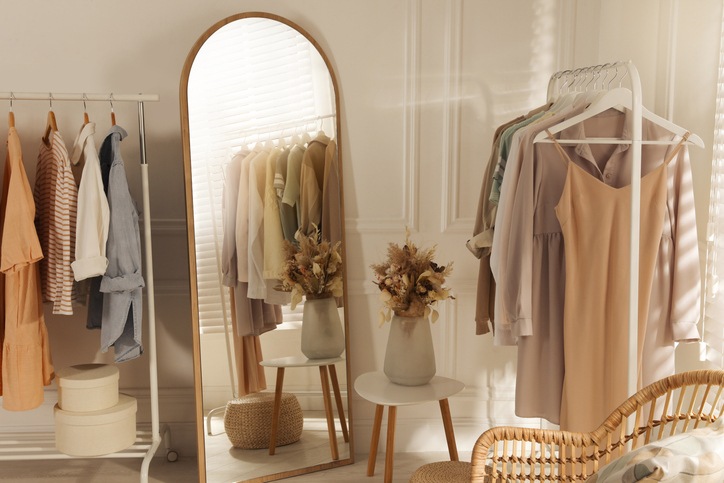
Are you looking to add a stylish and functional touch to your room? Hanging a full-length mirror on your wall can instantly open up your space and make it feel brighter.
But getting it right isn’t always easy. If you’re worried about damaging your walls or unsure how to keep that mirror securely in place, you’re not alone. You’ll discover simple, step-by-step tips to hang your full-length mirror safely and perfectly every time.
Keep reading to transform your room and boost your confidence every time you check your reflection!

Credit: www.amazon.com
Choosing The Right Mirror
Choosing the right full-length mirror is key to enhancing your space. It affects both the room’s look and how well the mirror fits the wall. Think about the mirror’s size, style, frame, and weight. These factors guide your choice and ensure safety.
Size And Style Considerations
Pick a mirror size that fits your wall and room. A mirror too big or small can look odd. Match the mirror style with your room’s decor. Simple frames suit modern rooms. Ornate frames fit classic or vintage spaces. A well-chosen mirror boosts room brightness and depth.
Frame Types And Materials
Frames come in many materials: wood, metal, plastic, or composite. Wood offers warmth and classic charm. Metal frames add a sleek, modern touch. Plastic frames are budget-friendly and lightweight. Choose a frame material that suits your room’s style and durability needs.
Weight And Safety Factors
Check the mirror’s weight before hanging. Heavy mirrors need strong wall anchors or studs. Use proper hanging hardware to avoid accidents. Lightweight mirrors are easier to install. Always place the mirror at a safe height and secure it firmly to the wall.
Selecting The Wall Location
Choose a wall with enough space and good lighting for your full-length mirror. Avoid spots near doors or windows to prevent damage and glare. Make sure the wall is strong enough to hold the mirror’s weight securely.
Selecting the perfect spot for your full-length mirror is crucial for both aesthetics and functionality. It’s not just about finding a blank space; it’s about enhancing the room’s design and utility. Consider these factors to ensure your mirror hangs in the ideal location.Lighting And Reflection
Assess the natural and artificial light sources in the room. A well-lit mirror can brighten up the entire space and make it feel more open. Position your mirror where it can reflect light effectively, such as opposite a window or near a light fixture. Think about what the mirror will reflect. Placing it across from a beautiful view or a piece of art can add depth and interest to your room. Avoid reflecting cluttered or less appealing areas, as this can create a sense of disarray.Wall Material And Structure
Determine the type of wall you’ll be working with: drywall, plaster, or brick. Each material requires different tools and techniques for secure installation. For example, plaster walls might need special anchors, while brick walls may require a masonry bit for drilling. Check for studs behind the wall. Hanging your mirror on a stud provides extra stability, especially for heavier mirrors. Use a stud finder for accurate location, and if studs aren’t available, choose suitable wall anchors for support.Avoiding Obstacles And Hazards
Be mindful of potential obstacles that could interfere with your mirror’s placement. Consider electrical outlets, light switches, and heating vents. Avoid these areas to prevent complications during installation and everyday use. Think about potential hazards such as doors opening into the mirror or areas of high traffic where it might be accidentally knocked. Ensure your mirror’s placement is safe and convenient for daily activities, maintaining a balance between accessibility and security. Where will you hang your mirror to capture the perfect reflection and enhance your space?Gathering Tools And Supplies
Before hanging a full-length mirror on your wall, gather all necessary tools and supplies. This preparation saves time and ensures a smooth process. Having the right items at hand makes the job safer and easier. Start by checking what tools you already own and what you need to buy. Organize everything in one place to avoid interruptions.
Essential Tools Checklist
- Measuring tape for accurate placement
- Level to keep the mirror straight
- Drill with appropriate bits
- Screwdriver or power driver
- Pencil for marking spots
- Stud finder to locate wall studs
- Hammer for anchors or nails
Choosing Appropriate Hardware
Select hardware based on your wall type and mirror weight. Drywall anchors work well for light to medium mirrors. For heavier mirrors, use toggle bolts or mount into wall studs. Always check the weight rating on hardware packages. Use screws long enough to hold the mirror securely. Avoid nails alone for heavy mirrors as they may fail.
Safety Equipment
- Safety goggles to protect your eyes
- Work gloves to prevent hand injuries
- Dust mask if drilling into drywall
- Non-slip shoes to maintain balance
Wear safety gear before starting the work. This reduces risks of accidents and injuries. Be careful handling the mirror to avoid breakage or cuts.

Credit: www.amazon.com.au
Preparing The Wall
Preparing the wall is a key part of hanging a full-length mirror. It ensures the mirror stays secure and looks great on your wall. Taking time now prevents damage later. Follow these simple steps to get your wall ready.
Cleaning And Marking Spots
Start by cleaning the wall surface. Use a damp cloth to remove dust and dirt. This helps the mirror hang properly without slipping. After cleaning, let the wall dry completely.
Next, mark the spots where you will place the mirror hooks or brackets. Use a pencil for light, easy-to-remove marks. Check the mirror’s hanging points and transfer these measurements to the wall carefully.
Finding Studs And Anchors
Locate the wall studs using a stud finder. Studs provide strong support for heavy mirrors. Mark the stud locations lightly with a pencil.
If no studs align with your marks, use wall anchors. Choose anchors based on your wall type—drywall, plaster, or concrete. Anchors prevent the mirror from falling and damaging your wall.
Measuring For Alignment
Measure the mirror’s width and height accurately. Then, measure the wall space where you want the mirror to hang. Use a level to ensure your marks are straight.
Mark the center point on the wall and align the mirror’s center with it. Double-check all measurements before drilling or nailing. Proper alignment keeps the mirror balanced and visually appealing.
Mounting Techniques
Mounting a full-length mirror on a wall requires careful planning. Choosing the right technique ensures safety and a clean look. Different mirrors and wall types need different mounting options. Understanding these options helps you pick the best one for your space.
Using Hooks And Brackets
Hooks and brackets offer strong support for full-length mirrors. They attach directly to wall studs, providing stability. Use a stud finder to locate studs behind drywall. Secure brackets with screws into these studs. Hooks can hold lighter mirrors but check their weight limit. Brackets work well for heavy or large mirrors. Position brackets evenly to balance the mirror’s weight. This method prevents the mirror from falling or tilting.
Adhesive And Tape Options
Adhesive strips and double-sided tape provide an easy way to mount mirrors. Choose heavy-duty adhesive products designed for walls. Clean the wall and mirror back thoroughly before applying. Press the mirror firmly against the wall for full contact. This method suits small to medium mirrors on smooth surfaces. Avoid using tape on textured or uneven walls. Check the weight rating on adhesives to prevent accidents. Adhesive options leave no visible hardware, creating a neat finish.
Securing Heavy Mirrors
Heavy mirrors need extra care to avoid damage or injury. Use wall anchors if studs are not available. Toggle bolts or molly bolts give strong support in drywall. Consider metal hanging wire attached to mirror brackets. Use two or more anchors to spread the weight evenly. Check the mirror’s weight and choose anchors accordingly. Always test the mirror’s stability before finishing. Safety is key with large, heavy mirrors.
Hanging The Mirror
Hanging a full-length mirror on your wall can instantly transform your space, but it requires careful attention to detail. A secure and well-placed mirror not only looks great but also ensures safety. Let’s focus on the critical part: hanging the mirror with precision and care.
Positioning And Leveling
Start by deciding the exact spot where the mirror will hang. Consider the height carefully—your full-length mirror should reflect your entire body without you needing to adjust your stance.
Use a tape measure to mark the wall at the desired height. Then, use a level tool to make sure your marks are perfectly horizontal. This step is key to avoiding a crooked mirror that can ruin the room’s aesthetic and your reflection.
Double-checking Stability
Before drilling any holes, double-check the wall type and use the right anchors. Drywall, plaster, and concrete all require different hardware to hold the weight safely.
Once the mirror is hung, gently test its stability by pressing lightly on the edges. If you notice any movement or hear creaks, reinforce the support immediately. Your safety depends on this, especially with heavy, full-length mirrors.
Adjusting For Perfect Placement
After hanging, step back and observe the mirror from different angles. Does it catch the light well? Is it centered in the room or aligned with furniture?
Small adjustments can make a big difference. Slightly shift the mirror left or right, or tilt it if the hanging hardware allows. These tweaks improve both functionality and style, giving your room a polished look.
Maintaining Your Mirror
Maintaining your full length mirror keeps it looking clear and secure on your wall. Regular care prevents damage and extends its life. Simple actions help preserve its shine and safety. Pay attention to cleaning, safety checks, and repairs.
Cleaning Tips
- Use a soft cloth to wipe the mirror surface.
- Spray glass cleaner on the cloth, not directly on the mirror.
- Remove dust and fingerprints gently to avoid scratches.
- Clean edges carefully to prevent moisture buildup.
- Dry the mirror completely after cleaning to avoid streaks.
Regular Safety Checks
- Check the mounting hardware every few months.
- Look for loose screws or hooks holding the mirror.
- Ensure the wall anchors are still firm and secure.
- Test the mirror’s stability by gently shaking it.
- Replace any worn or damaged parts immediately.
Handling Repairs
- Fix small chips with a glass repair kit.
- Replace broken mounting brackets for safety.
- Use clear adhesive tape for minor edge cracks temporarily.
- Consult a professional for major cracks or damage.
- Do not hang the mirror until repairs are complete.

Credit: www.amazon.com
Frequently Asked Questions
How Do I Securely Hang A Full Length Mirror?
Use wall anchors and screws rated for your mirror’s weight. Locate studs with a stud finder. Mark holes precisely. Use a level to ensure straight placement. Secure brackets or hooks firmly. This prevents accidents and keeps your mirror stable.
What Tools Are Needed To Hang A Full Length Mirror?
You need a stud finder, level, drill, screwdriver, measuring tape, pencil, and wall anchors. These tools help measure, mark, and secure the mirror properly for safety and alignment.
Can I Hang A Full Length Mirror On Drywall?
Yes, but use heavy-duty wall anchors if no studs are available. Anchors provide strong support and prevent the mirror from falling. Always check the mirror’s weight and use appropriate hardware.
How High Should I Hang A Full Length Mirror?
Hang the mirror so the center is at eye level, around 57-60 inches from the floor. This height allows full reflection and easy viewing for most people. Adjust based on room layout and user height.
Conclusion
Hanging a full-length mirror on your wall is simple and quick. Use the right tools and follow safety steps carefully. Choose the best spot to catch light and space. Secure the mirror firmly to avoid accidents. Enjoy the new look and extra light in your room.
Small effort makes a big difference in your home. Try these tips and see your space transform. Easy, safe, and stylish—just how it should be.



