
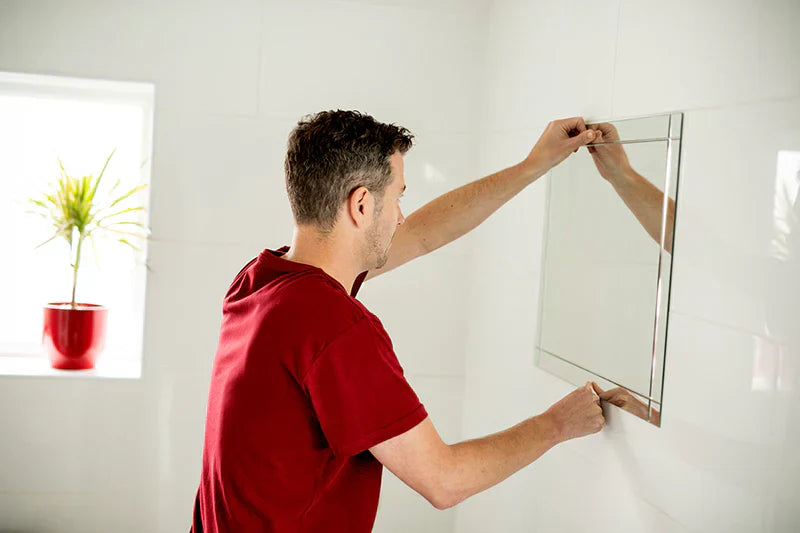
Hanging a heavy mirror on your wall might seem tricky, but with the right steps, you can do it safely and securely. You want your mirror to stay put without worrying about it falling and causing damage.
Imagine how a perfectly hung mirror can brighten your room and add style instantly. In this guide, you’ll learn simple, effective techniques to hang your heavy mirror with confidence. Keep reading, and you’ll discover the secrets to making your wall look stunning while keeping your home safe.

Credit: www.yahoo.com
Choosing The Right Mirror
Choosing the right mirror is the first step to hang a heavy mirror safely. The mirror’s size and weight affect the type of wall anchors and tools needed. A mirror that is too large or too heavy for your wall can cause damage or fall. Understanding the frame material also helps select the best hanging method. A strong frame supports the mirror better and makes hanging easier.
Assessing Mirror Weight And Size
Start by measuring the mirror’s height and width. Note the total weight using a scale or product label. Large mirrors over 30 inches wide need extra support. Heavy mirrors over 20 pounds require sturdy wall anchors. Small mirrors weigh less and are easier to hang. Always match wall hardware to the mirror’s weight to avoid accidents.
Selecting Suitable Frame Materials
Frames come in wood, metal, plastic, or composite materials. Wood frames are strong but can be heavy. Metal frames offer durability and often have built-in hanging hooks. Plastic frames are light but less sturdy for heavy mirrors. Composite frames vary in strength; check their build quality before hanging. Choose a frame that supports the mirror weight and suits your wall type.

Credit: www.youtube.com
Preparing The Wall
Clear the wall surface and check for studs using a stud finder to ensure strong support. Mark the spots where the mirror will hang for accurate placement. Clean the area to remove dust and dirt before installation.
Preparing the Wall Before you can hang your heavy mirror, preparing the wall is crucial for ensuring it stays up securely. The last thing you want is to hear a crash in the middle of the night because the mirror wasn’t properly supported. Taking the time to prep the wall can save you a lot of hassle and potential damage.Identifying Wall Type
The type of wall you’re working with will determine the tools and anchors you’ll need. Most homes have walls made of drywall, plaster, or concrete. Drywall is common and relatively easy to work with but requires special attention to weight distribution. Plaster walls can be more challenging as they tend to crack if not handled carefully. Concrete walls, on the other hand, require specific tools like masonry bits and anchors. Knowing your wall type helps you choose the right hardware to ensure the mirror stays put.Locating Studs And Support Points
Finding the studs in your wall is a critical step in hanging a heavy mirror. Studs provide the strong support needed to hold the weight. You can use a stud finder to easily locate these support points. If a stud isn’t available where you want to hang the mirror, consider using toggle bolts or wall anchors designed for heavy loads. Always double-check the placement with a level to ensure your mirror hangs straight. Have you ever hung something only to realize it’s crooked? Avoid that frustration by taking these extra steps.Gathering Necessary Tools
Before you start hanging a heavy mirror, gathering the right tools is crucial. Having everything ready makes the process smoother and safer. Missing a key tool or hardware can lead to damage or accidents, so take a moment to prepare carefully.
Essential Hardware For Heavy Mirrors
Heavy mirrors need strong, reliable hardware to stay secure on your wall. Basic nails or standard picture hooks won’t do the job here. Instead, you’ll want to use:
- Wall anchors:These provide extra support when you’re not drilling directly into studs.
- Heavy-duty screws:Choose screws rated for the weight of your mirror to avoid any risk of falling.
- D-rings or mirror clips:These help keep the mirror stable and prevent it from shifting after installation.
- Stud finder:Identifying studs is essential since they offer the strongest mounting points.
Have you checked the weight rating on your hardware? Using the wrong type can be a costly mistake.
Recommended Tools For Installation
Having the right tools makes hanging your heavy mirror much easier and safer. Here’s what you’ll need to get the job done right:
- Power drill:A drill with appropriate drill bits will help you make precise holes quickly.
- Level:Ensures your mirror is perfectly straight—no one wants a crooked reflection.
- Measuring tape:Accurate measurements help you place the mirror exactly where you want it.
- Screwdriver:Handy for tightening screws securely after drilling.
- Painter’s tape or pencil:Mark your spots without damaging the wall surface.
I remember trying to hang a large mirror without a level once—it was a disaster. The mirror leaned so much it almost fell. Don’t make the same mistake; invest in a good level. What tools do you already have? You might be closer to starting than you think.
Mounting Techniques
Mounting a heavy mirror securely requires the right techniques to ensure safety and durability. Choosing the proper mounting method depends on your wall type, mirror weight, and available tools. Let’s explore some effective ways to handle this task with confidence.
Using Anchors And Screws
Anchors and screws are a reliable choice for heavy mirrors, especially on drywall. Start by selecting anchors rated for your mirror’s weight to avoid accidents.
Drill pilot holes first, then insert the anchors firmly into the wall. Screw in heavy-duty screws, leaving enough head exposed to hang the mirror securely. This method offers solid support without damaging the wall.
Installing French Cleats
French cleats offer a professional and sturdy solution that distributes weight evenly. They consist of two interlocking pieces—one attached to the wall and the other to the mirror.
Secure the wall cleat with screws into studs or anchors, then mount the matching piece on your mirror’s back. This technique not only makes hanging easier but also allows for easy removal and repositioning.
Applying Toggle Bolts
Toggle bolts work well when you’re dealing with hollow walls that can’t support heavy loads with simple anchors. Their wings expand behind the wall, spreading the weight over a larger area.
Make sure to drill the correct hole size to fit the toggle bolt. Once inserted and tightened, toggle bolts hold heavy mirrors firmly, giving you peace of mind about safety.
Safety Measures
Hanging a heavy mirror can transform your space, but safety should always come first. Ignoring proper safety measures can lead to accidents or damage to your walls and mirror. Taking a moment to focus on secure attachment and accident prevention will save you hassle and ensure your mirror stays put for years.
Ensuring Secure Attachment
Choose the right hardware designed for heavy loads, such as wall anchors rated for your mirror’s weight or sturdy toggle bolts. Screwing directly into studs offers the strongest support, so use a stud finder before drilling. If your wall lacks studs where you want to hang, reinforce with heavy-duty anchors to prevent the mirror from falling.
Double-check the mirror’s mounting system too. Some come with D-rings, wire, or brackets—make sure these are firmly attached to the frame and rated for the mirror’s weight. I once underestimated the quality of the mounting hooks and ended up with a cracked mirror and wall damage. Don’t let this happen to you.
Preventing Accidents And Damage
Clear the area around where you’ll hang the mirror to avoid tripping hazards or knocking the mirror during installation. Wearing safety goggles and gloves can protect you from unexpected slips or shattered glass. Never rush the process—taking your time reduces the chance of mistakes that lead to accidents.
After hanging, gently test the mirror’s stability by applying slight pressure. If it shifts or feels loose, adjust the hardware immediately. Ask yourself: Is this mirror secure enough to stay on the wall if bumped? If the answer is no, reconsider your attachment method before finishing up.
Final Adjustments
After hanging your heavy mirror, the final adjustments are crucial to ensure it looks perfect and stays secure. This stage focuses on fine-tuning the mirror’s position and confirming its stability. Taking the time now can save you from future headaches and potential accidents.
Leveling The Mirror
Use a spirit level or a smartphone leveling app to check if your mirror is perfectly straight. Hold it against the top edge of the mirror and adjust until the bubble is centered. Even a slight tilt can be distracting and take away from your room’s aesthetic.
If your mirror doesn’t sit level, try shifting it gently from side to side or adjust the hooks slightly. Sometimes, adding a small piece of felt or rubber behind the bottom corners can help keep it steady and level. Have you ever noticed how a slightly crooked mirror changes the entire room’s vibe?
Checking Stability And Support
Once the mirror is level, give it a gentle push to test its stability. It should feel secure without any wobbling or movement. If it shifts easily, the hooks or anchors may not be strong enough.
Double-check that your wall anchors are rated for the mirror’s weight and that screws are fully tightened. You might also want to press down lightly on different parts of the mirror to confirm even support. How confident do you feel about your mirror’s hold right now?
Remember, a heavy mirror can be dangerous if it falls. Taking a few extra minutes to verify its stability ensures safety for everyone in your home.

Credit: ledmirrorworld.co.uk
Frequently Asked Questions
How Do I Choose The Right Wall Anchors For Heavy Mirrors?
Select wall anchors based on your wall type and mirror weight. Use toggle bolts for drywall and masonry anchors for brick or concrete walls. Proper anchors ensure secure mounting and prevent damage or accidents.
What Tools Are Needed To Hang A Heavy Mirror Safely?
You’ll need a stud finder, drill, level, measuring tape, screwdriver, and appropriate wall anchors. These tools help locate studs, ensure proper alignment, and securely fasten the mirror for safe hanging.
Can I Hang A Heavy Mirror Without Studs?
Yes, use heavy-duty wall anchors or toggle bolts designed for drywall. However, mounting on studs is stronger and recommended for very heavy mirrors to ensure maximum stability and safety.
How High Should A Heavy Mirror Be Hung On The Wall?
Hang the mirror at eye level, typically 57-60 inches from the floor to the center. Adjust height based on room function and furniture placement for balanced aesthetics and usability.
Conclusion
Hanging a heavy mirror on the wall is easier than it seems. Use the right tools and anchors for strong support. Measure carefully to keep the mirror straight and safe. Take your time and follow each step with care. This helps avoid accidents and damage to your wall.
A well-hung mirror can brighten your room and add style. Stay confident and enjoy the new look your mirror brings. Safety first, and your wall will hold the mirror firmly. Simple steps lead to great results every time.



