
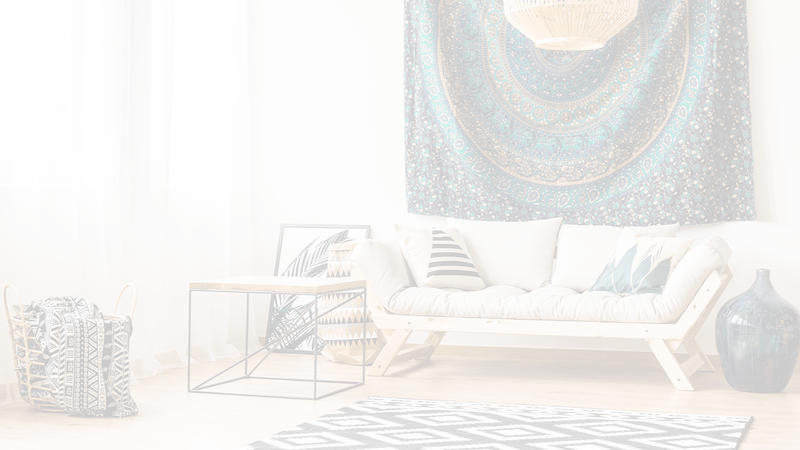
Are you ready to transform your room with a stunning large tapestry but unsure how to hang it without damage or hassle? Hanging a big tapestry can feel tricky, but with the right steps, you’ll have it looking perfect in no time.
Imagine your wall coming alive with color and texture, instantly boosting your space’s style and mood. Keep reading, and you’ll discover simple, effective methods to hang your tapestry securely and beautifully—making your space truly yours.
Credit: quilthangers.com
Choosing The Right Spot
Choosing the right spot to hang a large tapestry affects the room’s look and feel. The right place highlights the tapestry’s colors and design. It also keeps the tapestry safe from damage. Take time to find the best wall for your tapestry.
Assess Wall Space
Measure the wall area before hanging the tapestry. The tapestry should fit well without crowding other items. Clear the wall of pictures or shelves to give the tapestry space. Large tapestries need wide, open walls to stand out. Check if the wall space matches the tapestry size perfectly.
Consider Lighting
Good lighting brings out the tapestry’s details and colors. Natural light works best but avoid direct sunlight. Sunlight can fade the fabric over time. Use soft indoor lights to highlight the tapestry in the evening. Position the tapestry where light enhances its beauty all day.
Check Wall Material
Know the wall type before hanging the tapestry. Drywall, brick, and plaster need different hooks or nails. Choose wall anchors for heavy tapestries on drywall. Brick walls may need special drill bits or hooks. Using the right hardware keeps the tapestry secure and the wall undamaged.
Gathering Necessary Tools
Gathering the right tools is the first key to hanging a large tapestry smoothly. The tools you choose affect how secure and neat your tapestry will look. This step saves time and prevents damage to your wall or fabric.
Focus on selecting the correct hooks or nails that fit your wall type and tapestry weight. Consider adhesive options if you prefer not to use holes. Accurate measuring tools ensure your tapestry hangs straight and centered.
Selecting Hooks And Nails
Choose hooks or nails based on the tapestry’s weight and wall material. For heavy tapestries, sturdy picture hooks or wall anchors work best. Light tapestries can hang on small nails or push pins. Use rust-resistant hooks to avoid wall stains.
Using Adhesive Options
Adhesive strips or hooks protect walls from holes. They suit lightweight tapestries or temporary displays. Check the weight limit on packaging to avoid falls. Clean the wall surface before applying adhesive for better grip.
Measuring Tools To Use
A tape measure helps find the perfect height and width for your tapestry. Use a level to keep it straight. Mark spots lightly with a pencil before placing hooks or nails. This avoids mistakes and uneven hanging.
Preparing The Tapestry
Choose a clean, smooth wall free of dust before hanging your tapestry. Measure the space carefully to ensure the tapestry fits well. Gather necessary tools like hooks, nails, or adhesive strips to secure it properly.
Preparing the Tapestry Before you hang that beautiful tapestry on your wall, it’s essential to prepare it properly. This step ensures your tapestry looks its best and lasts longer. A well-prepared tapestry will drape nicely and catch everyone’s eye.Cleaning And Ironing
Your tapestry might have wrinkles or dust from storage. Start by giving it a gentle clean. Depending on the fabric, you might hand wash it or use a vacuum with a soft brush attachment. Once it’s clean, lay it flat and iron any wrinkles. Use a low heat setting and a pressing cloth to protect the fabric. Have you ever noticed how a crisp tapestry seems to pop against the wall?Adding Support Rods
Support rods are crucial for maintaining the shape of your tapestry. They prevent sagging and ensure even weight distribution. You can sew a fabric sleeve on the back of the tapestry to insert the rod. Consider the weight of the tapestry when choosing a rod. A lightweight rod is usually sufficient for small tapestries, while larger ones may require something sturdier. Who knew rods could make such a difference?Securing Edges
Unsecured edges can lead to fraying over time. To prevent this, you might want to hem the edges or use fabric glue for a quick fix. This step is often overlooked but adds longevity to your tapestry. Have you ever tried sewing a simple hem? It’s easier than you might think and can add a clean finish to your piece. Securing the edges is like giving your tapestry a protective shield, ensuring it remains a cherished part of your decor for years.
Credit: aboderie.co.uk
Hanging Techniques
Hanging a large tapestry can transform your space instantly, but choosing the right technique matters for both appearance and wall care. Different methods suit different wall types, tapestry weights, and your willingness to make holes. Let’s look at practical ways to hang your tapestry securely and stylishly.
Using Nails And Hooks
Nails and hooks provide a reliable hold, especially for heavier tapestries. If your wall can handle small holes, this method offers strong support that won’t let your tapestry sag over time.
Place nails or hooks evenly across the tapestry’s top edge to distribute weight. You can use small picture hooks or finishing nails for a neat look. Just make sure you use a level to keep the tapestry straight—crooked art can be distracting.
Command Strips And Adhesives
If you want to avoid wall damage, command strips are a smart choice. They hold surprisingly well and remove cleanly, which is perfect for renters.
Choose strips rated for the tapestry’s weight, and attach them to both the tapestry and wall firmly. Remember, smooth walls work best for adhesives; textured surfaces can reduce sticking power.
Rod And Pocket Method
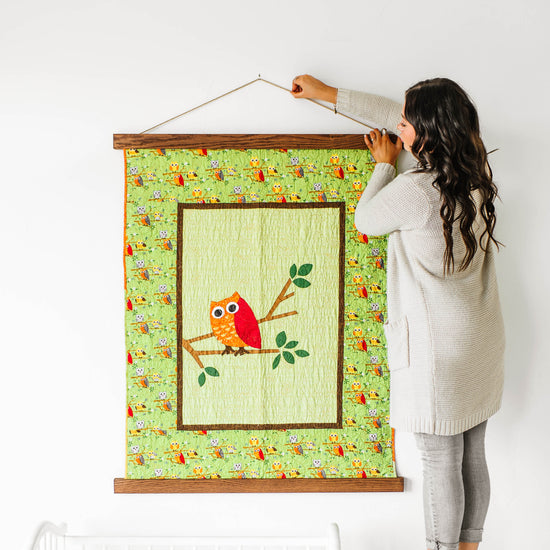
This method adds a decorative element and keeps your tapestry wrinkle-free. Sew or use a tapestry with a built-in pocket along the top edge, then slide a rod through it.
Hang the rod on sturdy wall brackets or hooks. This technique lets you easily swap tapestries and creates a polished, framed look. Plus, it prevents stretching that might happen with other hanging styles.
Clip And Wire Options
Clips and wires give flexibility if your tapestry doesn’t have a pocket or if you want an adjustable display. Attach clips along the top edge and hang the wire on hooks or nails.
This setup lets you adjust the tapestry’s height or angle quickly. It also helps if you want to hang multiple tapestries in a row without permanent wall changes. Have you tried using clips to create a gallery wall effect?
Ensuring Stability And Safety
Hanging a large tapestry on your wall can transform a room, but ensuring it stays securely in place is crucial. Stability and safety are not just about preventing damage; they protect your investment and keep everyone safe. Taking a few thoughtful steps can make a big difference in how your tapestry looks and lasts over time.
Weight Distribution Tips
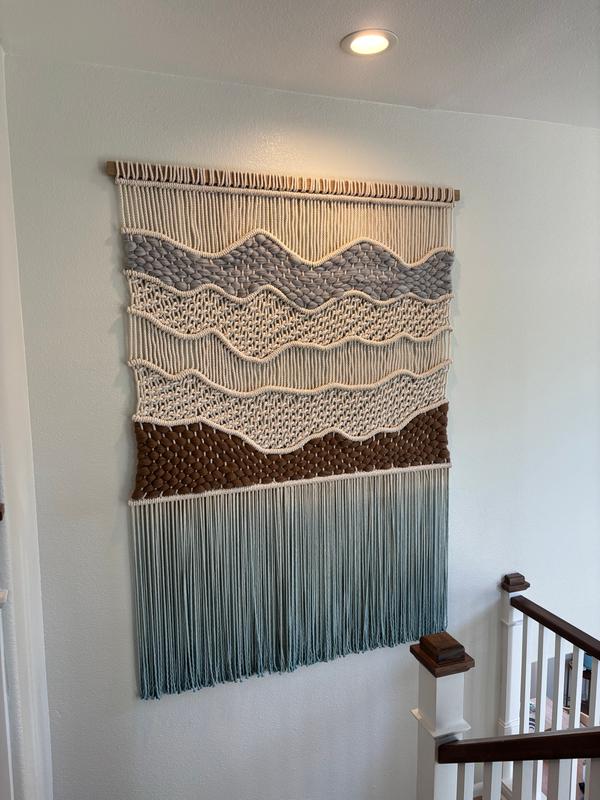
Distributing the weight of your tapestry evenly reduces stress on any single point of your wall. Use a sturdy rod or a wooden dowel that runs the full width of the tapestry. This helps spread the weight and prevents sagging in the middle.
Consider adding multiple hooks or brackets along the rod to support the load evenly. If your tapestry is especially heavy, wall anchors or toggle bolts provide extra grip and prevent the hardware from pulling out. Have you checked if your hanging rod feels solid when you gently tug on it?
Avoiding Wall Damage
Protecting your walls while hanging a tapestry means choosing the right hardware. Nails may leave holes and cause cracks over time, especially with heavier pieces. Instead, try adhesive hooks designed for weight or use anchors that minimize damage.
Another option is to mount a wooden frame or battens to the wall first, then attach the tapestry to it. This method keeps the tapestry stable and reduces direct pressure on the wall. What kind of wall do you have—drywall, plaster, or brick? Knowing this will guide your choice of hardware.
Regular Maintenance Checks
Once your tapestry is hanging, periodic checks ensure it stays safe and stable. Look for signs of wear on the hanging rod, hooks, or any hardware that might loosen over time. Gently shake or pull to test if everything holds firm.
Also, inspect the tapestry fabric itself for any stretching or tears near the hanging points. Catching these early can prevent bigger problems later. How often do you inspect other wall hangings? Making this a routine can save you from unexpected mishaps.
Credit: teddyandwool.com
Styling Tips For Impact
Hanging a large tapestry is just the first step; styling it for real impact brings your space to life. Your tapestry should feel like a natural part of the room, not just a decoration. Think about how it interacts with everything else around it to create a cohesive look that grabs attention.
Complementing Room Decor
Look at your tapestry’s colors and patterns. Are they bold or subtle? Match or contrast them with your furniture and accessories to create balance. For example, a vibrant tapestry pairs well with neutral walls and simple furniture, so the tapestry stands out without clashing.
Consider the room’s style too. A boho tapestry fits perfectly in a casual, cozy space, while a geometric design might suit a modern, minimalist room. You want your tapestry to enhance the vibe, not confuse it.
Layering With Other Wall Art
Don’t hesitate to mix your tapestry with other wall decorations. Smaller framed art, mirrors, or shelves can add depth and interest around your tapestry. Try placing pieces that pick up colors or themes from your tapestry for a curated look.
Be mindful of spacing. Too many items crowd the wall, while too few make it feel empty. Play around with arrangements on the floor first to find the right balance before hanging anything.
Using Lighting To Enhance
Lighting can transform how your tapestry looks. Soft, warm lights create a cozy glow that highlights textures and colors beautifully. You could use wall sconces, picture lights, or even LED strips above or below the tapestry.
Think about shadows too. A bit of shadow can add drama and dimension, making the tapestry feel more dynamic. Have you tried placing a lamp at an angle to see how it changes the look? Experimenting with light can reveal new ways to enjoy your tapestry.
Frequently Asked Questions
How Do I Hang A Large Tapestry Without Damaging Walls?
Use adhesive hooks or removable strips designed for wall hangings. They hold tapestries securely without nails or screws. Avoid heavy tapestries on delicate surfaces to prevent damage. Always follow product instructions for best results.
What Tools Do I Need To Hang A Large Tapestry?
You need a measuring tape, level, adhesive hooks or nails, and a hammer. Optional tools include a curtain rod or hanging clips. These tools help ensure your tapestry is hung straight and securely.
Can I Use A Rod To Hang A Large Tapestry?
Yes, a curtain rod or tension rod works well for hanging tapestries. It allows easy adjustment and adds a decorative touch. Ensure the rod and brackets support the tapestry’s weight to avoid sagging.
How High Should I Hang A Large Tapestry On The Wall?
Hang the tapestry so its center is at eye level, about 57-60 inches from the floor. This placement creates a balanced and visually pleasing display in most rooms. Adjust height based on furniture and wall space.
Conclusion
Hanging a large tapestry can change your room’s look fast. Choose the right tools and spot on your wall. Take your time to measure and secure it well. A well-hung tapestry stays flat and looks great for years. Enjoy the cozy, colorful touch it brings to your space.
Now, your wall tells a story with fabric art. Simple steps make a big difference in your home decor. Try these tips and see your room transform easily.



