
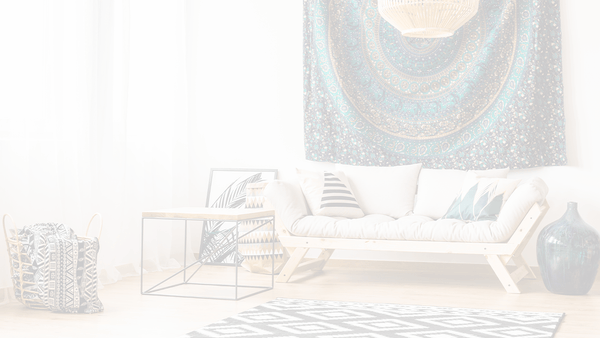
Are you ready to transform your space with a stunning large wall tapestry? Hanging one might seem tricky, but with the right steps, you can turn your blank wall into a vibrant focal point that reflects your style.
Imagine the warmth, color, and personality a tapestry can add to your room—all without damaging your walls or spending a fortune. Keep reading, and you’ll discover simple, effective ways to hang your tapestry securely and beautifully. Your walls are waiting for a makeover, and this guide will make it easy for you to get started today.
Credit: teddyandwool.com
Choosing The Right Tapestry
Choosing the right tapestry sets the foundation for a stunning wall display. It’s not just about picking something that looks good; you need to consider how it fits your space and lifestyle. The right tapestry can transform a room’s vibe, while the wrong one might feel out of place or be difficult to hang properly.
Material And Weight Considerations
The material of your tapestry affects both its look and how you’ll hang it. Lightweight fabrics like cotton or polyester are easier to handle and usually don’t require heavy-duty hooks.
Heavier materials, such as wool or thick woven textiles, need stronger support. Think about where you plan to hang it—will your wall hold the weight? Sometimes, a heavier tapestry demands a professional-grade hanging system.
Also, consider durability. If your tapestry will be in a high-traffic area or exposed to sunlight, you want a material that won’t fade or wear quickly.
Selecting The Ideal Size
Size matters more than most people realize. A tapestry that’s too small can get lost on a large wall, while one that’s too big might overwhelm your space.
Measure your wall space carefully before choosing. Leave some breathing room around the tapestry so it doesn’t feel cramped.
Think about the furniture placement too. A tapestry above a sofa or bed should complement, not compete with, the furniture’s size and shape.
Color And Pattern Matching
Colors and patterns are where your personal style really shines. But they also determine how well the tapestry blends with your room’s existing decor.
Look at the main colors in your room. Do you want the tapestry to blend in or stand out as a focal point? Bold, contrasting colors create a statement, while neutral tones add subtle texture.
Patterns can either balance or clash with other elements. If your room has busy patterns, a simple tapestry might work best. But in a minimalist space, a vibrant pattern can add life.
Preparing Your Wall
Preparing your wall properly is crucial before hanging a large tapestry. It ensures the tapestry stays in place and looks great. Taking time now will save you from redoing the work later.
Cleaning And Smoothing The Surface
Start by wiping down your wall with a damp cloth to remove dust and dirt. Even small particles can prevent adhesive hooks or nails from holding well. If the wall has rough patches or peeling paint, gently sand those areas smooth to create a stable surface.
Have you noticed your tapestry slipping or sagging? Often, that happens because the wall wasn’t clean or smooth enough. Taking a few extra minutes here can make a big difference in the final result.
Measuring And Marking Placement
Measure the dimensions of your tapestry first. Then use a tape measure to find the center point on your wall and mark it lightly with a pencil. This helps you position the tapestry exactly where you want it.
Try to visualize the tapestry on the wall before marking. Step back and imagine how it will look at different heights and widths. Mark multiple points if you plan to use several hooks or nails to distribute the weight evenly.
Tools You Will Need
- Tape measure – for accurate measurements
- Pencil – to mark placement points
- Damp cloth – to clean the wall
- Sandpaper – to smooth rough spots
- Level (optional) – to keep your tapestry straight
- Hooks, nails, or adhesive strips – depending on your hanging method
Having the right tools ready before you start makes the whole process smoother. Missing just one item can cause delays or imperfect results. Do you already have these tools at hand, or will you need to gather them first?
Mounting Techniques
Choose strong hooks or nails to support the tapestry’s weight on the wall. Use a wooden dowel or rod at the top to keep it flat and smooth. Secure the tapestry evenly to avoid wrinkles and ensure it hangs straight.
Hanging a large wall tapestry requires the right technique. Proper mounting ensures your tapestry stays secure and looks great. Here are some effective methods to try.Using Command Strips
Command strips are a renter-friendly option. They avoid wall damage and are easy to use. Clean the wall surface first. Attach strips to the tapestry corners. Press firmly against the wall. Wait an hour before hanging for best results. This method suits light to medium-weight tapestries.Nails And Hooks Method
Nails and hooks provide strong support. Use this for heavier tapestries. Measure the width of your tapestry. Mark spots on the wall for nails. Ensure they’re level. Hammer in nails and hang your tapestry using hooks. This creates a secure display.Wooden Rod Or Dowel Support
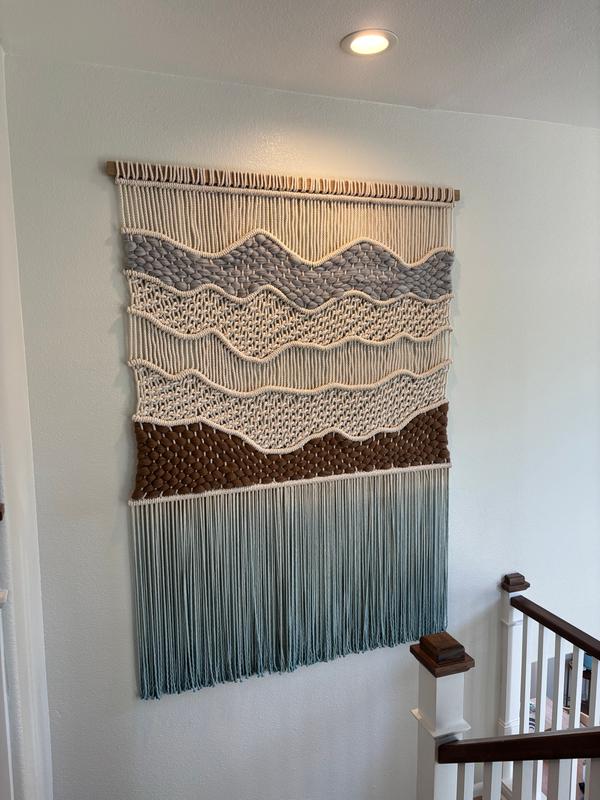
A wooden rod offers a classic look. Slide the tapestry onto the rod. Secure the rod with brackets on the wall. This technique is great for tapestries with loops or pockets. It keeps the tapestry taut and smooth.Velcro Strips For Flexibility
Velcro strips allow easy adjustments. They work well for lightweight tapestries. Attach one side of the Velcro to the wall. Stick the other side to the tapestry. This provides flexibility to reposition or change tapestries easily.
Credit: aboderie.co.uk
Hanging The Tapestry
Hanging a large wall tapestry can transform any room, but it requires careful attention to detail to ensure it looks its best. The way you hang your tapestry affects not only its appearance but also its longevity. Paying close attention during the hanging process helps avoid common issues like sagging or uneven edges.
Aligning And Securing The Corners
Start by positioning the tapestry flat against the wall. Focus on getting the corners perfectly aligned with the desired hanging points. Using push pins, small nails, or adhesive hooks, secure each corner firmly to prevent shifting over time.
If your tapestry has loops or a sewn-in sleeve, use those to anchor the corners first. This gives you a solid frame to work with and keeps the edges taut. Imagine you’re framing a picture—corners are your foundation.
Adjusting For Wrinkles And Sagging
Wrinkles can ruin the look of a tapestry quickly. Smooth out any creases by gently pulling the fabric taut as you secure it. If you notice sagging in the middle, add extra support points along the top edge to distribute the weight evenly.
Sometimes, a light spray of water or a handheld steamer can help relax stubborn wrinkles. But be cautious and test a small area first to avoid damaging delicate fibers. Have you ever hung a tapestry that looked perfect initially but drooped after a few days? Extra support can prevent that.
Ensuring Even Tension
Uneven tension causes distortions in the tapestry’s design. After securing the corners, check the fabric’s tautness across the entire surface. Adjust pins or hooks gradually, moving from one side to the other to maintain balance.
Try stepping back frequently to view the tapestry from different angles. This helps spot subtle unevenness you might miss up close. Remember, even tension not only enhances the look but also protects the tapestry from unnecessary strain.
Maintaining Your Wall Tapestry
Maintaining your wall tapestry keeps it vibrant and beautiful for years. Proper care prevents damage and preserves its colors and fabric. Simple steps help your tapestry stay fresh and last longer. Follow these tips to enjoy your tapestry fully.
Cleaning Tips
Dust your tapestry regularly with a soft brush or vacuum on low. Spot clean stains gently using mild detergent and cold water. Avoid harsh chemicals that can damage the fabric. For deep cleaning, hand wash carefully or seek professional help. Always air dry flat to keep the shape.
Protecting From Sun Damage
Keep your tapestry out of direct sunlight to prevent fading. Use curtains or blinds to reduce sun exposure. Rotate the tapestry occasionally to avoid uneven discoloration. Consider UV-protective window films for rooms with strong sunlight. These actions help maintain the tapestry’s original colors.
Storage Suggestions
Store your tapestry in a cool, dry place away from moisture. Roll it loosely instead of folding to avoid creases. Wrap it in acid-free paper or cotton cloth for protection. Keep it away from pests by using natural repellents. Proper storage preserves fabric quality and prevents damage.

Credit: theancienthome.com
Frequently Asked Questions
How Do I Prepare The Wall For Hanging A Tapestry?
Clean the wall surface and ensure it is dry. Remove nails or screws. Use a level to mark where the tapestry will hang. This prevents damage and keeps the tapestry straight.
What Tools Are Needed To Hang A Large Tapestry?
You need a measuring tape, level, hammer, nails or hooks, and optionally adhesive strips. These tools help secure the tapestry safely and evenly.
Can I Hang A Tapestry Without Damaging The Wall?
Yes, use removable adhesive hooks or strips designed for wall hangings. These hold well and peel off cleanly, preserving your wall’s surface.
How High Should I Hang A Large Wall Tapestry?
Hang the tapestry at eye level or slightly above. This ensures the design is visible and complements the room’s décor.
Conclusion
Hanging a large wall tapestry can change a room’s look quickly. Choose the right method for your wall type and tapestry weight. Take your time to measure and align it properly. Use sturdy hooks or rods to keep it secure.
Enjoy the new style and cozy feel it brings. Small efforts create big changes in your home’s decor. Try different placements until it feels just right. Your wall will thank you for the fresh, warm touch.



