
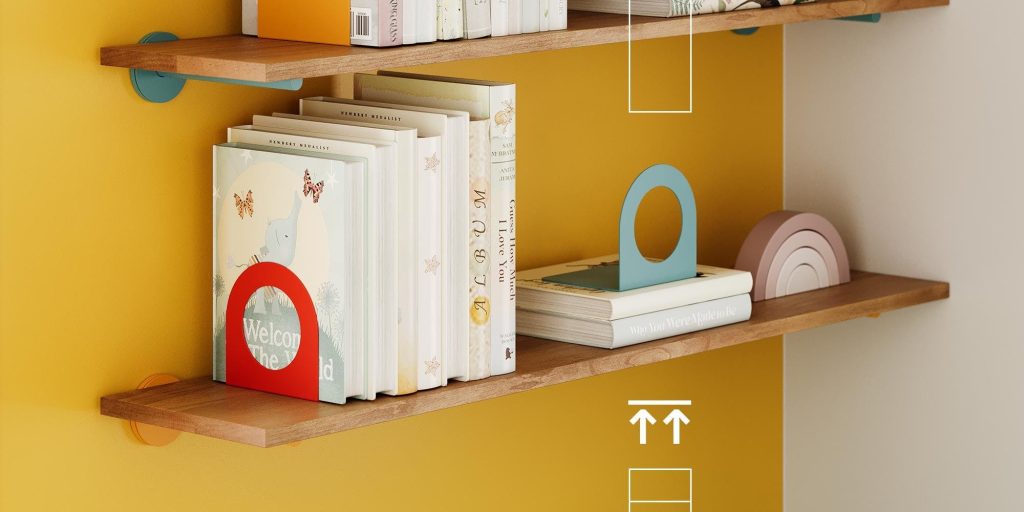
Are you ready to add style and storage to your room without bulky furniture? Hanging floating shelves on drywall is a smart way to showcase your favorite items and keep things organized.
But if you’re worried about making mistakes or damaging your walls, you’re not alone. This guide will walk you through simple, clear steps to hang your floating shelves securely and with confidence. By the end, you’ll know exactly what to do—and your walls will look amazing.
Let’s get started!
Choosing The Right Shelves
Choosing the right shelves is a crucial step before hanging floating shelves on drywall. The right choice ensures durability, style, and safety for your wall and belongings. Consider the material and weight capacity carefully to find shelves that match your needs and space.
Materials And Styles
Floating shelves come in various materials like wood, metal, glass, and MDF. Wood shelves add warmth and can be stained or painted to fit your room’s look. Metal shelves offer a sleek, modern feel and are often more durable.
Glass shelves can make a room feel open but require extra care due to fragility. MDF is affordable and easy to customize but may not hold heavy items well. Think about where you’ll place the shelves and what style fits your décor best.
Have you noticed how a simple shelf can change a room’s vibe? Picking the right style can make your space feel more organized and inviting.
Weight Capacity
Weight capacity is often overlooked but is vital for safety and function. Drywall isn’t strong enough to hold heavy shelves without proper support, so check the shelf’s maximum weight limit.
Look for shelves with built-in brackets or those designed for drywall installation with anchors. If you want to display heavy items like books or plants, choose shelves rated for higher weights or consider reinforcing them.
Ask yourself what you plan to put on the shelves. Will they hold just decorative items or heavier objects? This decision will guide your choice to prevent accidents and damage.

Credit: www.create-enjoy.com
Tools And Materials Needed
Hanging floating shelves on drywall requires the right tools and materials. These items make the process safe and easy. Using proper tools helps secure the shelves firmly to the wall. It also prevents damage to the drywall. Prepare everything before starting the installation.
Essential Tools
- Drill with drill bits
- Stud finder
- Level
- Measuring tape
- Pencil
- Screwdriver
- Hammer
- Wall anchors (if no studs found)
Mounting Hardware
- Screws suitable for drywall
- Brackets or shelf mounting kit
- Toggle bolts or molly bolts for heavy loads
- Plastic or metal anchors for extra support
Preparing The Wall
Begin by cleaning the drywall surface to remove dust and dirt. Locate and mark the wall studs for strong shelf support. Use a level to ensure the shelf will hang straight.
Preparing the wall for floating shelves is crucial. A well-prepared wall ensures stability and longevity. Follow these steps to ready your drywall for installation.Finding Studs
Identify the studs to provide support for the shelves. Use a stud finder for accuracy. Slowly move it across the wall. Listen for beeps indicating a stud. Mark the stud’s location with a pencil. This ensures the shelves hold weight securely. If no studs are found, consider using wall anchors.Marking Placement
Decide where you want the shelves to go. Use a tape measure for precise measurements. Mark the desired height with a pencil. Ensure marks are level using a spirit level. This prevents tilted shelves. Draw light lines where the shelves will sit. Double-check measurements for accuracy.Installing Wall Anchors
Installing wall anchors is a crucial step when hanging floating shelves on drywall. These anchors provide the extra support your shelves need to hold weight without damaging the wall. Choosing and installing the right anchor can make a big difference in the stability and longevity of your shelves.
Types Of Anchors
Not all wall anchors are created equal. You can choose from several types depending on the weight of your shelf and the nature of your drywall:
- Plastic Expansion Anchors:Best for light loads, these are easy to install but not very strong.
- Self-Drilling Anchors:These metal or plastic anchors screw directly into drywall without a pre-drilled hole, offering moderate support.
- Molly Bolts:Ideal for medium loads, they expand behind the drywall to create a secure hold.
- Toggle Bolts:The strongest option, toggle bolts use a spring-loaded mechanism to grip the drywall from behind, perfect for heavy shelves.
Think about how much weight your shelf will carry before picking an anchor. Have you checked if your shelves will hold books, decor, or heavier items like plants?
Anchor Installation Tips
Installing anchors correctly ensures your floating shelves stay put. Start by marking your shelf holes carefully, then drill pilot holes just the right size for your anchors.
- Use a Level:Double-check your markings with a level to keep shelves straight.
- Drill Slowly:Drilling too fast can damage drywall or enlarge holes, weakening the anchor’s grip.
- Don’t Over-Tighten:Screws that are too tight can strip anchors or crack drywall.
- Test Stability:After installation, gently tug on the anchor to confirm it’s secure before mounting the shelf.
Once, I skipped using toggle bolts for a heavy shelf and the anchors failed within days. That taught me the value of matching anchors to shelf weight. What’s your experience with wall anchors? Have you ever underestimated their importance?
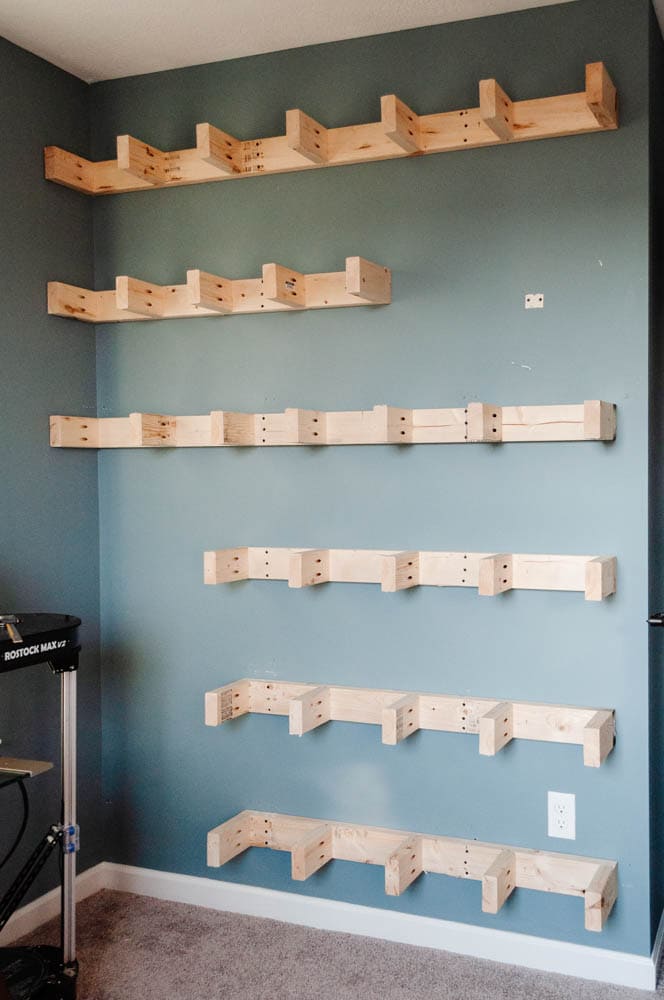
Mounting The Brackets
Mounting the brackets correctly is crucial to ensure your floating shelves stay secure and level on drywall. This step requires careful measurement and attention to detail. Even a slight misalignment can affect both the shelf’s stability and appearance.
Aligning Brackets
Start by marking the exact spot on the drywall where each bracket will go. Use a level to make sure the marks are perfectly horizontal. This keeps your shelves from looking crooked once mounted.
Use a stud finder to locate the studs behind the drywall. Securing brackets into studs provides the best support for your shelves. If you can’t hit a stud, be ready to use strong drywall anchors.
Take your time with this step—have you ever hung a shelf only to see it tilt a bit? Proper alignment prevents that frustration and keeps everything looking professional.
Securing Brackets
Once the brackets are aligned, it’s time to fix them firmly to the wall. Start by drilling pilot holes where your marks are. This makes screwing in easier and reduces the risk of splitting the drywall.
Choose screws that are long enough to reach the studs or fit snugly into anchors. Tighten the screws just enough to hold the bracket firmly without damaging the drywall.
After securing, give each bracket a slight wiggle to test stability. If it feels loose, double-check your anchors or screw length. A stable bracket means your shelf can hold weight safely without risk of falling.
Credit: www.christeneholderhome.com
Attaching The Shelves
Attaching floating shelves securely ensures they hold weight safely and look neat. This step requires precision and care to avoid damage to drywall or shelves. Focus on aligning, leveling, and fixing the shelves correctly on the brackets.
Placing The Shelf
Start by gently placing the shelf onto the mounted brackets. Check that the shelf fits snugly and sits flush against the wall. Use a level tool to confirm the shelf is perfectly horizontal. Adjust the shelf slightly to avoid tilting or gaps. Make sure the brackets support the entire shelf length evenly.
Securing To Brackets
Once the shelf is in place, secure it firmly to the brackets. Use screws that match the bracket holes for a tight fit. Tighten screws evenly to prevent shelf movement or wobbling. Avoid over-tightening to protect the shelf material from cracking. Check stability by pressing lightly on the shelf surface.
Checking Stability
Checking stability ensures your floating shelves stay safe and secure on drywall. This step confirms that the shelves can hold weight without sagging or falling. A stable shelf looks neat and supports items properly. Testing and adjusting help avoid damage to walls and belongings.
Load Testing
Place light items on the shelf first. Gradually add weight to test strength. Watch for any movement or bending of the shelf. Use a level to check if the shelf stays straight. If it tilts or shifts, the shelf is not stable enough. Test with weight close to what you plan to hold. This avoids surprises later.
Adjustments
Check the screws and anchors holding the shelf. Tighten any loose screws carefully. Replace weak or damaged anchors with stronger ones. Use wall studs for better support when possible. Adjust shelf brackets to keep the shelf level. Re-test load after making changes. Repeat adjustments until the shelf feels solid and stable.
Maintenance Tips
Keeping your floating shelves in great shape doesn’t stop at installation. Regular maintenance helps preserve their look and strength, ensuring they hold up well over time. Small efforts can prevent big problems and keep your shelves looking fresh and secure.
Cleaning
Dust and dirt can build up on your floating shelves quickly, especially if they’re in a busy area. Use a soft cloth or a microfiber duster to wipe the surfaces gently at least once a week. Avoid harsh chemicals; a mild soap solution works best to remove smudges or sticky spots without damaging the finish.
If your shelves are wooden, consider using a furniture polish occasionally to keep the wood looking vibrant. Have you noticed how a clean shelf instantly brightens a room? It’s a simple way to refresh your space without extra effort.
Periodic Checks
Checking the stability of your floating shelves regularly can save you from accidents. Every few months, press lightly on the shelves to feel if they’re still firmly attached to the drywall. Look for any signs of wobbling, cracks, or loose screws.
If you spot any issues, tighten the screws or brackets immediately. Don’t wait until a shelf collapses under weight—catching these early signs is key. What would happen if you ignored a loose shelf? Taking a moment now can prevent damage to your wall and belongings later.

Credit: www.youtube.com
Frequently Asked Questions
How Do You Find Studs For Floating Shelves On Drywall?
Use a stud finder to locate studs behind drywall. Mark the stud edges with a pencil. This ensures secure shelf mounting and prevents damage.
What Anchors Work Best For Hanging Floating Shelves?
Toggle bolts and molly bolts are ideal for drywall. They provide strong support and prevent shelves from pulling out.
Can Floating Shelves Support Heavy Items On Drywall?
Yes, if mounted on studs or with heavy-duty anchors. Proper installation ensures shelves hold weight safely without sagging.
How High Should Floating Shelves Be Installed On Drywall?
Install shelves at eye level or slightly above. This height offers easy access and complements room aesthetics.
Conclusion
Hanging floating shelves on drywall can be simple and strong. Use the right tools and find the wall studs first. Measure carefully and mark where the brackets go. Drill holes and secure the brackets tightly. Place the shelves on the brackets and check they sit level.
This helps avoid accidents and keeps your shelves steady. Small steps make a big difference in your project’s success. Now, you can enjoy your new shelves and a neat space. Give it a try and see how easy it can be!



