
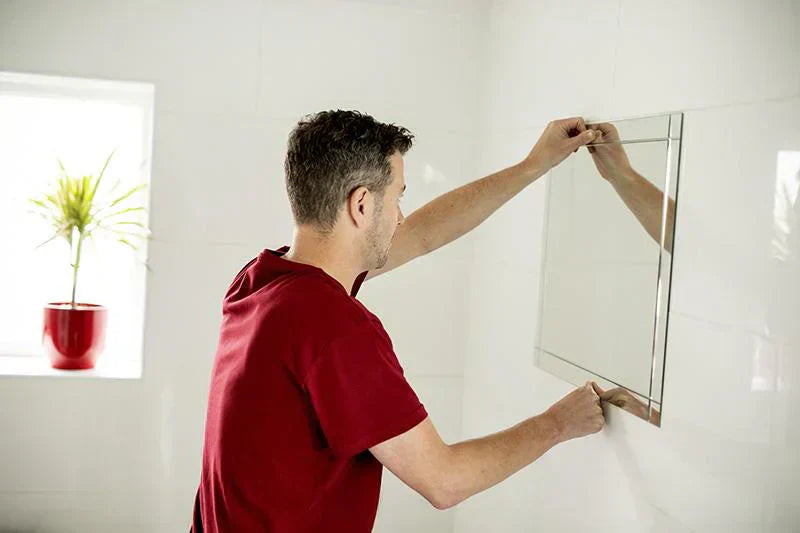
Hanging a mirror on your wall might seem simple, but getting it just right can change the whole look of your room. Imagine stepping into a space that feels brighter and bigger, all because your mirror is perfectly placed.
You don’t need special skills or tools to do this—just a few easy steps that anyone can follow. Keep reading, and you’ll learn exactly how to hang your mirror safely and stylishly, making your room look amazing in no time.

Credit: www.yahoo.com
Choosing The Right Mirror
Choosing the right mirror is more than just picking something that looks good on the wall. It can change how your space feels and functions. Think about what you need from the mirror and how it will fit into your room before you start hanging it.
Size And Shape Considerations
The size of your mirror should fit the wall space and your needs. A large mirror can make a small room feel bigger, while a small mirror works well in tight spots or as part of a gallery wall.
Shapes also influence the room’s vibe. Rectangular mirrors are classic and versatile, while round or oval mirrors add softness and can become a design statement.
Ask yourself: Are you using the mirror mainly for checking your appearance or to reflect light and open up space? This will guide your size and shape choice.
Style And Frame Options
Your mirror’s frame sets the tone for the room. A sleek metal frame suits modern or industrial styles, while a wooden frame adds warmth and works well in traditional or rustic rooms.
Sometimes, the mirror itself has no frame at all, offering a minimalist look that blends seamlessly into any decor.
Think about your existing furniture and decor. Does the frame complement your style, or will it clash? Matching the frame to your room creates a cohesive feel and makes the mirror look like it belongs there.
Selecting The Wall Spot
Choose a spot with good lighting and enough space for the mirror size. Ensure the wall is smooth and sturdy to hold the mirror safely. Consider the mirror’s purpose, like reflecting light or adding decoration.
Selecting the right spot on your wall for hanging a mirror can transform not just the wall but the entire room. The location impacts the room’s lighting, feel, and functionality. With so many factors to consider, how do you ensure you’re choosing the best spot?Assessing Wall Material
Before diving into mirror placement, evaluate what your wall is made of. Is it drywall, plaster, or brick? Each material has its quirks. Drywall can be easy to work with, but it might need anchors for heavy mirrors. Brick walls require a drill and masonry bits. Knowing your wall type helps you prepare the right tools and hardware.Finding The Best Height
A mirror’s height can change the dynamics of a room. For functional use, like in a bathroom or hallway, position it at eye level. Typically, this means the center of the mirror should be about 57 to 65 inches from the floor. If it’s purely decorative, consider the room’s focal points. Hanging it too high or too low can make it look out of place. Remember, a well-placed mirror reflects light and space, creating an illusion of depth.Avoiding Common Obstacles
Obstacles can be both physical and visual. Check for light switches, outlets, and vents before drilling. Have you ever hung a mirror only to realize it reflects a cluttered area? Avoid this by assessing what will be reflected. Consider walking through your space or asking someone to hold the mirror up temporarily. This helps you visualize the end result and make necessary adjustments before making permanent changes.Gathering Tools And Materials
Before you start hanging your mirror, gathering the right tools and materials is crucial. Having everything at hand saves you time and frustration. It also ensures the mirror stays secure and looks great on your wall.
Essential Tools List
Make sure you have these basic tools ready:
- Measuring tape:To measure the exact spot on your wall.
- Level:To keep your mirror perfectly straight.
- Drill or screwdriver:Depending on the type of screws or anchors you use.
- Pencil:For marking spots on the wall.
- Stud finder:To locate studs if your mirror is heavy.
- Screws and wall anchors:To secure the mirror safely.
Have you ever tried hanging a mirror without a level? It’s easy to end up with a crooked reflection that annoys you every day.
Types Of Wall Anchors
Choosing the right wall anchor depends on your wall type and the mirror’s weight.
| Anchor Type | Best For | Weight Capacity |
|---|---|---|
| Plastic expansion anchors | Light mirrors on drywall | Up to 20 lbs |
| Molly bolts | Medium weight on drywall or plaster | Up to 50 lbs |
| Toggle bolts | Heavy mirrors on drywall | 50 lbs and above |
| Concrete anchors | Brick or concrete walls | Varies by size |
Using the wrong anchor can cause your mirror to fall. Do you know what your wall is made of before picking anchors?
Safety Gear
Protect yourself while working on your project. Safety gear is often overlooked but critical.
- Safety goggles:To shield your eyes from dust and debris.
- Gloves:To protect your hands when handling tools and anchors.
- Dust mask:Especially important if you drill into plaster or drywall.
Taking a moment to wear safety gear can prevent injuries that might delay your project. Have you ever ignored safety gear and regretted it later?
Preparing The Wall
Preparing the wall is an important part of hanging a mirror. A clean and well-marked wall makes the process smoother. It also helps the mirror stay secure and look great on the wall. Take time to prepare carefully for the best results.
Cleaning The Surface
Start by cleaning the wall where the mirror will hang. Use a damp cloth to remove dust and dirt. Avoid strong cleaners that can damage paint. Let the wall dry completely before moving on. A clean surface helps the mirror hang firmly without slipping.
Marking Placement Points
Decide exactly where the mirror should go. Use a pencil to mark light points on the wall. Measure twice to ensure the marks are even and level. Mark the spots for hooks or nails carefully. Clear placement points guide you for accurate hanging and balance.
Hanging The Mirror
Hanging a mirror on a wall requires careful preparation and the right tools. A secure mount keeps the mirror safe and prevents damage. Select the proper hardware based on your wall type and mirror weight. Follow clear steps to fix your mirror firmly and neatly.
Using Nails Or Screws
Nails or screws hold mirrors well on solid walls. Choose screws for heavier mirrors to ensure strength. Use a drill to make small pilot holes for easier insertion. Position nails or screws at the mirror’s hanging points. Check that they are level to avoid a crooked mirror. Leave a small gap between the wall and the screw head for hanging.
Installing Wall Anchors
Wall anchors add extra support on drywall or plaster. They spread the weight and prevent the mirror from falling. Pick anchors rated for your mirror’s weight. Drill holes slightly smaller than the anchors. Push or tap anchors into the holes until flush with the wall. Insert screws into anchors and tighten securely. Anchors provide a firm hold where screws alone might fail.
Securing The Mirror Safely
Lift the mirror carefully and align it with the screws or nails. Hang the mirror’s hooks or wire on the hardware. Double-check that it is level using a spirit level. Press gently to ensure it sits firmly against the wall. Avoid placing mirrors where they can be easily knocked down. Secure the mirror tightly to prevent accidents and damage.
Adjusting And Leveling
Adjusting and leveling a mirror on the wall ensures it looks great and stays secure. This step helps avoid crooked or uneven placement. Taking time here improves the overall appearance and safety.
Checking For Straightness
Use a level tool to check if the mirror is straight. Place the level on top edge of the mirror frame. Look at the bubble inside the level. The bubble should be centered between the lines.
If the bubble is off to one side, the mirror is not level. Step back and look at the mirror from different angles. This helps confirm if the mirror hangs evenly on the wall.
Making Final Adjustments
Shift the mirror slightly left or right to balance it perfectly. Use small movements to avoid over-adjusting. Tighten the screws or hooks once the mirror is level.
Double-check the level after tightening. If needed, loosen and re-adjust. Be gentle to protect the wall and the mirror frame.
Maintenance Tips
Maintaining your mirror properly keeps it looking great and ensures it stays securely on your wall. Small habits can prevent damage and save you from costly repairs or replacements. Let’s look at some simple ways to care for your mirror once it’s hung.
Cleaning The Mirror
Cleaning your mirror regularly keeps it sparkling and clear. Use a soft, lint-free cloth and a gentle glass cleaner or a mix of water and vinegar. Avoid harsh chemicals that can damage the reflective surface.
Spray the cleaner on the cloth, not directly on the mirror, to prevent moisture from seeping behind the glass. Wipe in a circular motion to remove smudges and fingerprints effectively. Have you noticed how a clean mirror can brighten up an entire room?
Inspecting Mounting Regularly
Checking the mounting is crucial for safety and mirror longevity. Every few months, gently test the mirror’s stability by applying light pressure near the edges. Look for any signs of looseness or wobbling.
Also, examine the hanging hardware for rust, wear, or damage. If you spot any issues, tighten screws or replace hooks immediately to avoid accidents. How often do you think about the strength behind what holds your mirror in place?

Credit: ledmirrorworld.co.uk

Credit: www.rjliving.com.au
Frequently Asked Questions
How Do I Choose The Right Wall For My Mirror?
Select a sturdy, flat wall that can support your mirror’s weight. Avoid drywall without studs for heavy mirrors. Consider the room’s lighting and mirror size for optimal placement and visual appeal.
What Tools Do I Need To Hang A Mirror Securely?
You’ll need a measuring tape, level, pencil, drill, anchors, and screws. For heavy mirrors, use wall studs or heavy-duty anchors. These tools ensure your mirror hangs straight and stays safe.
Can I Hang A Mirror Without Drilling Holes?
Yes, use adhesive strips or hooks rated for your mirror’s weight. These are ideal for lightweight mirrors and renters. However, avoid adhesive for heavy or valuable mirrors to prevent damage.
How High Should I Hang A Mirror On The Wall?
Hang the mirror so its center is at eye level, about 57-65 inches from the floor. This height works for most people and rooms, enhancing both function and aesthetics.
Conclusion
Hanging a mirror on a wall can change a room’s look fast. Choose the right tools and spot before you start. Measure carefully to keep the mirror straight and safe. Use proper hooks or anchors for strong support. Take your time and follow steps one by one.
Soon, you will enjoy a bright, stylish space with your new mirror. Simple steps lead to great results. Give it a try and see the difference yourself.



