
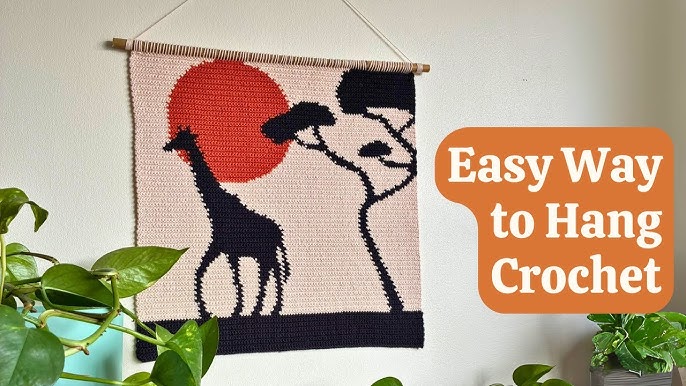
Are you ready to transform your space with a beautiful wall hanging tapestry? Hanging a tapestry might seem simple, but doing it right can make all the difference in how your room feels.
Whether you want to add color, texture, or a personal touch, knowing the best way to hang your tapestry will help it look stunning and stay secure. In this guide, you’ll discover easy steps and insider tips that anyone can follow.
Keep reading, and you’ll learn how to turn your blank wall into a captivating focal point in no time!

Credit: schachtspindle.com
Choosing The Right Tapestry
Choosing the right tapestry sets the foundation for how your space will feel and look. It’s more than just picking a pretty design; it’s about matching your tapestry to your room’s vibe, size, and wall type. This section helps you focus on key factors to make the best choice for your home.
Material And Size
The material of your tapestry impacts both its look and how easy it is to hang. Cotton tapestries are lightweight and easy to handle, while heavier fabrics like wool or woven blends add texture and durability.
Size matters just as much. A small tapestry on a large wall might look lost, while a huge one in a tiny room can feel overwhelming. Measure your wall space carefully before you shop, and think about whether you want the tapestry to be a focal point or a subtle accent.
Design And Color Considerations
Think about the mood you want to create. Bold, bright patterns can energize a room, while soft, muted tones promote calmness. Ask yourself how the tapestry’s colors will work with your existing furniture and decor.
Patterns also play a role. Geometric shapes add modern flair, nature-inspired designs bring warmth, and abstract art sparks curiosity. Choose a design that speaks to your personality and complements your space rather than clashes with it.
Placement And Wall Type
Not all walls are created equal, and neither are the tapestries that hang on them. Consider the wall’s texture and material—drywall, brick, or plaster will all require different hanging methods and supports.
Think about where the tapestry will go. Above your bed? Behind the sofa? Near a window? Each spot changes how the tapestry interacts with light and furniture. Will it be exposed to direct sunlight that could fade colors? Will it hang near a heat source that might affect the fabric?
Gathering Your Tools
Preparing to hang a tapestry means getting the right tools first. This makes the process smoother and protects your walls and fabric. Having everything ready saves time and avoids frustration. Here is what you need to gather before you start.
Essential Hanging Supplies
- Measuring tape – for accurate placement on the wall
- Level – to keep the tapestry straight
- Hammer or drill – depending on your wall type
- Wall hooks, nails, or screws – to hold the tapestry securely
- Command strips – a damage-free option for lighter tapestries
- Pencil – to mark the spots on the wall
Optional Decorative Hardware
- Wooden dowel or curtain rod – for a classic hanging look
- Decorative rods with finials – adds style to your display
- Rope or twine – for a rustic, casual feel
- Clip rings – easy to attach and remove the tapestry
- Fabric sleeves sewn on the tapestry – to slide rods through
Preparing The Wall
Choose a smooth, clean wall free of dust and dirt for the tapestry. Use a level to mark where the hanging will go, ensuring it stays straight. Check the wall type to select the right hooks or nails for secure support.
Preparing the wall is a crucial step before hanging a tapestry. A clean and well-prepared wall ensures a secure and level display. Follow these steps to get your wall ready for a tapestry.Cleaning And Marking
Start by cleaning the wall surface. Use a damp cloth to wipe away dust and dirt. Ensure the wall is dry before proceeding. A clean surface helps the tapestry hang smoothly without wrinkles. Next, mark the wall where you want the tapestry. Use a pencil for light marks that are easy to erase. Mark the top corners of the tapestry’s position. This will guide you in the next steps.Measuring For Centering
Measure the width of the wall space. Find the center point by dividing the width by two. Mark this center point on the wall lightly with a pencil. Now, measure the width of the tapestry. Divide this measurement by two. Subtract this number from the wall’s center point. This calculation helps you determine where the tapestry should start. Align your previous corner marks with these measurements. This ensures the tapestry hangs centered and looks balanced.Hanging Methods
Hanging a tapestry on your wall can change the entire look of a room. Choosing the right hanging method helps protect your wall and tapestry. Some ways are simple and leave no marks. Others offer a classic or decorative look. Pick the best option for your space and tapestry size.
Using Nails And Hooks
Nails and hooks provide strong support for heavy tapestries. Use small nails or picture hooks to avoid big holes. Place nails evenly across the top edge for balance. This method suits thick or large tapestries that need firm hold. It may leave small holes in the wall but holds the tapestry securely.
Using Adhesive Strips
Adhesive strips are ideal for renters or smooth walls. These strips stick to the wall and hold light tapestries well. They remove cleanly without damaging paint or drywall. Choose strips rated for the tapestry’s weight. This method is quick and easy but best for smaller or lighter fabric.
Using A Rod Or Dowel
A rod or dowel adds style and helps hang tapestries evenly. Slide the top edge of the tapestry over the rod or use clips. Hang the rod on brackets or hooks fixed to the wall. This method works well for wide tapestries and gives a neat look. It also allows easy removal and repositioning.
Adjusting And Securing
Adjusting and securing your wall hanging tapestry is essential for a clean, polished look. It makes the tapestry look neat and keeps it in place for a long time. Small tweaks can improve its appearance and prevent damage. Focus on smoothing wrinkles first, then tightening and leveling the tapestry.
Smoothing Wrinkles
Wrinkles can distract from the tapestry’s design. Use your hands to gently pull and smooth the fabric. Start from the center and work outward to avoid stretching the material. A fabric steamer or iron on low heat can help remove stubborn creases. Always test a small area first to avoid damage. Avoid harsh pulling to keep the tapestry intact.
Tightening And Leveling
Secure the tapestry firmly to prevent sagging. Check that the top edge is straight and even. Adjust hooks, nails, or rods to balance the weight. Use a level tool to ensure perfect alignment. If needed, add extra support at the bottom corners. This keeps the tapestry flat against the wall and enhances its visual appeal.

Credit: www.picturehangsolutions.com
Maintaining Your Tapestry
Maintaining your tapestry is key to preserving its beauty and extending its life. Proper care keeps the fabric vibrant and prevents damage that could ruin your cherished wall hanging. Let’s look at some practical ways to keep your tapestry looking fresh and stunning for years.
Cleaning Tips
Dust your tapestry regularly using a soft brush or a vacuum with a brush attachment. This prevents dirt buildup and keeps the fibers healthy.
If you need to wash it, always check the care label first. Most tapestries prefer gentle hand washing in cold water with mild detergent.
Never wring or twist the fabric. Instead, press out water gently and lay it flat to dry away from direct heat sources.
Avoiding Sun Damage
Sunlight can quickly fade the colors and weaken the fibers of your tapestry. Think about placing it where it won’t get direct sunlight for long periods.
If your wall space is sunny, consider using UV-protective window films or curtains to reduce exposure.
Have you noticed how some colors fade unevenly over time? That’s a clear sign your tapestry is getting too much sun. Adjusting its position can make a big difference.

Credit: aboderie.co.uk
Frequently Asked Questions
How Do I Choose The Right Spot For My Tapestry?
Select a wall with enough space and good lighting. Avoid direct sunlight to prevent fading. Ensure the spot complements room decor and is easily visible.
What Tools Are Needed To Hang A Wall Tapestry?
You need nails, hooks, a hammer, or adhesive strips. A measuring tape and level help ensure straight placement. Choose tools based on wall type and tapestry weight.
Can I Hang A Tapestry Without Damaging The Wall?
Yes, use removable adhesive hooks or strips. They hold light to medium tapestries securely. Avoid nails or screws if you want to prevent holes or marks.
How Do I Keep My Tapestry Wrinkle-free On The Wall?
Iron or steam the tapestry before hanging. Use clips or a rod to keep it taut. Avoid folding or bunching to maintain a smooth appearance.
Conclusion
Hanging a tapestry on your wall can brighten any room. Choose the right spot and tools for the best fit. Take your time to hang it straight and secure. This simple step can change your space’s look instantly. Enjoy the new style and cozy feel it brings.
Keep your tapestry clean and well cared for. Now, your wall tells a story with fabric art. Try different styles and find what suits you best.



