
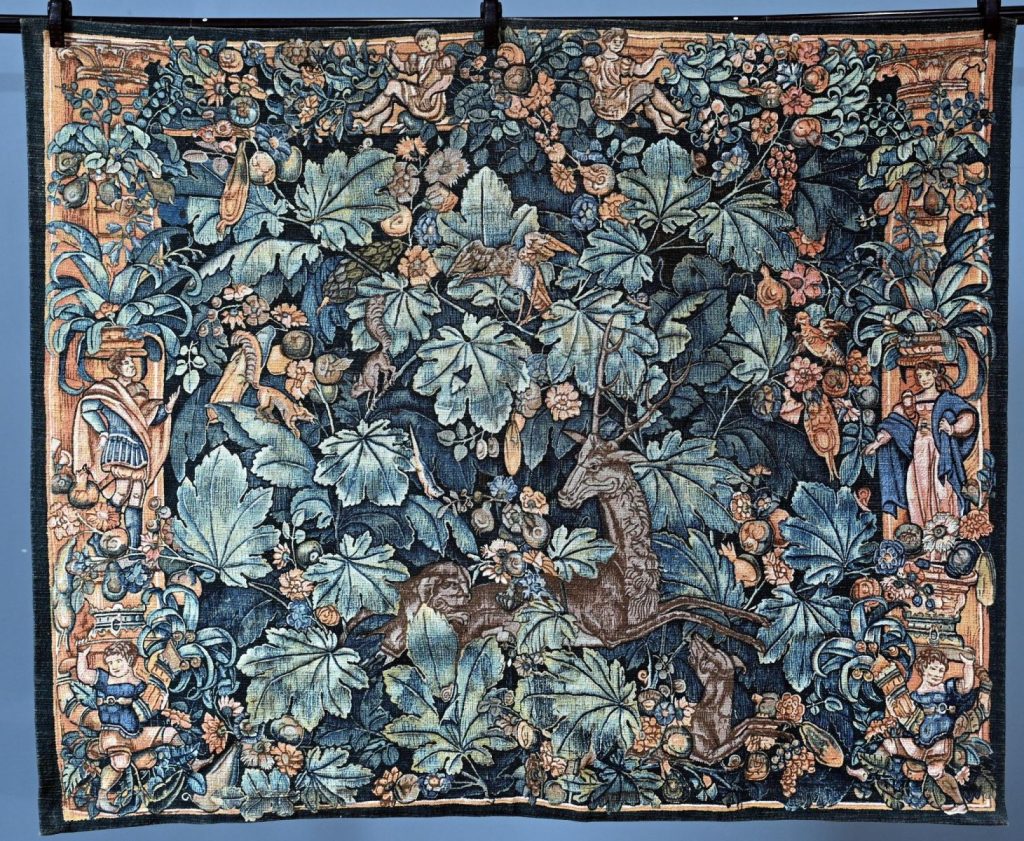
Have you ever stopped to wonder what a tapestry is really made of? You might think it’s just fabric, but there’s so much more behind those beautiful, detailed designs.
Understanding what goes into making a tapestry can change the way you see these stunning pieces of art. Whether you’re curious about decorating your space or simply love learning about crafts, this article will reveal the materials and techniques that bring tapestries to life.
Keep reading—you’ll discover secrets that make tapestries truly special.

Credit: en.wikipedia.org
Materials Used In Tapestries
Tapestries are rich works of art made from various materials. The choice of materials shapes their look and feel. Different fibers bring unique textures and durability. Understanding what tapestries are made of helps appreciate their beauty and craftsmanship.
Natural Fibers
Natural fibers are the oldest materials used in tapestries. Wool is common because it is soft and strong. Cotton offers smoothness and breathability. Silk adds a shiny, luxurious finish. Linen, made from flax, is tough and has a fine texture. These fibers come from plants or animals.
Synthetic Fibers
Synthetic fibers come from chemical processes. Acrylic and polyester are popular choices. They are durable and resist fading. These fibers are often cheaper than natural ones. Synthetics can mimic the look of natural fibers. They are easy to clean and maintain.
Blended Textiles
Blended textiles mix natural and synthetic fibers. This mix combines the best qualities of both. Blends improve strength and flexibility. They keep the softness of natural fibers. Blended materials make tapestries last longer. Many modern tapestries use these textiles.
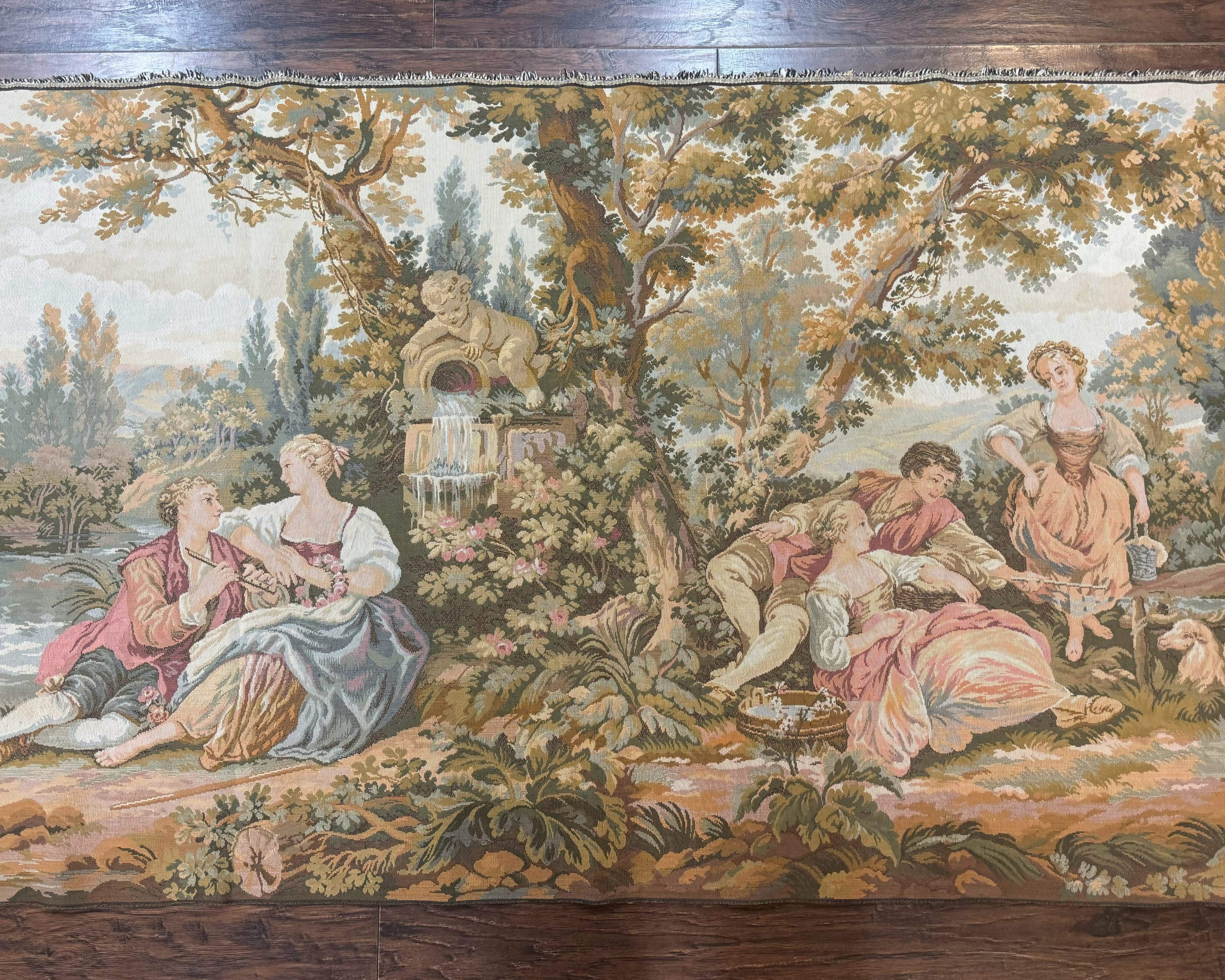
Credit: jewelrugs.com
Common Weaving Techniques
Understanding common weaving techniques gives you a clearer picture of what makes a tapestry unique. These techniques are the foundation of how threads come together to create intricate designs and durable fabric. Knowing these can deepen your appreciation for the skill behind every tapestry you see or touch.
Warp And Weft Basics
The warp consists of strong, vertical threads stretched tightly on a loom. The weft threads are woven horizontally over and under the warp threads. This simple over-under pattern forms the basic fabric structure of any tapestry.
Think about how this basic setup affects the final look. Changing the color or thickness of either warp or weft can dramatically alter the texture and style. Have you noticed how some tapestries feel more textured than others? That’s often because of how the weft is manipulated.
Tapestry Weave
Tapestry weave is a handwoven technique where the weft threads are packed tightly to completely cover the warp. Unlike regular weaving, the weft in tapestry weaving doesn’t run from edge to edge. Instead, it follows the design’s shape, often changing colors to create detailed images.
This method allows for incredible detail and color blending. Ever admired a tapestry’s vivid scene or pattern? It’s the result of this careful, section-by-section weaving. You can almost see the artist’s hand in every thread.
Embroidery Enhancements
Sometimes, tapestry makers add embroidery after weaving to highlight details or add texture. This involves stitching onto the woven fabric to bring out shapes or create raised patterns. It’s a way to add personal touches and extra depth.
Adding embroidery can turn a simple tapestry into a one-of-a-kind artwork. Have you ever felt the difference between a flat tapestry and one with raised stitches? That tactile variation can make your tapestry much more engaging and alive.
Dyes And Color Sources
Creating a tapestry involves a blend of artistry and technique. Colors play a pivotal role in bringing a tapestry to life. Dyes transform simple threads into vibrant works of art. Understanding the sources of these colors is essential. Let’s explore the fascinating world of tapestry dyes.
Natural Dyes
Natural dyes come from plants, insects, and minerals. They have been used for centuries. Plants like indigo and madder offer rich hues. Insects such as cochineal provide deep reds. These dyes are eco-friendly and sustainable. They connect us to ancient traditions and nature.
Synthetic Dyes
Synthetic dyes are man-made. They offer a wide range of colors. These dyes emerged in the 19th century. They are affordable and easy to use. Many modern tapestries use synthetic dyes. They ensure consistent results and vibrant colors.
Colorfastness And Fading
Colorfastness is crucial in tapestries. It determines how well colors stay bright. Natural dyes can fade over time. They require careful handling and protection. Synthetic dyes often offer better colorfastness. They resist fading and maintain vibrancy. Proper care ensures a tapestry lasts for generations.
Historical Tapestry Materials
Understanding what historical tapestries were made of gives you a window into the culture and technology of the past. The materials chosen were often a blend of what was available locally and what traders brought from afar. These choices affected not just the look, but also the durability and value of the tapestry.
Medieval Europe
In Medieval Europe, wool was the most common material used for tapestries. Wool’s natural strength and ease of dyeing made it ideal for creating large, colorful scenes that could decorate castle walls.
Linen often served as the base fabric, providing a sturdy foundation for weaving. Sometimes, silk threads were added to enhance details and add a touch of luxury, especially in tapestries made for royalty.
Gold and silver threads appeared occasionally, highlighting important elements and showing wealth. Do you ever wonder how these precious metals were worked into fabric without tarnishing over time?
Asian Influences
Asian tapestries used different materials like silk and cotton, reflecting the region’s textile expertise. Silk’s smooth texture and vibrant colors allowed for intricate designs that told stories or conveyed spiritual meanings.
Natural dyes from plants, minerals, and insects gave Asian tapestries their distinctive hues. You might be surprised how some colors, like indigo or cochineal red, were highly prized and traded across continents.
These tapestries often combined practical use with artistic expression, sometimes doubling as wall hangings or ceremonial garments.
Modern Adaptations
Today, tapestry materials have expanded to include synthetic fibers like nylon and polyester. These offer greater durability and resistance to fading, which is useful for tapestries displayed in homes or public spaces.
Artists now mix traditional fibers with modern ones to create unique textures and effects. Have you noticed how some contemporary tapestries blend old techniques with new materials, creating something unexpected yet familiar?
The choice of material now often depends on the intended use, budget, and artistic vision rather than just availability.
Care And Preservation
Taking care of a tapestry means more than just occasional dusting. These woven artworks are delicate and require thoughtful preservation to keep their colors vibrant and fibers strong. Understanding the right care methods helps you protect your tapestry’s beauty for years to come.
Cleaning Techniques
Cleaning a tapestry demands gentle attention. Avoid harsh chemicals that can damage the fibers or fade colors. Instead, use a soft brush or vacuum with a low suction setting to remove dust.
If stains appear, spot clean with a mild detergent mixed in water, testing a small hidden area first. Never soak the entire tapestry, as this can weaken the fabric and cause distortion.
Storage Tips
Proper storage prevents damage caused by light, moisture, and pests. Roll your tapestry around a tube covered in acid-free paper to avoid creases and stress on the fabric. Avoid folding, as folds can create permanent lines.
Store in a cool, dry place with minimal exposure to sunlight. If you hang your tapestry, use a rod with a sleeve sewn onto the back to evenly distribute weight and reduce strain.
Repair Methods
Small tears or loose threads shouldn’t be ignored, as they can worsen over time. Use a fine needle and matching thread to carefully mend minor damage. If you’re unsure, consult a professional textile conservator to avoid accidental harm.
Regularly inspect your tapestry for signs of wear or insect damage. Early repairs save you from costly restorations later and maintain the tapestry’s original charm.

Credit: www.amazon.ca
Frequently Asked Questions
What Materials Are Commonly Used To Make A Tapestry?
Tapestries are primarily made from wool, cotton, silk, or linen. These fibers provide durability and vibrant colors. Wool is popular for its warmth and texture, while silk adds shine. Cotton and linen offer strength and smoothness. The choice depends on the tapestry’s design and purpose.
How Are Tapestry Threads Dyed For Vibrant Colors?
Threads are dyed using natural or synthetic dyes. Natural dyes come from plants, insects, or minerals, producing earthy tones. Synthetic dyes offer a broader color range and consistency. The dyeing process ensures threads hold color well, enhancing the tapestry’s overall appearance and longevity.
What Weaving Techniques Are Used In Tapestry Making?
Tapestries are woven using handloom or frame loom techniques. The weaver interlaces warp and weft threads to create patterns. Techniques like plain weave, twill, or soumak add texture. Skilled artisans control thread tension and color placement to form detailed images or abstract designs.
Can Tapestries Be Made From Modern Synthetic Fibers?
Yes, modern tapestries may include synthetic fibers like acrylic or polyester. These fibers mimic natural materials and offer added durability and colorfastness. However, traditional tapestries usually favor natural fibers for their texture and historical authenticity. Synthetic blends allow for innovative designs and easier maintenance.
Conclusion
Tapestries are made of threads woven tightly together. They use materials like wool, silk, or cotton. Each thread adds color and texture to the design. Craftspeople create patterns by carefully stitching these threads. This art form shows history, culture, and stories.
Tapestries bring warmth and beauty to any space. Understanding what they are made of helps us appreciate them more. They remain a unique and timeless form of art.



