
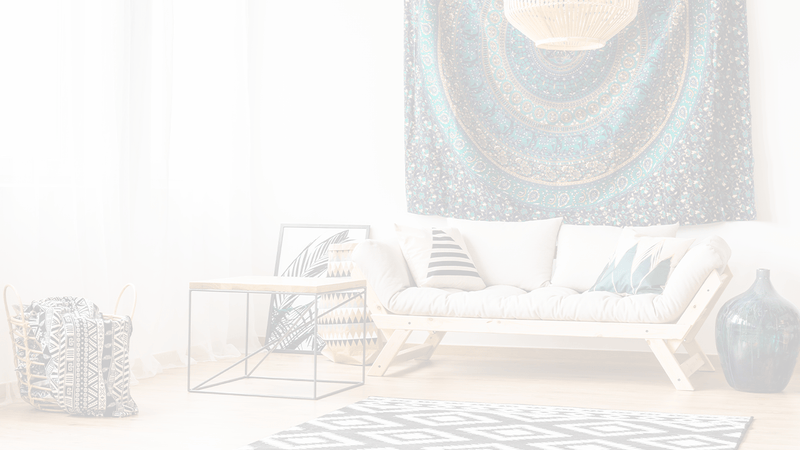
Are you ready to transform your living space with a stunning tapestry but unsure how to hang it just right? Hanging a tapestry on your wall can instantly add color, texture, and personality to any room.
But if it’s not done correctly, it can look messy or even damage your walls. Don’t worry—you’re about to discover simple, effective ways to hang your tapestry so it looks perfect every time. Keep reading, and you’ll learn easy tricks that make your wall art stand out beautifully without any hassle.
Choosing The Right Tapestry
Choosing the right tapestry sets the tone for your room. It affects the vibe, style, and feel instantly. Picking a tapestry that fits your space and taste matters a lot. Consider your room size and wall space before selecting a piece.
Selecting Size And Style
Measure your wall space carefully. A tapestry too small can look lost. Too large might overwhelm the room. Choose a size that balances well with furniture and other decor.
Style shapes the room’s mood. Bohemian, modern, vintage, or abstract—pick what suits your personality. Colors should match or complement your existing palette. Patterns add texture and interest. Think about the feeling you want the room to have.
Considering Fabric And Weight
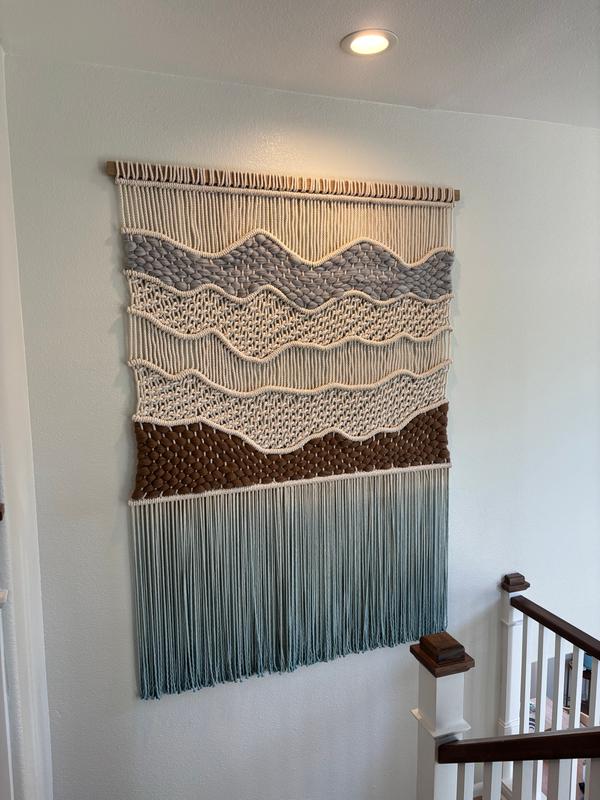
Fabric affects how the tapestry hangs and lasts. Lightweight fabrics like cotton or polyester are easy to hang and move. Heavier fabrics, such as wool or thick woven materials, need stronger support.
Check the weight to decide the hanging method. Thin fabrics work with simple nails or clips. Thick ones may require rods or hooks. Fabric also impacts how well the tapestry holds color and resists wrinkles.
Credit: teddyandwool.com
Preparing Your Wall
Preparing your wall is a key step before hanging a tapestry. It helps ensure the tapestry stays secure and looks great. Taking time to prepare prevents damage to your wall and your art piece. Here is how to get started.
Cleaning And Measuring Space
Clean the wall with a damp cloth to remove dust and dirt. A clean surface helps tapestries stick better if using adhesive hooks. Measure the wall space carefully where you want the tapestry. Use a tape measure for accurate width and height. Mark the spots lightly with a pencil for hanging points. Proper measurements prevent uneven hanging and wasted effort.
Identifying Wall Material
Check what type of wall you have before hanging. Common walls include drywall, brick, plaster, and wood. Each material needs different tools and hooks for hanging. Drywall may require anchors to hold weight safely. Brick or plaster might need drilling and special hooks. Wooden walls are easier and can take nails or screws directly. Knowing your wall type keeps your tapestry secure and avoids damage.
Tools And Materials Needed
Essential tools include a tape measure, level, and hammer. Materials like nails, hooks, or adhesive strips help secure the tapestry to the wall. Choose items based on your wall type and tapestry weight.
Hanging a tapestry on your wall can transform your space, adding color, texture, and personality. However, to ensure it stays put and looks amazing, you’ll need the right tools and materials. Here, we’ll explore what you absolutely need and what you might want to consider adding for a touch of creativity.Essential Hanging Supplies
To start, gather your essential supplies. A measuring tape is crucial for determining the exact placement of your tapestry. Use a level to keep everything straight—crooked tapestries can be frustrating to adjust once they’re up. You’ll also need a reliable method to hang the tapestry. Command strips are an excellent non-damaging option for lighter tapestries. For heavier fabrics, consider using nails or a tapestry rod with brackets. Wall anchors can provide extra support if you’re worried about weight. Don’t forget a pencil for marking your wall. Light marks can guide you during the process and easily erase afterward.Optional Decorative Elements
Once you’ve got the basics, consider adding decorative elements to elevate the look. Decorative nails or push pins can add a stylish touch and come in various colors and designs. They can make your tapestry stand out like a piece of art. If you want to create a bohemian vibe, consider using wooden or metal dowels. These can be attached to the top of the tapestry, allowing it to hang more freely. You can even wrap fairy lights around the dowel for an enchanting glow. Ever thought about layering? Try adding a second smaller tapestry or fabric piece underneath the main one. This layering effect can introduce depth and interest, making your wall a unique focal point. What creative ideas will you bring to your tapestry display?Hanging Methods
Choosing the right hanging method ensures your tapestry stays secure and looks great. Each method suits different wall types and tapestry weights. Some options cause no damage, while others need small holes. Pick one that fits your space and tapestry size.
Using Nails And Hooks
Nails and hooks work well for heavy tapestries. They hold the fabric firmly against the wall. Use small nails or picture hooks to avoid large holes. Place hooks at the top corners for even support. This method suits drywall and wooden surfaces.
Applying Adhesive Strips
Adhesive strips offer a damage-free way to hang tapestries. They stick to smooth, clean walls without nails. Choose strong strips designed for fabric weight. Press the tapestry firmly to the wall and hold for a few seconds. Remove strips carefully to avoid paint peeling.
Installing A Rod Or Dowel
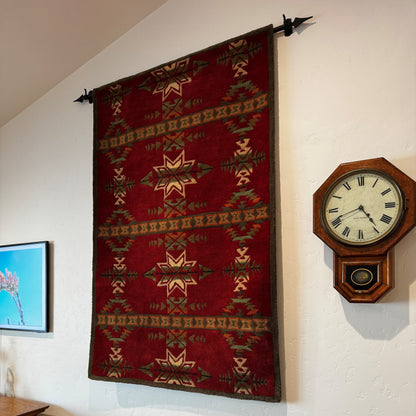
A rod or dowel gives a polished look to tapestries. Slide the top edge of the fabric over the rod. Attach the rod to the wall with brackets or hooks. This method allows easy removal and repositioning. Best for lightweight to medium tapestries.
Employing Clips Or Pins
Clips or pins offer flexible and simple hanging solutions. Use curtain clips or binder clips to hold the tapestry. Pin the clips to the wall using small nails or push pins. This method works best for light tapestries and temporary displays.
Step-by-step Hanging Process
Hanging a tapestry on your wall can instantly transform a space, but the process requires more than just nailing it up. Careful preparation and attention to detail will ensure your tapestry looks great and stays secure. Let’s walk through the steps to help you get your tapestry perfectly placed and evenly hung.
Marking Placement
Start by deciding where you want your tapestry to hang. Take a moment to stand back and imagine how it will fit within your room’s layout.
Use a pencil to lightly mark the top corners on the wall. If your tapestry is large, measure the width and height, then find the center point on the wall for balance.
Consider the height too—hanging it too high or too low can throw off the room’s feel. Are you aiming for eye-level or a more dramatic, elevated look?
Mounting The Tapestry
Choose the right hardware based on your wall type and the tapestry’s weight. For drywall, adhesive hooks or nails might work; for brick or concrete, use anchors and screws.
If your tapestry has a rod pocket, slide a curtain rod through and mount the rod brackets on the wall. Otherwise, clip rings or push pins can be effective and less damaging.
Don’t rush this part. Secure mounting means your tapestry won’t slip or sag over time. Have you checked that your chosen hardware can support the fabric’s weight?
Adjusting For Evenness
Once mounted, step back and inspect the tapestry from different angles. Use a level to check if the top edge is straight. Small adjustments can make a big difference.
If you notice any sagging, gently tighten or reposition the mounting points. Sometimes adding a second support point in the middle helps spread the weight evenly.
Remember, uneven hanging can distract from the tapestry’s design. How does your wall art look—balanced and intentional or a bit off-kilter?
Credit: www.etsy.com
Maintaining And Caring For Your Tapestry
Keeping your tapestry looking fresh and vibrant requires more than just hanging it properly. Caring for it regularly extends its life and preserves the colors and fabric quality. How you clean and protect your tapestry can make all the difference in maintaining its beauty for years to come.
Cleaning Tips
Dust and dirt can dull your tapestry’s colors over time. Use a vacuum with a brush attachment on low suction to gently remove dust without pulling the fibers. If your tapestry is washable, spot clean stains immediately with a mild detergent and cold water.
For a deeper clean, check the care label first. Some tapestries can be hand washed or dry cleaned, but avoid harsh chemicals that can fade colors. If you decide to wash it, air dry flat away from direct sunlight to prevent shrinking or color loss.
Preventing Damage
Direct sunlight can fade your tapestry quickly. Rotate it occasionally if it hangs near a sunny window to spread out the exposure. Consider using UV-protective window films or curtains to shield your wall art.
Also, avoid hanging tapestries in areas with high humidity or near heat sources. Moisture can cause mold, and heat can weaken fibers. Using proper hanging hardware like wooden dowels or tapestry rods reduces stress on the fabric and prevents stretching or tearing.
Have you noticed any spots on your tapestry that look worn or fragile? Address them promptly by reinforcing weak areas with gentle stitching or consulting a professional textile conservator. Your tapestry’s condition reflects how well you care for it daily.
Creative Display Ideas
Creative display ideas can transform your tapestry from a simple wall hanging into a stunning focal point. Playing with different arrangements and elements around your tapestry can add depth and personality to your space. Are you ready to make your walls speak volumes with style and creativity?
Layering Tapestries
Layering tapestries creates a rich, textured look that draws the eye. Start by hanging a large tapestry as the base, then add smaller ones in front or slightly overlapping. This technique works well in living rooms or bedrooms where you want to create a cozy, artistic vibe.
Try mixing patterns and colors that complement each other. For example, a neutral-toned tapestry behind a vibrant, patterned one can balance the visual weight. You can also layer tapestries with different materials, like combining a woven piece with a printed fabric, to add an interesting tactile contrast.
Combining With Other Wall Art
Don’t limit your tapestry to standing alone. Pair it with framed photos, mirrors, or even wall shelves to build a dynamic gallery wall. This approach helps tie your decor together and makes your tapestry part of a bigger story.
Arrange your tapestry as the centerpiece and surround it with smaller artworks or objects that reflect your style. Think about placing plants or decorative hooks nearby to add dimension and functionality. Could your tapestry be the background for your favorite photos or collectibles?
Using Lighting For Effect
Lighting can dramatically change how your tapestry looks. Use spotlights or string lights to highlight its colors and patterns, creating a warm and inviting atmosphere. Adjustable lamps give you control over shadows and focus, making your tapestry pop.
Consider placing LED strip lights behind the tapestry for a soft backlight effect. This subtle glow can add depth without overwhelming your room. Have you experimented with different lighting angles to see how they alter your tapestry’s appearance?
Credit: ironhardware.com
Frequently Asked Questions
What Tools Are Needed To Hang A Tapestry On The Wall?
You need nails, push pins, or adhesive hooks depending on your wall type. A measuring tape and level help ensure straight placement. Optional tools include a rod or curtain clips for hanging.
How Do I Prevent Damage To Walls When Hanging Tapestries?
Use removable adhesive hooks or command strips to avoid holes. If nails are necessary, choose small ones and avoid drywall anchors. Always test adhesives on a small area first.
What Is The Best Method To Hang A Large Tapestry?
For large tapestries, use a wooden dowel or curtain rod. Attach the tapestry with clips or sew a rod pocket. This method distributes weight evenly and keeps the fabric flat.
Can I Hang A Tapestry Without Making Holes In Walls?
Yes, use removable adhesive hooks or velcro strips designed for wall hanging. These options hold lightweight tapestries securely and won’t damage paint or drywall.
Conclusion
Hanging a tapestry on your wall is simple and fun. Choose the right method for your space and tapestry size. Use nails, hooks, or rods to keep it secure. Make sure the tapestry hangs flat and straight. This adds color and style to any room.
Try different ways until you find what looks best. Enjoy your new wall art every day.



