
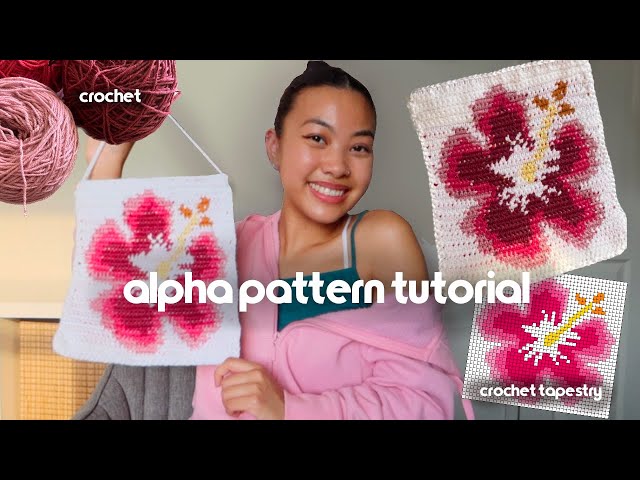
Are you ready to create your own beautiful tapestry crochet pattern? Imagine turning simple yarn into colorful, eye-catching designs that everyone will admire.
Whether you want to make a cozy wall hanging, a unique bag, or a fun pillow cover, knowing how to make a tapestry crochet pattern is the key. In this guide, you’ll discover easy steps and insider tips that will help you bring your creative ideas to life.
Keep reading, and soon you’ll be crafting stunning pieces that showcase your personal style.
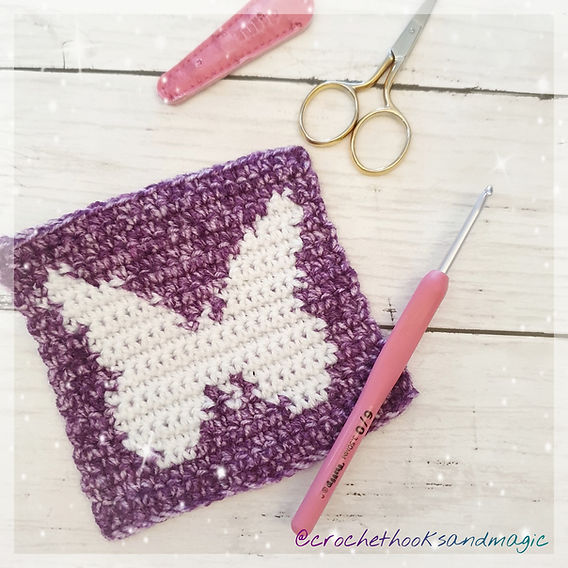
Credit: www.crochethooksandmagic.com
Choosing Yarn And Hook
Choosing the right yarn and hook is crucial for tapestry crochet success. These tools shape your project’s texture and appearance. Picking the correct materials ensures your pattern shows clearly and your work feels comfortable.
Selecting Yarn Colors
Choose yarn colors that contrast well. Strong contrast makes the design stand out. Use solid colors instead of variegated yarn for clear patterns.
Consider the yarn’s fiber type. Cotton yarn holds shape well and shows stitches clearly. Acrylic yarn offers many color choices and is budget-friendly.
Pick yarns with similar weight and texture. This keeps your fabric even and neat. Mixing very different yarns can cause uneven tension and holes.
Picking The Right Hook Size
Use a hook size suitable for your yarn weight. Check the yarn label for recommended hook size. Slightly smaller hooks create tighter stitches, perfect for tapestry work.
A tighter stitch prevents gaps where colors change. It also supports the dense texture tapestry crochet needs. Test different hook sizes to find the best tension and look.
Remember, a comfortable grip helps you crochet longer without strain. Choose a hook with a handle that feels good in your hand.
Basic Tapestry Crochet Stitches
Mastering the basic tapestry crochet stitches is essential to create bold, colorful patterns with clean lines. These stitches form the foundation of your work, allowing you to switch colors seamlessly while maintaining consistent tension. Understanding how to execute each stitch correctly will save you frustration and give your tapestry projects a professional look.
Single Crochet Technique
The single crochet stitch is the backbone of tapestry crochet. It creates a tight, dense fabric that shows off your color changes beautifully.
To keep your stitches uniform, insert your hook into the next stitch, yarn over, and pull up a loop—just like regular single crochet. But here’s the twist: you carry the unused yarn color along and crochet over it, which traps the color inside your stitches.
Have you noticed how tight your stitches become when you’re new to tapestry crochet? That’s normal. Relax your hands and keep the yarn tension even to avoid puckering.
Carrying Yarn Along
Carrying the yarn means holding the unused colors inside your stitches instead of cutting them after each color change. This technique keeps your work neat and prevents a tangled mess.
Hold the unused yarn strands loosely along the top of your stitches and crochet over them with the working yarn. This traps them inside without making the fabric stiff or bulky.
- Keep the carried yarn loose enough to prevent puckering.
- Use your fingers to guide and control tension as you work.
- Don’t carry too many colors at once to avoid thick spots.
Do you find it tricky to balance tension while carrying yarn? Try practicing on small swatches to build muscle memory before starting your main project.
Creating A Simple Pattern
Start by choosing basic shapes or simple color blocks for your tapestry crochet design. Use easy stitches and change yarn colors carefully to create clear patterns. Keep the pattern small and repeat it for best results.
Creating a tapestry crochet pattern can be a rewarding experience. Start with a simple design to build confidence. A simple pattern allows for creativity without overwhelming details. Begin by selecting basic shapes and motifs that catch the eye. This approach makes the design process enjoyable and manageable.Designing Your Motif
Choose a motif that fits your theme. Simple shapes like hearts or stars work well. Draw your motif on graph paper. Use bold lines for clarity. Keep the design small for easy repetition. Ensure the motif looks good when repeated.Charting The Pattern
Transfer your motif to a crochet chart. Use graph paper or digital tools for accuracy. Each square represents a stitch. Mark color changes clearly. This helps during crochet work. Use contrasting colors for better visibility. Check the chart for errors before starting.Starting Your Project
Starting a tapestry crochet project sets the tone for your entire work. A strong beginning helps keep your stitches even and your pattern clear. Pay close attention to your foundation chain and the first rows. These steps build the base and make your design stand out. Taking time here ensures your project looks great and lasts long.
Foundation Chain Tips
The foundation chain is the first step of your tapestry crochet. Keep these points in mind:
- Choose a smooth yarn to avoid snagging.
- Make the chain slightly loose for easy stitching in later rows.
- Count stitches carefully to match your pattern width.
- Use a stitch marker to mark the last chain for easier tracking.
A well-made foundation chain supports your entire project. It keeps your edges straight and your pattern balanced.
First Rows Setup
The first rows shape your tapestry’s look and feel. Start slow and steady:
- Work each stitch with consistent tension.
- Use the tapestry technique to carry unused colors along the row.
- Check your pattern often to avoid mistakes early.
- Count stitches at the end of each row to stay on track.
- Turn your work carefully to keep edges neat.
These early rows form the base for your tapestry design. Patience here leads to a polished final piece.
Changing Colors Smoothly
Changing colors smoothly is key to a neat tapestry crochet pattern. Sharp color changes add visual interest and keep your design clean. Learning to switch yarns without bulky knots improves your work’s feel and look. This section covers simple ways to shift colors and keep strands tidy.
Color Transition Methods
To change colors smoothly, stop just before the last yarn over of the stitch. Pull the new color through to finish the stitch. Carry the unused yarn along the top of previous stitches. Crochet over it to secure and hide the strand.
You can also twist the old and new yarns together at the color change point. This helps avoid holes in the fabric. Keep tension even to prevent puckering or loose stitches. Switching colors at the end of a row keeps transitions clean.
- Stop before last yarn over
- Pull new color through
- Carry unused yarn along stitches
- Twist yarns at color change
- Maintain even tension
Avoiding Loose Strands
Loose strands can make tapestry crochet look messy. To prevent this, keep yarn strands tight but not stretched. Crochet over the carried yarn to lock it in place. If a strand is too long, twist or wrap it to avoid tangling.
Check your work often. Stop and fix any loose loops before continuing. Use a yarn needle to weave in ends securely after finishing. This keeps your tapestry sturdy and clean.
Maintaining Tension And Shape
Maintaining tension and shape is key to a beautiful tapestry crochet project. Uneven tension can cause your work to pucker or become loose. Keeping the right tension helps the pattern stay clear and the fabric firm. Shape also matters for the final look and fit of your piece. Proper techniques ensure your tapestry holds its form and looks professional.
Consistent Stitch Tension
Hold your yarn firmly but not too tight. Too tight stitches make the fabric stiff and hard to work with. Too loose stitches create gaps and distort the pattern. Try to keep your hand movements steady and even throughout the project. You can practice on small swatches to find the right tension. Using the same hook size helps keep stitch size consistent. Check your work often to catch tension changes early.
Shaping Techniques
Change stitch count carefully to shape your tapestry. Use increases and decreases to curve or angle the edges smoothly. Plan shaping points ahead in your pattern to avoid surprises. Carry unused colors close to avoid loose loops inside the fabric. Pin or block your finished piece to set the shape. Blocking helps even out stitches and improve the overall look. These techniques keep your tapestry neat and well-formed.
Finishing Touches
Finishing touches can make or break your tapestry crochet project. They bring everything together and give your work a polished, professional look. Taking time here shows your care and dedication to the craft.
Weaving In Ends
Weaving in ends is more than just hiding loose threads. It keeps your tapestry secure and prevents unraveling over time.
Use a yarn needle to carefully thread the tail through several stitches. Change directions to lock the yarn in place. This technique strengthens your work and keeps the back neat.
Have you noticed how messy ends can distract from your beautiful pattern? Proper weaving makes your project look clean and tidy, almost like it’s ready for display.
Blocking Your Work
Blocking shapes your tapestry and evens out stitches for a smooth finish. It’s especially helpful if your project looks a bit uneven or puckered.
Start by gently dampening your piece with water or steam. Pin it to your desired shape on a flat surface, then let it dry completely.
This simple step can transform the texture and appearance of your crochet. Why settle for a wrinkled look when a bit of blocking can add such polish?

Credit: offthebeatenhook.com
Troubleshooting Common Issues
Tapestry crochet can be tricky at times. Small errors or color problems can affect your final design. Troubleshooting common issues helps keep your work neat and beautiful. Knowing how to fix mistakes and avoid color bleeding saves time and frustration.
Fixing Mistakes
Spotting mistakes early makes fixing easier. If you miss a stitch, gently pull out the yarn to the error point. Use a crochet hook to unravel one stitch at a time. Avoid pulling too hard to prevent yarn damage.
Correcting color changes is important. If the wrong color appears, carefully remove the row with the error. Reinsert your hook and redo the stitches with the correct colors. Use stitch markers to track color switches and avoid confusion.
Preventing Color Bleeding
Color bleeding happens when yarn colors mix or run. Use high-quality, colorfast yarn to reduce bleeding risk. Test yarn colors by wetting a small piece and pressing it on white cloth. If colors transfer, choose a different yarn.
Wash finished tapestry crochet items in cold water only. Avoid soaking or harsh detergents. Dry flat away from direct sunlight to keep colors bright. These simple steps protect your crochet piece from unwanted color mixing.

Credit: www3.rcherz.com
Frequently Asked Questions
What Materials Are Needed For Tapestry Crochet?
You need yarn in multiple colors, a suitable crochet hook, stitch markers, and a tapestry crochet pattern. Choose yarns with similar weights for even tension. A yarn needle helps with weaving in ends. These materials ensure a smooth tapestry crochet process.
How Do I Change Colors In Tapestry Crochet?
To change colors, work the last yarn over of the stitch with the new color. Carry the unused yarn along the row inside stitches. This technique keeps the color transition neat and prevents gaps in your tapestry crochet project.
What Stitches Are Best For Tapestry Crochet Patterns?
Single crochet stitches are best for tapestry crochet. They create a dense fabric that holds colors well. This stitch allows easy color changes and neat pattern work. Avoid loose stitches to maintain the design’s clarity and durability.
How Do I Read A Tapestry Crochet Pattern?
Tapestry crochet patterns often use charts or written instructions. Follow color changes and stitch counts carefully. Understand symbols or abbreviations used. Practice reading simple patterns before tackling complex designs to improve accuracy and confidence.
Conclusion
Tapestry crochet lets you create colorful, detailed designs easily. Start with simple patterns to build your skills step by step. Choose yarn colors that contrast well for clear images. Keep your tension even to make your work neat. Practice regularly to improve your technique and speed.
Enjoy the process and experiment with new ideas. Your handmade tapestry will be unique and special. Keep creating and sharing your beautiful crochet art.



