
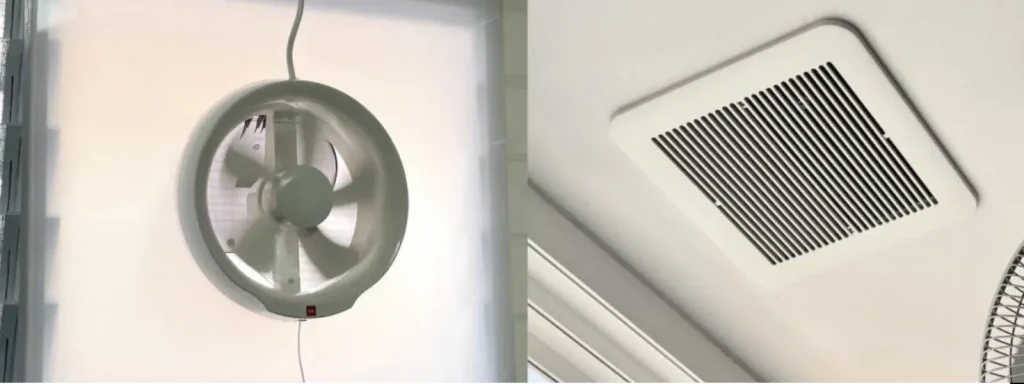
Is your bathroom feeling stuffy, damp, or filled with unpleasant odors? Poor ventilation could be the hidden culprit behind these common problems.
You might not realize it, but improving the airflow in your bathroom can make a big difference in your comfort and health. Imagine stepping into a fresh, dry bathroom every time you enter. You’ll discover simple and effective ways to boost ventilation, prevent mold, and keep your bathroom smelling clean.
Keep reading to learn how small changes can create a big impact on your bathroom’s air quality.
Benefits Of Good Bathroom Ventilation
Good bathroom ventilation improves air quality and keeps the space fresh. It controls moisture and prevents many common problems. Proper airflow helps maintain a healthy and comfortable bathroom environment.
Preventing Mold And Mildew
Moisture builds up quickly in bathrooms after showers or baths. Without ventilation, dampness lingers on walls and ceilings. This creates a perfect place for mold and mildew to grow. Mold spores can cause allergies and damage surfaces. Good ventilation removes excess moisture fast. It stops mold from growing and keeps your bathroom clean and safe.
Reducing Odors
Bathrooms often have unpleasant smells that can stay for a long time. Ventilation helps move stale air outside. It replaces it with fresh air from outside or other rooms. This keeps the bathroom smelling clean and fresh. Proper airflow removes bad odors quickly and prevents them from returning.
Protecting Bathroom Fixtures
Excess moisture can harm bathroom fixtures and fittings. Water can cause paint to peel and metal to rust. Wooden cabinets may swell or warp over time. Ventilation helps dry out the air and surfaces. This extends the life of your fixtures and keeps them looking good. It also prevents costly repairs caused by damp damage.
Credit: ccsupply.ca
Common Ventilation Problems
Bathrooms often suffer from poor ventilation problems that affect comfort and health. These issues cause moisture buildup, odors, and mold growth. Understanding common ventilation problems helps to find the right solutions and improve air quality.
Poor Airflow Issues
Insufficient airflow prevents fresh air from circulating well. Stale air stays trapped, making the bathroom feel damp and stuffy. Blocked vents, closed windows, or small vent openings often cause poor airflow. This limits moisture removal and increases odors.
Excess Humidity
High humidity levels cause condensation on walls, mirrors, and ceilings. It encourages mold and mildew growth, which can damage surfaces and affect health. Without proper ventilation, moisture from showers and baths accumulates quickly. This creates a persistent damp environment.
Inadequate Vent Fan
Many bathrooms have vent fans that are too weak or old. Fans with low power cannot remove enough moisture and odors. Sometimes, fans are not installed properly or vented outside. This reduces their effectiveness and allows humidity to stay inside.
Choosing The Right Ventilation Fan
Choosing the right ventilation fan is crucial for keeping your bathroom fresh and free of moisture. A well-selected fan prevents mold, mildew, and unpleasant odors from building up. Understanding the key factors like size, energy use, and noise will help you pick a fan that fits your space perfectly.
Fan Size And Capacity
Picking the right fan size depends on your bathroom’s square footage. Fans are rated by CFM (cubic feet per minute), which measures how much air they move. To find the right CFM, multiply the bathroom’s length, width, and height to get the volume, then choose a fan that can handle that volume efficiently.
For example, a small bathroom around 50 square feet usually needs a fan with 50-80 CFM. Larger bathrooms require more powerful fans or multiple units. Don’t overlook this—too small a fan won’t clear humidity well, while too large a fan wastes energy.
Energy Efficiency Options
Energy-efficient fans save money and reduce your carbon footprint over time. Look for models with the ENERGY STAR label, which meet strict efficiency guidelines. These fans use less electricity but still maintain strong airflow.
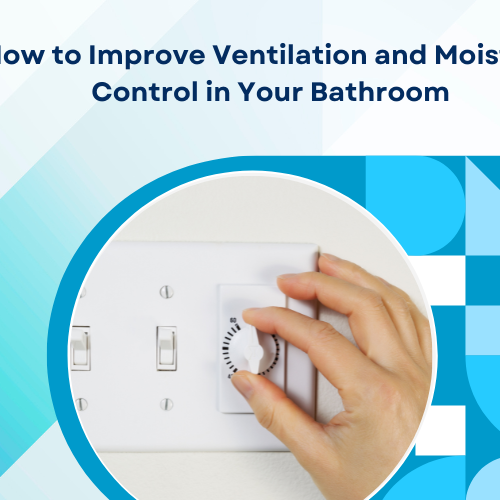
Some fans come with features like humidity sensors that turn the fan on and off automatically. This prevents the fan from running longer than necessary, cutting down on wasted energy. Have you checked your current fan’s energy rating? Upgrading could lower your utility bills significantly.
Noise Levels
Noise can make a big difference in your bathroom experience. Fans are rated by sones—a lower sone rating means quieter operation. A fan rated below 1.0 sone is nearly silent, making it ideal for small or shared bathrooms.
Think about how often you use your bathroom and how noise affects your comfort. A noisy fan might discourage you from running it long enough to clear moisture properly. Choosing a quiet fan ensures you’ll use it consistently, protecting your bathroom from damage.

Credit: bplusw.com
Installing Or Upgrading Exhaust Fans
Installing or upgrading exhaust fans is a simple way to improve bathroom ventilation. It removes moisture and odors quickly. This helps prevent mold and mildew growth. A good exhaust fan makes the bathroom air fresh and dry. Choosing the right fan and installing it well is key for best results.
Proper Placement Tips
Place the exhaust fan near the shower or bathtub. This area produces the most moisture. Avoid placing the fan too far from wet zones. Mount it on the ceiling or high on the wall. Make sure the fan can cover the entire bathroom space. Position it away from air vents to avoid airflow conflicts.
Ducting Best Practices
Use smooth, straight ducts to connect the fan to the outside. Avoid long or twisted ducts that reduce airflow. Choose ducts made of rigid metal or insulated materials. Seal all duct joints tightly to prevent leaks. Vent the duct outside, not into the attic or crawl space. Proper ducting improves fan efficiency and prevents moisture buildup.
Maintenance And Cleaning
Clean the fan cover and blades regularly to keep airflow strong. Dust and debris reduce fan performance over time. Turn off power before cleaning to stay safe. Inspect the duct for blockages or damage once a year. Replace worn or noisy fans promptly. Proper maintenance extends fan life and keeps your bathroom dry.
Natural Ventilation Solutions
Improving bathroom ventilation can significantly enhance comfort and health. Natural ventilation solutions are effective and eco-friendly. They help reduce moisture and odors without increasing energy costs. Let’s explore some practical methods to improve natural ventilation.
Using Windows Effectively
Windows play a crucial role in bathroom ventilation. Open them after a shower to let steam escape. Ensure they are unobstructed for maximum airflow. Consider installing a window that can tilt or swing open. This allows better control over the ventilation process.
Adding Ventilation Grilles
Ventilation grilles help circulate air in and out of the bathroom. Place them near doors or windows for optimal airflow. They are easy to install and maintain. Grilles come in various designs to match your bathroom style. Choose one that fits your decor and improves air movement.
Cross-ventilation Techniques
Cross-ventilation is an effective way to improve air circulation. It involves creating an airflow path between two openings. Open doors and windows opposite each other for this effect. This method quickly reduces humidity and freshens the air. Keep pathways clear for the best results.

Credit: www.pmmag.com
Additional Tips For Fresh Air
Fresh air is key to a healthy bathroom environment. Beyond vents and windows, small tools and habits help keep air clean and dry. These tips reduce moisture and odors, creating a more pleasant space.
Using Dehumidifiers
Dehumidifiers pull moisture from the air. This lowers humidity and stops mold growth. Place a small dehumidifier in the bathroom corner. It works best in rooms without windows. Choose a model that fits your bathroom size. Empty the water tank regularly to keep it effective.
Incorporating Air Purifiers
Air purifiers clean dust, allergens, and smells. They improve air quality and make breathing easier. Pick an air purifier with a HEPA filter. Turn it on during and after showers. This cuts down on lingering odors and airborne particles. Some models also reduce bacteria and viruses.
Regular Cleaning Habits
Cleaning stops dust and mold buildup. Wipe surfaces like sinks, counters, and tiles weekly. Use mold-resistant cleaners for best results. Wash shower curtains and mats often. Clean exhaust fans and vents to keep air flowing well. These habits keep the bathroom fresh and healthy.
Frequently Asked Questions
How Can I Increase Bathroom Ventilation Naturally?
Open windows and doors to create airflow. Use exhaust fans during showers. Adding indoor plants can help absorb moisture and improve air quality naturally.
What Is The Best Exhaust Fan For Bathroom Ventilation?
Choose an exhaust fan with a high CFM rating suitable for your bathroom size. Look for energy-efficient, quiet models with humidity sensors for optimal performance.
How Often Should I Clean Bathroom Vents And Fans?
Clean bathroom vents and fans every 3 to 6 months. Regular cleaning prevents dust buildup, improves airflow, and extends the fan’s lifespan.
Can Bathroom Ventilation Prevent Mold Growth?
Yes, proper ventilation reduces moisture, which stops mold growth. Use exhaust fans and keep windows open to lower humidity and keep your bathroom mold-free.
Conclusion
Improving bathroom ventilation keeps the space fresh and dry. Good airflow stops mold and mildew from growing. Installing vents or fans helps move air quickly. Opening windows lets fresh air enter easily. Regular cleaning of vents keeps them working well.
Small changes make a big difference over time. Enjoy a healthier bathroom with simple ventilation steps. Keep moisture low to protect walls and ceilings. A fresh bathroom feels more comfortable every day.



