
Are you tired of stuffy rooms and uneven temperatures in your home? Properly circulating air can make a huge difference in how comfortable your space feels.
When air moves the right way, you breathe easier, reduce odors, and even save on energy bills. But how do you make sure your home’s air is flowing just right? You’ll discover simple, effective tips that anyone can use to improve air circulation.
Keep reading, and you’ll learn how to create a fresher, healthier environment for you and everyone around you.

Credit: itsairborne.com
Benefits Of Proper Air Circulation
Proper air circulation in your home or workplace brings many benefits. It helps keep the air fresh and clean. Good airflow also supports a healthier environment. This section explains key advantages of maintaining proper air circulation.
Improved Air Quality
Good air circulation replaces stale air with fresh air. It stops air from becoming trapped and stuffy. Circulating air helps remove odors and airborne particles. This creates a cleaner and more pleasant space. Breathing fresh air feels better and reduces discomfort.
Reduced Allergens And Pollutants
Proper airflow lowers the concentration of dust, pollen, and mold. It helps move these allergens out of living areas. Pollutants from cooking, smoke, or chemicals also get removed faster. This reduces allergy symptoms and keeps the air safer. Cleaner air means fewer health problems for sensitive people.
Enhanced Comfort And Health
Air circulation controls temperature evenly across rooms. It prevents hot or cold spots that cause discomfort. Moving air can also reduce humidity, stopping mold growth. Comfortable air supports better sleep and productivity. Overall, good airflow boosts well-being and lowers illness risks.
Common Air Circulation Problems
Air circulation problems can affect comfort and indoor air quality. Poor circulation leads to stuffy rooms and discomfort. Identifying common issues helps improve airflow effectively. These problems often occur in homes and offices alike.
Stale Air And Odors
Stale air feels heavy and unpleasant. It happens when air does not move well. Odors from cooking, pets, or smoke linger without fresh air. Poor ventilation traps these smells inside. Circulating fresh air reduces odor buildup and refreshes the space.
Uneven Temperature Distribution
Some rooms feel too hot or too cold. Uneven temperature happens when air does not flow freely. Heat or cool air gets stuck in certain areas. This creates discomfort and wastes energy. Balanced air movement spreads temperature evenly across rooms.
Excess Humidity Issues
High humidity causes dampness and mold growth. It also makes the air feel sticky and warm. Poor air circulation traps moisture inside. This leads to damage and health problems. Proper airflow helps control humidity and keeps the air dry.
Natural Airflow Techniques
Natural airflow techniques help move fresh air through your home without mechanical systems. These methods improve indoor air quality and keep rooms cool. Using natural airflow reduces energy costs and creates a healthier space.
Cross Ventilation Strategies
Cross ventilation uses windows or openings on opposite sides of a room. Air flows in from one side and exits through the other. This movement pushes stale air out and pulls fresh air in.
- Open windows or vents on opposite walls.
- Keep interior doors open to allow air to flow freely.
- Remove obstacles blocking airflow paths.
- Use smaller vents near the floor and larger ones near the ceiling.
Cross ventilation works best on breezy days and in rooms with multiple openings.
Using Windows And Doors Effectively
Windows and doors control how air enters and leaves your home. Opening them strategically improves airflow and cools indoor spaces.
- Open windows on the side facing the wind.
- Open doors to create wider air passages.
- Use window locks that allow partial opening for safe ventilation.
- Close windows on hot, sunny sides during peak heat.
Adjust openings throughout the day to match changing wind direction and temperature.
Leveraging Ceiling Fans
Ceiling fans enhance natural airflow by circulating air within rooms. They do not cool air but make it feel cooler by moving air across your skin.
- Set fans to rotate counterclockwise in summer for a cooling breeze.
- Use lower fan speeds for gentle air movement.
- Turn off fans in empty rooms to save energy.
- Combine fans with open windows to boost natural airflow.
Ceiling fans improve comfort and help natural ventilation work better.
Mechanical Solutions For Air Circulation
Mechanical solutions offer reliable ways to improve air circulation in your home or office. These tools actively move air, preventing stuffiness and promoting healthier indoor environments. Let’s look at practical options that you can apply right now to enhance airflow efficiently.
Hvac System Optimization
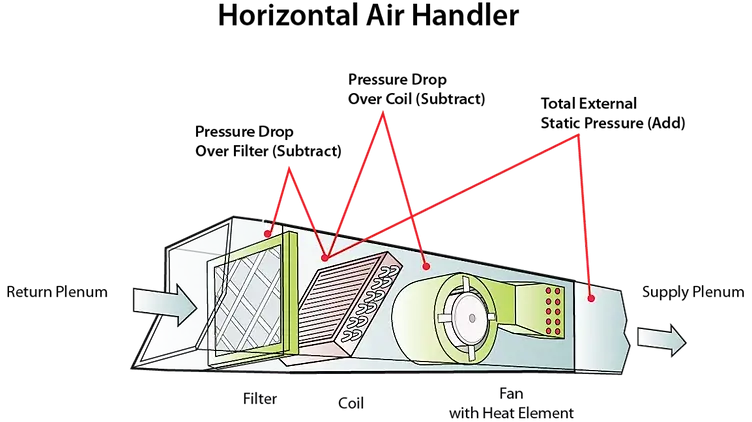
Your HVAC system plays a big role in circulating air. Make sure your filters are clean and replaced regularly to avoid blockages that reduce airflow.
Adjusting the fan settings can help move air more effectively. Some systems have an “on” mode that runs the fan continuously, which keeps air circulating even when the heating or cooling isn’t active.
Have you checked if your vents are fully open and unobstructed? Closing vents in unused rooms may seem like a good idea, but it can actually reduce overall circulation and strain your system.
Installing Air Circulators And Fans
Fans are a straightforward way to get air moving. Ceiling fans push air downwards to create a breeze, while pedestal or box fans can be placed near windows or doorways to draw fresh air in or push stale air out.
Use fans strategically. For example, placing a fan opposite a window can help draw cooler air inside. Have you tried positioning fans to create a cross breeze? It’s a simple trick that improves airflow dramatically.
Energy-efficient models reduce power use while maintaining strong airflow. Look for fans with variable speed settings, so you can adjust airflow according to your needs.
Using Air Purifiers With Circulation Features
Some air purifiers come with built-in fans that help circulate air while cleaning it. This dual action means you’re not only moving air but also improving its quality.
Choose purifiers with adjustable fan speeds to control circulation intensity. They work best when placed in central locations or rooms where you spend the most time.
Think about your allergies or sensitivities. Using a purifier that circulates air can reduce dust, pollen, and other irritants, making your space more comfortable while keeping air fresh.
Maintaining Air Circulation Systems
Clean air flows best when vents and filters stay clean and clear. Regular checks help avoid blockages and keep air moving smoothly. Proper balance between intake and exhaust vents ensures fresh air circulates well throughout the space.
Maintaining Air Circulation Systems Ensuring that your air circulation system is in peak condition is vital for a healthy home environment. Regular maintenance not only improves air quality but also enhances energy efficiency, saving you money. Let’s dive into some practical ways to keep your system running smoothly.Regular Cleaning And Filter Replacement
The simplest yet most effective step is to clean and replace air filters routinely. Dust and debris can clog filters, reducing efficiency. Aim to check filters monthly and replace them every 3 months or when they appear dirty. Cleaning vents and ducts also prevents dust buildup. Use a vacuum with a brush attachment for easy cleaning. Consider it a small investment for a big return in air quality.Checking For Airflow Blockages
Blocked vents and ducts can drastically reduce airflow. Ensure furniture and drapes aren’t obstructing vents. A quick check around the house can reveal surprising blockages. In my experience, a misplaced rug once caused uneven cooling in my living room. Moving it resolved the issue instantly. What’s blocking your airflow?Scheduling Professional Inspections
Even with regular DIY maintenance, professional inspections are crucial. Experts can spot issues that aren’t visible to the untrained eye. Schedule an inspection at least once a year to catch potential problems early. Professionals can also offer advice tailored to your system’s needs. It’s like having a personal trainer for your air circulation system. When was the last time your system had a check-up?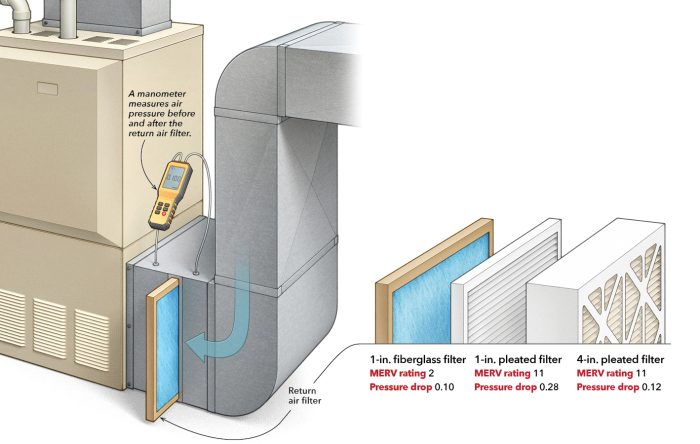
Credit: www.finehomebuilding.com
Tips For Specific Rooms
Proper air circulation varies by room type. Each space has unique needs. Adjust airflow strategies to fit the room’s purpose and layout. This approach helps maintain fresh air and comfort throughout your home.
Living Room Airflow Ideas
Open windows on opposite sides to create cross-ventilation. Use ceiling fans to push air downward during warm months. Position floor fans near doors or windows to boost movement. Keep furniture away from vents and windows to avoid blocking airflow. Use lightweight curtains that allow air to pass through easily.
Bedroom Ventilation Tips
Open windows for fresh air before bedtime. Use a small fan to circulate air quietly. Avoid heavy drapes that trap heat and block airflow. Keep doors slightly open to allow air movement between rooms. Consider an air purifier to improve air quality without noise.
Kitchen And Bathroom Air Circulation
Use exhaust fans during and after cooking or showering. Keep windows open if possible to remove moisture and odors. Clean vents regularly to prevent blockages. Avoid closing doors tightly to allow air exchange with other rooms. Place a small fan to improve airflow in areas without windows.
Seasonal Adjustments For Airflow
Adjusting your home’s airflow with the changing seasons can make a big difference in comfort and energy use. Each season brings unique challenges, and tweaking your air circulation accordingly helps maintain a balanced environment. Understanding how to manage airflow in summer, winter, and during shifts in humidity will keep your space feeling just right.
Summer Cooling Circulation
During summer, cool air tends to sink, so focus on pushing it upwards to avoid hot spots near the ceiling. Use ceiling fans set to rotate counterclockwise; this pushes air down and creates a cooling breeze. Keep windows and doors closed during the hottest parts of the day to prevent warm air from entering your home.
Also, try opening windows during cooler evenings and early mornings to bring in fresh air. You might be surprised how much difference a well-timed breeze can make in reducing your reliance on air conditioning. Do you pay attention to fan direction or just leave them running all the time?
Winter Air Distribution
In winter, warm air rises, so reverse your ceiling fans to rotate clockwise at a low speed. This gently pulls cool air up and pushes warm air down along the walls, helping heat circulate without creating a draft. Keep heating vents and registers clear of furniture to allow free airflow.
Consider using door draft stoppers and sealing leaks to keep the warm air inside where it belongs. A small change like reversing your fan’s rotation can save money and keep your living space cozy. How often do you check your fan settings as the temperature drops?
Handling Humidity Changes
Humidity affects how air feels and moves in your home. In high humidity, increase airflow with fans and dehumidifiers to prevent sticky, uncomfortable air. Using exhaust fans in bathrooms and kitchens helps remove excess moisture quickly.
During dry seasons, a humidifier combined with good air circulation can prevent dry skin and respiratory discomfort. You can monitor humidity levels with a simple hygrometer to decide when adjustments are needed. Have you noticed how controlling humidity can change your overall comfort?

Credit: ezbreathe.com
Energy-efficient Air Circulation
Energy-efficient air circulation can significantly reduce energy bills. It promotes a comfortable living environment. Proper air circulation minimizes reliance on air conditioning. This approach supports environmental sustainability. Let’s explore some effective strategies.
Using Fans To Reduce Ac Usage
Fans can help keep your home cool. They use less energy than air conditioners. Ceiling fans and portable fans are great options. Place them strategically for optimal air movement. Set ceiling fans to rotate counterclockwise in summer. This creates a cooling breeze. Turn off fans when leaving a room. This saves energy.
Smart Thermostats And Vent Controls
Smart thermostats can optimize your home’s temperature settings. They adjust automatically based on your schedule. This reduces unnecessary energy use. Vent controls can redirect airflow to specific areas. Use them to focus on occupied rooms. This improves comfort without increasing energy costs.
Sealing And Insulating For Better Flow
Proper sealing reduces air leaks. It keeps conditioned air inside. Check windows and doors for gaps. Use weatherstripping or caulk to seal them. Good insulation maintains a stable indoor temperature. It prevents heat exchange with the outside. Proper insulation and sealing improve air circulation efficiency.
Frequently Asked Questions
How Does Air Circulation Improve Indoor Air Quality?
Proper air circulation reduces indoor pollutants and moisture. It helps prevent mold and allergens buildup. Fresh air exchange improves overall health and comfort. Using fans and ventilation systems enhances air movement effectively.
What Are The Best Methods To Circulate Air Indoors?
Use ceiling fans, exhaust fans, and open windows. Place fans strategically for cross-ventilation. HVAC systems with good filters also help. Regular maintenance of vents ensures consistent airflow.
How Often Should I Circulate Air In My Home?
Air should be circulated daily for at least 15-30 minutes. Continuous airflow prevents stale air and reduces humidity. Increase circulation during cooking or cleaning to remove odors and particles.
Can Air Circulation Reduce Energy Costs?
Yes, circulating air evenly helps maintain consistent indoor temperatures. This reduces heating and cooling system workload. Using fans allows for higher thermostat settings in summer. Proper circulation can lower energy bills efficiently.
Conclusion
Proper air circulation keeps your home fresh and healthy. It helps reduce moisture and bad smells. Use fans, open windows, and clean vents regularly. Move furniture to let air flow freely. These simple steps improve comfort and air quality. Good airflow also saves energy and lowers bills.
Start small and notice the difference quickly. Clean, fresh air makes any space better. Keep your rooms bright and breezy every day.



