
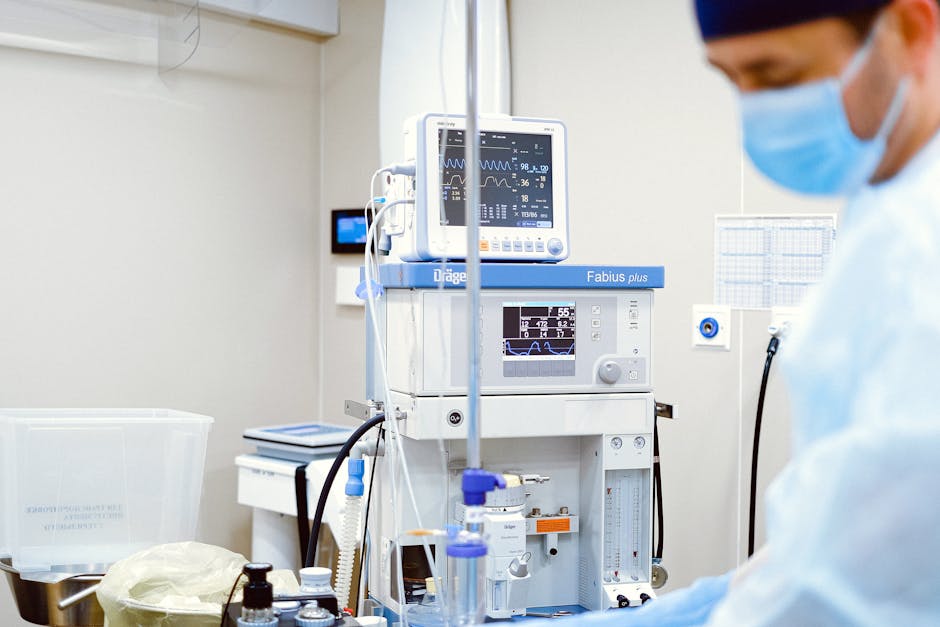
Have you ever wondered if a ventilator and life support mean the same thing? When someone is seriously ill, these terms often come up, and it’s easy to get confused.
You might be asking yourself, “Are they just different words for the same thing, or do they mean something unique? ” Understanding the difference can help you feel more confident when talking to doctors or making decisions for a loved one.
Keep reading, and you’ll discover the clear answers you need about ventilators and life support—knowledge that could make all the difference in a critical moment.

Credit: www.news18.com
Ventilator Basics
Understanding ventilators is key to knowing their role in medical care. Ventilators help patients breathe when they cannot do so on their own. They support breathing by moving air in and out of the lungs. This support is crucial in many critical health situations.
Ventilators differ from other life support machines. They focus mainly on breathing assistance. Learning how ventilators work and their types gives clear insight into their function.
How Ventilators Work
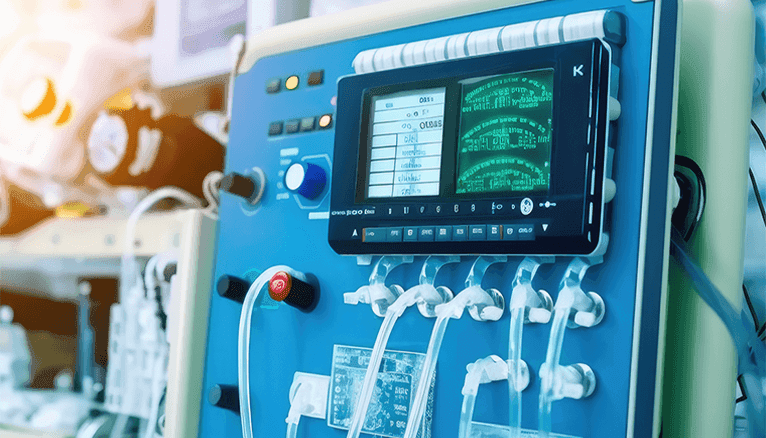
Ventilators push air into the lungs through a tube. This tube goes into the windpipe or is placed in the nose or mouth. The machine controls the amount and pressure of air delivered. It can adjust oxygen levels based on the patient’s needs.
The ventilator also helps remove carbon dioxide from the body. Sensors monitor the patient’s breathing and adjust accordingly. Some ventilators work with the patient’s own breathing efforts. Others take over completely if the patient cannot breathe at all.
Types Of Ventilators
- Invasive Ventilators:Use a tube inserted into the windpipe. They provide full breathing support.
- Non-invasive Ventilators:Use masks placed over the nose or mouth. They assist breathing without surgery.
- Portable Ventilators:Small and easy to move. Used for patients outside hospital settings.
- High-Frequency Ventilators:Deliver very rapid breaths. Used in special cases, like lung injuries.
Credit: www.apexhospitals.com
Life Support Overview
Life support refers to treatments that keep a person alive when their body cannot function alone. It involves machines or systems that help vital organs work. These supports assist breathing, circulation, or other critical body functions. Life support is often used in hospitals during emergencies or severe illness.
Components Of Life Support
- Ventilators to help with breathing
- Dialysis machines for kidney function
- Cardiac monitors to track heart activity
- Feeding tubes for nutrition
- Medications to support blood pressure and organ function
When Life Support Is Used
Life support is used when organs fail or cannot work well. It helps patients with lung failure, heart problems, or kidney issues. It is common in intensive care units for serious injuries or illnesses. The goal is to keep the body stable until recovery or further treatment.
Ventilator Vs Life Support
Understanding the difference between a ventilator and life support helps clarify medical care. Both play roles in patient treatment but serve distinct purposes. Knowing how they differ can ease confusion and improve communication with healthcare providers.
Function Differences
A ventilator is a machine that helps a person breathe. It pushes air into the lungs when breathing is weak or stopped. The ventilator focuses only on breathing support.
Life support includes many treatments to keep a person alive. It can involve machines like ventilators and other systems. Life support supports heart, lungs, kidneys, and other vital organs.
Scope Of Care
Ventilator care is limited to respiratory support. It helps patients with breathing problems due to illness or injury. Nurses and doctors monitor breathing and adjust ventilator settings.
Life support covers a wider range of care. It often involves medication, nutrition, and other machines. The goal is to maintain all body functions until recovery is possible.

Credit: pngtree.com
Medical Scenarios For Use
Understanding the medical scenarios for using a ventilator or life support helps clarify their roles. Both assist patients in critical conditions but differ in scope and application. Knowing when each is used reveals their importance in patient care.
Ventilator-specific Cases
Ventilators help patients breathe when lungs cannot work well. Common cases include:
- Severe pneumonia or lung infections
- Chronic obstructive pulmonary disease (COPD) flare-ups
- Acute respiratory distress syndrome (ARDS)
- During surgery under general anesthesia
- Trauma causing breathing difficulties
Ventilators support breathing but do not replace other body functions.
Life Support Situations
Life support covers more than breathing help. It supports vital body functions. Typical situations include:
- Heart failure needing mechanical circulatory support
- Coma patients needing full organ support
- Severe brain injury requiring neurological monitoring
- Multi-organ failure in intensive care units
- Prolonged cardiac arrest requiring resuscitation devices
Life support may involve ventilators along with other machines for heart, kidney, or brain function.
Patient Experience
A ventilator helps a person breathe by pushing air into their lungs. Life support includes ventilators but also other machines that keep the body working. They are related but not the same thing.
The patient experience during life support, including the use of a ventilator, can vary widely. Understanding these experiences is crucial for families and caregivers. Patients on ventilators or life support often face unique challenges and emotions.Comfort And Risks
Ventilators help patients breathe when they cannot do so on their own. While they provide critical support, they can also cause discomfort. Patients may feel the presence of the ventilator tube in their throat, which can be unsettling. Risks include infections and lung damage. Regular monitoring minimizes these risks. Care teams work hard to manage comfort and safety.Duration And Monitoring
The duration on a ventilator varies. Some patients need it for hours, others for weeks. Continuous monitoring is essential. Medical staff check vital signs and adjust settings. They ensure the machine meets the patient’s needs. Regular assessments help decide when to remove the ventilator. This decision depends on the patient’s recovery and stability.Technological Advances
Technological advances have changed how ventilators and life support systems work. These improvements make treatments safer and more effective. Technology helps doctors support patients’ breathing and other vital functions better than before.
Innovations In Ventilators
Modern ventilators are smarter and more precise. They adjust airflow based on the patient’s needs. Sensors monitor breathing patterns and oxygen levels constantly. Machines can switch between different modes automatically.
- Portable ventilators allow care outside hospitals.
- Touchscreen controls make settings easier for medical staff.
- Reduced noise helps patients rest more comfortably.
- Integration with electronic health records improves monitoring.
Future Of Life Support
Life support systems will become more compact and efficient. Artificial intelligence will assist in predicting patient needs. Devices may combine multiple functions into one machine.
- Wearable technology could monitor vital signs in real time.
- Remote control options may allow specialists to assist from afar.
- Improved battery life will support longer use without interruption.
- Advanced materials will make devices lighter and more durable.
Frequently Asked Questions
What Is The Difference Between A Ventilator And Life Support?
A ventilator assists with breathing by pumping air into the lungs. Life support includes ventilators but also other systems like heart and kidney support.
Can A Ventilator Be Considered Life Support?
Yes, a ventilator is a type of life support specifically for breathing. However, life support covers more than just ventilation.
How Does A Ventilator Help Patients?
A ventilator helps patients breathe when they cannot do so on their own. It ensures oxygen reaches the lungs and removes carbon dioxide.
Is Life Support Always Needed With A Ventilator?
Not always. Ventilators provide breathing aid, but life support may involve additional treatments depending on the patient’s condition.
Conclusion
A ventilator helps patients breathe when they cannot do so alone. Life support includes more tools and treatments to keep the body alive. They are related but not the same thing. Understanding this difference is important for patients and families.
Medical teams decide what is best based on each person’s needs. Clear knowledge helps reduce fear and confusion. Remember, both aim to save lives and support recovery.



