
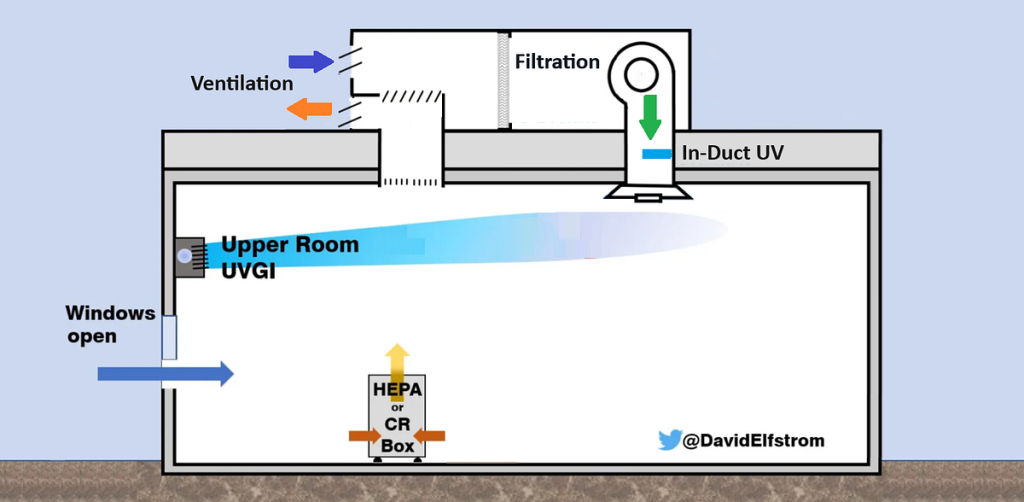
Are you tired of stuffy rooms that leave you feeling uncomfortable and restless? Improving the airflow in your space can make a huge difference to your comfort and health.
Better ventilation helps clear out stale air, reduce moisture, and bring in fresh, clean air that energizes you. You’ll discover simple, practical ways to boost the ventilation in your room—without spending a fortune or calling in experts. Keep reading to learn easy tips that can transform your space into a fresh, inviting place you’ll love spending time in.
Credit: www.seattleschild.com
Benefits Of Proper Ventilation
Proper ventilation in your room does more than just bring fresh air inside. It directly impacts your health, comfort, and even the condition of your home. Understanding these benefits can motivate you to make simple changes that improve your living space immediately.
Improved Air Quality
Stale air often contains dust, allergens, and harmful pollutants. Proper ventilation helps remove these contaminants, giving you cleaner air to breathe.
Have you noticed feeling more energetic and less congested after opening a window or turning on a fan? That’s the effect of fresh air replacing trapped indoor pollutants.
Reduced Moisture And Mold Growth
Excess moisture can lead to mold, which damages walls and triggers allergies. Good ventilation controls humidity levels by allowing moist air to escape.
Think about how your bathroom feels less stuffy after you use the exhaust fan. That’s moisture being removed, preventing mold from taking hold.
Enhanced Comfort And Temperature Control
Proper airflow helps regulate room temperature naturally. This means your space feels cooler in summer and less damp in winter without relying heavily on heating or cooling systems.
Have you ever felt a noticeable difference just by opening a window? That small act can create a comfortable breeze that changes the entire atmosphere.
Better Energy Efficiency
By improving airflow, you reduce the need for constant air conditioning or heating. This can lower your energy bills and reduce your environmental footprint.
Imagine cutting down on your electricity costs simply by allowing your home to breathe better. It’s a practical way to save money while staying comfortable.
Health Benefits
Breathing fresh air reduces headaches, fatigue, and respiratory problems. Proper ventilation supports your immune system by providing oxygen-rich air and removing pollutants.
Have you ever considered how the air you breathe indoors might affect your daily productivity and mood? Fresh air can make a significant difference.
Signs Of Poor Airflow
Poor airflow in a room affects comfort and health. It can cause stuffiness and make the air feel heavy. Recognizing signs of poor ventilation helps improve air quality fast.
Watch for warning signs early to keep your room fresh and safe.
Stale Or Musty Odors
Bad airflow traps odors in a room. Smells from cooking, pets, or dampness linger longer. A stale or musty odor often means the air is not moving well.
Excess Moisture And Condensation
High humidity builds up with poor ventilation. Water droplets on windows or walls show trapped moisture. This can lead to mold growth and damage to surfaces.
Feeling Hot Or Cold Without Cause
Uneven temperatures suggest airflow problems. Some spots feel hotter or colder than others. This happens when air cannot circulate properly around the room.
Dust And Allergens Buildup
Dust settles faster in rooms with poor airflow. Allergens like pollen and pet dander stay trapped inside. This can worsen allergies and breathing problems.
Windows And Doors Often Foggy
Foggy or wet windows and doors indicate poor air movement. Warm air meets cold surfaces and causes condensation. This shows the air is not exchanging well with outside.
Use Natural Ventilation
Using natural ventilation is one of the simplest and most effective ways to improve airflow in your room. It relies on fresh outdoor air moving inside, which helps reduce stuffiness and keeps the environment healthy. You don’t need fancy equipment—just a bit of planning and attention to how air moves through your space.
Open Windows And Doors
Opening windows and doors is the easiest way to let fresh air in. Even a small opening can make a big difference by allowing stale air to escape.
Try opening windows on opposite sides of the room or house. This creates a path for air to flow through naturally.
Think about times you’ve felt refreshed just by opening a window after being indoors for hours. That’s the power of natural airflow working for you.
Create Cross Ventilation
Cross ventilation happens when air enters through one opening and leaves through another, creating a continuous airflow.
To set this up, open windows or vents on opposite or adjacent walls. This encourages the wind to pass through your room rather than just circulating in one spot.
Have you noticed how a breeze feels more refreshing when it moves across your skin rather than just swirling around? That’s the effect you want inside your room.
Utilize Ventilation Grills
Ventilation grills are small openings that help air flow between rooms or spaces without fully opening doors or windows.
Installing grills above doors or near the ceiling can help balance air pressure and improve circulation. They are especially useful in rooms where opening windows isn’t an option.
Consider grills as hidden helpers that keep air moving quietly and efficiently, even when you’re not actively managing windows.

Credit: www.bladeair.com
Enhance Mechanical Ventilation
Enhancing mechanical ventilation helps improve indoor air quality. It moves stale air out and brings fresh air in. This process reduces humidity, odors, and harmful particles. Mechanical systems work efficiently in rooms without many windows or natural airflow. Using the right devices ensures a steady flow of clean air. Below are some practical ways to boost mechanical ventilation.
Install Exhaust Fans
Exhaust fans pull out stale air from a room. They work well in kitchens and bathrooms. These fans reduce moisture and prevent mold growth. Choose fans that fit the room size for best results. Install them near the ceiling or windows for better air movement. Running exhaust fans regularly keeps air fresh and healthy.
Use Air Purifiers With Fans
Air purifiers with built-in fans clean and circulate air. They trap dust, pollen, and other pollutants. These devices improve air quality inside the room. Place purifiers where air flows freely. Turn them on during high pollution or allergy seasons. These units also help reduce odors and airborne germs.
Ceiling And Portable Fans
Ceiling fans create gentle air circulation throughout the room. They move air evenly and help ventilation. Portable fans are easy to move and direct airflow where needed. Use them to push fresh air from open windows inside. Fans reduce stuffiness and keep the environment comfortable. Combine fans with other ventilation methods for better results.
Optimize Air Circulation
Optimizing air circulation is key to increasing ventilation in any room. It ensures fresh air moves freely, reducing stuffiness and enhancing comfort. Small adjustments can make a noticeable difference in how air flows around your space.
Rearrange Furniture
Furniture placement can either block or promote air movement. Try moving bulky items like sofas or bookshelves away from windows and vents. This opens up pathways for air to circulate more effectively.
Think about the natural flow of air in your room. Is something disrupting it? I once moved my armchair away from the air vent, and suddenly the room felt much fresher without any extra fans.
Keep Vents Unblocked
Vents are your room’s breathing points. Make sure they aren’t covered by rugs, curtains, or furniture. This simple step helps air enter and exit your room without obstruction.
Dust buildup can also reduce vent efficiency. Regular cleaning ensures air flows smoothly, keeping your room well-ventilated throughout the day.
Use Reflective Surfaces
Reflective surfaces like mirrors and light-colored walls can subtly influence air circulation. They help bounce natural light and warmth, which can encourage air movement within the room.
Adding a large mirror opposite a window not only brightens your space but can also create a sense of openness. This often leads to better airflow as the room feels less confined and more inviting.
Maintain Ventilation Systems
Maintaining ventilation systems is essential for a healthy living environment. Proper care ensures that air flows freely and reduces the risk of pollutants. Regular maintenance can improve air quality and energy efficiency.
Clean Filters Regularly
Filters trap dust and allergens. Clean them every few months. Dirty filters block air and reduce system efficiency. Replace disposable filters with new ones. This keeps the air clean and fresh.
Check For Blockages
Inspect vents and ducts for obstructions. Blockages can hinder air circulation. Remove debris or objects blocking the airflow. Keep furniture away from vents to allow proper air movement.
Schedule Professional Inspections
Hire experts to inspect your system annually. Professionals can spot issues that you might miss. They ensure that all parts work correctly. Regular checks prevent costly repairs and improve system longevity.
Incorporate Plants For Air Quality
Incorporating plants into your room can improve air quality and boost ventilation. Plants naturally filter harmful toxins and release fresh oxygen. They also add a calming, natural touch to any space. Placing the right plants strategically helps circulate clean air. This simple step supports a healthier indoor environment for everyone.
Best Indoor Plants For Air
- Spider Plant: Removes formaldehyde and carbon monoxide.
- Snake Plant: Produces oxygen even at night.
- Peace Lily: Filters mold spores and VOCs.
- Boston Fern: Great for removing indoor air pollutants.
- Areca Palm: Acts as a natural humidifier and purifier.
Placement Tips
Place plants near windows or vents to enhance airflow. Group several plants together for better air purification. Avoid overcrowding; give each plant enough space to breathe. Keep plants at eye level or higher for maximum effect. Rotate plants regularly to expose all sides to light. Water plants properly to prevent mold growth on soil.
Seasonal Ventilation Tips
Seasonal changes significantly impact how we should ventilate our homes. With the right strategies, you can improve air quality and comfort in any season. Understanding how to adapt your ventilation tactics can make a big difference in your indoor environment.
Winter Ventilation Strategies
In winter, maintaining warmth while ensuring fresh air can be a balancing act. You might find yourself tempted to keep windows shut tight, but this can lead to stale air and increased humidity. Consider using trickle vents on windows to allow a slow, continuous flow of fresh air without losing much heat.
Another strategy is to open windows briefly during the warmest part of the day. Just a few minutes can significantly improve air quality. Using exhaust fans in the kitchen and bathroom can also help remove moist air, reducing the risk of mold growth.
Summer Cooling Techniques
Summer offers the perfect opportunity to maximize natural ventilation. Open windows on opposite sides of your home to create a cross-breeze. This simple technique can cool your space effectively without relying solely on air conditioning.
Ceiling fans can enhance the cooling effect by circulating air efficiently. Use them in conjunction with open windows for the best results. You might also try keeping curtains closed during the hottest parts of the day to keep the sun from overheating your rooms.
Have you ever considered planting trees or tall shrubs outside your windows? They can provide shade and reduce the direct sunlight entering your home, naturally cooling it. What small changes can you make today to improve your room’s ventilation?
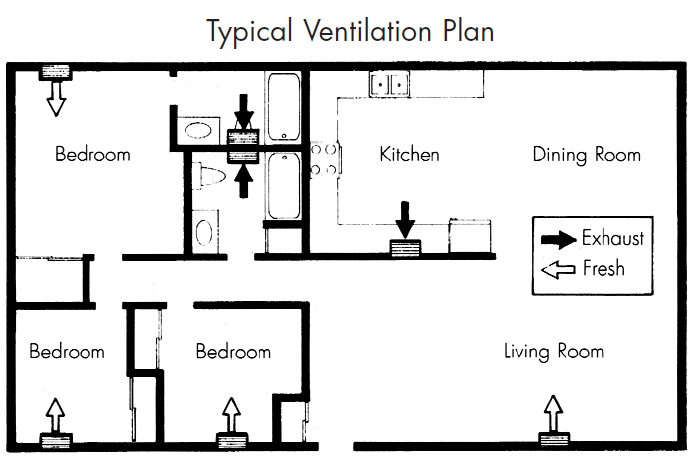
Credit: www.jlconline.com
Frequently Asked Questions
How Can I Improve Room Ventilation Naturally?
Open windows and doors regularly to create cross-ventilation. Use fans to enhance airflow. Adding indoor plants also improves air quality naturally.
What Are The Best Devices For Room Ventilation?
Exhaust fans, ceiling fans, and air purifiers help increase ventilation. Window fans can also boost fresh air circulation effectively.
How Does Ventilation Affect Indoor Air Quality?
Good ventilation reduces indoor pollutants, moisture, and odors. It promotes fresh air flow, preventing mold and improving overall health.
Can Furniture Placement Impact Room Ventilation?
Yes, avoid blocking windows and vents with furniture. Keep pathways clear to allow smooth air movement and better ventilation.
Conclusion
Good ventilation helps keep your room fresh and healthy. Open windows and doors to let air flow freely. Use fans to move air around the space. Remove clutter that blocks vents or windows. Plants can also improve air quality inside.
Keep air filters clean for better airflow. Small changes make a big difference in comfort. Try these tips to breathe easier every day. A well-ventilated room feels more inviting and calm.



