
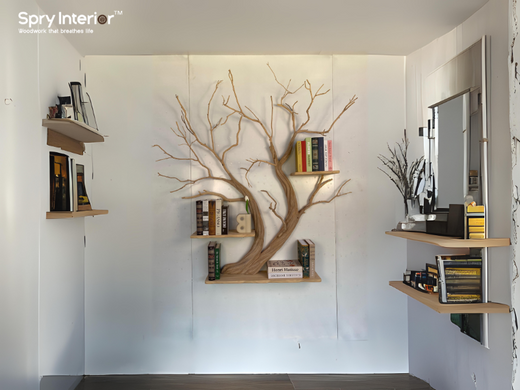
Are you tired of cluttered floors and piles of books everywhere? Installing bookshelves on your wall can transform your space instantly.
Imagine having your favorite books and decorations neatly displayed within arm’s reach, making your room look tidy and stylish. But if you’re unsure where to start or worried about making mistakes, don’t worry—you’re in the right place. This guide will walk you through simple, step-by-step instructions that anyone can follow.
By the end, you’ll have beautiful, sturdy bookshelves that not only save space but also add a personal touch to your home. Ready to get started? Let’s dive in!

Credit: www.create-enjoy.com
Choosing The Right Bookshelf
Choosing the right bookshelf is key to a neat and stylish space. A good bookshelf fits your room and holds your items well. Size, style, and strength matter. Think about your needs and space before picking one.
Types Of Bookshelves
Bookshelves come in many shapes and sizes. Wall-mounted shelves save floor space. Floating shelves look clean and modern. Ladder shelves lean against the wall and add charm. Corner shelves use small spaces smartly. Choose a type that suits your room and use.
Materials And Styles
Wood shelves offer warmth and strength. Metal shelves give a sleek, industrial feel. Glass shelves are light and elegant but fragile. Styles vary from classic to modern. Pick a material and style that match your room’s look. Also think about how much weight the shelf must hold.
Measuring Your Space
Measure the wall space carefully before buying. Check height, width, and depth limits. Allow space for books and decorations. Leave some room for air and ease of use. Accurate measurements help avoid buying a shelf that is too big or too small.
Gathering Tools And Materials
Before you start mounting your bookshelves, gathering the right tools and materials is crucial. Having everything ready saves time and prevents frustration during installation. Think about what you’ll need to get the job done safely and effectively.
Essential Tools
To install bookshelves properly, you’ll need a few basic tools. A drill is a must-have for making holes in the wall, and a screwdriver will help you secure screws tightly. A level is key to keeping your shelves straight — uneven shelves can ruin the look and cause items to slide off.
Don’t forget a tape measure to mark precise positions. A pencil for marking spots and a stud finder to locate the wall studs will make your job easier. If you don’t have a stud finder, tapping the wall to listen for solid spots is a quick alternative.
Hardware And Anchors
The right hardware is the backbone of a secure shelf installation. Screws designed for wood or drywall anchors are typical choices. If your shelves will hold heavy books, opt for heavy-duty anchors or toggle bolts to support the weight.
Choosing the wrong anchors can lead to shelves pulling out of the wall—have you ever seen sagging shelves under a pile of books? Avoid that by matching anchors to your wall type, whether it’s drywall, plaster, or concrete.
Safety Gear
Safety often gets overlooked but it should be your priority. Eye protection shields you from dust and debris while drilling. Gloves can protect your hands from sharp edges or splinters on the shelves or hardware.
Consider wearing a dust mask if your walls are old or dusty. Are you confident your workspace is safe? Taking these precautions helps you focus on the task without risking injury.
Preparing The Wall
Begin by cleaning the wall surface to remove dust and dirt. Check for studs using a stud finder to ensure strong support. Mark the spots where shelves will be attached for accurate placement.
Preparing the wall before installing bookshelves is crucial for ensuring safety and stability. This step sets the foundation for a successful installation, and overlooking it could lead to future regrets. Let’s dive into the essentials of preparing your wall for those new shelves.Finding Studs
Finding studs in your wall is your first mission. These wooden beams are your best friends when it comes to supporting the weight of your bookshelves. Use a stud finder for accuracy—it’s a small investment for a big payoff. If you’ve ever hung something heavy without finding a stud, you know the risks. Drywall alone won’t hold much weight. Trust me, you don’t want your books crashing down in the middle of the night.Marking Placement
Once you’ve located the studs, it’s time to mark where your bookshelves will go. Grab a pencil and a level to ensure your lines are straight. A crooked shelf is an eyesore and can cause items to slide off. Consider the height and spacing between shelves. Are they accessible and practical for your everyday use? Planning now saves headaches later.Checking For Obstacles
Before you start drilling, check for obstacles like electrical wires or pipes. Use a wire detector to scan the area to avoid nasty surprises. Hitting a wire can be dangerous and costly. Have you ever wished you could see through walls? This step is the next best thing. Ensuring a clear path not only protects your home but also gives you peace of mind.
Credit: www.wikihow.com
Installing The Brackets
Installing the brackets is a crucial part of mounting your bookshelves securely on the wall. This step ensures your shelves stay sturdy and can support the weight of your books and decorations. Taking the time to position and fix the brackets properly will save you from future headaches like sagging shelves or damage to your wall.
Aligning Brackets
Start by deciding where you want your shelves and mark those spots on the wall. Use a level tool to make sure your marks are perfectly horizontal—no one wants crooked shelves. Double-check the distance between the brackets matches the length of your shelf to provide balanced support.
Think about the wall type too. Are you mounting on drywall, plaster, or concrete? This affects where you place brackets, especially if you need to find studs for extra strength. If you don’t locate studs, consider using wall anchors designed for your wall material.
Drilling Pilot Holes
Once your marks are set, drill pilot holes to guide your screws. These small holes prevent the wall from cracking and make it easier to insert screws straight. Choose a drill bit slightly smaller than your screws for a snug fit.
Don’t rush this part. A steady hand and proper drill speed keep the holes clean and precise. If you hit a stud, you’ll feel the drill slow down—this means you’re in a strong spot for mounting.
Securing Brackets
Now, attach the brackets by driving screws into the pilot holes. Use a screwdriver or drill with the right bit to ensure screws go in tight without stripping. Tighten until the bracket feels solid but avoid over-tightening, which can damage the wall or the bracket.
After securing the brackets, give them a gentle shake to test stability. If they move, recheck the screws or try different anchors. Remember, sturdy brackets mean your shelves—and your books—are safe.
Mounting The Bookshelf
Mounting the bookshelf properly ensures safety and durability. It requires careful planning and precise execution. This section guides you through the main steps to mount your shelf securely on the wall.
Positioning The Shelf
Choose a wall space that fits the shelf size. Use a level tool to mark a straight line. Mark the spots where brackets will go. Check for wall studs using a stud finder. Mark these points to secure the brackets firmly.
Attaching Shelf To Brackets
Place the brackets on the marked points. Use a drill to insert screws into the studs. Align the shelf on top of the brackets. Secure the shelf to the brackets with screws. Make sure all screws are tight but not over-tightened.
Ensuring Stability
- Check if the shelf sits level with a spirit level.
- Apply gentle pressure to test strength.
- Tighten any loose screws immediately.
- Add wall anchors if extra support is needed.
- Re-check the shelf stability after adding books.
Finishing Touches
Finishing touches bring your bookshelf installation to life. They ensure your shelves look neat and fit perfectly on the wall. Small details make a big difference in the overall appearance and function of your new shelves.
Leveling The Shelf
Check if the shelf is perfectly horizontal. Use a spirit level to see if it tilts in any direction. Adjust the brackets or screws to fix any unevenness. A level shelf prevents items from sliding off or looking crooked.
Adding Decorative Elements
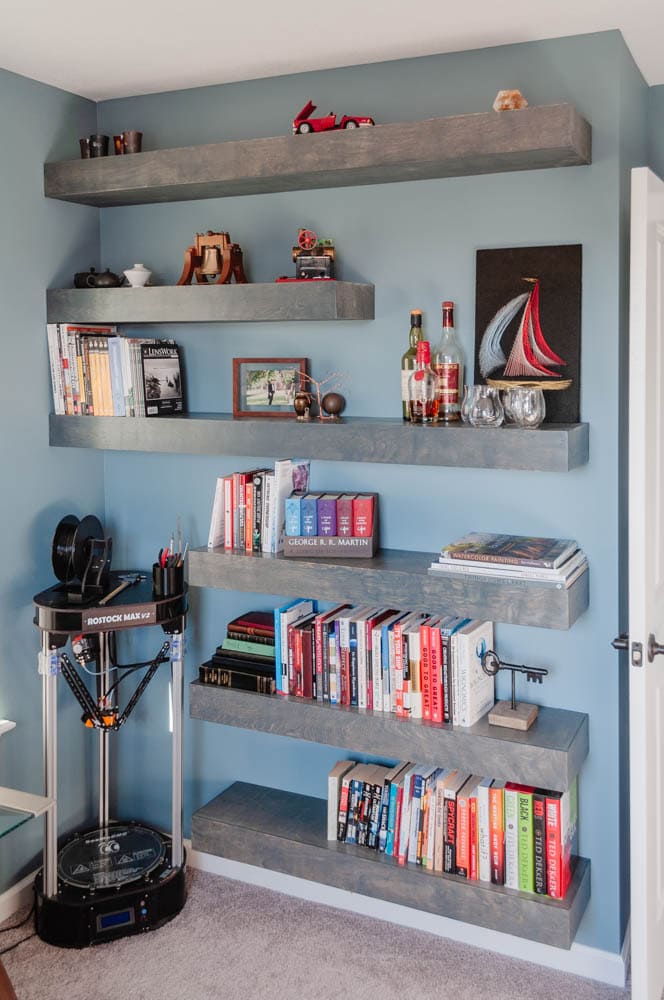
Decorate your shelves to match your room’s style. Place small plants, photo frames, or art pieces on the shelves. Use colorful bookends or neat storage boxes for a tidy look. These elements add personality and charm to your space.
Maintenance Tips
- Dust shelves regularly to keep them clean.
- Check screws and brackets for tightness every few months.
- Avoid overloading shelves to prevent damage.
- Use gentle cleaners suitable for the shelf material.
Proper care helps shelves stay sturdy and attractive for years. Simple upkeep keeps your investment looking fresh and safe.
Credit: www.christeneholderhome.com
Frequently Asked Questions
How Do I Find Studs For Wall Bookshelf Installation?
Use a stud finder to locate studs behind the drywall. Mark the stud positions with a pencil. This ensures shelves are securely anchored to support weight.
What Tools Are Needed To Install Wall Bookshelves?
You need a drill, level, stud finder, screws, wall anchors, and a screwdriver. These tools help you mount shelves safely and accurately.
Can I Install Bookshelves On Drywall Without Studs?
Yes, use heavy-duty wall anchors designed for drywall. However, shelves may hold less weight compared to stud-mounted installations.
How High Should I Mount Bookshelves On The Wall?
Mount shelves at eye level or slightly above for easy access. Adjust height based on your room layout and shelf purpose.
Conclusion
Installing bookshelves on your wall can improve any room’s look. Follow the steps carefully to keep shelves safe and strong. Use the right tools and anchors for your wall type. Measure twice to make sure shelves stay straight and even.
Take your time and enjoy the process. Soon, your books and decorations will have a perfect new home. Simple changes like this add style and function to your space. Try it yourself and see how easy it can be.



