
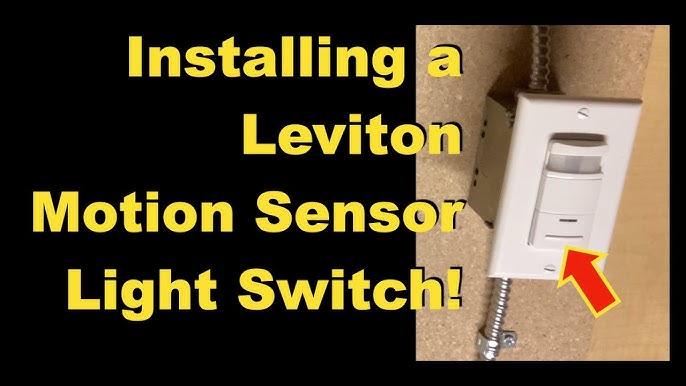
Are you tired of fumbling for the light switch in the dark? Installing a motion sensor light switch can change that instantly.
Imagine walking into a room and having the lights turn on automatically—no more searching or wasting electricity. In this guide, you’ll discover simple, step-by-step instructions to install your own motion sensor light switch quickly and safely. By the end, you’ll not only save energy but also add a smart touch to your home.
Ready to make your life easier? Let’s get started!

Credit: howlandhammer.com
Tools And Materials Needed
Installing a motion sensor light switch requires some basic tools and the right materials. Having everything ready before starting makes the job easier and safer. This section outlines the essential tools and how to choose the correct motion sensor switch for your needs.
Essential Tools
- Voltage tester – to check power is off before working
- Flathead and Phillips screwdrivers – for removing and attaching screws
- Wire stripper – to remove insulation from wires cleanly
- Needle-nose pliers – to bend and twist wires
- Electrical tape – for securing wire connections
- Wire nuts – to safely join wires together
- Flashlight – to see in dark or dim areas
These tools help ensure a smooth and safe installation. Keep them close at hand.
Choosing The Right Motion Sensor Switch
Select a switch compatible with your home wiring and light fixtures. Check if your home uses neutral wires, as some switches require them.
Consider the sensor type. Passive Infrared (PIR) sensors detect body heat and are common indoors. Ultrasonic sensors sense motion through sound waves and work well in complex areas.
Look for adjustable settings like sensitivity and delay time. These let you customize how the light reacts.
Ensure the switch fits your fixture’s voltage and wattage requirements. This prevents damage and improves performance.
Safety Precautions
Safety is the top priority when installing a motion sensor light switch. Working with electricity can be risky without proper care. Taking the right precautions protects you from shocks and accidents. It also prevents damage to your electrical system.
Before starting any electrical work, follow strict safety steps. These ensure the power is off and the wires are safe to touch. Use the right tools and check everything twice. Safety measures make the installation smooth and worry-free.
Turning Off Power
Always turn off the power at the circuit breaker before working on any switch. Do not rely on the wall switch alone. Confirm the power is off to avoid electric shocks. This simple step protects you from serious injury.
- Locate the correct circuit breaker for the switch.
- Switch it off to cut power to the area.
- Use a lock or tag to keep it off during work.
Using A Voltage Tester
Check that the wires are not live using a voltage tester. This tool detects electricity without touching wires. It ensures no power flows through the wires before you begin.
- Turn on the tester and touch each wire.
- If the tester lights up or beeps, power is still on.
- Do not proceed until all wires test dead.
Preparing The Switch Box
Turn off the power at the circuit breaker before working on the switch box. Remove the old switch and check the wiring for damage or wear. Clear the box of debris and ensure enough space for the new motion sensor switch.
Preparing the switch box is a crucial step in installing a motion sensor light switch. This process ensures that your new switch functions efficiently and safely. A well-prepared switch box sets the stage for a seamless installation, minimizing hiccups along the way. Removing the Old SwitchBegin by switching off the power to the existing light switch at your circuit breaker. It’s essential for your safety to double-check that the power is off by trying the switch. Once confirmed, use a screwdriver to remove the faceplate and unscrew the old switch from the wall box. Gently pull the switch out to expose the wiring. Keeping track of which wire is connected where can save you headaches later on. A quick photo with your phone can serve as a helpful reference. Inspecting WiringOnce the old switch is out, take a close look at the wiring. Are the wires frayed or damaged? If so, you might need to trim them back and strip the insulation to expose fresh wire. Check for the presence of a neutral wire, which is often necessary for motion sensor switches. It’s typically white and bundled together with other white wires, but if you don’t see it, a call to an electrician might be in order. This step is where your confidence in DIY really shines. Understanding the wiring setup not only ensures a successful installation but also boosts your electrical know-how for future projects. Do you feel ready to tackle this project, or does the idea of upgrading your skills excite you more?
Credit: www.youtube.com
Wiring The Motion Sensor Switch
Wiring the motion sensor switch is a crucial step that ensures your device works safely and effectively. It might seem tricky at first, but by understanding the wires and their roles, you can confidently make the right connections. Let’s break down how to identify and connect the wires properly so your motion sensor light switch functions perfectly.
Identifying Wires
Before touching any wires, turn off the power at the breaker to avoid shocks. Next, remove the existing switch cover and gently pull the switch out to see the wires behind it.
You will typically find three types of wires:
- Line (Hot) Wire:Usually black, this wire carries power from the breaker.
- Load Wire:Also often black or red, it sends power to the light fixture.
- Neutral Wire:Typically white, it completes the electrical circuit.
- Ground Wire:Usually green or bare copper, it’s for safety.
Have you noticed your switch box doesn’t have a neutral wire? That’s common in older homes and can affect your installation. Knowing exactly which wire is which prevents mistakes and saves time.
Connecting Wires Correctly
Once you identify each wire, it’s time to connect them to your motion sensor switch. Start by matching the switch’s wire colors or terminals with the corresponding wires in your wall.
- Connect the Line Wire:Attach the black or hot wire from the wall to the switch’s line terminal.
- Connect the Load Wire:Attach the wire leading to the light fixture to the switch’s load terminal.
- Attach the Neutral Wire:Connect the white neutral wire from the wall to the switch’s neutral terminal (if your switch requires it).
- Ground Connection:Attach the ground wire to the green terminal or grounding screw on the switch.
Use wire nuts to secure each connection, twisting wires together tightly before capping. A loose connection can cause flickering or even electrical hazards.
Have you ever rushed wiring only to realize a light didn’t turn on? Double-check every connection before pushing the switch back into the box and restoring power. This careful attention ensures your motion sensor switch works reliably, giving you the convenience and safety you expect.
Mounting The New Switch
Mounting the new motion sensor light switch is a crucial step. It ensures the switch works safely and looks neat. This process involves securing the switch to the wall box and attaching the cover plate. Proper mounting prevents loose connections and accidental damage.
Securing The Switch
Place the switch carefully into the wall box. Align the screw holes on the switch with those on the box. Use the screws provided with the switch to fix it in place. Tighten the screws firmly but avoid over-tightening. Over-tightening can crack the switch or wall plate. Check the switch is stable and does not move.
Attaching The Cover Plate
Choose the correct cover plate for your switch model. Place the cover plate over the switch, lining up the screw holes. Insert the screws and tighten them gently. Make sure the cover plate sits flush against the wall. A well-fitted cover plate gives a clean, finished look. It also protects wires and internal parts from dust and damage.
Testing The Installation
Testing the installation is a key part of setting up your motion sensor light switch. It confirms the switch works correctly and safely. This step helps you spot any issues before regular use. Follow these simple checks to ensure your motion sensor switch functions as expected.
Restoring Power
First, turn the power back on at the circuit breaker. Check the light switch for any signs of power. The switch may have a small indicator light to show it is live. Test the sensor by moving your hand in front of it. The light should turn on automatically. Wait a few moments without movement; the light should turn off. If the light does not respond, double-check your wiring connections and power source.
Adjusting Sensitivity And Timer
Next, set the sensitivity level to match your needs. Sensitivity controls how much movement triggers the light. Use the adjustment dial or buttons on the switch. Start with a medium setting and test the response by walking near the sensor.
Set the timer to control how long the light stays on. Choose a time that fits your usage, such as 30 seconds or 5 minutes. After setting, trigger the sensor and observe the light duration. Make changes until the light stays on for a comfortable time.
Check the sensor’s detection range by walking at different distances. Adjust the sensitivity if the sensor misses movement or reacts too often. These settings help save energy and improve convenience.
Troubleshooting Tips
Installing a motion sensor light switch can make your home smarter and more energy-efficient. But sometimes, things don’t work as planned. Troubleshooting these issues early can save you time and frustration.
Common Issues
One frequent problem is the light not turning on at all. This could be due to loose wiring or a tripped circuit breaker. Double-check all connections and ensure the power is on before moving forward.
Another issue is the light staying on constantly or flickering. This often happens when the sensor is too sensitive or placed incorrectly. Try adjusting the sensitivity settings or repositioning the sensor away from heat sources or direct sunlight.
Sometimes, the light might turn on and off unexpectedly. This could be caused by interference from other electronic devices or a faulty switch. Testing the switch in a different location can help isolate the problem.
When To Call A Professional
Handling electrical components can be dangerous if you’re unsure what you’re doing. If you notice burning smells, sparks, or consistent flickering that you can’t fix, stop and get expert help.
Complex wiring setups or older homes with outdated electrical systems often require professional assessment. Don’t risk your safety or damage your system by attempting advanced fixes without proper knowledge.
Have you ever struggled with a stubborn light switch that just won’t cooperate? Sometimes, the smartest choice is to call a licensed electrician who can diagnose and resolve the issue quickly and safely.

Credit: www.youtube.com
Frequently Asked Questions
What Tools Do I Need To Install A Motion Sensor Switch?
You need a screwdriver, voltage tester, wire stripper, and electrical tape. Ensure the power is off before starting. These tools help safely connect and secure the motion sensor switch.
How Do I Connect Wires For A Motion Sensor Light Switch?
Match wires by color: black to black (live), white to white (neutral), and green or copper to ground. Use wire nuts to secure connections and ensure no exposed wires remain.
Can I Install A Motion Sensor Switch Myself Safely?
Yes, if you follow safety precautions. Turn off power at the breaker, use a voltage tester, and follow the instructions carefully. If unsure, consult a licensed electrician.
How Do I Test A Motion Sensor Light Switch After Installation?
Turn the power back on, then wave your hand near the sensor. The light should turn on automatically. Adjust sensitivity settings if needed for optimal performance.
Conclusion
Installing a motion sensor light switch is simple and useful. It saves energy and adds convenience to your home. Follow the steps carefully for safe and correct setup. Test the switch to make sure it works well. Enjoy hands-free lighting that turns on only when needed.
This small change can improve your daily life. Try it today and see the difference it makes.



