
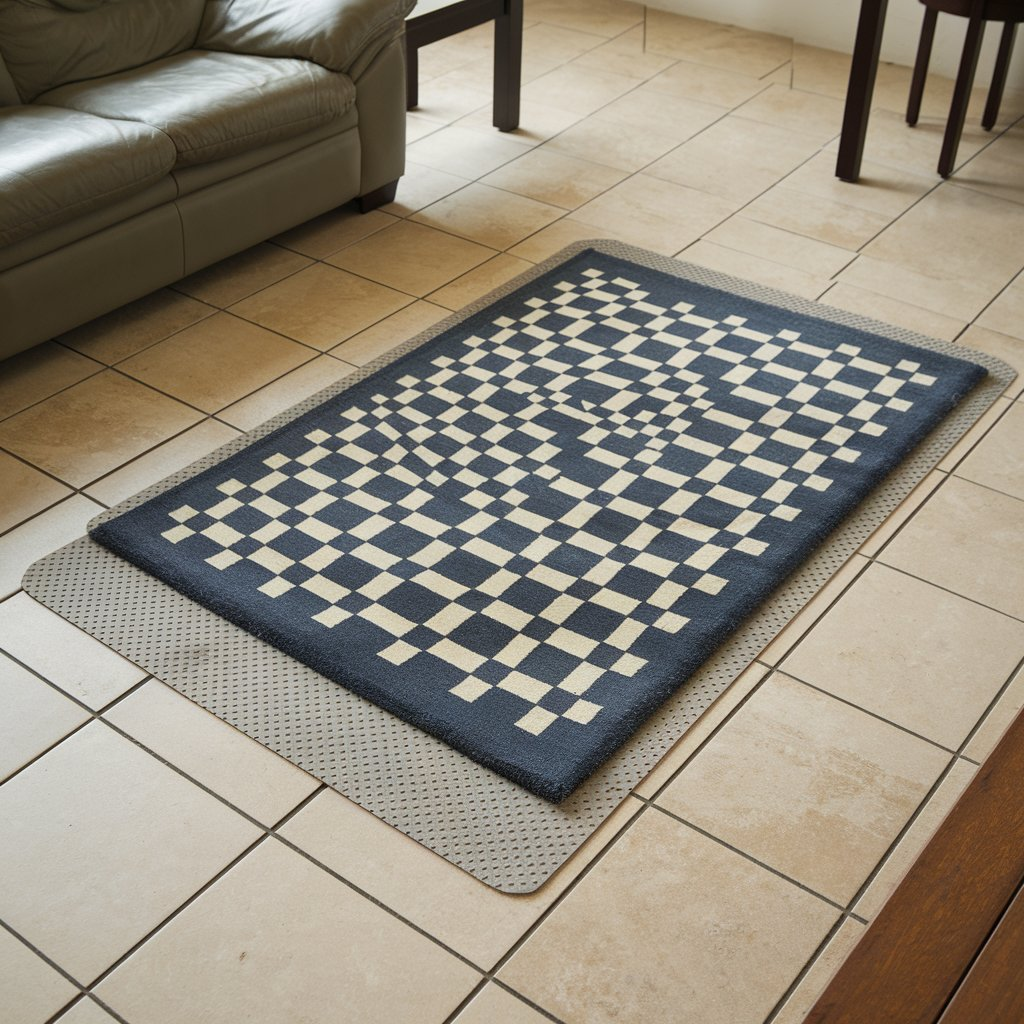
Are you tired of your rugs slipping and sliding every time you walk across your tile floors? It’s not just annoying—it can be dangerous too.
You want your rugs to stay put, adding comfort and style without causing a slip hazard. The good news is, keeping your rugs in place is easier than you think. You’ll discover simple, effective ways to stop your rugs from moving, so you can enjoy a safer, more comfortable home.
Keep reading to find the solution that works best for you!

Credit: www.amazon.ca
Causes Of Rug Slippage
Rugs sliding on tile floors can be more than just an annoyance; they can cause trips and falls. Understanding why rugs move around is the first step to keeping them in place. Let’s look at the main causes of rug slippage so you can tackle the problem effectively.
Smooth Tile Surfaces
Tile floors often have a very smooth finish that offers little grip. This makes it easy for rugs to slide, especially when you walk across them. Have you noticed how even a small push can send a rug gliding across your kitchen floor? That’s the slippery nature of smooth tiles working against you.
Lack Of Rug Backing
Rugs without a proper backing don’t have enough friction against the floor. Thin or lightweight rugs especially struggle to stay put on hard surfaces. If your rug feels like it’s skating on ice, the absence of a non-slip backing might be the culprit.
High Foot Traffic Areas
Areas where many people walk tend to cause rugs to shift more. Each step applies pressure that can gradually nudge the rug out of place. Think about your hallway or living room—do you see your rug moving more there? High foot traffic means more chances for slippage.

Credit: allflooringnow.com
Choosing The Right Rug Pad
Choosing the right rug pad is essential to keep your rugs from sliding on tile floors. The right pad not only prevents slipping but also protects your tile and extends the life of your rug. Understanding the types of rug pads and their features helps you make a choice that fits your space perfectly.
Non-slip Pads For Tile
Non-slip pads designed specifically for tile floors use materials that grip both the rug and the smooth surface beneath it. These pads create friction without damaging your tiles or leaving residue. Have you ever experienced a rug that shifts every time you walk by? A quality non-slip pad solves that problem instantly.
Look for pads labeled as safe for hard surfaces. They often feature a natural rubber or latex backing that adheres gently but firmly. This prevents the rug from sliding while allowing easy removal for cleaning.
Material Options
Rug pads come in several materials, each with benefits depending on your needs. Natural rubber pads offer excellent grip and durability without harmful chemicals. Felt pads add cushioning and protect your tile from scratches but may need a non-slip layer underneath to keep rugs steady.
Polyurethane and PVC pads are budget-friendly and provide good grip but can sometimes leave marks on certain tile finishes. Choosing the right material means balancing grip, floor protection, and comfort underfoot. What material do you think would feel best in your home?
Size And Thickness Considerations
Size matters when picking a rug pad. It should be slightly smaller than your rug’s dimensions to avoid visible edges and curling. A pad that’s too big can create tripping hazards or cause the rug to bunch up.
Thickness affects comfort and stability. Thicker pads offer more cushion but may make the rug feel uneven on tile floors. Thin pads provide better grip but less padding. Testing different thicknesses can help you find the sweet spot between comfort and safety.
Diy Solutions To Prevent Sliding
Place a non-slip rug pad under your rug to keep it steady on tile floors. Double-sided tape also works well to stop slipping and sliding. These simple fixes make walking safer and keep rugs looking neat.
Keeping rugs in place on tile floors can be a frustrating challenge, but with a bit of creativity and some DIY solutions, you can enjoy your stylish rugs without the slip-and-slide. Imagine walking across your living room without the constant need to adjust a wayward rug. Simple techniques can anchor your rugs securely, providing both safety and aesthetic appeal. Let’s explore some easy and effective methods you can use today.Double-sided Tape
Double-sided tape is a quick fix that can be surprisingly effective. It’s easy to apply—just cut strips of tape, adhere them to the corners and edges of your rug, and press it firmly onto the tile floor. The adhesive grips both surfaces, ensuring your rug stays put. This solution is particularly great for smaller rugs or those in high-traffic areas. However, be mindful when removing the tape; it can leave a sticky residue on some surfaces. Have you ever tried this method? It might be the simple fix you’re looking for.Hot Glue Dots
Hot glue dots are a budget-friendly option that many DIY enthusiasts swear by. By applying small dots of hot glue to the underside of your rug, you create a non-slip surface that grips the tile floor. The glue dots dry quickly, and you can customize their size and placement according to your rug’s needs. This method is especially useful for heavier rugs that might need extra grip. Do remember to let the glue cool completely before placing your rug on the floor.Rubber Shelf Liner
Rubber shelf liners are not just for kitchen cabinets—they can be a game-changer for slippery rugs too. Cut the liner to fit just slightly smaller than your rug, and place it underneath. The rubber provides a non-slip surface that grips both the rug and the tile floor. This approach is perfect for larger rugs and can be easily adjusted or replaced as needed. It’s also a great option if you’re looking for a solution that doesn’t involve adhesives or potential residue. Have you considered this versatile household item for your rugs? Implementing these DIY solutions can transform your living space, providing both safety and style. Which method will you try first?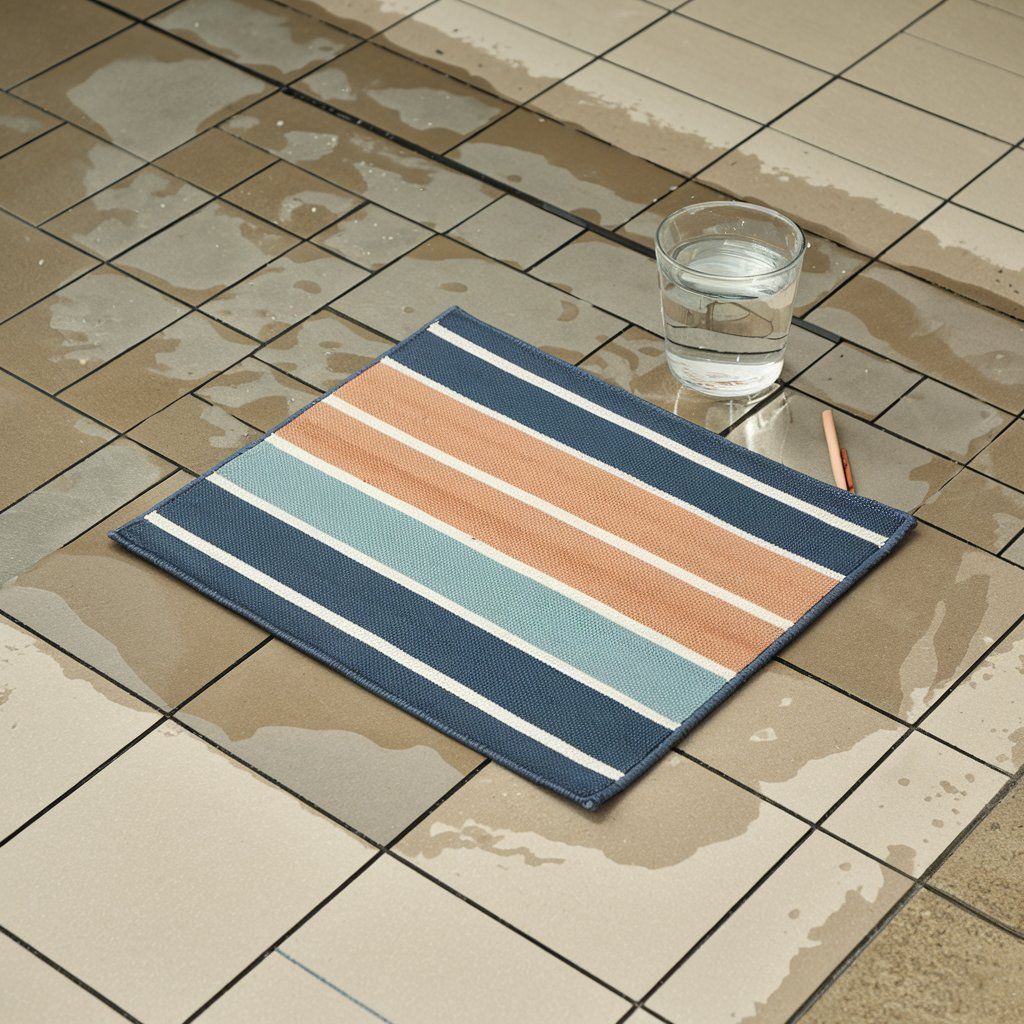
Credit: floorcoveringslocal.co.uk
Professional Products For Stability
Professional products offer strong solutions to keep rugs steady on tile floors. These tools provide extra grip and prevent slipping without damaging the surface. Using the right product ensures safety and keeps your rug looking neat.
Commercial Non-slip Mats
Commercial non-slip mats sit under rugs to increase friction. They come in various sizes and materials designed for tile floors. These mats stop rugs from sliding by gripping both the floor and the rug.
They are easy to cut to fit any rug shape. Many mats also protect tile floors from scratches and dirt. Non-slip mats work well in high-traffic areas.
Adhesive Sprays
Adhesive sprays create a sticky layer between rug and floor. They provide temporary hold without leaving residue on tiles. Sprays are simple to apply and dry quickly.
Use them sparingly for rugs that need occasional repositioning. Adhesive sprays keep rugs from moving during daily use. They are a good choice for lightweight rugs.
Velcro Strips
Velcro strips attach rugs firmly to tile floors. One side sticks to the tile, the other to the rug’s underside. This method offers a strong, yet removable hold.
Velcro strips are ideal for rugs that need frequent cleaning or shifting. They work best on flat tile surfaces. This option helps avoid slipping without permanent changes.
Maintenance Tips To Keep Rugs In Place
Keeping rugs steady on tile floors requires ongoing care. Regular maintenance helps prevent slipping and extends the rug’s life. Simple habits can keep rugs safe and looking good.
Regular Cleaning
Dust and dirt under rugs reduce grip. Clean both the floor and rug often. Vacuum rugs regularly to remove particles. Mop tile floors to keep surfaces smooth and clean. Clean surfaces improve rug stability and prevent sliding.
Repositioning Rugs
Rugs can shift with daily use. Move rugs slightly every few days. This prevents wear in one spot. Repositioning helps keep pads aligned and grip strong. It also stops permanent creases and damage.
Inspecting Pads And Adhesives
Rug pads lose grip over time. Check pads and adhesives monthly. Replace worn or damaged pads quickly. Use non-slip pads designed for tile floors. Avoid cheap or thin pads that slip easily. Strong pads and adhesives keep rugs firmly in place.
Frequently Asked Questions
How Can I Stop Rugs From Sliding On Tile Floors?
Use non-slip rug pads or double-sided tape under the rug. These provide grip and prevent movement on smooth tile surfaces. Regularly check and adjust the rug to maintain safety and appearance.
What Materials Work Best For Rug Grips On Tile?
Rubber or latex-backed rug pads work best. They create friction between the rug and tile, preventing slipping. Avoid foam pads as they offer less grip on tile floors.
Are Double-sided Tapes Safe For Tile Floors?
Yes, double-sided tapes designed for rugs are safe. They hold rugs firmly without damaging tile. Ensure the tape is residue-free for easy removal and cleaning.
Can Rugs Slip Cause Accidents At Home?
Yes, slipping rugs can cause trips and falls. Securing rugs reduces this risk, making your home safer, especially for children and elderly members.
Conclusion
Keeping rugs from sliding on tile floors is easier than you think. Use rug pads or tape to keep them steady. Choose materials that grip well without damaging tiles. Regularly check and adjust the rug’s position. A secure rug adds safety and comfort to your room.
Small steps can stop slips and falls. Enjoy your space without worrying about sliding rugs. Simple fixes make a big difference every day.



