
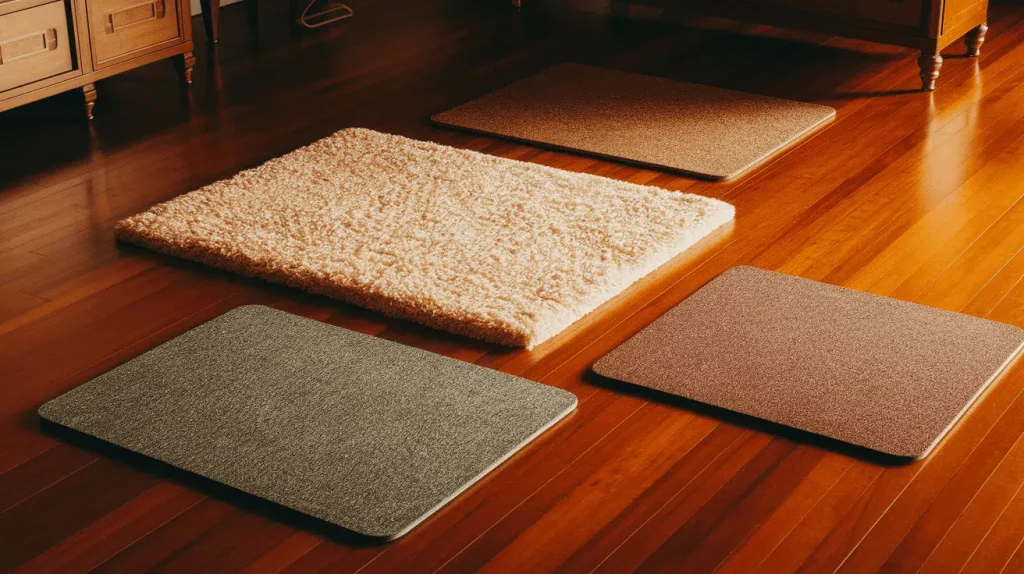
Is your rug constantly slipping and sliding on your wood floor? It’s frustrating when your beautiful rug won’t stay in place, creating safety risks and ruining the look of your room.
But don’t worry—you don’t need to spend a fortune or call a professional to fix it. In this guide, you’ll discover simple, effective DIY tricks to keep your rug firmly in place. By the end, your rug will stay put, making your space safer and more comfortable.
Ready to stop the sliding for good? Let’s get started!
Credit: enthrallinggumption.com
Causes Of Rug Slippage
Understanding why your rug keeps sliding on a wood floor is the first step to fixing the problem effectively. Several factors contribute to rug slippage, and pinpointing these can save you from repeated frustration. Let’s break down the common causes that make rugs slip and slide on wooden surfaces.
Smooth Wood Surfaces
Wood floors often have a sleek, polished finish that looks great but can be a nightmare for rug stability. The smooth surface offers little resistance to the rug’s backing, allowing it to glide easily when you walk across it.
If your floor is freshly waxed or highly polished, the slipperiness increases significantly. Have you noticed your rug moving more after a cleaning or refinishing? That’s a clear sign the smooth surface is a major player in the slippage problem.
Lack Of Rug Grip
Not all rugs are designed with grip in mind. Many have a plain fabric or synthetic backing that doesn’t stick well to hard floors. Without any gripping material, the rug has nothing to hold it in place.
Think about the difference between a rug with a rubberized backing and one without. The rubber adds friction, preventing unwanted movement. If your rug lacks this feature, it’s almost guaranteed to slide around.
Heavy Foot Traffic
High foot traffic areas naturally cause more movement. Every step pushes and pulls the rug, especially if it’s lightweight or thin. This constant force can shift the rug out of place repeatedly throughout the day.
Consider how often you walk across the rug and from which directions. Does it move more in some spots than others? Heavy use areas need extra attention to keep rugs stable and safe.
Credit: floorcoveringslocal.co.uk
Temporary Solutions
Temporary solutions can be a quick fix to keep your rug from sliding on a wood floor. These options are easy to apply and remove, making them perfect if you want to avoid permanent changes or need a fast answer. Let’s look at some effective ways to stabilize your rug without much hassle.
Double-sided Tape
Double-sided tape is a simple and affordable way to stop your rug from moving. Just cut strips of tape and stick them under the edges or corners of your rug. It holds the rug firmly to the floor but is easy to peel off when you want to clean or change the rug.
One thing to watch out for is residue. Some tapes leave sticky marks on the floor, so test a small area first. Have you tried this before? You might be surprised how well it works with just a few strips.
Non-slip Rug Pads
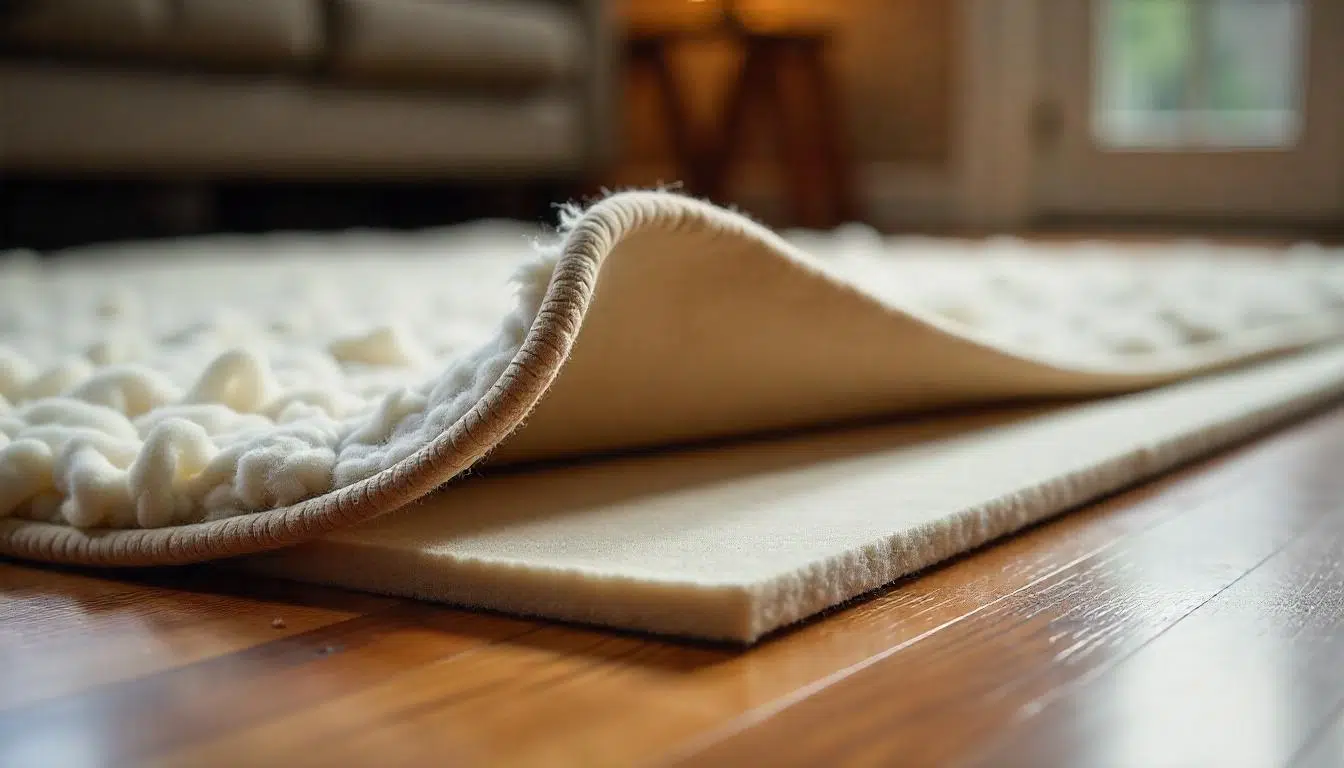
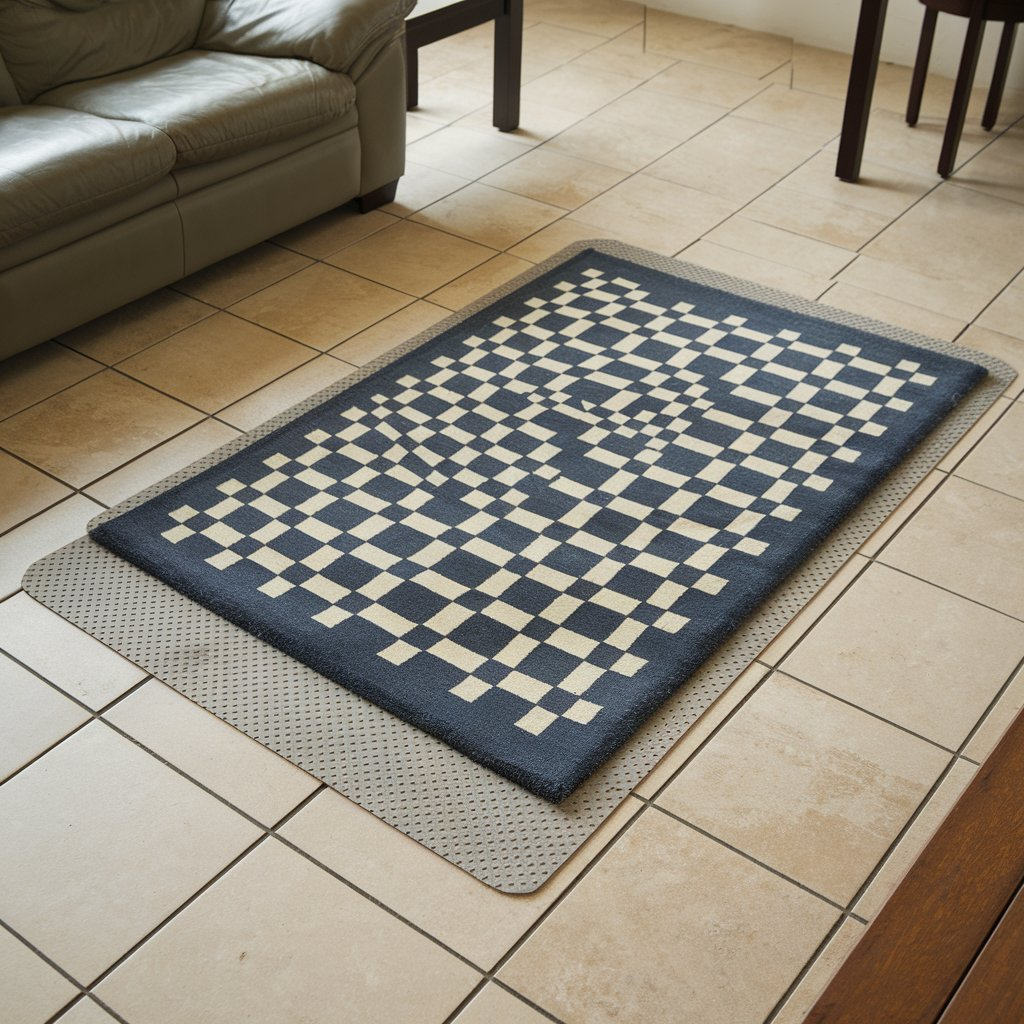
Non-slip rug pads are made specifically to keep rugs in place. They sit between your rug and the floor, providing grip without damaging your wood. These pads come in various sizes and materials, like rubber or felt-backed options.
I once used a thin rubber pad under my living room rug, and it stopped all the sliding immediately. Plus, it adds a bit of cushioning underfoot. Wouldn’t you want a solution that also makes your rug feel comfier?
Velcro Strips
Velcro strips give a strong hold and can be a reusable option. Attach one side of the strip to the rug’s backside and the other to the floor. This method keeps your rug in place but allows you to lift it when needed.
Make sure the floor side of the Velcro is clean before sticking it down to get the best grip. Have you thought about using Velcro for your rug? It’s a neat trick that many overlook but works surprisingly well.
Permanent Fixes
Secure rugs on wood floors using double-sided tape or non-slip pads for a lasting hold. Applying a rug gripper beneath also prevents movement effectively. These simple fixes keep rugs stable and safe in any room.
Looking for a way to keep your rug from sliding on your wood floor permanently? You’re not alone. Many find it frustrating when their beautifully placed rugs shift with every step. Thankfully, there are several practical solutions that you can DIY to ensure your rug stays exactly where you want it. Let’s dive into some effective methods.Silicone Caulk Method
Silicone caulk is not just for sealing gaps. It can create a non-slip grip on your rug’s underside. Simply apply small dots or lines of silicone caulk across the back of the rug. Allow it to dry completely before placing the rug on your floor. You’ll be surprised how this simple trick can stop your rug from slipping while being completely invisible.Hot Glue Application
Have a hot glue gun at home? You’re in luck! By applying a few lines of hot glue on the underside of your rug, you can create an effective grip. Wait until the glue cools down and hardens before placing the rug back on the floor. The texture of the glue will help keep the rug in place, providing a budget-friendly solution.Rubber Shelf Liner
A rubber shelf liner isn’t just for kitchen cabinets. Cut a piece of liner that fits under your rug. Place it between the rug and the floor, and watch as it prevents slipping. It’s an inexpensive option that you might already have at home, making it both convenient and efficient. Are you ready to try these methods and enjoy a slip-free environment? Consider which materials you have on hand or are comfortable using, and take the first step towards a safer and more stable home.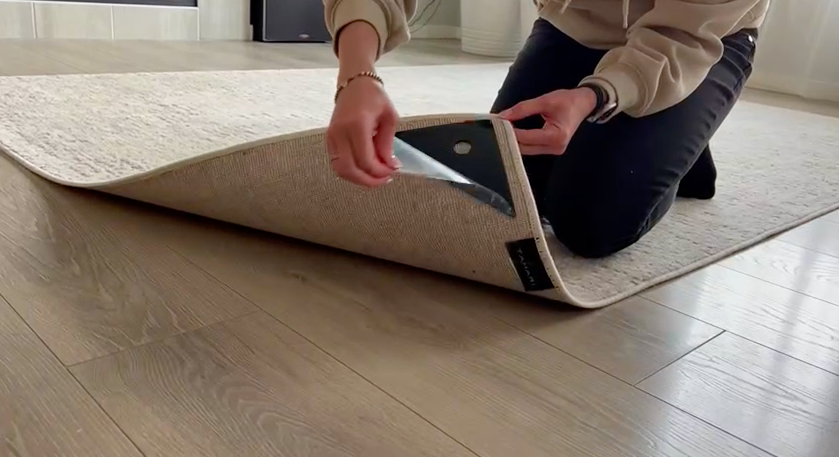
Credit: www.amazon.ca
Choosing The Right Rug Pad
Choosing the right rug pad is a key step to keep your rug from sliding on a wood floor. The right pad adds grip, protects your floor, and extends the life of your rug. It’s not just about picking any pad—it’s about finding one that fits your rug and floor type perfectly.
Material Options
Rug pads come in various materials, each with unique benefits. Felt pads are soft and cushiony, ideal if you want extra comfort underfoot but may not prevent slipping as well as rubber.
Rubber pads offer excellent grip and keep rugs firmly in place. However, some cheaper rubber pads can discolor wood floors, so look for non-staining options.
There are also combinations of felt and rubber that give both comfort and non-slip security. Think about where your rug will go and how much traffic it will get to choose the best material.
Thickness And Size
The thickness of your rug pad affects both comfort and stability. Thinner pads (around 1/8 inch) work well for low-pile rugs and provide good grip without making the rug feel too plush.
Thicker pads add extra cushioning but might cause the rug to shift if too soft. Measure your rug carefully and select a pad slightly smaller than the rug’s dimensions to prevent edges from curling.
Have you ever tripped over a rug edge that curls up? Choosing the right size pad can help avoid that hazard and keep your space safe.
Maintenance Tips
Maintaining your rug pad is simple but often overlooked. Regularly lift your rug and vacuum the pad underneath to remove dust and debris.
If you notice the pad losing grip, cleaning it with mild soap and water can help restore its stickiness. Avoid harsh chemicals that may damage the pad or your floor.
Replacing your rug pad every few years keeps the grip fresh and protects your floors from wear. How often you replace depends on how much foot traffic the rug gets.
Diy Tips For Rug Placement
Keeping your rug from sliding on a wood floor is often about more than just grabbing a rug pad. How you place your rug can make a huge difference in stability and safety. Small adjustments in alignment, smart use of furniture, and maintaining cleanliness can all help keep your rug firmly in place.
Proper Rug Alignment
Start by positioning your rug so it fits well within the room’s layout. Align edges parallel to walls or furniture to reduce movement caused by foot traffic. If your rug is slightly too small for the space, it’s more likely to slide, so choose a size that allows some overlap under furniture.
Think about how people walk through the room. Placing the rug in high-traffic zones requires extra attention to alignment. Have you noticed that rugs placed diagonally tend to shift more? Keeping them straight reduces sliding dramatically.
Furniture Anchoring
Use your furniture as natural anchors for your rug. Placing the legs of a sofa or table on top of the rug’s edges can hold it down without extra tools. This simple trick creates weight that prevents the rug from slipping.
If furniture doesn’t cover enough of the rug, try adding heavy objects like books or decorative weights near the edges. You might be surprised how effective this is, especially with smaller rugs on slippery surfaces.
Regular Cleaning
Dust and dirt on both the rug’s underside and the floor can cause slipping. Vacuuming both surfaces regularly removes particles that reduce friction. Cleaning isn’t just about appearance—it directly impacts how well your rug stays put.
Have you ever experienced a rug that suddenly started moving after weeks of stillness? Often, it’s because buildup has created a slippery barrier. Keep your floors and rugs clean to maintain grip and extend your rug’s lifespan.
Avoiding Damage To Wood Floors
Wood floors add warmth and beauty to any room. Keeping them safe while stopping rugs from sliding is important. Some common rug grips or tapes can harm wood surfaces. Protecting wood floors prevents scratches, stains, and finish damage. Choose gentle and safe options to maintain your floor’s shine and durability.
Safe Adhesive Choices
Select adhesives designed specifically for wood floors. Look for products labeled “floor-safe” or “removable.” Avoid strong tapes that leave sticky residue or peel off wood finish. Double-sided carpet tape made for hardwood floors offers good grip without damage. Test a small area before applying widely to check for any reaction.
Protective Barriers
Place a thin barrier between the rug and floor. Felt pads or rubber underlays cushion and protect wood. Non-slip rug pads made from natural rubber or felt work well. These prevent direct contact and reduce sliding without harming the surface. Measure your rug size and cut pads to fit perfectly underneath.
Routine Floor Care
Clean wood floors regularly to avoid dirt build-up under rugs. Dust and grit can cause scratches when rugs move. Use a soft broom or vacuum with a hardwood floor attachment. Wipe floors with a damp cloth and mild cleaner suitable for wood. Keep floors dry to prevent warping or discoloration.
Frequently Asked Questions
How Can I Prevent A Rug From Sliding On Wood Floors?
Use a non-slip rug pad designed for hardwood floors. It grips both the rug and floor, preventing movement. Alternatively, double-sided carpet tape works well for smaller rugs and provides strong adhesion without damage.
What Diy Methods Help Stop Rugs From Slipping?
Place a rubber-backed mat under the rug or apply double-sided tape. You can also use silicone caulk dots on the rug’s underside for grip. These affordable DIY options keep rugs secure on smooth wood surfaces.
Is Double-sided Tape Safe For Wood Floors?
Yes, high-quality double-sided tape is safe if used correctly. Choose tape made for hardwood floors to avoid residue. Always test a small area first to ensure no damage or discoloration occurs.
Can Silicone Caulk Prevent Rug Sliding Effectively?
Yes, silicone caulk creates small grippy dots under the rug. It adds friction without harming wood floors. Apply small dots evenly and let dry before placing the rug.
Conclusion
Stopping a rug from sliding on a wood floor is simple. Use rug pads, tape, or non-slip mats to keep it steady. Clean the floor well before placing any grip aid. Try different methods to find what works best for you.
A stable rug makes your room safer and more comfortable. Small changes can make a big difference in your home. Keep your rugs in place and enjoy a slip-free space.



