
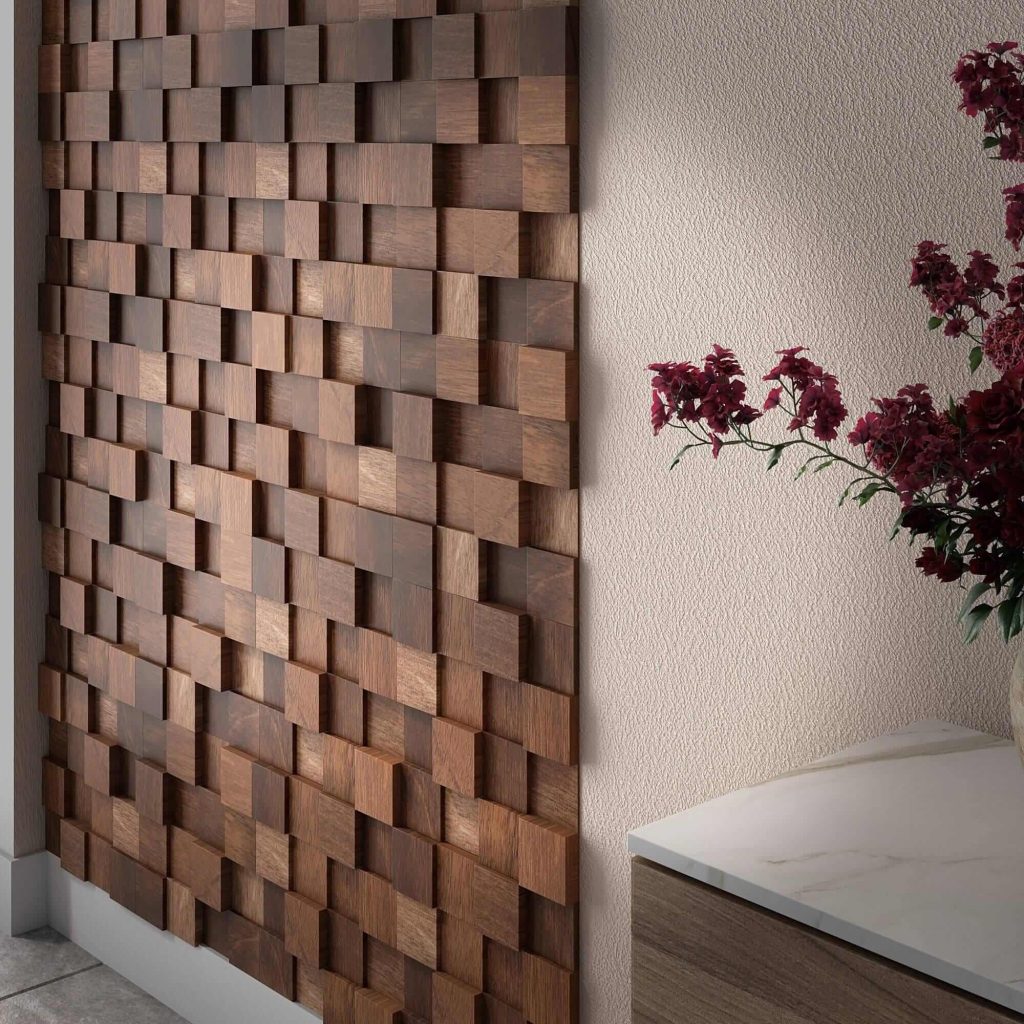
Are you looking to transform your walls into eye-catching pieces of art? Learning how to make 3D wall panels can completely change the look and feel of your space.
Imagine adding depth, texture, and style that instantly grabs attention—without spending a fortune or hiring professionals. In this guide, you’ll discover simple steps and creative tips to craft your own 3D wall panels. By the end, you’ll have everything you need to bring a fresh, modern vibe to any room.
Ready to unlock your walls’ full potential? Let’s get started!

Credit: dundeedeco.com
Materials And Tools Needed
Creating 3D wall panels requires specific materials and tools to ensure a smooth process. Choosing the right supplies affects the quality and look of your panels. Having the essential tools helps you work efficiently and safely.
Choosing The Right Materials
Select materials based on your room’s style and your skill level. Common options include:
- Wood:Durable and easy to paint or stain.
- MDF (Medium-Density Fiberboard):Smooth surface, affordable, and easy to cut.
- PVC:Lightweight and water-resistant, ideal for bathrooms or kitchens.
- Plaster:Offers a classic, textured finish but requires more skill.
Choose a material that fits your budget and design goals. Also, consider the weight for wall mounting.
Essential Tools For The Project
Having the right tools makes the installation easier. Prepare these items before starting:
- Measuring tape for precise dimensions.
- Level to ensure panels are straight.
- Utility knife or saw suitable for your material.
- Adhesive glue or nails depending on the panel type.
- Sandpaper for smoothing edges.
- Paintbrush or roller for finishing touches.
- Protective gear like gloves and goggles.
Organize your tools to keep the workspace clean and safe.
Preparing Your Workspace
Preparing your workspace is a key part of making 3D wall panels. A clean, organized area helps you work efficiently and avoid mistakes. It also protects your walls and floors from damage during the process.
Clearing And Protecting The Area
Start by removing furniture, decorations, and anything that might get in your way. This gives you plenty of space to move around and lay out your materials.
Next, protect your floors and nearby surfaces. Use drop cloths or old sheets to cover floors and tape plastic sheets over furniture you can’t move. This prevents paint splashes, dust, and glue from causing stains or damage.
Have cleaning supplies and trash bags nearby. This makes it easier to tidy up small messes as you work. Staying organized keeps your focus sharp and your project on track.
Measuring And Marking The Wall
Accurate measurements are crucial for a professional finish. Use a tape measure and level to find the exact height and width of the wall area where you’ll place the panels.
Mark the wall lightly with a pencil or painter’s tape. This helps you place each panel precisely. Think about the pattern or design you want before marking, so you avoid unnecessary corrections.
Check your marks twice before you start attaching panels. Are the lines straight and evenly spaced? Taking this extra time saves frustration and keeps your wall looking sharp and balanced.
Designing Your Wall Panels
Creating 3D wall panels involves choosing materials like foam or wood and cutting shapes for depth. Paint and arrange panels on the wall to add texture and style easily. Simple tools and creativity bring unique designs to any room.
Designing your wall panels is an exciting part of the 3D wall panel creation process. This is where your creativity can truly shine, allowing you to transform a plain wall into a stunning focal point. Whether you’re a DIY enthusiast or a professional designer, getting the design right is key to achieving the look you want.Selecting Panel Patterns
Choosing the right pattern is crucial. Consider the room’s existing decor and the mood you want to create. Geometric patterns offer a modern touch, while floral designs can add a soft, organic feel. If you’re unsure, try sketching a few ideas or using design software to visualize different patterns. Think about the scale of the pattern in relation to the room size. Large patterns can make a bold statement in spacious areas, whereas smaller, intricate designs might suit a more intimate space. Don’t be afraid to mix and match; sometimes, contrasting patterns can add a unique flair.Customizing Panel Sizes And Shapes
Customizing the size and shape of your panels allows you to tailor them perfectly to your space. You might want to create large, seamless panels for a dramatic effect, or smaller, modular pieces for a more dynamic appearance. Consider the dimensions of your wall. If you have a high ceiling, tall panels can accentuate this feature. Conversely, horizontal panels might be better suited for wide walls. Experimenting with shapes can lead to unique results. While square and rectangular panels are classics, irregular shapes or even rounded edges can introduce an unexpected twist. What shape speaks to your style?Cutting And Shaping Panels
Cutting and shaping 3D wall panels is a key part of customizing your design. Proper techniques ensure clean edges and perfect fits. The process involves careful handling of tools and materials to achieve the desired look. Safety and creativity go hand in hand during this stage.
Safe Cutting Techniques
Use the right tools for your panel material. A fine-toothed saw works well for wood or MDF panels. For foam or plastic, a sharp utility knife is best. Always wear safety goggles and gloves. Keep your workspace clean and well-lit. Secure panels firmly before cutting to avoid slips. Cut slowly and steadily to maintain control. Dispose of scraps safely to prevent accidents.
Creating Textures And Depth
Adding texture brings life to flat surfaces. Use a carving tool or sanding block to shape patterns. Experiment with grooves, waves, or geometric shapes. Layering thin strips can add depth and shadow. Paint or stain highlights textures and enhances the 3D effect. Try combining smooth and rough finishes for contrast. Small details make a big impact on the final design.
Installing The 3d Panels
Installing 3D wall panels transforms any space with texture and style. Proper installation ensures the panels stay secure and look great for years. Follow simple steps to prepare the wall and attach the panels correctly.
Preparing The Wall Surface
Start by cleaning the wall thoroughly. Remove dust, grease, and loose paint. Smooth out rough spots with sandpaper. Fill holes or cracks with putty. Allow the surface to dry completely. A clean, flat wall helps panels stick better.
Adhering Panels Securely
Choose the right adhesive for your panel material. Apply glue evenly on the back of each panel. Press the panel firmly against the wall. Hold in place for a few seconds to bond. Use a level to keep panels straight. Leave space for expansion if needed. Repeat until the wall is covered.
Credit: jackdu2021.medium.com
Finishing Touches
Finishing touches give your 3D wall panels a polished, professional look. They protect your work and highlight the design’s depth. Small details make a big difference in how your panels look and last. Focus on painting and sealing for durability and lighting for visual impact.
Painting And Sealing
Choose paint that suits your room’s style and color scheme. Use acrylic or latex paint for easy application and quick drying. Apply a primer before painting to ensure better adhesion and color vibrancy. Use a brush or roller for smooth, even coats.
Seal the panels with a clear coat to protect them from dust and moisture. A matte or satin finish keeps the texture visible without glare. Apply thin, even layers of sealer and let each dry completely. This step increases the lifespan of your panels and keeps colors fresh.
Lighting To Enhance Effects
Proper lighting brings out the 3D effect of your wall panels. Use directional lights like spotlights or track lighting to create shadows and depth. Experiment with angles to find the best look for your room.
LED strip lights can add a modern touch and highlight edges. Choose warm or cool light tones based on your room’s mood. Lighting can transform simple panels into a striking feature wall.
Maintenance Tips
Keeping your 3D wall panels looking fresh and vibrant requires a bit of care. Understanding how to maintain them will extend their lifespan and preserve their visual appeal. Let’s dive into practical tips that help you keep your panels spotless and intact.
Cleaning Your Panels
Dust and dirt can dull the surface of your 3D wall panels over time. Use a soft, dry microfiber cloth to gently wipe the panels on a weekly basis. This simple habit prevents buildup without scratching or damaging the material.
If you notice stains or sticky spots, dampen the cloth slightly with water and mild soap. Avoid harsh chemicals or abrasive cleaners; they can strip paint or damage finishes. Always test any cleaner on a small, hidden area first to make sure it won’t harm your panels.
Have you tried using a vacuum with a brush attachment? It’s surprisingly effective for removing dust from textured surfaces without applying pressure. This approach helps keep your panels looking clean without much effort.
Repairing Minor Damages
Accidents happen, and small dents or chips can occur on your panels. For minor scratches, gently rub the area with a fine-grit sandpaper and then touch up the paint if necessary. This quick fix can make a big difference in appearance.
If a panel gets cracked or loose, use a strong adhesive designed for the panel’s material to secure it back in place. Press firmly and allow the glue to cure fully to ensure a lasting bond. Avoid using nails or screws as they might cause further damage.
Wondering how to handle color fading or discoloration? A fresh coat of matching paint can revive the panel’s look. Keep your original paint color on hand so you’re ready for any touch-ups down the line.

Credit: commomy.com
Frequently Asked Questions
What Materials Are Best For 3d Wall Panels?
Materials like PVC, MDF, gypsum, and wood are popular for 3D wall panels. They are lightweight, durable, and easy to install, offering various textures and designs to fit any decor style.
How Do You Install 3d Wall Panels Properly?
Clean the wall, measure and mark panel placement, apply adhesive, press panels firmly, and use nails if needed. Seal joints and paint if desired for a smooth, finished look.
Can 3d Wall Panels Be Painted Or Customized?
Yes, most 3D wall panels can be painted with acrylic or latex paint. Customization allows matching your room’s color scheme and adding a unique personal touch.
Are 3d Wall Panels Suitable For All Rooms?
3D wall panels work well in living rooms, bedrooms, offices, and even kitchens. Avoid high-moisture areas unless using water-resistant materials like PVC.
Conclusion
Creating 3D wall panels can change any room’s look quickly. The steps are simple and tools easy to find. You can pick designs that fit your style and space. Painting and installing add a personal touch too. This project saves money and brings fun to decorating.
Try making your own panels for a fresh, modern wall. It’s a great way to add depth and interest at home. Start small and enjoy the process as you go.



