
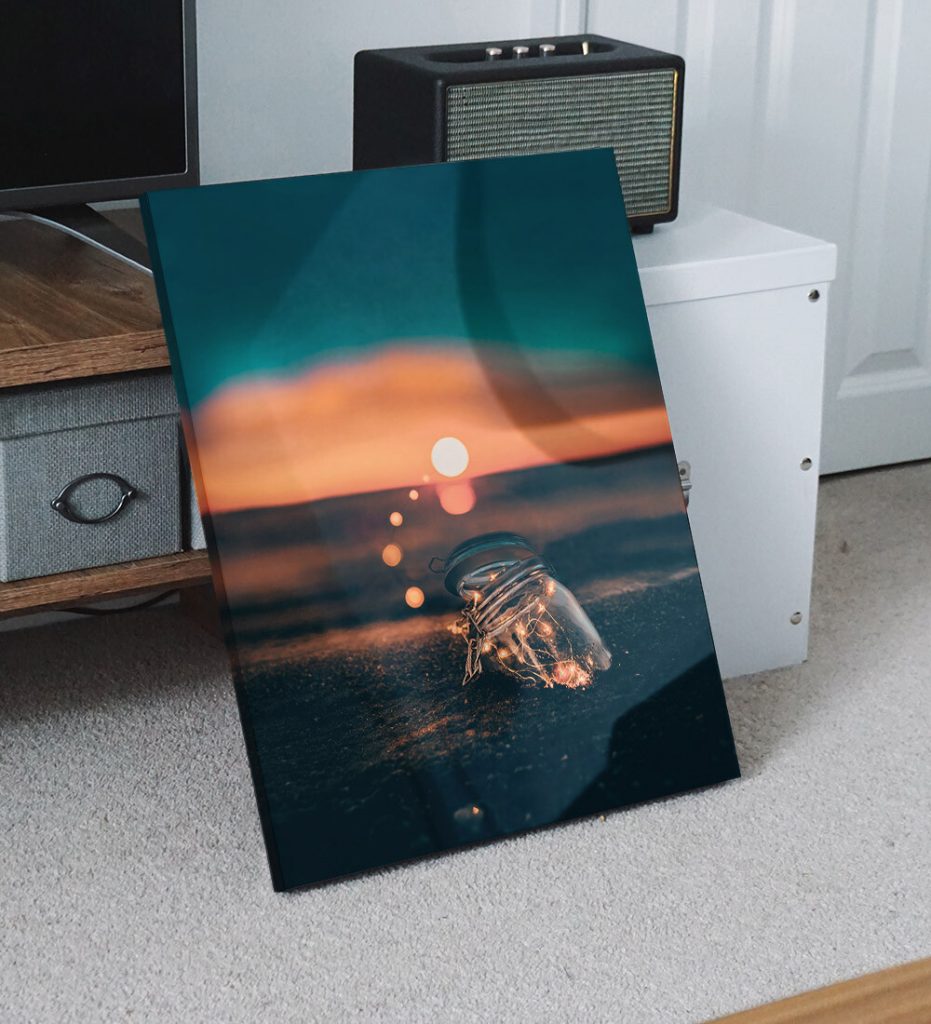
Have you ever wanted to turn your favorite photo into a stunning piece of art? Making a canvas print is easier than you think, and it can completely transform your space.
Imagine seeing your most cherished memories or creative shots displayed on a beautiful canvas, adding personality and warmth to any room. In this guide, you’ll discover simple steps to create your own canvas print that looks professional and lasts for years.
Ready to bring your walls to life? Let’s get started!
Choosing The Right Image
Choose a clear, high-quality image with good lighting and sharp details. Bright colors and simple backgrounds work best for canvas prints. Make sure the image matches the size of your canvas to avoid stretching or pixelation.
Choosing the right image is crucial for creating a stunning canvas print. The image you select sets the mood and tone of your artwork. It should reflect your personal style and the ambiance you want to create in your space. Consider various aspects like image resolution, composition, color, and lighting to make the perfect choice.Image Resolution And Quality
High resolution is essential for a clear canvas print. Look for images with at least 300 DPI. This ensures sharp details and crisp lines. Avoid images that appear pixelated or blurry. A high-quality image provides a professional finish.Subject And Composition Tips
Choose a subject that speaks to you. It could be a landscape, portrait, or abstract art. Consider the rule of thirds to enhance composition. This technique creates balance and interest. Symmetry and leading lines also add depth to your image.Color And Lighting Considerations
Colors influence the mood of your canvas print. Bright colors add energy, while soft tones create calmness. Ensure the lighting in your image is even. Avoid harsh shadows or overexposure. Proper lighting highlights details and enriches colors.
Credit: www.canva.com
Selecting Canvas Size And Style
Choosing the right canvas size and style sets the foundation for your artwork’s impact. The size affects how your image draws attention, while the style influences the overall vibe of the room. Think about where you want to hang your canvas and how it will interact with other decor.
Common Canvas Dimensions
Canvas prints come in a variety of sizes, from small personal pieces to large statement artworks. Popular sizes include 8×10 inches, perfect for desks or shelves, and 24×36 inches, which works well as a focal wall piece.
Consider the space where your canvas will live. A large canvas might overwhelm a small room, while a tiny print can get lost on a big, empty wall. Do you want a single large canvas or a series of smaller ones to create a gallery effect?
Frame And Border Options
Frames add a finished look but can also change the feel of your canvas. You can opt for a classic wood frame for a warm, traditional look or a sleek metal frame for something modern.
Border styles vary too. A gallery wrap means the image wraps around the edges, creating a clean, frameless look. Alternatively, you can choose a white or black border to give your image some breathing room. Think about whether you want the image to extend to the edges or if a border will enhance the visual balance.
Matte Vs Glossy Finishes
The finish on your canvas affects both appearance and durability. Matte finishes reduce glare and make colors appear softer, which works well in brightly lit rooms.
Glossy finishes offer vibrant colors and sharp details but can reflect light, sometimes making it harder to see the image clearly from certain angles. What kind of lighting does your space have? This can guide your choice between matte and glossy.
Preparing The Image File
Preparing your image file is a crucial step in making a canvas print that looks stunning and professional. The quality of your final product depends heavily on how well you prepare the image before printing. Taking time to edit, choose the right file format, and calibrate colors will save you from disappointing results and wasted materials.
Editing And Enhancing Photos
Start by cropping your image to fit the canvas size you want. This ensures no important details get cut off during printing. Adjust brightness, contrast, and sharpness to make your photo pop and look vibrant.
Removing any blemishes or distractions can make a big difference. I once printed a family portrait that had a small spot on the shirt—fixing it beforehand saved the print from looking unprofessional.
Use simple editing tools like Adobe Lightroom or even free apps such as Snapseed. They help you enhance your photo without making it look over-processed.
File Formats And Specifications
Choosing the right file format is vital. JPEG and TIFF are the most common formats for canvas prints.
- JPEG:Good for most prints; balances quality and file size.
- TIFF:Preferred for high-quality prints; no compression means no loss in detail.
Make sure your image resolution is at least 300 DPI (dots per inch). Lower resolutions can cause blurry or pixelated prints. If you’re unsure about your file’s specs, check with the printing service to avoid surprises.
Color Calibration Basics
Colors on your screen might look different on the canvas. This happens because screens emit light, while prints reflect light. Calibrating your monitor helps your screen show colors more accurately.
You can use calibration tools like the SpyderX or even free software to adjust your monitor settings. This step ensures the colors you see while editing will match the final printed product.
Ask yourself: Have you ever been surprised by how dull or too bright your printed photos turned out? Proper color calibration can prevent that frustration.
Printing The Canvas
Printing the canvas is a crucial step in turning your digital image into a beautiful piece of art. The quality of your print can make or break the final look, so it’s important to get this right. Let’s look at how to choose the best printing method, prepare your printer, and solve common print issues to ensure your canvas print comes out perfect.
Choosing A Printing Method
You have several options to print your canvas, each with pros and cons. Inkjet printing is popular for its vibrant colors and fine details, ideal for photos and artwork. Dye-sublimation offers durability and fade resistance, great for long-lasting prints.
Consider your budget and the look you want. If you want sharp details, go for high-resolution inkjet printers. For a more durable finish that can handle moisture, dye-sublimation might be better. What kind of display environment will your canvas have? That can help narrow down your choice.
Setting Up The Printer
Start by selecting the right canvas material compatible with your printer. Make sure the canvas is stretched or mounted securely to avoid jams or misprints.
- Load the canvas carefully, aligning it according to the printer’s guidelines.
- Check ink levels and replace cartridges if needed to avoid faded prints.
- Adjust printer settings to match canvas type and desired print quality.
Pay attention to color profiles and resolution settings; these affect how colors appear on the canvas. I once skipped adjusting the profile and ended up with dull colors that didn’t match my screen. Don’t make that mistake!
Troubleshooting Print Issues
Printing on canvas can sometimes cause problems like streaks, color shifts, or uneven ink coverage. If you notice streaks, clean the print heads as clogged nozzles are often the culprit.
Colors not matching your screen? Calibrate your monitor and adjust the printer’s color settings. Uneven ink coverage might mean your canvas isn’t feeding properly—check for wrinkles or loose edges.
Keep extra canvas sheets handy for test prints. Testing helps catch issues early and saves costly mistakes on your final piece. What’s the biggest printing challenge you’ve faced? Tackling those problems head-on improves your skills for future projects.
Stretching And Mounting The Canvas
Stretching and mounting the canvas is a key step in making a canvas print. It gives your artwork a clean, professional look. Proper stretching keeps the canvas tight and smooth without wrinkles or sagging. Mounting the canvas onto a frame makes it ready to hang or display.
Tools And Materials Needed
- Canvas print or fabric
- Wooden stretcher bars or frame
- Staple gun with staples
- Canvas pliers
- Scissors
- Measuring tape or ruler
- Hammer (optional)
- Protective gloves (optional)
Step-by-step Stretching Guide
Start by assembling the wooden stretcher bars to form a frame. Make sure the corners fit tightly and square.
Lay the canvas face down on a clean surface. Place the frame on top, centered.
Begin stretching from the middle of one side. Use canvas pliers to pull the fabric tightly over the edge.
Staple the canvas onto the back of the frame. Place staples about two inches apart.
Move to the opposite side and repeat stretching and stapling. Keep the tension even to avoid wrinkles.
Stretch and staple the remaining sides, working from center to corners.
Fold the corners neatly and staple them securely.
Securing The Canvas Frame
Check all sides for tightness. Add extra staples if needed for a firm hold.
Trim excess canvas with scissors for a neat finish.
Optionally, tap in small finishing nails along the edges for extra support.
Your canvas print is now stretched and mounted, ready to display.

Credit: thestackhouse.com
Finishing Touches
The finishing touches on your canvas print are what transform it from a simple image to a stunning piece of art ready to display. These steps protect your work, make it easy to hang, and ensure it lasts for years. Paying attention to these details can make all the difference in how your canvas print looks and performs over time.
Applying Protective Coatings
Adding a protective coating helps shield your canvas from dust, moisture, and UV damage. You can use a clear acrylic spray or varnish designed specifically for canvas prints. Apply thin, even layers, allowing each coat to dry completely before adding the next.
Think about the environment where your print will hang. If it’s in a sunny room, a UV-resistant coating is essential. This small step keeps colors vibrant and prevents fading.
Adding Hanging Hardware
Choosing the right hanging hardware ensures your canvas stays secure on the wall. For heavier or larger prints, D-rings with strong wire provide reliable support. Smaller canvases can use sawtooth hangers or adhesive hooks.
Make sure to measure and mark your wall before hanging to get perfect alignment. Have you ever noticed a crooked canvas ruining a room’s vibe? Proper hardware prevents that common frustration.
Maintaining And Cleaning Canvas Prints
Regular care keeps your canvas looking fresh. Use a soft, dry cloth or a gentle brush to remove dust without damaging the surface. Avoid harsh chemicals or water, as they can harm the print.
If you spot stains or fingerprints, a slightly damp cloth with mild soap can work, but test a small area first. How often do you think about cleaning your wall art? This simple habit extends the life of your canvas and keeps it looking gallery-ready.

Credit: digital-photography-school.com
Frequently Asked Questions
What Materials Are Needed To Make A Canvas Print?
You need a high-quality digital image, canvas fabric, stretcher bars, a printer, and protective coatings. These materials ensure a durable and vibrant print for your artwork or photo.
How Do I Prepare An Image For Canvas Printing?
Use photo editing software to crop, adjust resolution to 300 DPI, and enhance colors. This preparation guarantees sharp, vivid results on the canvas print.
What Is The Best Way To Stretch Canvas On Bars?
Start by securing the canvas at the center of each side, then pull tightly and staple evenly. This method prevents wrinkles and ensures a smooth, professional finish.
Can I Make A Canvas Print At Home Or Use A Service?
You can make canvas prints at home with a printer and materials, or use professional services for higher quality and convenience. Choose based on your budget and skill level.
Conclusion
Creating your own canvas print can be simple and fun. Choose a clear photo and print it on quality canvas material. Stretch the canvas tightly over a wooden frame for a neat look. Add a protective coating to keep colors bright.
Display your artwork proudly at home or gift it to someone special. With a little patience, anyone can make a beautiful canvas print. Try it today and enjoy your unique wall art.



