
Looking to add a cozy touch to your living space without spending hours sewing? You’re in the right place.
Making a no sew floor pouf is easier than you think, and it’s a fun way to personalize your home. Imagine having a stylish, comfy pouf that you made yourself—no special skills needed. Keep reading, and you’ll discover simple steps to create your own floor pouf quickly, using materials you probably already have.
By the end, you’ll have a unique piece that’s perfect for relaxing, extra seating, or just showing off your creativity. Ready to get started? Let’s dive in!
Materials Needed
Gathering the right materials is key to making a no-sew floor pouf that not only looks great but also feels comfortable and lasts long. Choosing the right fabric, filling, and additional supplies can make your DIY project smoother and more satisfying. What kind of vibe do you want your pouf to bring to your space? Let’s break down the essentials you’ll need.
Fabric Choices
Pick a fabric that suits your style and purpose. Durable materials like canvas, denim, or upholstery fabric work well because they can handle weight and wear. Soft fabrics like fleece or cotton add coziness, perfect for a relaxed, casual look.
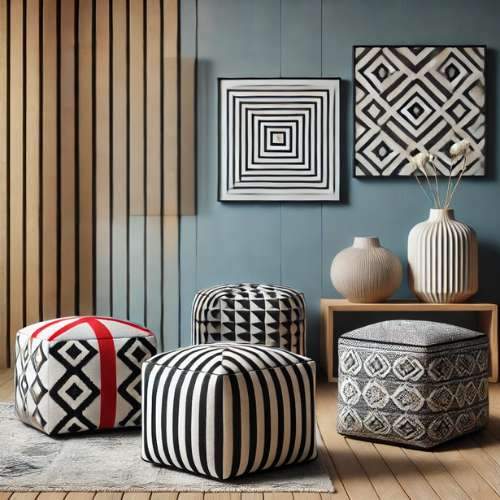
Consider patterns and colors that complement your room. Are you going for a bold statement or a subtle accent? Remember, thicker fabrics usually hold shape better and resist stains, making them practical for a floor pouf.
Filling Options
The filling determines how firm or squishy your pouf will be. Polyester stuffing or fiberfill is lightweight and easy to shape, giving a plush feel. For a firmer pouf, try filling it with old clothes, fabric scraps, or foam pieces.
Have you thought about using eco-friendly options? Recycled materials like shredded denim or even plastic bags can be surprisingly effective and budget-friendly. The key is to test the filling to see if it supports your comfort needs.
Additional Supplies
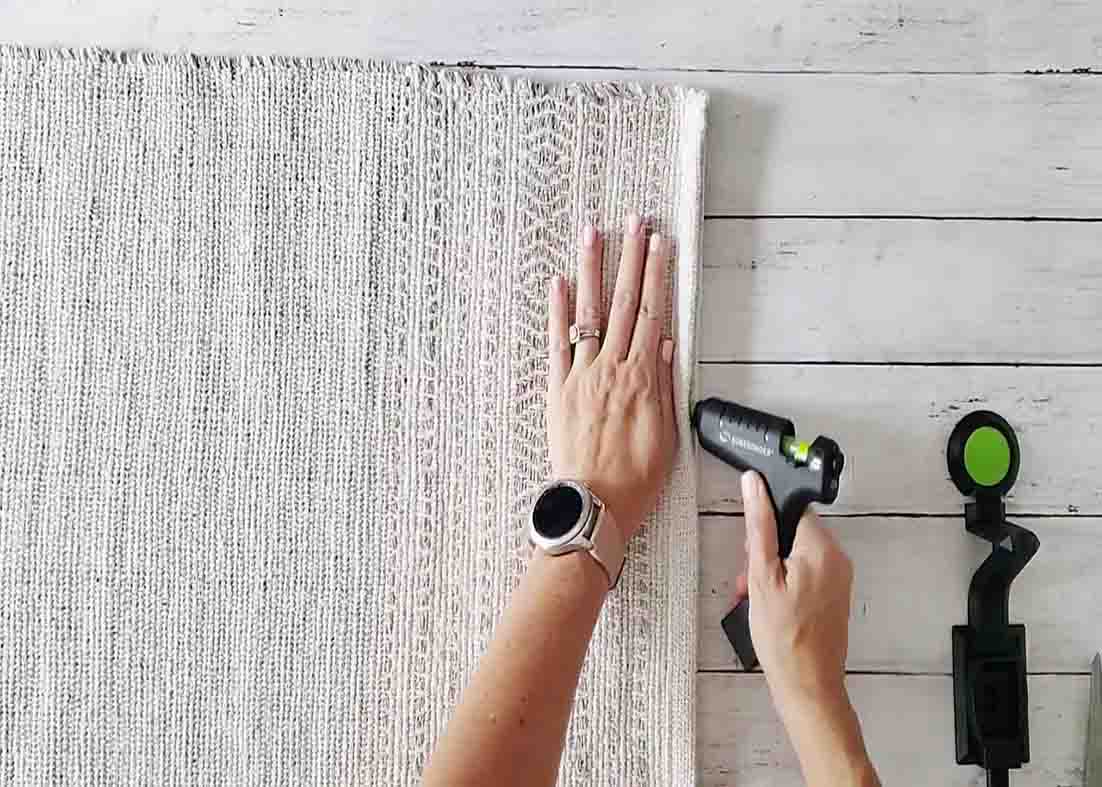
Even though this is a no-sew project, you’ll need some basic supplies to put everything together. Strong fabric glue or a hot glue gun is essential for securing the fabric edges. Double-sided tape can help hold pieces temporarily while the glue sets.
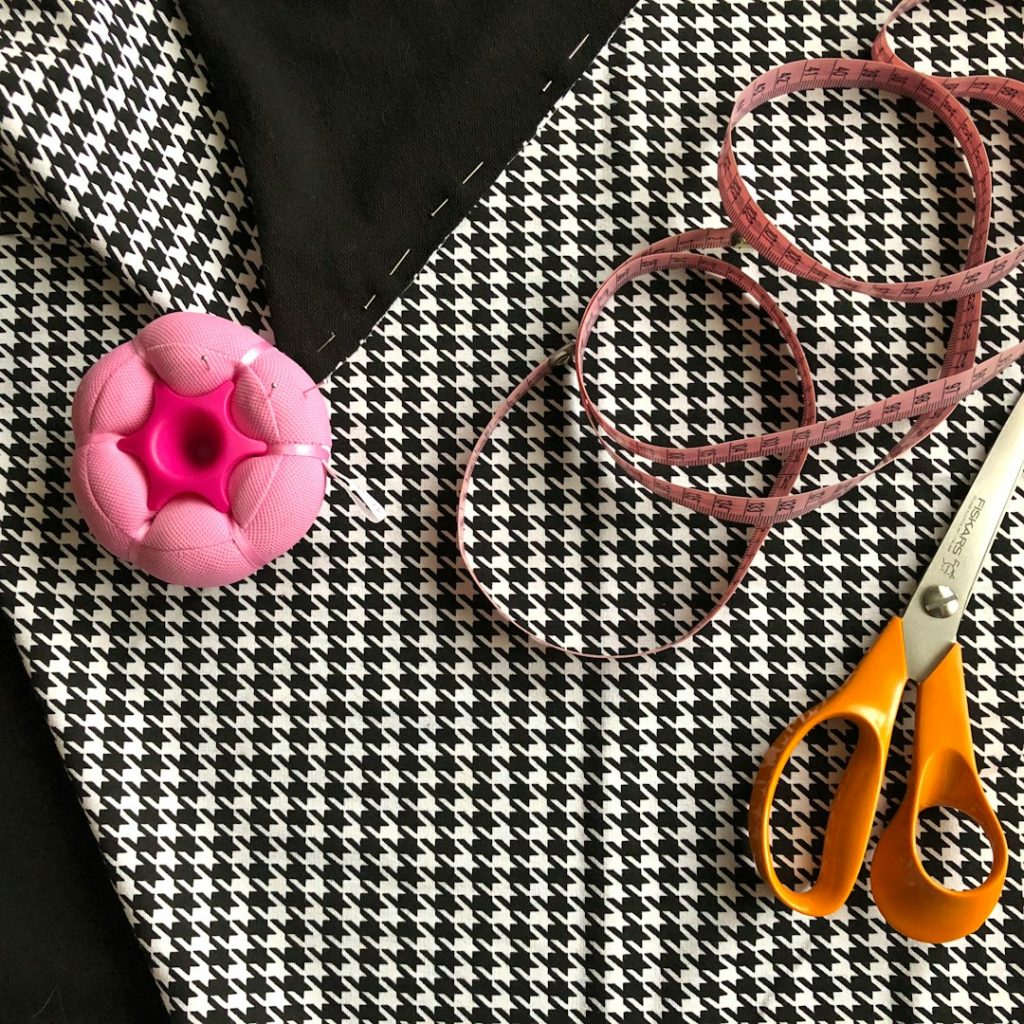
Don’t forget scissors to cut your fabric cleanly and a measuring tape to get the right size. If you want to add a handle or decorative touches, consider fabric ribbon or sturdy rope. How creative can you get with what’s already around your home?

Credit: www.youtube.com
Preparing The Fabric
Preparing the fabric is a crucial stage in making a no-sew floor pouf. The quality of your cuts and strips will directly affect the final look and sturdiness of your pouf. Taking your time here ensures a smooth crafting process and a satisfying result.
Measuring And Cutting
Start by deciding the size of your floor pouf. A common size is around 18 to 20 inches in diameter, but you can customize it to fit your space. Use a tape measure and fabric chalk to mark your fabric precisely.
Cut a large circle for the base and a matching circle for the top. Don’t forget to add an extra 1 to 2 inches around the edges for seam allowance, even if you’re not sewing. This extra fabric gives you room to work with when creating your strips.
Creating Fabric Strips
After cutting your circles, cut the leftover fabric into long strips, about 2 to 3 inches wide. These strips will be used to tie and secure the pouf together. Aim for strips that are uniform in width to keep the tension even when tying.
If you want a patterned pouf, mix strips from different fabric colors or textures. This adds a fun visual element and lets your creativity shine. Have you tried combining bold and neutral tones? It can make your pouf stand out beautifully.
Assembling The Pouf
Assembling your no sew floor pouf is where all your preparation comes together. This stage transforms loose fabric strips into a cozy, stylish piece for your home. Pay close attention to how you weave and shape the pouf—these steps determine its durability and appearance.
Weaving The Fabric Strips
Start by laying out your fabric strips flat. Think of weaving like creating a basket but with fabric—over and under, alternating each strip.
Keep your tension even; too tight and the pouf will be stiff, too loose and it won’t hold shape well. You might find it helpful to secure the ends with clips as you go, so they don’t slip out.
Try mixing colors or patterns for a unique look. Have you considered how different textures might affect the feel of your pouf?
Forming The Pouf Shape
Once the base is woven, gently start shaping it into a round or square pouf by folding and tucking the fabric.
Stuff the inside with old clothes, foam, or batting to give it volume. Use firm but flexible filling so your pouf stays comfy and supportive.
Secure the edges by weaving the loose ends back into the pouf or using strong fabric glue. You’ll want to test the firmness—does it hold up when you press on it?
Credit: www.reasonstoskipthehousework.com
Securing The Pouf
Securing your no sew floor pouf is crucial for durability and style. A well-secured pouf ensures it holds its shape and withstands regular use. This section will guide you through tying knots and adding a hidden closure.
Tying Knots
Start by gathering the edges of your pouf fabric. Ensure all sides are even. Use a strong thread or cord to tie the fabric securely. Double knot the fabric for added strength. Keep the knots tight to maintain the pouf’s shape. Trim any excess thread for a neat finish.
Adding A Hidden Closure
A hidden closure gives your pouf a polished look. Use Velcro strips or snap buttons for this purpose. Attach the Velcro or buttons inside the fabric edges. Ensure they align properly for seamless closure. This allows easy access for stuffing adjustments. A hidden closure keeps the design sleek and practical.
Stuffing The Pouf
Stuffing your no sew floor pouf is a crucial step that determines its comfort and shape. The right filling and proper techniques can make your pouf both sturdy and soft. Let’s dive into how you can achieve the perfect balance for your handmade piece.
Choosing The Right Filling
Think about how you want your pouf to feel. Do you prefer firm support or a cushy, sink-in softness? Your choice of filling will affect this.
- Polyester Fiberfill:Lightweight and soft, it creates a plush pouf that’s easy to mold. Great if you want a cozy, cloud-like feel.
- Old Clothes or Fabric Scraps:A budget-friendly and eco-friendly option. Just make sure they’re clean and cut into small pieces for even stuffing.
- Foam Pieces:Offer firmer support and hold shape longer. Ideal if your pouf will be used for extra seating.
- Plastic Bags or Packaging Peanuts:Lightweight but less durable. Avoid if you want a pouf that lasts and feels comfortable.
Have you ever tried using something unexpected as filling? It might surprise you how well shredded towels or even old pillows work.
Filling Techniques
How you add the stuffing impacts the pouf’s final look and usability. Instead of dumping all the filling in at once, add it gradually.
- Start by filling the bottom half to create a sturdy base.
- Press down firmly to remove air pockets and keep the shape tight.
- Add more stuffing in layers, checking firmness as you go.
- If you want a softer feel, leave some space for the filling to move.
- Use your hands to push the stuffing into corners and edges for a neat finish.
I learned this the hard way when my first pouf looked lumpy and uneven. Taking time to evenly distribute the stuffing makes all the difference. How do you want your pouf to hold up under daily use?
Credit: diyjoy.com
Finishing Touches
Finishing touches are what transform your no sew floor pouf from a simple project into a stylish and polished piece. These final details ensure your pouf looks tidy and reflects your personal taste. Taking the time to carefully finish will make your creation feel truly complete.
Trimming Excess Fabric
After assembling your pouf, check for any loose or uneven fabric edges. Use sharp scissors to carefully trim away extra material, but leave a small margin to prevent fraying. This step keeps your pouf neat and prevents fabric from catching or unraveling over time.
Pay attention to corners and seams where fabric tends to bunch up. A clean cut in these areas helps maintain the pouf’s shape and makes it easier to move around your space. Have you noticed how a little trimming can instantly elevate the overall look?
Adding Decorative Elements
Now is the perfect moment to personalize your pouf with decorative touches. Think about sewing or gluing on buttons, tassels, or fabric patches that match your room’s vibe. Even simple accents like ribbons or fabric paint can add flair without any sewing.
Consider what style fits your space best. A boho look might call for colorful tassels, while a minimalist room could benefit from subtle, monochrome details. What small decoration could make your pouf uniquely yours?
Styling Tips
Styling your no sew floor pouf can transform any space with ease. This simple piece adds comfort and charm to your home. Choosing the right colors and placement enhances its appeal. Use these styling tips to create a cozy and inviting look.
Color Combinations
Pick colors that match your room’s palette. Neutral tones blend well with most décors. Bold colors create a vibrant focal point. Try pairing soft pastels with natural textures. Use contrasting shades to add depth and interest. Mix patterns carefully to avoid clashing. Think about the mood you want to set. Warm colors make a space feel cozy. Cool colors bring calm and freshness.
Placement Ideas
Place the pouf near seating areas for extra comfort. It works well beside sofas or armchairs. Use it as a footrest to relax after a long day. A pouf can serve as a small table with a tray on top. Put it in a reading nook for added charm. It fits nicely in corners that feel empty. Group several poufs for a casual, inviting vibe. Move it easily to change the room’s look anytime.
Care And Maintenance
Taking care of your no sew floor pouf is essential to keep it looking fresh and cozy. Regular maintenance not only extends its life but also preserves the vibrant colors and comfortable texture you love. You’ll find that simple steps can prevent wear and tear, making your pouf a lasting part of your home.
Cleaning Tips
Spot cleaning is your best friend when it comes to a no sew floor pouf. Use a damp cloth with mild soap to gently rub away stains. Avoid soaking the fabric to prevent damage or shrinking.
If your pouf has a removable cover, check if it’s machine washable. Wash it on a gentle cycle with cold water to protect the fabric and colors. Always air dry instead of using a dryer to avoid shrinking or warping.
For dust and dirt, a handheld vacuum or lint roller works wonders. Regularly removing debris keeps the pouf looking neat and feeling soft.
Repairing Small Damages
Small snags or loose threads don’t mean the end of your pouf. Grab a pair of scissors and carefully trim any loose threads to stop them from unraveling further.
If you notice minor fabric pulls, gently push them back into place with the tip of a needle or a toothpick. This keeps the surface smooth without needing to replace materials.
In case of small holes, fabric glue can be a quick fix. Apply a tiny amount to the edges and press the fabric together until dry. This prevents the hole from growing and keeps your pouf intact.
Have you ever ignored a tiny tear and then regretted it later? Taking action early saves you from bigger repairs down the line.
Frequently Asked Questions
What Materials Are Needed For A No Sew Floor Pouf?
You need fabric, stuffing, a zipper or buttons, and a hot glue gun. No sewing tools are required, making it simple and quick.
How Do You Assemble A No Sew Floor Pouf?
Cut fabric into circles, glue edges, fill with stuffing, and seal it. This method avoids sewing and creates a sturdy pouf.
Can I Customize The Size Of The Floor Pouf?
Yes, you can adjust fabric circle sizes to make larger or smaller poufs. Custom sizes fit any room or seating need perfectly.
Is A No Sew Pouf Durable For Daily Use?
With quality fabric and strong adhesive, no sew poufs last well. Proper care ensures they withstand regular sitting and use comfortably.
Conclusion
Making a no sew floor pouf is simple and fun. You only need a few materials and some patience. This project adds style and comfort to any room. Plus, it saves money on buying expensive poufs. Try different colors and patterns to fit your space.
Everyone can do this, even without sewing skills. Start your pouf today and enjoy a cozy, handmade touch in your home.



